
Dec . 07, 2025 19:31 Back to list
China Redispersible Powder – Durable Construction Additives from CNJZ Chemical
China Redispersible Powder: Why It’s Still the Backbone in Construction Additives
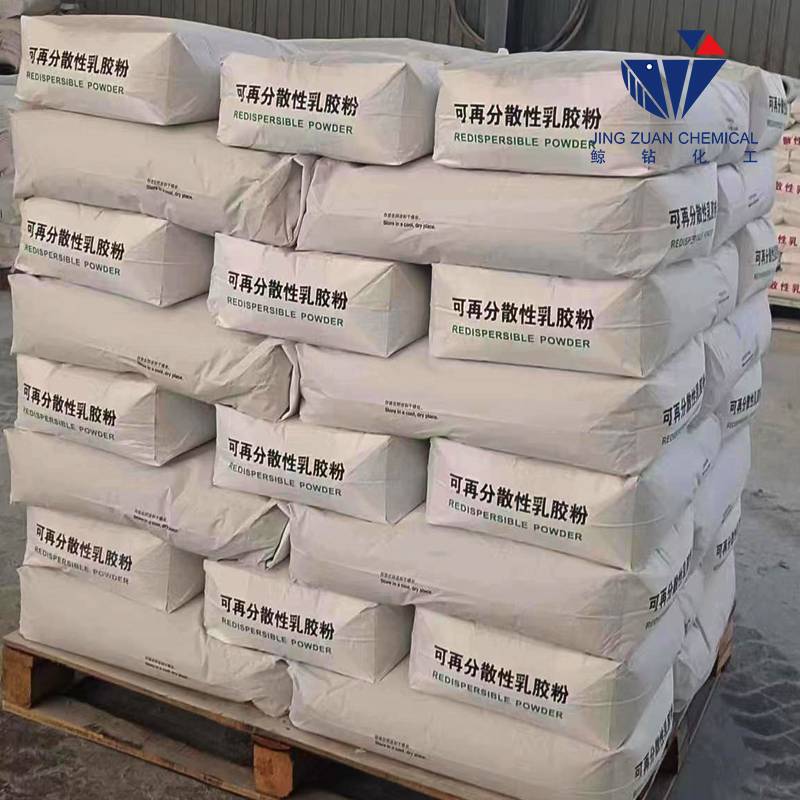
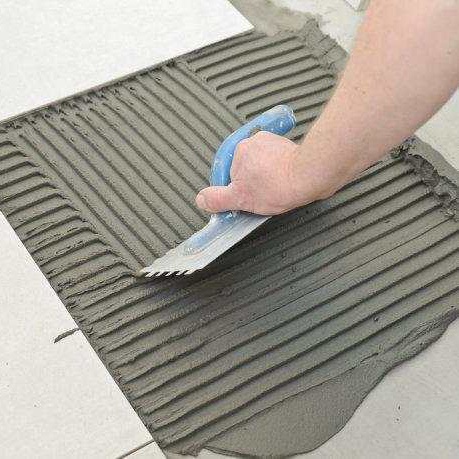
Having worked in industrial equipment and construction materials for well over a decade, I've seen how certain products quietly become indispensable. One of these unsung heroes is China redispersible powder. You might not hear much buzz about it in daily chatter, but in real terms, it’s a game-changer when it comes to enhancing construction materials like mortars, adhesives, and renders.
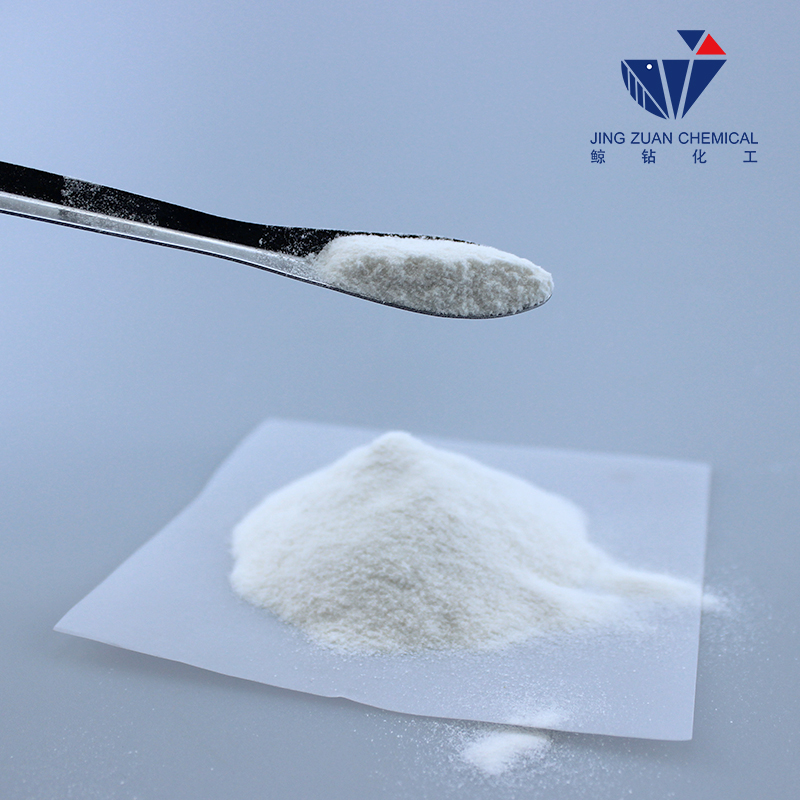
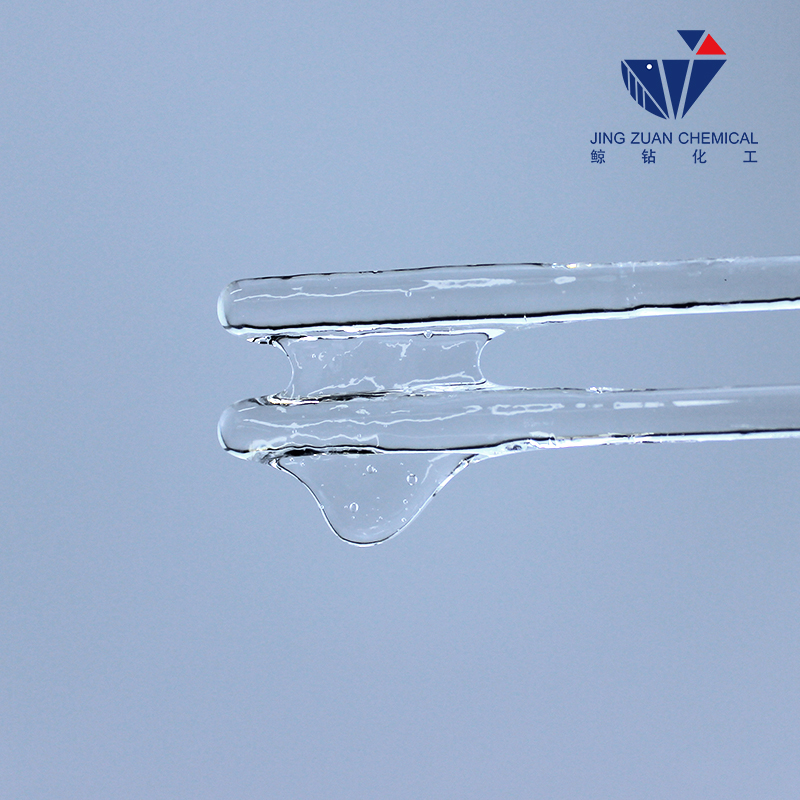
Redispersible powders (RDPs) are essentially polymers turned into dry powders that rehydrate into latex upon mixing with water. This clever transformation means they can improve flexibility, adhesion, water retention, and durability of cement-based products without the hassle of handling liquid polymers onsite — which, frankly, can be messy and tricky.
What strikes me every time I survey the Chinese suppliers is their ability to offer a wide range of RDPs tailored to specific needs. From polyvinyl acetate to styrene butadiene variants, there’s a type for nearly every application. And that’s not just marketing speak — I’ve run trials comparing powders from various factories, and the differences in performance are tangible.
| Specification | Typical Value | Description |
|---|---|---|
| Appearance | White powder | Fine, free-flowing |
| Polymer Type | VAE / SBR | Vinyl acetate ethylene / styrene-butadiene |
| Solids Content | >90% | High purity polymers |
| Particle Size | 20-50 μm | Optimized for easy dispersion |
| Redispersion Time | < 5 min | Quick latex formation |
Industry trends increasingly favor multifunctional additives — and redispersible powder fits the bill perfectly. It enhances the flexibility of adhesives and mortars so that they can withstand temperature fluctuations and minor vibrations without cracking. I remember a client who switched exclusively to a Chinese supplier for their RDP needs after a season’s worth of field tests showed remarkable improvements in bond strength and waterproofing.
Of course, not all powders are created equal. You’ve got brands playing with formulations to optimize for different settings — some lean towards higher vinyl acetate content for better initial tack, others focus on improved water retention. When I compare vendors, a few stand out either due to price, consistency, or logistics.
| Vendor | Product Range | Price Competitiveness | Quality Consistency | Lead Time |
|---|---|---|---|---|
| CNJZ Chemical | Extensive (VAE, SBR, Custom) | Moderate | High | 2-3 weeks |
| Vendor B | Limited (mostly VAE) | Low | Moderate | 4-5 weeks |
| Vendor C | SBR focus | Higher | High | 1-2 weeks |
Now, customization seems to be the direction China’s suppliers are moving toward — and frankly, that's reassuring. Many engineers I've spoken with say having powders tailored for local climates and substrates cuts down on troubleshooting later. It’s kind of like having a “made-to-measure” suit instead of something off the rack.
To sum it up — if you’ve been underestimating the role of China redispersible powder in your projects, it might be time to reconsider. Whether you’re looking to improve product longevity, ease of application, or just streamline your additive supply chain, these powders can tick many boxes.
References:
1. "The Chemistry of Redispersible Polymer Powders," Industrial Coatings Journal, 2019.
2. CNJZ Chemical Technical Data Sheets, 2023.
3. Interview with Field Engineer, Construction Materials, 2022.
-
Understanding Hydroxypropyl Methyl Cellulose MSDS Safety and Compliance
NewsApr.16,2026
-
Understanding the Hydroxypropyl Methyl Cellulose HS Code for Global Trade
NewsApr.09,2026
-
Comprehensive Guide to Hydroxypropyl Methyl Cellulose CAS Number and Applications
NewsApr.07,2026
-
Comprehensive Guide to Hydroxypropyl Methyl Cellulose cas no and its Diverse Applications
NewsApr.04,2026
-
Comprehensive Guide to Hydroxypropyl Methyl Cellulose Manufacturers and Applications
NewsMar.31,2026
-
Understanding Hydroxypropyl Methyl Cellulose Properties And Diverse Applications
NewsMar.28,2026