
Dec . 13, 2025 22:00 Back to list
Comprehensive Guide to China HPMC – Industrial Uses & Innovations
Understanding China HPMC: A Subtle Yet Powerful Ingredient in Industry
At first glance, china hpmc — shorthand for Hydroxypropyl Methylcellulose manufactured in China — might seem like just another chemical in a crowded industrial lineup. But if you lift the lid just a little, you find it’s a fundamental building block behind countless products and processes worldwide. From construction adhesives to pharmaceuticals and even the food industry, recognizing what china hpmc brings to the table offers both economic edge and environmental insight on a global scale.
Why does it matter globally? Because China stands as one of the largest producers of hpmc, a versatile cellulose ether with strong film-forming, thickening, and stabilizing properties. As urbanization accelerates and supply chains grow more complex, the demand for reliable, eco-conscious additives like hpmc from China is only rising. The benefits ripple across sectors: better quality control, sustainable sourcing, and cost efficiency among them. So let’s unpack what this material means and why it’s increasingly central to modern industry.
The Global Importance of China HPMC
In 2023, industrial reports estimated that the global cellulose ethers market would surpass $3 billion, with china hpmc accounting for a hefty slice of production volume and exports. According to ISO standards on chemical supply, cellulose ethers like hpmc offer notable stability and safety, making them indispensable. China’s manufacturing prowess — especially in Zhejiang and Jiangsu provinces — taps into this need, fueling everything from high-rise building materials to personal care products.
Yet challenges persist. Supply chain disruptions, environmental regulations tightening, and quality consistency are issues many companies wrestling with. China hpmc firms must innovate fast— balancing cost with performance while meeting international specs. Oddly enough, this challenge puts them at the forefront of research in biodegradable chemical additives.
What Exactly Is China HPMC?
In the simplest terms, china hpmc refers to Hydroxypropyl Methylcellulose manufactured by Chinese producers. It’s a cellulose ether derivative — made by chemically modifying cellulose extracted from wood pulp or cotton fibers. This modification makes hpmc soluble in cold water, turning it into a finely tunable polymer that thickens, binds, or films depending on how it’s processed.
In industry, it’s a multifunctional ingredient: ensuring proper viscosity in cement mixtures, controlling moisture retention in cosmetics, or stabilizing suspension in food items. Humanitarian applications, like quick-deploy shelter coatings or injectable medical gels in disaster zones, also rely on hpmc’s unique properties.
Core Attributes of China HPMC
1. Viscosity Control
HPMC’s ability to adjust thickness means manufacturers can fine-tune product textures. For example, in construction, it prevents cement sands from settling too quickly, improving workability.
2. Film-Forming Capability
One of hpmc’s more magical traits is forming strong, flexible films. This is huge for packaging or protective coatings where durability and breathability intersect.
3. Thermal Stability
Despite being organic, hpmc withstands surprisingly well moderate heat — making it apt for processes requiring heating without degradation, such as certain pharmaceuticals.
4. Eco-Friendliness
Derived from natural cellulose, it’s biodegradable and does not produce toxic residues. This increasingly aligns with corporate sustainability goals.
5. Water Retention
Particularly useful in cement and plaster applications, it keeps moisture locked in longer, allowing materials to cure uniformly.
6. Compatibility
China-produced hpmc blends well with other polymers and additives, making it flexible for customization across industries.
Practical Uses of China HPMC Around the World
So where does this stuff actually go? The short answer is “almost everywhere.” But let’s highlight key sectors and examples:
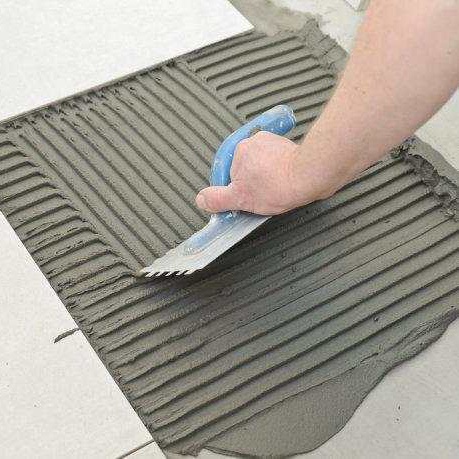
- Construction: In Asia and Africa, china hpmc is the glue behind durable tile adhesives and joint fillers that withstand local weather extremes.
- Pharmaceuticals: Capsules and tablets worldwide use hpmc as a binder or controlled-release agent, especially in generic drug manufacturing hubs.
- Food Industry: As a stabilizer in gluten-free bread or thickener in sauces, hpmc elevates texture and shelf life.
- Cosmetics & Personal Care: Lotions, shampoos, and creams rely on it for consistency and moisture retention.
- Emergency & Relief: Fast-deploy shelters coated with hpmc-enhanced cement pastes offer quick, sturdy protection post-disasters, e.g., Southeast Asia flood zones.
- Industrial Applications: In cold regions like Russia or Canada, hpmc-containing cement additives ensure performance despite freezing temperatures.
Each use case underscores how crucial high-quality china hpmc is for achieving results that meet international standards yet respect local environment constraints.
Table: Typical Properties of China HPMC
| Property | Typical Value | Unit |
|---|---|---|
| Methoxy Content | 19 - 24 | % |
| Hydroxypropyl Content | 4 - 12 | % |
| Viscosity (2% solution) | 3000 - 100,000 | mPa·s |
| pH (1% solution) | 5.0 - 8.0 | |
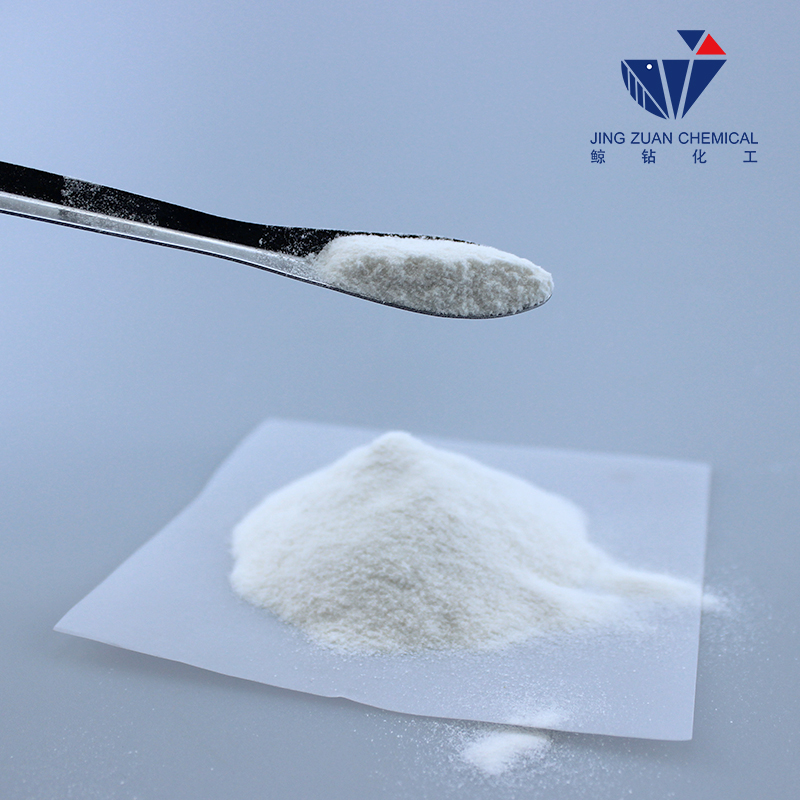
| Appearance | White to off-white powder |
How Does China HPMC Stack Up Against Global Competitors?
| Aspect | China HPMC | Europe HPMC | India HPMC |
|---|---|---|---|
| Price Competitiveness | High | Medium | Medium |
| Quality Consistency | Good to Excellent | Excellent | Good |
| Eco-certifications (e.g. ISO 14001) | Growing Adoption | Established | Limited |
| Customization Options | Wide | Medium | Medium |
| Export Volume | Very High | Moderate | Moderate |
Advantages & The Long Game With China HPMC
When people consider switching to china hpmc, it’s often about more than immediate cost savings — though that’s a big factor. It’s about the promise of reliability, scalability, and lowered environmental impact. Companies that integrate this ingredient routinely report improvements in product lifetime, lower waste streams, and adaptability to new regulatory landscapes.
There’s a subtle emotional angle too. Workers on construction sites and engineers overseeing pharmaceutical formulations trust hpmc’s consistency to deliver safe, quality outcomes. That trust builds brand respect and customer loyalty in tough markets.
Innovations Shaping the Future of China HPMC
Research labs in China have ramped up work around bio-based hpmc variants incorporating agricultural waste, intending to increase sustainability and reduce carbon footprints. Automation in manufacturing also means tighter control over viscosity grades and purity, which reduces batch-to-batch variability.
Policy shifts promote “green chemistry” principles, encouraging manufacturers to minimize petrochemical inputs. Digital transformation lets users track raw material origins and ensure compliance swiftly. It feels like china hpmc is evolving from a commodity to a smart, traceable ingredient in its own right.
Challenges & Clever Fixes
As with all industrial chemicals, china hpmc faces challenges — purity standards fluctuation due to raw material variability; supply chain bottlenecks; and pressure from international competitors pushing for cheaper, sometimes lower-quality alternatives.
Expert chemists advise coupled approaches: investing in improved raw cellulose preprocessing, adopting more precise polymerization controls, and partnering with logistics firms specializing in cold-chain handling. Such measures ensure the product remains top-tier and internationally trusted.
FAQ: Common Questions About China HPMC
- Is china hpmc suitable for pharmaceutical-grade applications?
- Yes, many Chinese manufacturers produce pharma-grade hpmc complying with USP and EP standards, suitable for controlled drug release and capsule formulation.
- How does china hpmc improve cement adhesives?
- It increases workability and water retention, preventing quick drying which causes cracks or weak bonds in tiles and masonry.
- Can china hpmc be customized to specific viscosity requirements?
- Absolutely. Manufacturers offer multiple viscosity grades, generally from 3,000 up to 100,000 mPa·s, allowing precise tailoring to industrial needs.
- Is China’s hpmc eco-friendly compared to synthetic polymers?
- Since hpmc is cellulose-based and biodegradable, it’s often more eco-friendly than petroleum-derived polymers, especially when sourced from sustainably managed forests.
- What’s the average lead time for importing china hpmc?
- Lead times vary but typically range from 2 to 6 weeks depending on quantity, destination, and logistics arrangements.
Wrapping Up: Why China HPMC Should Be on Your Radar
If you’ve stuck with me this far, you’ll know that china hpmc isn’t just a buzzword or some commodity freight floating through global trade. It’s a strategic ingredient bridging quality, cost efficiency, and sustainability in countless sectors worldwide. Whether you’re a product developer seeking reliable thickening agents or an engineer looking for better adhesives, china hpmc stands as a quietly robust choice.
Looking ahead, the shift towards greener chemistry and smarter manufacturing means that china hpmc’s value will only grow. Curious? Visit our website: https://www.cnjzchemical.com to explore the latest offerings and deepen your understanding.
-
Understanding Hydroxypropyl Methyl Cellulose MSDS Safety and Compliance
NewsApr.16,2026
-
Understanding the Hydroxypropyl Methyl Cellulose HS Code for Global Trade
NewsApr.09,2026
-
Comprehensive Guide to Hydroxypropyl Methyl Cellulose CAS Number and Applications
NewsApr.07,2026
-
Comprehensive Guide to Hydroxypropyl Methyl Cellulose cas no and its Diverse Applications
NewsApr.04,2026
-
Comprehensive Guide to Hydroxypropyl Methyl Cellulose Manufacturers and Applications
NewsMar.31,2026
-
Understanding Hydroxypropyl Methyl Cellulose Properties And Diverse Applications
NewsMar.28,2026