
Dec . 13, 2025 20:30 Back to list
Reliable HPMC Importer Services for Global Pharmaceutical & Industrial Needs
Understanding the Role of an HPMC Importer in Today’s Global Market
When you hear "HPMC importer," you might immediately think of a niche chemical product slipping quietly into industrial supply chains. Yet, behind this seemingly simple phrase lies a pivotal role in manufacturing, pharmaceuticals, construction, and even food industries worldwide. Hydroxypropyl Methylcellulose (HPMC) is not just another compound — it’s a multifunctional additive critical to many processes and products we rely on daily.
From enhancing tablet integrity in medicines to improving building material properties, HPMC’s versatility explains why connecting with a reliable hpmc importer is so crucial. Understanding this supply chain link isn’t just academic; it touches on sustainability, quality assurance, and ultimately, the economic viability of numerous global industries.
The Global Context: Why HPMC Importers Matter More Than Ever
The global market for cellulose derivatives like HPMC has been growing steadily — with an expected CAGR near 6% through 2030, according to chemical industry reports. And it’s no surprise. The pharmaceutical industry alone depends heavily on HPMC for controlled-release drug formulations and capsule coatings.
Yet sourcing HPMC isn’t straightforward. High-purity grades and specific viscosity profiles are required, demanding skilled importers who can navigate stringent international standards (think ISO certifications) and tariffs — not to mention fluctuations in supply and currency. This means an effective hpmc importer is more than just a middleman; it’s a specialist ensuring product integrity, supply reliability, and cost-effective delivery.
Globally, manufacturers in Asia dominate both production and export, while demand sees significant growth in North America, Europe, and emerging markets in Africa and South America. For companies in these places, finding trustworthy importers who understand local regulations and can provide consistent product quality is essential — especially when factors like raw material origin can affect HPMC performance drastically.
Mini takeaway:
- The global reliance on HPMC continues to expand, driven by pharmaceutical and construction sectors.
- Importers face challenges around quality control, compliance, and supply chain robustness.
What Exactly Is an HPMC Importer?
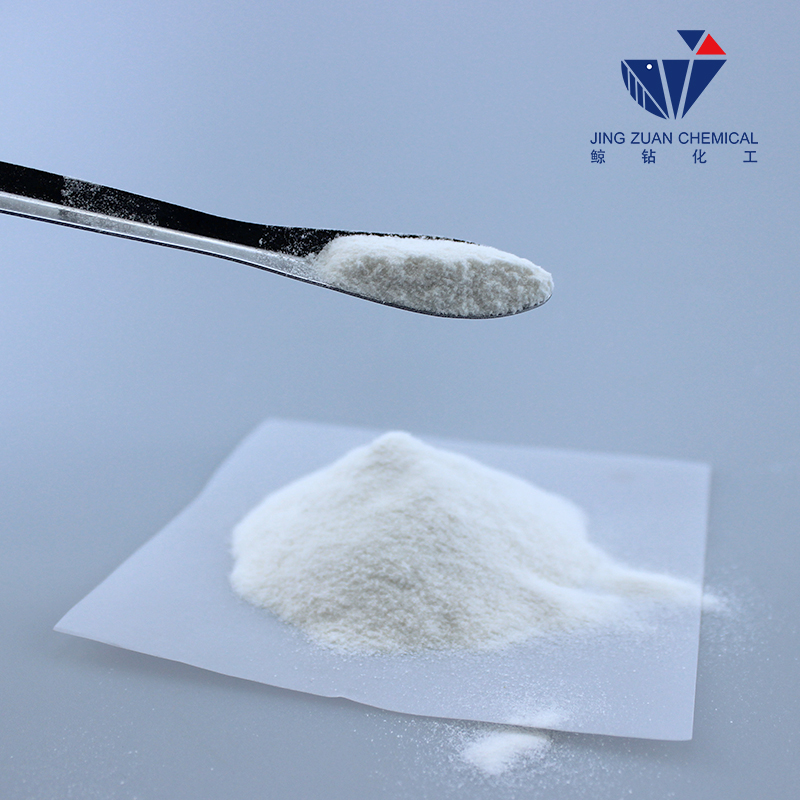
Let’s back up a bit. Hydroxypropyl Methylcellulose (HPMC) is a chemically modified cellulose polymer derived from plant fibers. It acts as a thickener, film former, binder, and emulsifier — versatile qualities that bring it into countless products from gluten-free bread to paint.
An hpmc importer is an entity — a business or distributor — that specializes in sourcing high-grade HPMC from manufacturers worldwide and supplying it to end-users or formulators in various countries. They manage everything from regulatory paperwork and customs clearance to packaging, storage, and technical support. In many ways, they are the linchpin connecting raw materials to sophisticated end-products.
On a humanitarian level, HPMC also plays a role in creating safer, more consistent pharmaceuticals, contributing to healthcare equality by enabling the production of stable medicines anywhere. This shows how even a single chemical ingredient moves beyond industry and touches lives.
Mini takeaway:
- An hpmc importer manages sourcing, logistics, and compliance handling of HPMC products internationally.
- The role extends beyond commerce — it supports industries critical to human health and infrastructure.
Core Aspects That Define an Effective HPMC Importer
1. Product Quality Assurance
Given the strict application requirements — particularly in pharma and food — importers must guarantee that the HPMC batches meet precisely defined viscosity and purity standards. Advanced testing equipment and collaboration with manufacturers ensure this.
2. Regulatory Compliance Expertise
Customs regulations, safety standards (like GMP and FDA compliance), and documentation must be meticulously handled to prevent delays or rejections. Skilled importers offer this expertise.
3. Supply Chain Reliability
Many users can’t afford interruptions. Reliable importers build strong relationships with producers and freight carriers to safeguard steady delivery chains, often offering flexible inventory options.
4. Technical Customer Support
HPMC properties can be tricky to optimize. Importers with in-depth product knowledge assist customers on formulation adjustments or troubleshooting — a real advantage for newcomers or smaller manufacturers.
5. Customized Solutions
Some users need specific HPMC grades or tailored packaging. Importers who can accommodate these niche demands add significant value, offering everything from different viscosity grades to moisture-controlled storage.
| Property | Typical Value | Notes |
|---|---|---|
| Viscosity (2% aqueous solution at 20°C) | 1000 - 4000 mPa·s | Critical for gel strength and flowability |
| Methoxy content | 19-24% | Affects solubility and film forming |
| Hydroxypropyl content | 4-12% | Determines viscosity and flexibility |
| pH (2% solution) | 5-8 | Neutral to slightly acidic |
| Loss on drying (%) | 5±2% | Impacts shelf life and storage |
Mini takeaway:
- Quality and compliance are non-negotiable; expert importers actively manage these.
- Strong customer support and customization set top-tier importers apart.
Real-World Applications and Who Benefits from HPMC Importers
HPMC’s sheer diversity means its importers serve a spectrum of industries:
- Pharmaceuticals: As a binder and coating agent, improving tablet stability and controlled release.
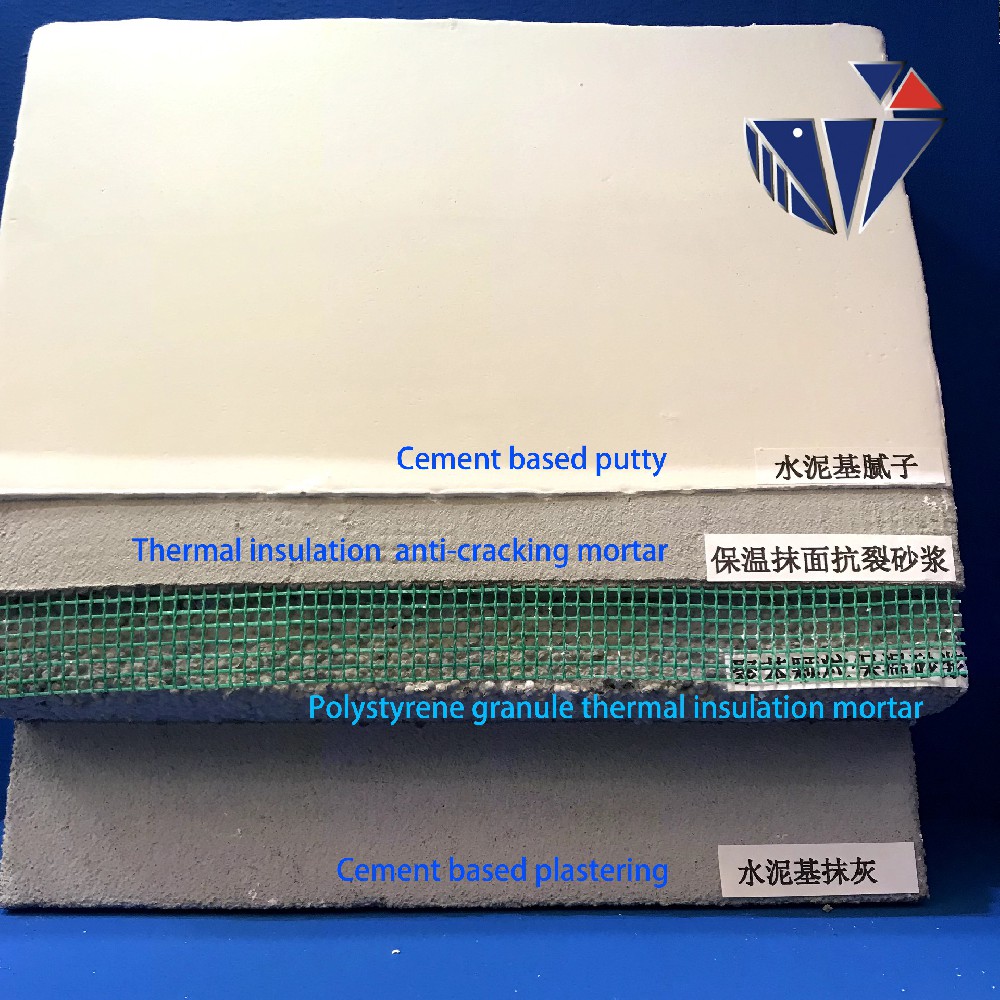
- Construction: Enhancing drywall adhesives, tile mortars, and cement-based products.
- Food industry: Acting as a gluten substitute or thickener in vegan and gluten-free products.
- Cosmetics and personal care: Thickening creams and shampoos naturally.
For example, in Southeast Asia, where construction is booming, HPMC importers streamline supply for producing durable, flexible mortars that withstand monsoon challenges. Meanwhile, European pharmaceutical firms rely on trusted importers for pharma-grade HPMC to maintain product consistency across borders.
In emergency relief scenarios, where the delivery of consistent pharmaceutical formulations is time-sensitive, dependable importers ensure that medication manufacturers have the critical raw materials available — no small feat when logistics can be so unpredictable.
Mini takeaway:
- HPMC importers operate globally, supporting diverse sectors from construction to healthcare.
- They enable solutions in both everyday markets and critical emergency contexts.
Why Working with the Right HPMC Importer Pays Off Long-Term
Choosing your HPMC supplier wisely isn’t just about price. Think durability: consistent ingredient quality prevents costly production errors and product recalls. It also means better end-products — imagine a pharmaceutical tablet that reliably dissolves at the right time for optimum absorption.
From a sustainability perspective, importers who work with ethical manufacturers and vet suppliers for green production methods help reduce environmental footprints. For manufacturers aiming at modern certification programs like ISO 14001, this alignment matters.
For many businesses, it’s also a trust issue. You want an importer who understands your industry’s pressures and adapts service accordingly — providing technical support, forecasting supply needs, and offering tailored packaging or delivery options. It’s a partnership, really.
Emerging Trends in the HPMC Importation Landscape
Looking ahead, innovation is swirling both in product and process. On the materials side, additive manufacturers are developing bio-based and ultra-pure HPMC variants with improved biodegradability and optimized performance for emerging pharmaceutical delivery systems (think targeted drugs or slow-release patches).
On the logistics front, digitization is changing how importers handle compliance and customs clearance. Blockchain tracking, real-time inventory systems, and advanced analytics help create transparency and agility — much needed as global trade remains sensitive to disruptions like pandemics or geopolitical shifts.
Vendor Comparison Table
| Feature | Importer A | Importer B | Importer C |
|---|---|---|---|
| Global Sourcing Network | Strong (Asia/EU/US) | Moderate (Asia-focused) | Wide (EU/NA/MEA) |
| Certification & Compliance | ISO 9001, FDA GMP | ISO 9001 only | ISO & REACH compliant |
| Technical Support | 24/7 Expert Line | Business hours only | Online portal access |
| Custom Packaging Options | Available | Limited | Available |
| Average Lead Time | 10 days | 15 days | 12 days |
Navigating Challenges & Finding Solutions in HPMC Importing
Even the best importers face headwinds. Supply chain interruptions—caused by pandemics, port congestions, or raw material scarcity—can unsettle delivery schedules. Quality variance between batches remains a constant risk, especially when relying on multiple manufacturers across continents.
Solutions? Many top importers invest in predictive analytics to foresee shortages, build buffer inventories, or diversify sourcing. Partnerships with manufacturers who follow stringent process controls help stabilize quality. And to smooth regulatory hurdles, some use specialized software for real-time compliance tracking.
FAQ: Common Questions About Working with an HPMC Importer
- Q: How do I verify the quality of HPMC from an importer?
A: Ask for certificates of analysis (CoAs), independent lab test results, and compliance documentation like ISO or FDA certifications. A reputable importer should provide these readily. - Q: Can an importer supply custom HPMC grades?
A: Many importers have flexible partnerships with manufacturers to deliver grades matching specific viscosity or purity needs, and often offer varied packaging sizes. - Q: What is the typical lead time for ordering HPMC internationally?
A: Depending on shipping origin and customs, lead times range from 7 to 15 days. Some importers maintain stock near key markets to shorten delivery. - Q: How important is importer technical support?
A: Very important. Proper guidance on product handling or formulating with HPMC can save costly guesswork and improve end results. Look for importers offering technical consultancy. - Q: Are there environmental concerns with importing HPMC?
A: Since HPMC is plant-based and biodegradable, the environmental focus is largely on production and transportation impacts. Select importers aligned with green logistics policies for better sustainability.
Wrapping Up: The Lasting Value of Partnering with a Knowledgeable HPMC Importer
In truth, the significance of the hpmc importer often stays behind the scenes, but it forms the backbone of many industries we take for granted. Proper sourcing, honored standards, reliable delivery—these translate into better medicines, stronger buildings, and innovative foods in our daily lives.
If your operations hinge on HPMC supply, investing time in finding the right importer pays dividends in product quality, regulatory ease, and operational peace of mind.
Thinking about where to start? Visit our website for trusted partnerships and expert guidance. Just the first step to a smoother supply journey.
References
-
Understanding Hydroxypropyl Methyl Cellulose MSDS Safety and Compliance
NewsApr.16,2026
-
Understanding the Hydroxypropyl Methyl Cellulose HS Code for Global Trade
NewsApr.09,2026
-
Comprehensive Guide to Hydroxypropyl Methyl Cellulose CAS Number and Applications
NewsApr.07,2026
-
Comprehensive Guide to Hydroxypropyl Methyl Cellulose cas no and its Diverse Applications
NewsApr.04,2026
-
Comprehensive Guide to Hydroxypropyl Methyl Cellulose Manufacturers and Applications
NewsMar.31,2026
-
Understanding Hydroxypropyl Methyl Cellulose Properties And Diverse Applications
NewsMar.28,2026