
Dec . 13, 2025 18:15 Back to list
Comprehensive Guide to HPMC Applications: Uses, Benefits, and Trends
Unlocking the Power of HPMC Applications: Why They Matter Today
Hydroxypropyl Methylcellulose, or HPMC applications, might not be the kind of topic you bring up at a dinner party — but they absolutely deserve a spot on your radar. In a world increasingly obsessed with durability, sustainability, and cost efficiency, HPMC stands out as a versatile polymer that quietly underpins everything from construction to pharmaceuticals. Understanding HPMC applications is important globally because it addresses pressing challenges—think climate resilience, safer drug delivery, and eco-friendly building solutions. So, whether you’re an industry professional or simply curious about modern materials shaping our future, here’s a friendly deep-dive into why HPMC truly matters, its main uses, and what’s ahead.
Introduction: The Worldwide Relevance of HPMC Applications
Believe it or not, the global market for HPMC is booming. Recent reports from ISO and the World Bank underscore growing demand across Asia-Pacific, Europe, and North America, with applications spanning from construction mortars to controlled-release pharmaceuticals.
Why? Because industries all over are grappling with the dual challenge of improving performance while reducing environmental impact. For example, the construction sector contributes roughly 39% of global CO₂ emissions according to the UN Environment Programme, pushing researchers and manufacturers to seek additives like HPMC that improve durability and reduce waste.
At the same time, pharmaceutical companies are always hunting for excipients that stabilize drugs and optimize release profiles, especially in emerging markets where supply chains can be tenuous. HPMC has quietly emerged as a go-to candidate that ticks a lot of those boxes.
What Exactly Are HPMC Applications?
In simple terms, HPMC applications refer to the diverse ways this non-ionic cellulose ether polymer is used across industries. HPMC is derived by chemically modifying cellulose, the naturally abundant polymer found in plant cell walls, into a water-soluble, biodegradable material with excellent thickening, film-forming, and gelling properties.
Technically speaking, it’s the “helper ingredient” that improves formulation, whether in a cement mix where it enhances workability and prevents cracking, or in a tablet’s coating that controls drug release. Its versatility comes from its unique physicochemical traits—viscosity control, moisture retention, and binding capability—that are highly prized for modern industry and humanitarian efforts.
Core Components That Define HPMC Applications
1. Durability and Workability
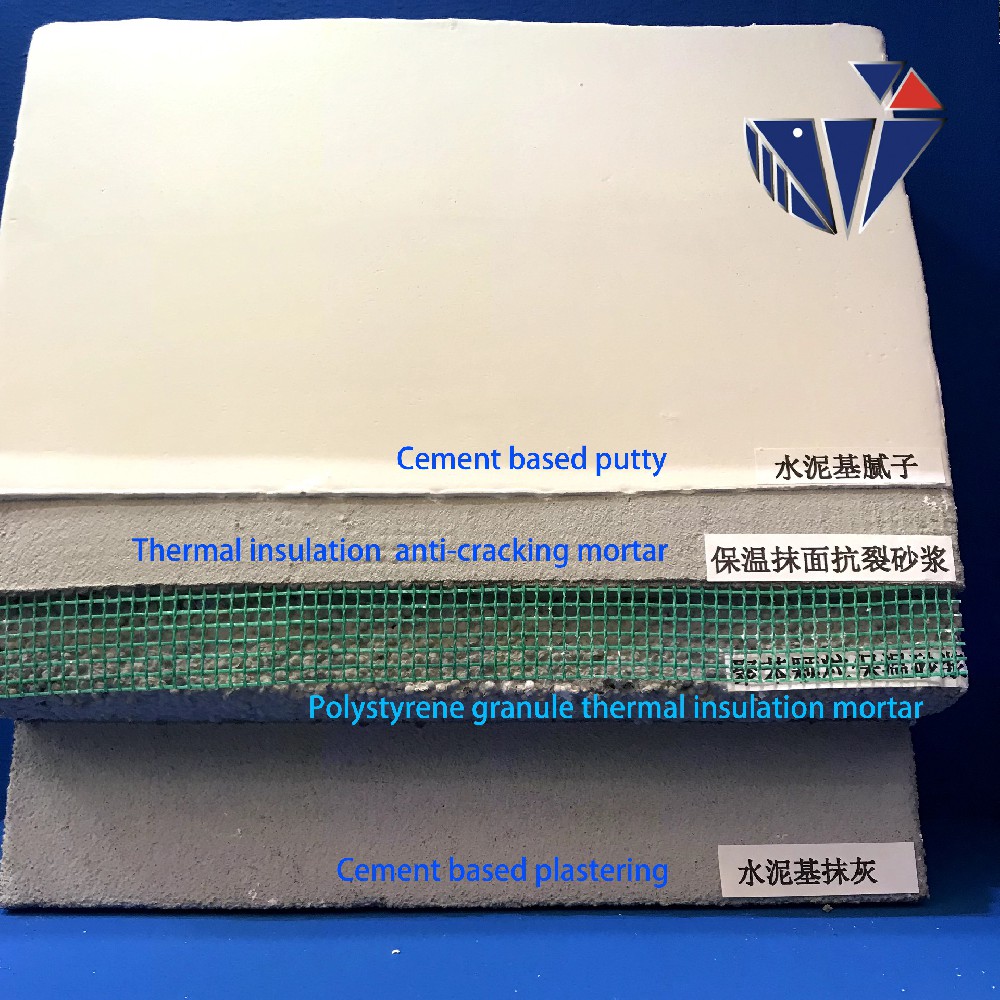
When you mix cement or gypsum with HPMC, it significantly improves water retention and consistency, enhancing the mortar’s durability. Builders rely on this to ensure better adhesion and longer-lasting structures with less cracking—vital in climates with extreme temperature swings.
2. Controlled Release in Pharmaceuticals
HPMC’s film-forming and gel properties allow it to control the release of active pharmaceutical ingredients (APIs). This means patients get sustained drug delivery, improving efficacy and safety.
3. Cost Efficiency
One of HPMC’s most appealing features is its relatively low cost compared to synthetic polymers offering similar benefits. This keeps formulations affordable—crucial for large-scale construction projects or generic drug manufacturing.
4. Environmental Friendliness
Derived from renewable cellulose and biodegradable, HPMC helps reduce reliance on petroleum-based additives. It aligns with global sustainability goals, pushing industries toward greener alternatives.
5. Ease of Integration
Thanks to its non-ionic nature, HPMC blends well with a range of other materials and chemicals without causing incompatibility. This makes it a perfect candidate across sectors that require precise formulation control.
Mini takeaway: HPMC is not just an ingredient; it’s part of a design philosophy that emphasizes smarter, cleaner, and more reliable products.
From Construction to Cosmetics: Where HPMC Applications Shine Globally
HPMC’s charm lies in its remarkable versatility, which translates to broad global usage:
- Construction: In Asia and Europe, HPMC is a staple for dry-mix mortars, tile adhesives, and plasters. The Middle East’s booming infrastructure projects benefit from its water retention properties, which enable better curing in arid climates.
- Pharmaceuticals: Used worldwide, especially in generic drug production in India and China, it boosts tablet stability and controlled release.
- Food Industry: In regions with strict food safety regulations, like North America and the EU, HPMC serves as a thickener and emulsifier.
- Personal Care: The cosmetic industry utilizes HPMC for its gelling and moisturizing benefits in lotions and shampoos.
Take disaster recovery efforts in Pacific Island nations: lightweight HPMC-enhanced cementitious materials simplify rapid rebuilding after cyclones—a vivid example of innovation meeting urgency.
The Advantages and Long-Term Value of Using HPMC
Let’s be honest – a company picks HPMC applications not just because they’re functional but because of what they mean in the bigger picture:
- Cost Savings: Reduced material wastage and improved workability lessen labor and material expenses.
- Sustainability: Biodegradability and renewable sourcing help lower carbon footprints.
- Enhanced User Safety: Non-toxic and stable, HPMC reduces risks both in manufacturing and end-use.
- Innovation Catalyst: Its capability to fine-tune viscosity and film qualities fuels new product designs.
- Social Impact: Supporting affordable housing and accessible medicines fosters dignity and stability.
Spec Table: Typical HPMC Product Specifications
| Property | Typical Value | Unit |
|---|---|---|
| Methoxy Content | 19–24 | % (w/w) |
| Hydroxypropoxy Content | 4–12 | % (w/w) |
| Viscosity (2% solution) | 100–4000 | mPa·s |
| pH of 2% Solution | 5.0–8.0 | – |
| Ash Content | % (w/w) |
Comparing Top HPMC Vendors: Who’s Leading the Market?
| Vendor | Product Variety | Sustainability Credentials | Global Reach | Price Competitiveness |
|---|---|---|---|---|
| Company A | Wide (100+ grades) | ISO 14001 Certified | 75+ countries | Mid-range |
| Company B | Moderate (40–60 grades) | Uses renewable energy | Asia-focused | Competitive |
| Company C | Limited (15–25 grades) | In progress | Europe & Americas | Higher-end |
What’s Next for HPMC? Emerging Trends to Watch
The future of HPMC applications looks pretty exciting (even if a bit complex). Advances in green chemistry are pushing manufacturers toward bio-based, energy-efficient production methods. Simultaneously, digital tools like AI-driven formulation simulations are optimizing HPMC usage in everything from personal care to industrial adhesives.
There’s also a rising focus on combining HPMC with nanomaterials and other functional polymers to improve mechanical properties and introduce smart features like self-healing or antimicrobial action—opening doors for next-gen building materials.
Challenges Along the Way — and How to Overcome Them
Of course, it’s not all smooth sailing. Some users find batch-to-batch viscosity variability frustrating. Additionally, optimal performance requires precise control over solution pH and temperature, which complicates large-scale mixing. Supply chain disruptions can also impact materials sourced from plantations or cellulose producers.
Yet, these are actively being tackled via better quality control protocols, real-time monitoring technology, and diversifying sourcing strategies. Manufacturers and users collaborating closely ensure HPMC stays reliable—a reminder that innovation is as much about relationships as raw chemistry.
Frequently Asked Questions About HPMC Applications
- What industries benefit most from HPMC applications?
- Construction, pharmaceuticals, food, and personal care sectors are the primary beneficiaries, all leveraging HPMC’s thickening, binding, and film-forming properties to improve their products' performance and sustainability.
- Is HPMC eco-friendly compared to synthetic polymers?
- Yes. Because HPMC is derived from natural cellulose and is biodegradable, it’s considered more environmentally friendly than many petroleum-based alternatives, aligning well with industry sustainability goals.
- How does HPMC improve dry-mix mortar performance?
- HPMC enhances water retention, workability, and adhesion in mortars, leading to less cracking, easier application, and longer-lasting structures, especially in challenging environments.
- Can HPMC applications help reduce pharmaceutical production costs?
- Absolutely. By stabilizing drug formulations and allowing controlled release, HPMC helps manufacturers cut down on waste, improve shelf life, and thus reduce overall production and distribution costs.
- Where can I learn more about specialized HPMC grades for high-end applications?
- Specialized grades information is typically available through manufacturers’ technical datasheets, and you can visit reputable sites such as hpmc applications to explore tailored solutions.
Wrapping It Up: Why HPMC Applications Deserve Your Attention
So, to sum up: Hydroxypropyl Methylcellulose applications are quietly running many industries’ engines today, providing a unique mix of versatility, sustainability, and cost-effectiveness. They’re helping to solve critical global problems—from safer medicine to greener construction—while opening pathways for fresh innovation. If you’re in manufacturing, engineering, or supply chain management, it’s worth diving deeper into the evolving opportunities around HPMC. Trust me, it feels like the kind of material to keep your eye on as the green and digital transformation marches forward.
For more insights and product details, don’t hesitate to check out hpmc applications — your gateway to next-gen cellulose ethers.
References:
-
Understanding Hydroxypropyl Methyl Cellulose MSDS Safety and Compliance
NewsApr.16,2026
-
Understanding the Hydroxypropyl Methyl Cellulose HS Code for Global Trade
NewsApr.09,2026
-
Comprehensive Guide to Hydroxypropyl Methyl Cellulose CAS Number and Applications
NewsApr.07,2026
-
Comprehensive Guide to Hydroxypropyl Methyl Cellulose cas no and its Diverse Applications
NewsApr.04,2026
-
Comprehensive Guide to Hydroxypropyl Methyl Cellulose Manufacturers and Applications
NewsMar.31,2026
-
Understanding Hydroxypropyl Methyl Cellulose Properties And Diverse Applications
NewsMar.28,2026