
Dec . 13, 2025 17:15 Back to list
Understanding HEC vs HPMC: Key Differences & Industry Applications
Understanding HEC vs HPMC: Why This Comparison Matters in Today’s Industry
At first glance, HEC vs HPMC might look like just a niche technical debate—or acronyms tossed around in a materials lab. But in reality, these two cellulose derivatives sit at the crossroads of global industries ranging from construction and pharmaceuticals to personal care products. Understanding what sets hydroxyethyl cellulose (HEC) apart from hydroxypropyl methylcellulose (HPMC), and more importantly, when to choose which, can ripple benefits far beyond the lab bench. Think durability, sustainability, cost-efficiency, and innovation all bundled into seemingly simple additives.
In an age where smart materials and eco-conscious manufacturing are more than buzzwords, knowing your HEC from your HPMC is a practical advantage. Globally, the cellulose ethers market is expected to hit USD 3 billion by 2025, according to Statista; driven by applications in adhesives, coatings, and food industries. So, making informed decisions between these polymers isn’t just a technical curiosity—it can impact supply chains, environmental footprints, and product success worldwide.
The Global Context: Why HEC vs HPMC is More than Just Chemistry
To appreciate the practical side of hec vs hpmc, consider global challenges in sustainable materials: the construction sector, which accounts for roughly 39% of carbon emissions worldwide (UN Environment Programme), desperately seeks alternatives that enhance material properties without raising environmental costs. Both HEC and HPMC have taken center stage as water-retention agents, thickeners, and stabilizers that improve the efficiency and lifespan of building materials.
But it’s not limited to construction. The pharmaceutical and cosmetic industries rely on these cellulose ethers for their non-toxic, biodegradable nature—qualities critical amid tightening international regulations like REACH in Europe and FDA approvals globally. Identifying whether HEC or HPMC fits best means aligning with standards, costs, and consumer expectations.
Yet challenges linger: Where does one draw the line between performance and price? Which material offers the scalability needed for growing markets in Asia, Africa, and Latin America? These questions underscore why a detailed hec vs hpmc comparison is timely.
Defining HEC and HPMC in Plain Terms
Hydroxyethyl cellulose (HEC) and hydroxypropyl methylcellulose (HPMC) are both derivatives of cellulose, nature’s most abundant polymer from plant cell walls. The difference lies in their chemical substitutions—HEC has hydroxyethyl groups, while HPMC has both hydroxypropyl and methyl groups. These subtle changes affect properties like solubility, thermal stability, and viscosity.
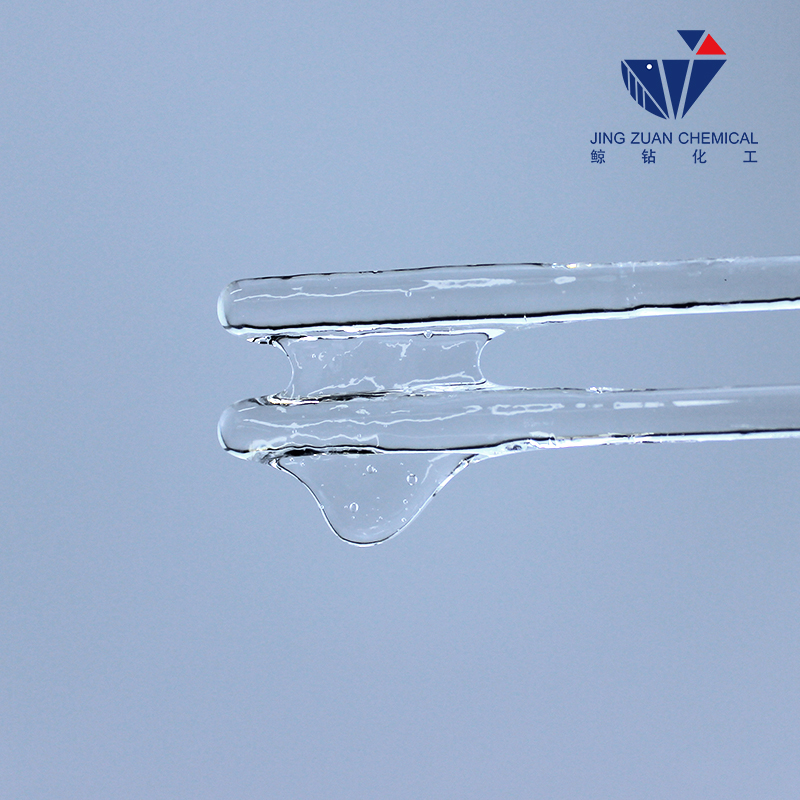
Simply put: HEC dissolves well in cold water and forms clear gels, making it popular as a thickener and binder. HPMC is more versatile under different temperatures, often used as a film former, emulsifier, or controlled release agent in pharmaceuticals. Both are water-soluble, non-toxic, and biodegradable, aligning with many modern industry needs.
Key Factors to Consider When Comparing HEC vs HPMC
1. Solubility and Viscosity
HEC is known for excellent water solubility at room temperature and can yield higher viscosities at lower concentrations. HPMC, while also water-soluble, has a unique property of forming gels upon heating, which can be useful in controlled release formulations or as rheology modifiers at higher temperatures.
2. Thermal Stability
HPMC withstands higher temperatures without degradation compared to HEC, which tends to break down more easily under heat. This makes HPMC favorable for applications like cement stabilization in hot climates or pharmaceutical coatings that require thermal processing.
3. Film-Forming Properties
One advantage of HPMC is its superior film-forming ability, key in tablets and cosmetic layers. HEC’s films are more brittle by comparison, limiting its utility where flexible coatings are required.
4. Cost Efficiency
Generally, HEC is less expensive due to simpler synthesis, making it attractive for large-volume industrial uses where cost is a primary concern. HPMC is more costly but justifiable where advanced functionality is needed.
5. Compatibility and Application Specificity
HEC is often preferred in oil drilling fluids and paints because it enhances water retention and suspension. HPMC finds a niche in pharmaceuticals and food because of its biocompatibility and controlled release traits.
Mini Takeaway:
Choosing between HEC and HPMC depends heavily on the application's thermal, solubility, and mechanical requirements, along with budget considerations.
Applications That Showcase the Value of HEC vs HPMC Globally
Across continents and sectors, these cellulose ethers power diverse products and projects:
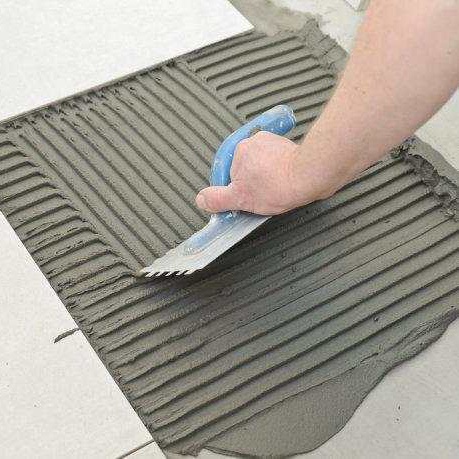
- Construction: In the Middle East and Asia, HPMC is favored for tile adhesives and plasters due to its heat resistance and workability; meanwhile, HEC often finds use in cement and mortar formulation in Europe and North America.
- Pharmaceuticals: Globally, HPMC is a mainstay in tablet coatings and controlled-release formulations because of its stability and safety.
- Personal Care and Cosmetics: Both cellulose ethers improve texture and stability in lotions and shampoos worldwide, though HPMC’s film-forming function occasionally tips the scales.
- Oil & Gas: HEC modifies drilling mud to suspend solids and retain water in drilling processes, especially in rough terrains like Russia or Canada.
In post-disaster relief, for example, fast-setting mortars fortified with HPMC help rebuild infrastructure quickly, preserving community resilience.
Product Specification Table: Typical Properties of HEC and HPMC
| Property | HEC | HPMC |
|---|---|---|
| Solubility | Cold water, clear solution | Cold water, gels on heating |
| Thermal Stability | Moderate (degrades ~180°C) | High (stable up to 200°C) |
| Viscosity Range | 100 – 2,500 mPa·s | 100 – 4,000 mPa·s |
| Film Formation | Yes, brittle | Yes, flexible |
| pH Stability | 4 - 11 | 3 - 11 |
| Typical Applications | Paint, drilling fluids, detergents | Pharmaceuticals, construction, food |
Comparing Vendors: Choosing the Right Supplier for HEC and HPMC
| Vendor | Product Range | Quality Certifications | Global Reach | Pricing Level |
|---|---|---|---|---|
| Supplier A | HEC & HPMC, wide viscosity grades | ISO 9001, FDA approved | Worldwide (Americas, APAC, EMEA) | Mid |
| Supplier B | Specialized HPMC grades for pharma | GMP certified, ISO 13485 | Europe, North America focus | High |
| Supplier C | HEC mainly, bulk industrial | ISO 9001, REACH compliant | Asia, Africa growing markets | Low |
Advantages and Long-Term Value of Choosing Between HEC and HPMC
From a practical standpoint, these cellulose derivatives offer substantial cost savings by improving product quality and enabling prolonged material lifetimes. HEC’s affordability and thickening power make projects feasible at large scale—think of cement additives extending workability during transport. HPMC’s thermal and film-forming advantages translate into innovation in drug delivery and eco-friendly packaging.
Beyond logic, there's an emotional layer—reliability means less downtime; sustainability means a cleaner planet; innovation sparks trust with end-users and clients. Oftentimes engineers cherish dependable materials like these because they "just work" consistently.
Future Trends and Innovations in HEC and HPMC Use
Oddly enough, these classic cellulose ethers are quietly evolving amidst the digital transformation wave. Integration with green chemistry principles, use in nanocomposite biofilms, and automation in production are trending. Researchers are exploring HPMC’s potential as enhanced biodegradable carriers for personalized medicine, while HEC is being tweaked for ultra-high viscosity grades with reclaimed resources.
The push for sustainability means that as regulations tighten (e.g., ISO 14001 environmental standards), both HEC and HPMC manufacturers will need to innovate further toward lower carbon footprints and less waste—all good news for consumers and planet alike.
Common Challenges and How Industry Tackles Them
Despite advantages, HEC and HPMC are not silver bullets. Thermal degradation, batch consistency, or compatibility issues sometimes arise—especially in complex formulations. Also, supply chain disruptions can drive price volatility.
Experts advise rigorous raw material testing, partnering with certified suppliers, and investing in R&D to tailor cellulose ethers for niche uses. Digital simulation of polymer behavior helps reduce costly trial-and-error in formulation design.
FAQ: Frequently Asked Questions About HEC vs HPMC
Q1: What is the main difference between HEC and HPMC in construction?
A1: HEC is primarily used as a thickener and water retention agent in cement and plaster, offering cost efficiency and ease of use. HPMC provides better thermal stability and film formation, which benefits tile adhesives and mortars exposed to varying temperatures.
Q2: Can HPMC be used in pharmaceutical tablets?
A2: Absolutely. HPMC’s film-forming and controlled-release properties make it a top choice for tablet coatings and sustained drug delivery systems, meeting strict regulatory and safety standards.
Q3: Is HEC more eco-friendly than HPMC?
A3: Both are biodegradable and derived from cellulose, making them relatively eco-friendly. The environmental impact depends more on manufacturing processes and sourcing; however, HEC’s simpler synthesis can sometimes offer a smaller carbon footprint.
Q4: How do I decide which supplier to choose for HEC or HPMC?
A4: Assess supplier certifications (ISO, FDA, GMP), product range, pricing, and delivery capabilities. Large projects may require a global reach supplier, while pharma applications need strict quality controls.
Q5: Can I blend HEC and HPMC for specialized uses?
A5: Yes, formulations occasionally combine both to balance viscosity, thermal tolerance, and film properties, but blending requires expert formulation and testing.
Conclusion: Making Sense of HEC vs HPMC for Your Next Project
Ultimately, the hec vs hpmc question isn’t about choosing a winner, but about matching material features to project needs, environmental goals, and budgets. Whether you’re an engineer optimizing industrial paints or a pharmaceutical scientist designing tablet films, these cellulose ethers offer versatile, reliable options that are here to stay—and evolve.
Explore more about their roles and optimal uses on our site: https://www.cnjzchemical.com and keep this comparison handy for your next material decisions.
References:
-
Understanding Hydroxypropyl Methyl Cellulose MSDS Safety and Compliance
NewsApr.16,2026
-
Understanding the Hydroxypropyl Methyl Cellulose HS Code for Global Trade
NewsApr.09,2026
-
Comprehensive Guide to Hydroxypropyl Methyl Cellulose CAS Number and Applications
NewsApr.07,2026
-
Comprehensive Guide to Hydroxypropyl Methyl Cellulose cas no and its Diverse Applications
NewsApr.04,2026
-
Comprehensive Guide to Hydroxypropyl Methyl Cellulose Manufacturers and Applications
NewsMar.31,2026
-
Understanding Hydroxypropyl Methyl Cellulose Properties And Diverse Applications
NewsMar.28,2026