
Jan . 28, 2026 11:40 Back to list
Comprehensive Guide to China HPMC Properties Applications and Sourcing Strategies
Understanding China HPMC: A Comprehensive Guide
Hydroxymethylcellulose (HPMC) is a versatile cellulose ether widely used across numerous industries, from construction and pharmaceuticals to food and cosmetics. China has emerged as a major global producer and exporter of HPMC, offering a range of grades to meet diverse application requirements. This article provides an in-depth look at China HPMC, its properties, applications, quality considerations, and sourcing strategies. Whether you are a formulator, manufacturer, or distributor, understanding the nuances of China HPMC is crucial for success.
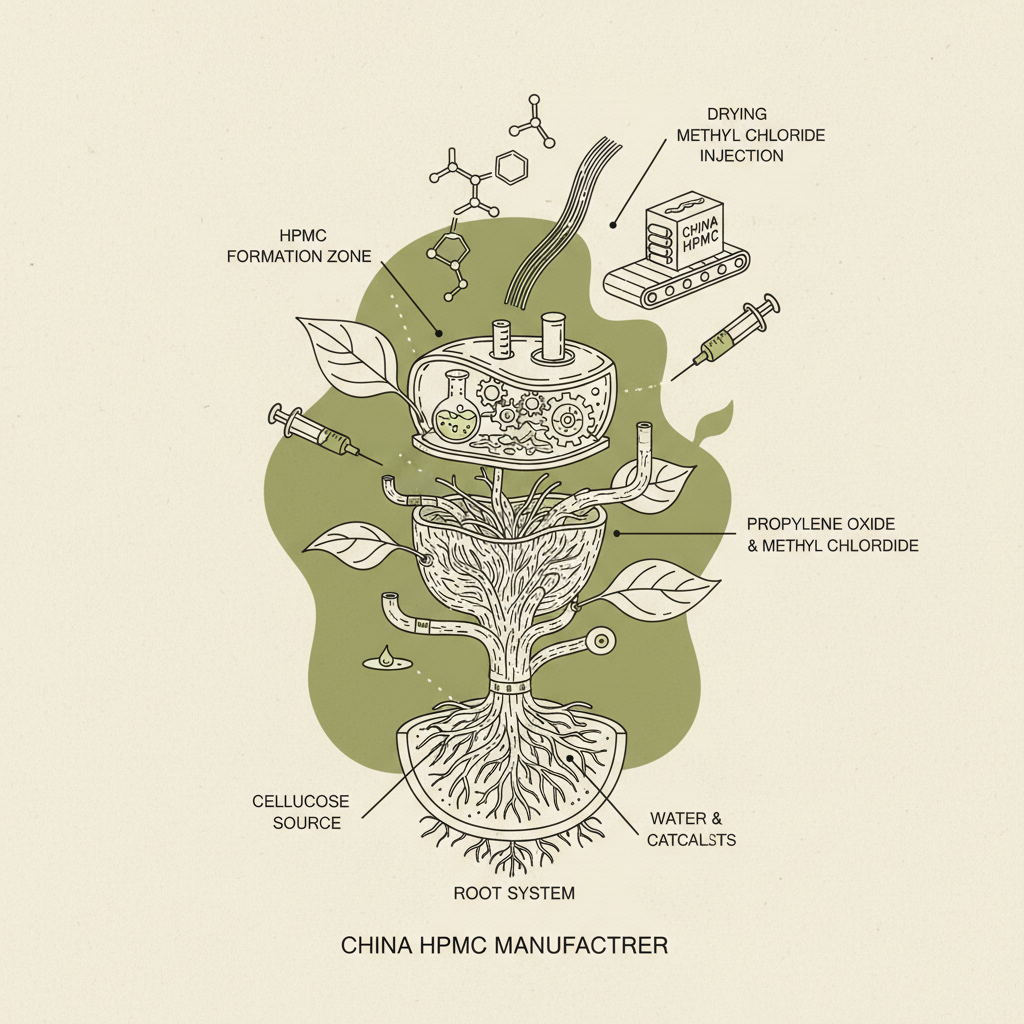
What is HPMC and Why is China a Key Producer?
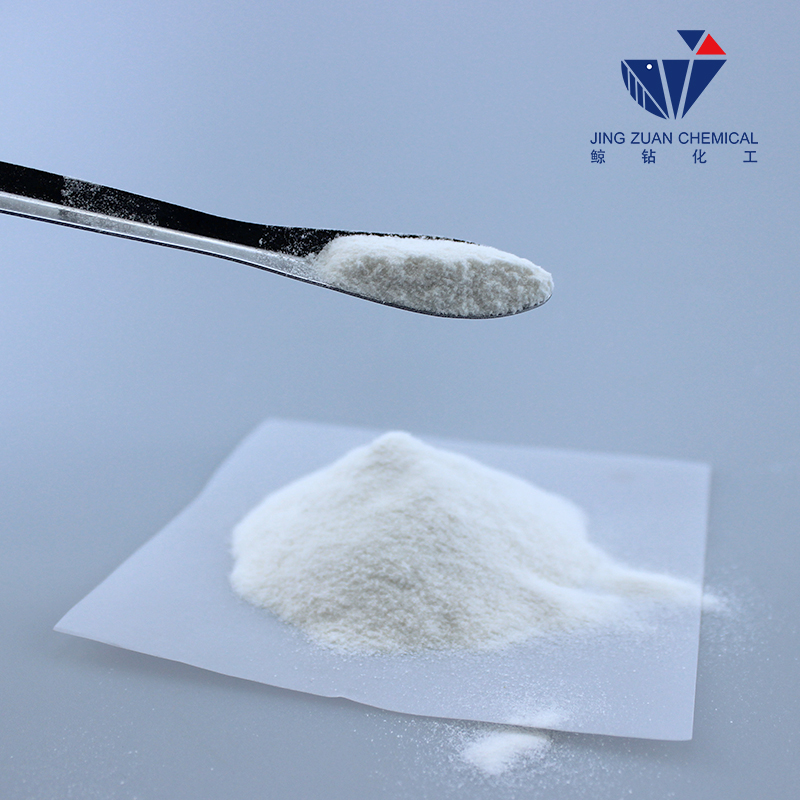
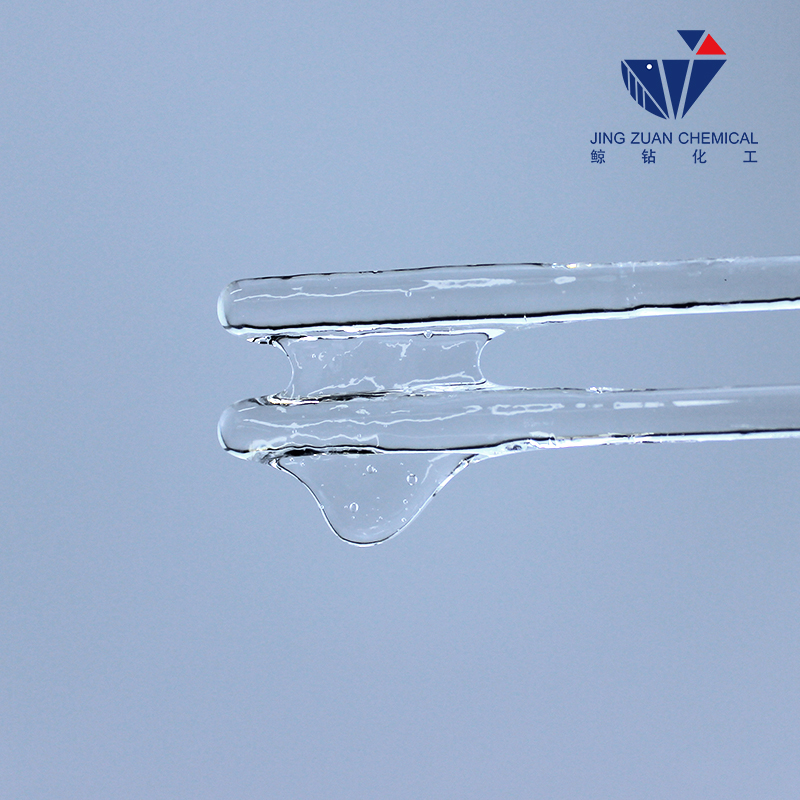
HPMC is a non-ionic, water-soluble polymer derived from cellulose. Its key properties include thickening, binding, film-forming, suspension, and surface activity. These characteristics make it invaluable in various applications. China's dominance in HPMC production stems from several factors: substantial cellulose resources, advanced manufacturing capabilities, competitive labor costs, and a robust chemical industry infrastructure. This allows Chinese manufacturers to offer HPMC at competitive prices while maintaining a significant production capacity to meet global demand. CNJZ Chemical is a leading example of a high-quality HPMC producer based in China.
Key Advantages of China HPMC: Competitive pricing, large production capacity, diverse range of grades, and readily available supply.
Applications of China HPMC Across Industries
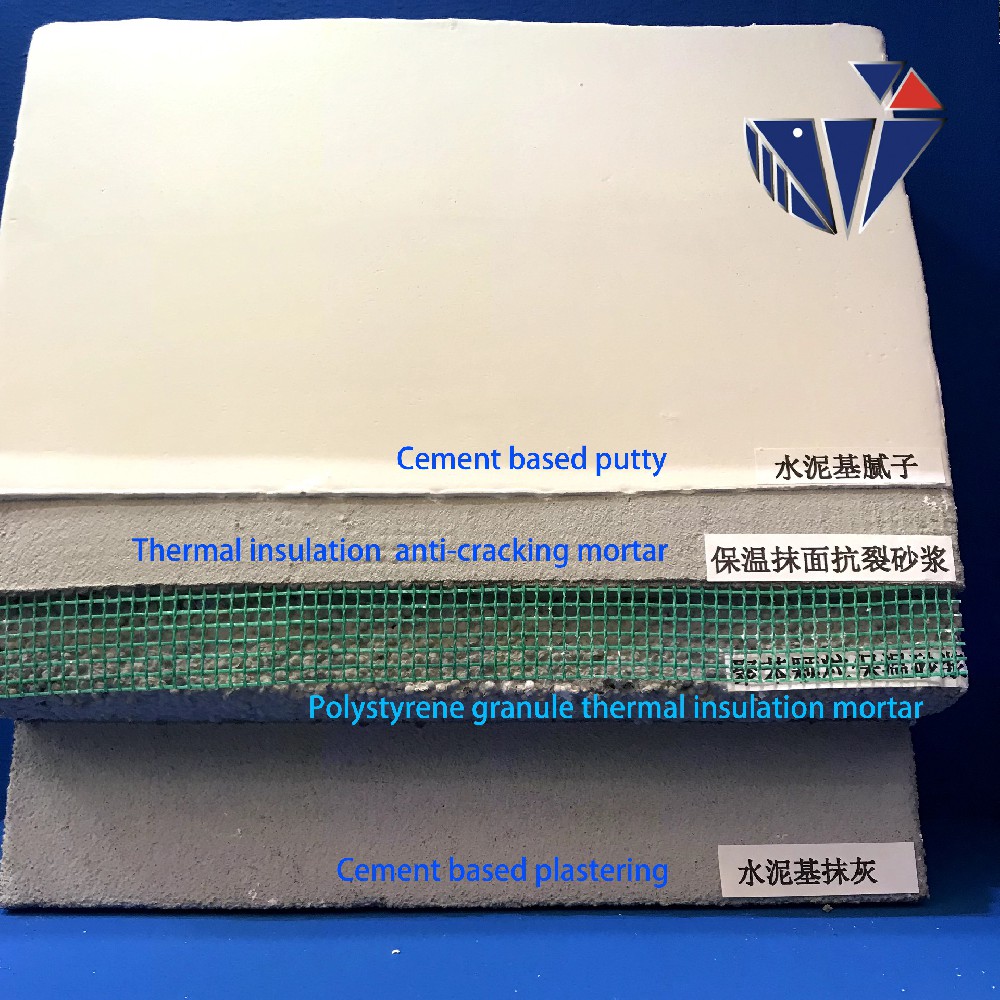
The versatility of HPMC makes it a crucial ingredient in a wide spectrum of industries. In construction, it’s used in cement-based products, tile adhesives, and self-leveling compounds to improve workability, water retention, and adhesion. The pharmaceutical industry utilizes HPMC as a binder, film-coating agent, and controlled-release matrix. In the food sector, it serves as a thickener, stabilizer, and emulsifier in sauces, desserts, and baked goods. Cosmetic applications include its use as a stabilizer, film-former, and viscosity modifier in creams, lotions, and shampoos. The diverse needs of these industries drive demand for different HPMC grades, highlighting the importance of choosing the right supplier like CNJZ Chemical.
Key Application Areas:
• Construction: Tile adhesives, cement mortars, self-leveling compounds
• Pharmaceuticals: Tablet coating, controlled-release formulations
• Food: Sauces, desserts, baked goods
• Cosmetics: Creams, lotions, shampoos
China HPMC Grades and Their Specific Properties
China HPMC is available in a range of grades, distinguished by viscosity, particle size, and degree of substitution (DS). Viscosity determines the thickening power of the HPMC, impacting its performance in various applications. Particle size influences dissolution rate and texture. DS affects water solubility and gelation properties. Selecting the appropriate grade is critical for achieving optimal results. Common grades include 20000, 60000, 90000, and 120000 cps, each suited for different applications. For instance, lower viscosity grades are often used in coatings, while higher viscosity grades are preferred for construction materials.
Quality Control and Sourcing from China HPMC Manufacturers
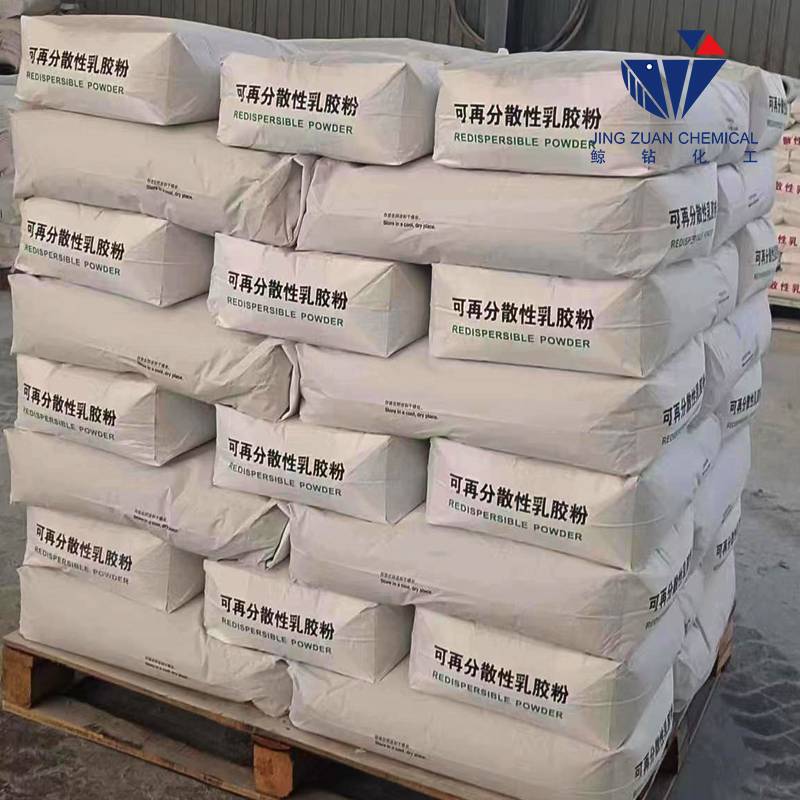
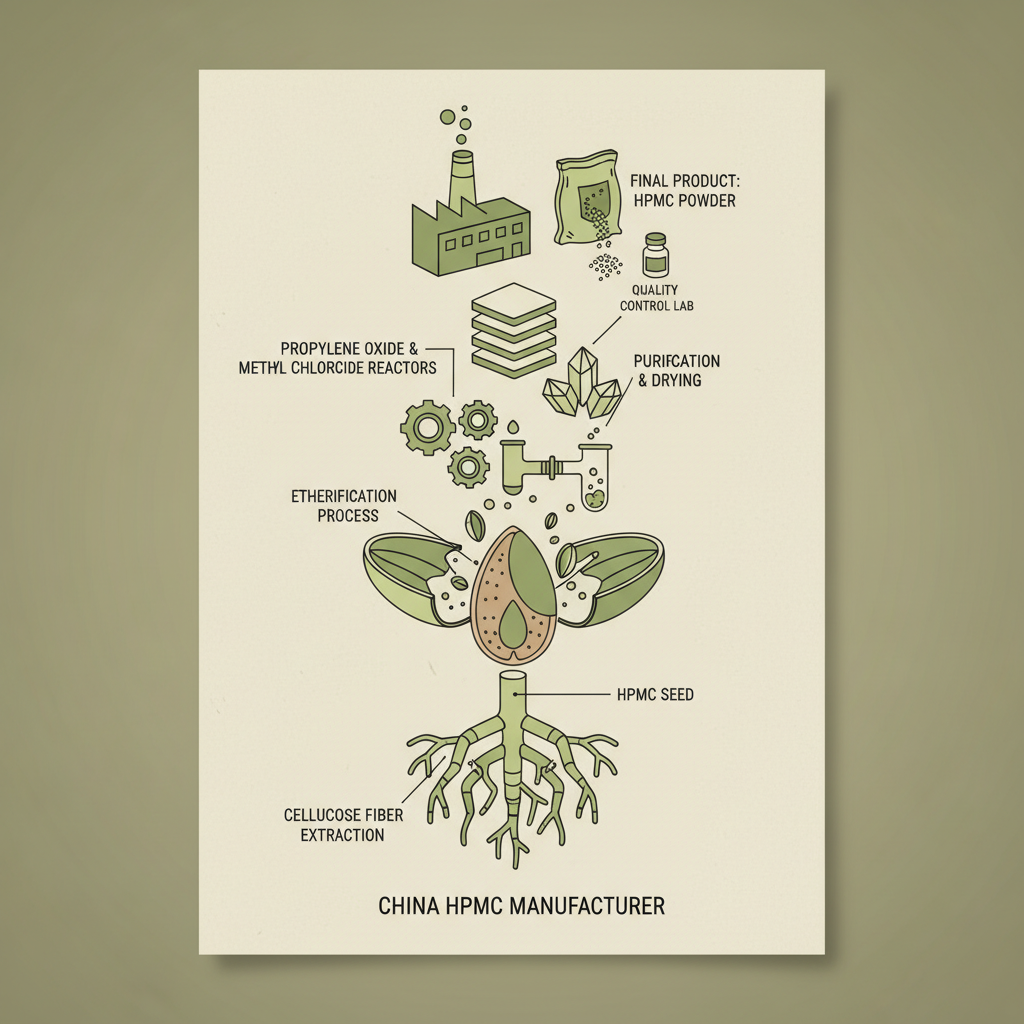
Ensuring the quality of China HPMC is paramount. Look for manufacturers with ISO 9001 certification and robust quality control procedures. Key parameters to verify include viscosity, moisture content, ash content, and heavy metal levels. Requesting a Certificate of Analysis (COA) with each shipment is essential. Working with a reputable supplier like CNJZ Chemical who prioritizes quality and offers comprehensive technical support, can mitigate risks and ensure consistent product performance. Consider factors like lead times, minimum order quantities, and shipping options when choosing a supplier.
Future Trends and Market Outlook for China HPMC
The global HPMC market is projected to continue growing, driven by increasing demand from the construction, pharmaceutical, and food industries. Innovation in HPMC modification and customization will likely be a key trend, with manufacturers developing specialized grades tailored for specific applications. China will remain a dominant force in the HPMC market, with ongoing investments in production capacity and technological advancements. Sustainability is also gaining importance, with manufacturers exploring eco-friendly production processes and bio-based alternatives. Staying informed about these trends will be vital for businesses relying on China HPMC.
Conclusion: Navigating the China HPMC Landscape
China HPMC offers a compelling combination of quality, cost-effectiveness, and availability. By understanding the different grades, quality control measures, and market trends, businesses can leverage the benefits of this versatile polymer. Partnering with a reliable supplier like CNJZ Chemical is key to ensuring consistent product performance and supply chain reliability.
Frequently Asked Questions (FAQs)
What is the shelf life of HPMC?
Typically, HPMC has a shelf life of 2-3 years when stored in a cool, dry place, away from direct sunlight. Proper storage is crucial to prevent degradation. Exposure to moisture can lead to clumping and loss of functionality. It’s best to follow the manufacturer’s recommendations regarding storage conditions and shelf life. Check the packaging for specific expiration dates. Consistent temperature and humidity control are vital for maximizing shelf life.
How does the degree of substitution (DS) affect HPMC properties?
The degree of substitution (DS) refers to the average number of hydroxyl groups on the cellulose molecule that have been replaced with hydroxymethyl groups. A higher DS generally leads to increased water solubility and reduced gelation temperature. It also impacts the HPMC's thickening efficiency and compatibility with other ingredients. Understanding the DS is critical for selecting the right grade for specific applications, particularly in pharmaceutical formulations and food processing.
What are the key certifications to look for when sourcing China HPMC?
ISO 9001 certification demonstrates the manufacturer's commitment to quality management systems. Halal and Kosher certifications are important for food and pharmaceutical applications. A Certificate of Analysis (COA) for each batch is essential for verifying product specifications. Additionally, look for manufacturers who comply with relevant environmental regulations and sustainable manufacturing practices.
Are there any potential challenges when importing HPMC from China?
Potential challenges include fluctuating prices due to raw material costs and market demand, logistical disruptions, and quality control concerns. Working with a reputable supplier, conducting thorough due diligence, and establishing clear communication channels can mitigate these risks. Understanding import regulations and tariffs is also crucial for a smooth import process.
-
Understanding Hydroxypropyl Methyl Cellulose MSDS Safety and Compliance
NewsApr.16,2026
-
Understanding the Hydroxypropyl Methyl Cellulose HS Code for Global Trade
NewsApr.09,2026
-
Comprehensive Guide to Hydroxypropyl Methyl Cellulose CAS Number and Applications
NewsApr.07,2026
-
Comprehensive Guide to Hydroxypropyl Methyl Cellulose cas no and its Diverse Applications
NewsApr.04,2026
-
Comprehensive Guide to Hydroxypropyl Methyl Cellulose Manufacturers and Applications
NewsMar.31,2026
-
Understanding Hydroxypropyl Methyl Cellulose Properties And Diverse Applications
NewsMar.28,2026