
Dec . 01, 2025 03:50 Back to list
Comprehensive Guide to Choosing a China HPMC Factory for Industrial Applications
Understanding the Role of a China HPMC Factory in Today’s Industrial Landscape
Before diving in, let’s clarify what a china HPMC factory really means — it’s one of those words floating around the industrial corridors, but why does it matter beyond China’s borders? At its core, these factories produce Hydroxypropyl Methylcellulose (HPMC), a versatile chemical additive widely used in construction, pharmaceuticals, and even food industries. The global market is buzzing with this because HPMC impacts everything from plastering quality in mega-projects to drug-delivery systems for patients worldwide. Globally speaking, as urbanization leaps forward, and industries push for more sustainable materials, understanding how a china HPMC factory operates gives us insight into supply chain resilience and product quality. Plus, for businesses sourcing these materials, knowing the nuts and bolts means better budgeting, compliance, and innovation on the factory floor. It’s not just chemistry; it’s a linchpin in modern manufacturing.Why the Global Industry Watches China HPMC Factories Closely
China is responsible for a vast chunk of the world’s HPMC output — estimates suggest over 60% of global manufactured volume comes from Chinese producers. According to the International Energy Agency and industry reports, the construction sector’s demand for additives like HPMC has surged by nearly 15% annually over the past five years. The stakes are high: poor-quality HPMC could lead to structural failures or subpar pharmaceutical products, which in turn affect millions. A key challenge is balancing rapid production with rigorous quality control and environmental standards. China’s factories are racing to scale output while innovating cleaner production techniques. The ripple effects of this are felt across continents: from infrastructure projects in Africa to pharmaceutical plants in Europe and North America.Defining a China HPMC Factory: What Does It Do?
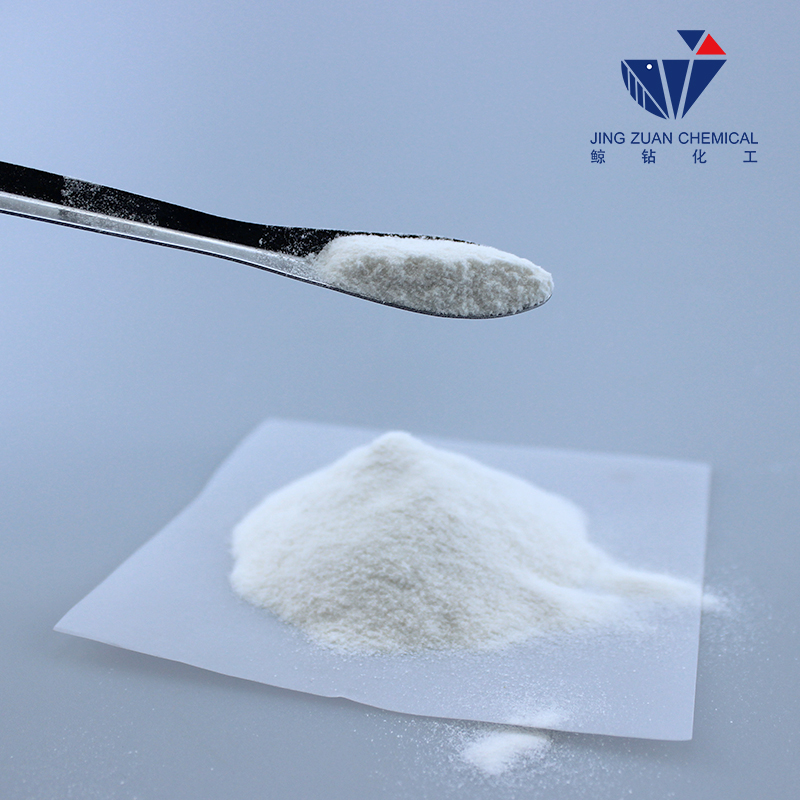
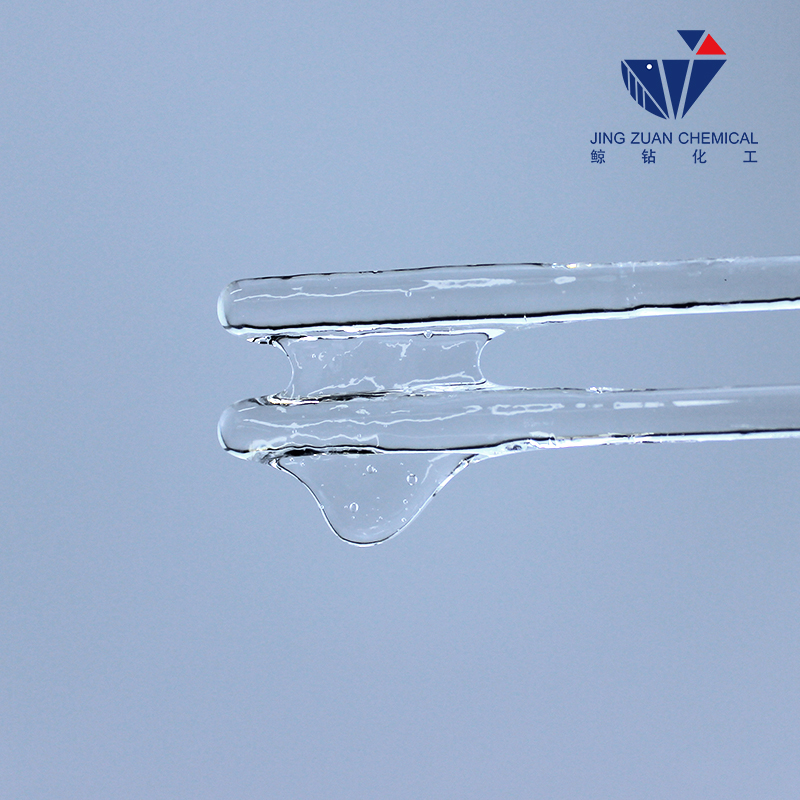
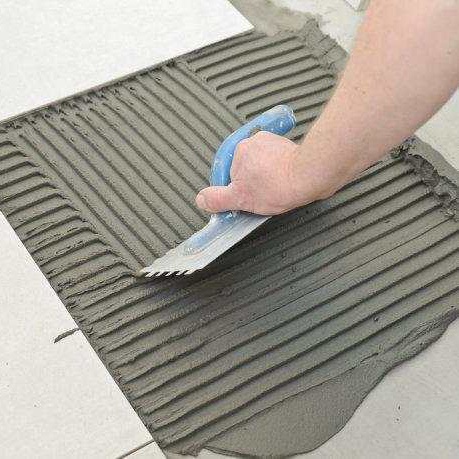
Simply put, a china HPMC factory is a manufacturing site specializing in hydroxypropyl methylcellulose — a cellulose derivative created by chemically modifying plant fibers (usually wood pulp or cotton). This powdery substance dissolves in water and can thicken or stabilize mixtures, which is critical in numerous industries. One might not realize it, but this factory’s output contributes heavily to “modern essentials.” For example, it helps create adhesives that bond tiles more effectively or keeps medicines stable in tablet form. Humanitarian organizations may also rely indirectly on this chemical for making better building materials in fast-deploy shelters after natural disasters.Core Components That Make High-Quality HPMC Products
1. Purity of Raw Materials
The cellulose source must be clean and free from contaminants to maintain product consistency. Chinese factories often cultivate partnerships with pulp suppliers to ensure quality control starts right at the root.2. Chemical Modification Process
The way hydroxyl groups are substituted affects solubility and viscosity. Fine-tuning this step results in variations tailored for different applications — a pharma-grade HPMC is refined differently than one meant for drywall.3. Particle Size and Distribution
Uniform particle size leads to easier processing downstream. When powder granules are too coarse or fine, it can change the mix characteristics unexpectedly.4. Environmental Compliance
With increasing green policies, factories must minimize VOC emissions and wastewater pollution during production. Some have invested in closed-loop water systems, which is encouraging.5. Production Capacity and Scalability
Top factories can scale production quickly without sacrificing quality. This flexibility is pivotal during sudden raw material shortages or spikes in demand — like pandemic-related pharmaceutical surges.
Mini takeaway: The HPMC production process isn’t just chemistry labs — it’s a tightly controlled industrial ballet ensuring that what ends up in your tile adhesive or drug is precisely what’s needed.
Where Does China HPMC Find Its Place in the World? Global Applications & Use Cases
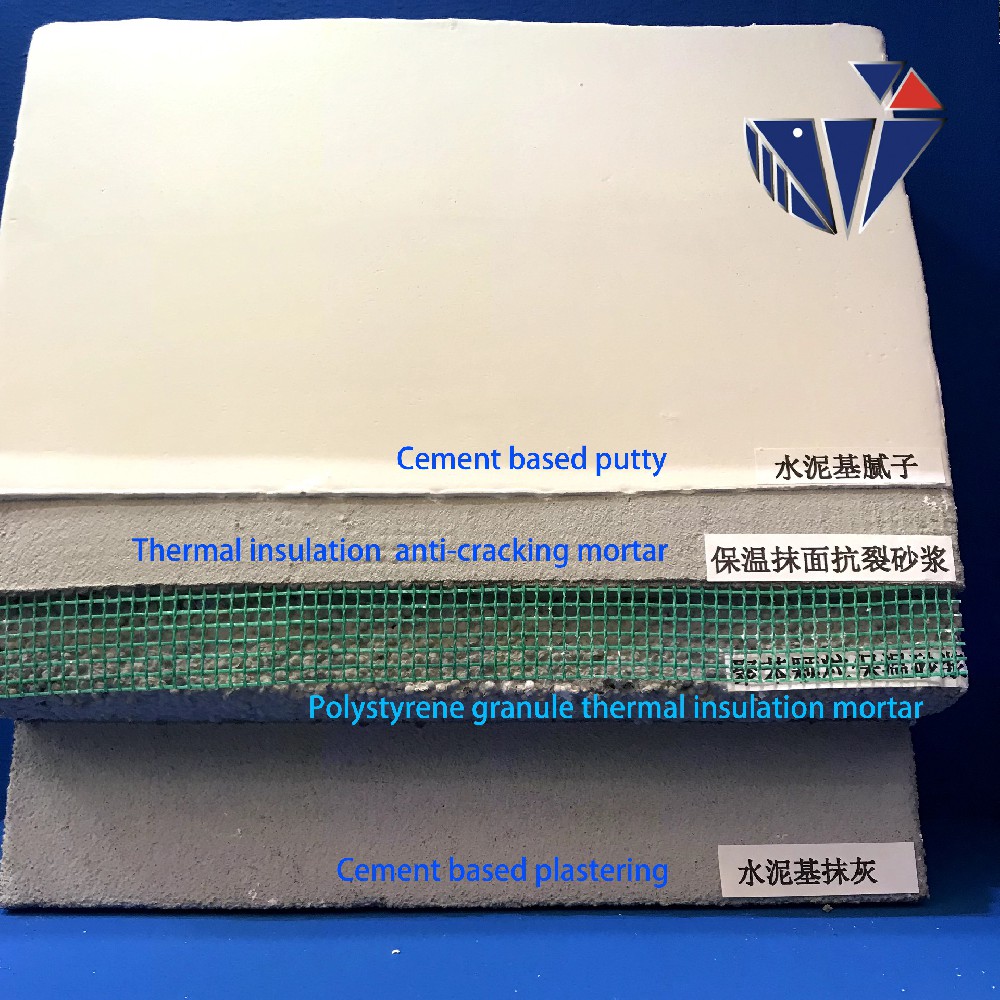
HPMC derived from China’s factories fuels projects and products worldwide: - Construction Industry: Acts as a stabilizer and water retention agent in drywall, plaster, and cement. This improves workability and finished wall durability. - Pharmaceuticals: Used as a binder and coating agent in tablets, controlling the release rate of medication. Manufacturers in Europe and the US rely heavily on Chinese HPMC for cost-effective supply. - Food Processing: Serves as a thickener and emulsifier. Many Chinese exports go into food products consumed across Asia and beyond. - Cosmetics & Personal Care: Adds texture and moisture retention in creams and lotions. Consider disaster relief operations: In remote regions struck by earthquakes, fast-curing, strong plaster reinforced with HPMC expedites the reconstruction of temporary shelters. NGOs sourcing from trusted china HPMC factories ensure they’re getting reliable material, preserving safety and efficiency.Advantages and Long-Term Value of Choosing a China HPMC Factory Partner
Real talk: cost efficiency is only part of the story. Beyond competitive pricing, these factories often bring: - Consistent Quality: Larger Chinese producers have adopted ISO certifications and internal quality controls rivaling Western counterparts. - Customization Flexibility: They offer custom viscosity ranges and chemical properties tailored to client needs — not just a one-size-fits-all bulk product. - Sustainability Focus: Investments in greener processes mean lower environmental footprints for global supply chains — a priority increasingly demanded by governments and end users. From a social perspective, relying on these factories helps stabilize employment in various Chinese industrial hubs, supporting communities and innovation networks — a ripple effect you rarely think about.Subtle Innovations and Trends Shaping China HPMC Factories’ Future
Automation and AI control systems are becoming common, reducing human error and boosting output precision. Meanwhile, research into bio-based feedstocks aims to further reduce reliance on wood pulp, promoting sustainable sourcing. Also, “smart” HPMC formulations incorporating nano-materials could soon provide enhanced performance attributes (think self-healing coatings). Some companies are piloting digital tracking of product batches for quality and authenticity confirmation — a safeguard against counterfeit chemicals flooding the market.Common Challenges Faced & How the Industry Is Responding
While growth is robust, several challenges persist: - Environmental Regulations: Some plants lag behind in emission controls. However, collaboration with international partners drives upgrades. - Supply Chain Risks: Recent raw material shortages and geopolitical tensions have led factories to diversify suppliers and increase inventories. - Customer Trust: Overcoming skepticism around quality requires transparent documentation and third-party audits — practices many producers now embrace.Product Specification Table: Typical China HPMC Factory Output
| Specification | Typical Range | Purpose |
|---|---|---|
| Methoxy Content (%) | 19 – 24 | Controls solubility & viscosity |
| Hydroxypropyl (%) | 4 – 12 | Improves water retention |
| Viscosity (mPa.s) | 1000 – 50000 | Application dependent |
| Appearance | White to off-white powder | Freshness check |
| Moisture Content (%) | Prevents clumping |
Comparing Leading China HPMC Vendors: A Snapshot
| Vendor | Capacity (tons/yr) | ISO Certified | Export Regions | Specialties |
|---|---|---|---|---|
| JZ Chemical Group | 12,000+ | ISO 9001, ISO 14001 | Asia, Europe, Americas | Pharma-grade, Eco-friendly lines |
| HPMC Tech Ltd. | 7,500 | ISO 9001 | Asia, Middle East | Custom viscosity, Bulk supply |
| GreenPolychem | 5,000 | ISO 9001, ISO 45001 | Europe, Americas | Sustainable sourcing focus |
FAQs: Your Top Questions About China HPMC Factory
- Q: How does a china HPMC factory ensure consistent product quality?
A: Leading factories implement multi-stage quality control checks—from raw material inspection, in-process testing, to final product evaluation—often aligned with ISO standards. Automation and batch traceability tools further reduce variability. - Q: What industries benefit most from Chinese HPMC?
A: While construction and pharmaceuticals are primary consumers, food, personal care, oil well drilling, and even printing inks utilize HPMC from China due to the cost-performance balance. - Q: Is importing HPMC from China subject to regulatory restrictions?
A: It depends on the importing country’s chemical safety and pharma guidelines. Often, Chinese factories provide certification to ease customs clearance. Partnering with experienced exporters simplifies compliance. - Q: Can HPMC products be customized for specific applications?
A: Absolutely. Manufacturers tailor viscosity, substitution levels, and particle sizes based on client requirements, which is a distinct advantage of sourcing from flexible Chinese suppliers. - Q: How is sustainability addressed in current China HPMC production?
A: Many factories have adopted cleaner production techniques, waste recycling, and greener raw material sourcing—though progress varies. Sustainability audits and certifications are becoming more common.
Wrapping Up: Why Investing in a China HPMC Factory Makes Sense
To sum it all up, china HPMC factories stand at the crossroads of tradition and innovation. They are quietly powering industries worldwide by delivering reliable, cost-effective, and increasingly sustainable products. For businesses looking for a combination of quality, scale, and customization, these factories remain compelling partners. I encourage you to explore their offerings and discover how partnering with a china hpmc factory can enhance your supply chain resilience — whether in construction projects, pharmaceuticals, or beyond. ---References
Latest news
-
Understanding Hydroxypropyl Methyl Cellulose MSDS Safety and Compliance
NewsApr.16,2026
-
Understanding the Hydroxypropyl Methyl Cellulose HS Code for Global Trade
NewsApr.09,2026
-
Comprehensive Guide to Hydroxypropyl Methyl Cellulose CAS Number and Applications
NewsApr.07,2026
-
Comprehensive Guide to Hydroxypropyl Methyl Cellulose cas no and its Diverse Applications
NewsApr.04,2026
-
Comprehensive Guide to Hydroxypropyl Methyl Cellulose Manufacturers and Applications
NewsMar.31,2026
-
Understanding Hydroxypropyl Methyl Cellulose Properties And Diverse Applications
NewsMar.28,2026
Related PRODUCTS