
Dec . 01, 2025 02:15 Back to list
Understanding the Chemical Structure of HPMC and Its Global Applications
The Chemical Structure of HPMC: Why It Matters Worldwide
When we talk about the chemical structure of HPMC, we’re diving into a subtle, intricate world of molecules that directly affects industries as diverse as pharmaceuticals, construction, and food processing. Hydroxypropyl methylcellulose (HPMC) — a mouthful I like to shorten — might sound niche, but its role in modern manufacturing and product formulation is huge.
Globally, the demand for versatile, non-toxic, and sustainable polymers is surging. HPMC fits right in. Understanding its chemical structure isn’t just academic — it unlocks pathways to improved product durability, user safety, and environmental compatibility. Simply put, knowing what makes HPMC tick at the molecular level can transform how and where we use it.
Mini takeaway: Grasping the chemical nuances of HPMC empowers industries to innovate smarter, safer, and greener products worldwide.
Putting It in Context: Why the Chemical Structure of HPMC Is a Global Concern
According to Wikipedia and several ISO standards related to cellulose ethers, HPMC is a chemically modified cellulose ether that has found worldwide application. The global cellulose ethers market size reached billions of USD recently, driven mostly by the construction and pharmaceutical sectors.
But why all this fuss? Well, the world faces mounting pressure to reduce harmful additives, enhance product lifespans, and improve sustainability. HPMC’s molecular design — namely its hydrophilic and hydrophobic balance — allows it to perform as a binder, thickener, and film former without toxic residues. For example, in developing nations where pharmaceutical purity is critical but resources are limited, HPMC-based formulations improve drug effectiveness and shelf life.
Still, some challenges linger — ensuring consistent performance across climatic zones or scaling production cost-effectively. Understanding HPMC’s chemical structure is the first step toward addressing these global hurdles.
Defining the Chemical Structure of HPMC in Simple Terms
At its core, HPMC or hydroxypropyl methylcellulose is a cellulose derivative. Picture long chains of glucose units — that’s cellulose — and now imagine those chains modified by chemical groups like hydroxypropyl and methyl. These substitutions tailor the polymer’s solubility, viscosity, and thermal behavior.
In practical terms, HPMC’s chemical structure means it can suck up water and swell without dissolving instantly. This makes it ideal for controlled-release tablets, flexible construction adhesives, or even gluten-free baking. It’s like adding a bit of molecular magic to an otherwise rigid, natural polymer.
For a slightly deeper dive into the molecular layout, check out this chemical structure of hpmc resource.
Core Components Shaping HPMC’s Utility
1. Degree of Substitution (DS)
The DS refers to how many hydroxyl groups on cellulose are replaced by methyl and hydroxypropyl groups. This parameter dictates solubility and gelation behavior. Higher DS often means better solubility but less gel strength.
2. Molecular Weight
Think of molecular weight as chain length. Longer chains usually boost viscosity and film formation, which is crucial in coatings or cement admixtures.
3. Hydrophilicity vs Hydrophobicity
HPMC balances water-loving and water-repelling parts thanks to its chemical substitutions, giving it unique swelling without dissolving too fast, perfect for controlled release or stable films.
4. Thermal Stability
This polymer can withstand moderate heat without degrading — a definite plus in construction materials exposed to varying climates.
5. Non-toxicity and Biocompatibility
Because it's derived from cellulose and modified without toxic agents, HPMC is safe for use in medicine and food product coatings, serving humanitarian needs with minimal environmental footprint.
Mini takeaway: These chemical aspects intertwine to make HPMC versatile and reliable in quite a range of fields.
How Is the Chemical Structure of HPMC Used Worldwide?
Real-world use cases for HPMC span continents and industries. Here’s a quick snapshot:
- Pharmaceuticals: In India and China, major drug manufacturers rely on HPMC as a film coat and controlled-release agent, thanks to its molecular predictability.
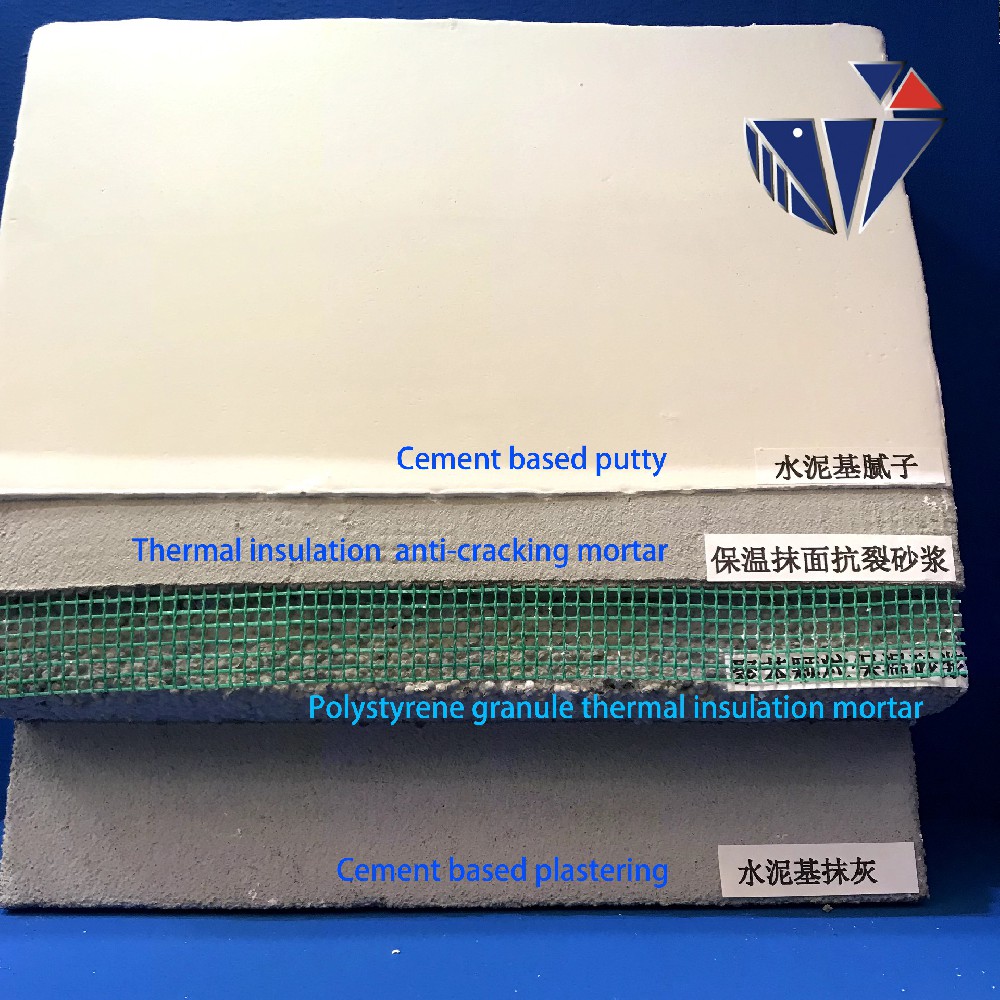
- Construction: European and North American firms use HPMC to improve mortar workability and adhesion, all thanks to its water retention and viscosity properties linked to its chemical makeup.
- Food Industry: In Japan and South Korea, HPMC acts as a fat substitute and stabilizer for gluten-free products, facilitating better textures.
- Personal Care: Cosmetic products worldwide benefit from HPMC’s thickening effects, thanks to its chemically engineered consistency.
- Post-Disaster Relief: Emergency shelters sometimes utilize HPMC-based materials to create flexible, lightweight coatings, especially where transport limitations require quick, reliable solutions.
Mini takeaway: The chemical structure enables a chameleon-like ability to cross industry lines and geographies.
Breaking Down Advantages and Long-Term Value
Why does the chemistry of HPMC matter for sustainability, cost, or social impact? Here are a few takeaways:
- Cost Efficiency: Its chemical makeup allows for easy processing and less waste — which means manufacturers save money and resources.
- Sustainability: Biodegradable and derived from renewable cellulose sources, HPMC’s structure helps keep pollutant load low compared to synthetic polymers.
- Reliability: Consistent molecular composition translates to predictable performance, reducing batch failure especially in critical applications like medicine.
- Safety & Trust: FDA approvals hinge on chemical purity — a big win for companies placing consumer health front and center.
Oddly enough, knowing the intricate chemistry behind HPMC can evoke confidence and trust — it’s like peeking under the hood and realizing the engine is well-tuned.
Product Specifications: Typical HPMC Grades
| Parameter | Typical Range | Impact |
|---|---|---|
| Molecular Weight (Da) | 80,000 – 150,000 | Viscosity; film forming |
| Degree of Substitution | 1.4 – 2.0 | Solubility, thickening |
| Hydroxypropyl Content (%) | 4 – 12 | Water retention |
| Viscosity (2% in water, cps) | 100 – 10,000 | Thickness; stability |
| pH (1% solution) | 5.5 – 8.0 | Chemical stability |
Comparing Leading HPMC Vendors
| Vendor | Typical Grades | Price Range (USD/kg) | Primary Applications | Lead Time |
|---|---|---|---|---|
| Company A | Standard, High Viscosity | 4–6 | Construction, Pharma | 2-3 weeks |
| Vendor B | Food Grade, Low Viscosity | 5–7 | Food, Personal Care | 1-2 weeks |
| Supplier C | Specialty, High Purity | 7–9 | Pharma, High-End Cosmetics | 3-4 weeks |
Looking Ahead: Innovations in HPMC Chemistry
Technology seldom stands still, and neither does HPMC development. The growing focus is on greener modification methods that reduce solvent use and energy consumption. Also, nano-engineering HPMC particles to improve performance or combine with smart release mechanisms in drugs is underway.
Digital transformation impacts production, with AI-assisted tweaking of substitution patterns to tailor properties precisely (imagine custom polymers on demand). Plus, regulatory moves worldwide are pushing for even stricter purity and environmental standards, which keeps producers on their toes.
In construction materials, combining HPMC with bio-based additives hints at fully sustainable binding agents. Kind of exciting to think this old cellulose derivative might play a part in future green buildings.
Common Challenges and How Experts Are Solving Them
Despite its versatility, HPMC isn't perfect. Variability in raw cellulose sources can cause inconsistency. Also, controlling the degree of substitution with precision at scale is tricky.
Manufacturers are adopting sophisticated inline monitoring technologies and better purification systems. Plus, cross-disciplinary research combining polymer chemistry with process engineering is smoothing out issues.
In field applications, especially in hot or humid climates, degradation can occur — requiring formulation tweaks or protective additives. It’s a push-pull dance between chemistry and environment.
FAQ: Frequently Asked Questions About the Chemical Structure of HPMC
- Q: How does the chemical structure of HPMC influence its use in pharmaceuticals?
- A: The presence of hydroxypropyl and methyl groups in HPMC modifies its solubility and viscosity, making it ideal as a controlled-release agent or tablet binder. This ensures medicines dissolve at the right pace for optimal absorption.
- Q: Can HPMC work effectively in extreme climates?
- While HPMC has good thermal stability, extreme heat or moisture can affect its performance. Formulators often adjust chemical substitutions or add stabilizers to maintain functionality in such environments.
- Q: Is HPMC biodegradable, and does its chemical structure affect this?
- Yes, HPMC is biodegradable because it is derived from natural cellulose. However, chemical substitutions slow degradation slightly compared to pure cellulose, which is beneficial for controlled use in products.
- Q: What are typical industries that benefit most from understanding HPMC's chemical structure?
- Pharmaceuticals, construction, food processing, and personal care notably benefit. Knowing the chemical structure helps tailor HPMC grades for viscosity, solubility, and safety requirements in these fields.
- Q: Where can I find detailed molecular information about HPMC?
- Technical databases and suppliers’ datasheets provide detailed structures. Reputable resources include chemical structure of hpmc portals and scientific publications.
Wrapping It Up: The Last Word on the Chemical Structure of HPMC
Frankly, understanding the chemical structure of HPMC is more than a chemistry exercise — it’s a gateway to sustainability, innovation, and global progress in multiple industries. From enabling safer medicines to greener building materials, this cellulose derivative quietly underpins a lot of what we take for granted in daily life.
If you’re curious to explore further or want tailored solutions based on HPMC chemistry, feel free to visit our website: https://www.cnjzchemical.com. The future of smarter, safer polymers starts with knowledge, after all.
References:
-
Understanding Hydroxypropyl Methyl Cellulose MSDS Safety and Compliance
NewsApr.16,2026
-
Understanding the Hydroxypropyl Methyl Cellulose HS Code for Global Trade
NewsApr.09,2026
-
Comprehensive Guide to Hydroxypropyl Methyl Cellulose CAS Number and Applications
NewsApr.07,2026
-
Comprehensive Guide to Hydroxypropyl Methyl Cellulose cas no and its Diverse Applications
NewsApr.04,2026
-
Comprehensive Guide to Hydroxypropyl Methyl Cellulose Manufacturers and Applications
NewsMar.31,2026
-
Understanding Hydroxypropyl Methyl Cellulose Properties And Diverse Applications
NewsMar.28,2026