
Dec . 01, 2025 13:30 Back to list
Comprehensive Guide to HPMC 200000: Applications, Advantages, and Future Trends
Understanding HPMC 200000: A Key Player in Modern Industry
If you’re curious about the chemical ingredients that silently turbocharge so many industries worldwide, HPMC 200000 is one to know about. Though it sounds like some kind of obscure code, HPMC 200000 is actually a high-performance variant of hydroxypropyl methylcellulose, a polymer that’s widely used from construction to pharmaceuticals. Its importance resonates globally because this compound can improve product stability, create environmentally friendly formulations, and even support humanitarian relief efforts.
In real terms, understanding HPMC 200000 means grasping a part of the invisible backbone that holds together countless products and processes — from smooth paints to long-lasting cement. Plus, as industries face rising pressure to be sustainable and efficient, materials like HPMC 200000 come into their own as both cost-effective and eco-conscious allies.
Introduction: Why HPMC 200000 Matters Worldwide
The use of hydroxypropyl methylcellulose (HPMC) polymers is growing fast. According to the Wikipedia entry, these compounds are renowned for their thickening, emulsifying, and film-forming properties. HPMC 200000, with its specific molecular weight and viscosity rating, offers tailored performance that big industries need.
Global construction expenditure alone topped $12 trillion in recent years, according to the World Bank. A significant portion of that depends on materials enhanced by additives like HPMC 200000. In emerging markets and disaster-prone regions, products using HPMC 200000 help build not just infrastructure but safety nets for communities.
One big challenge they face? How to maintain product integrity in varied climates — be it the humid tropics or freezing cold — while keeping costs down. Enter HPMC 200000, providing stability that minimizes waste and enhances performance.
What Exactly Is HPMC 200000?
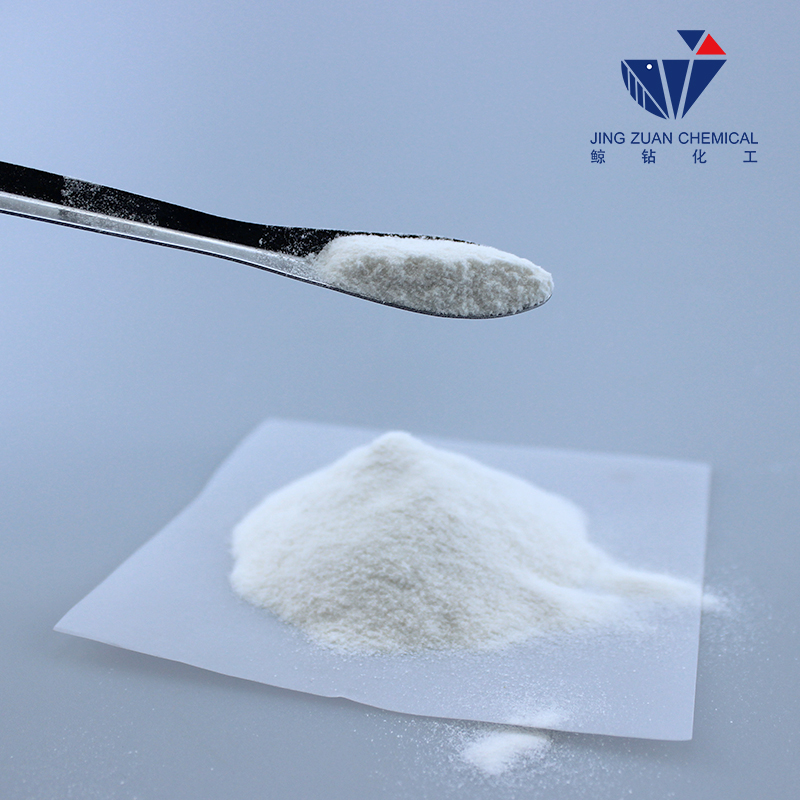
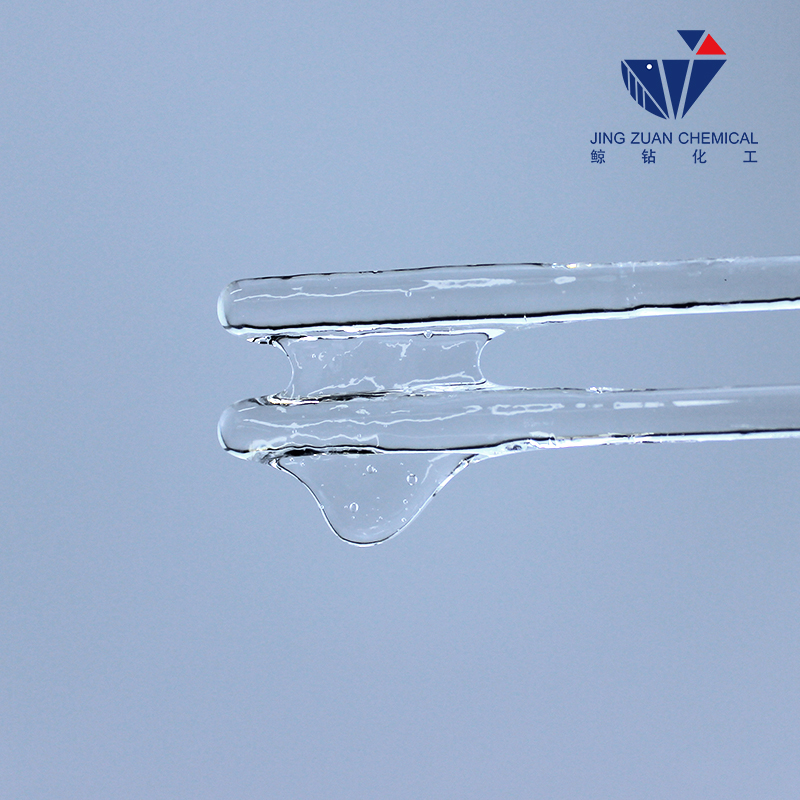
Put simply, HPMC 200000 is a variant of hydroxypropyl methylcellulose distinguished by its viscosity and molecular profile. It’s a water-soluble polymer derived from cellulose, modified to gel, thicken, and stabilize solutions without toxic ingredients.
In industries: think of it as the secret sauce that turns a dry powder and water into a workable paste or makes paint flow just right. More broadly, it fulfills a modern need — safe, versatile binders and stabilizers that comply with strict environmental and health standards.
Core Attributes That Set It Apart
- Viscosity Control: Its high viscosity helps create smooth, easy-to-apply mixtures.
- Temperature Stability: Retains performance in cold and hot conditions without breaking down.
- Non-Toxic & Environmentally Friendly: Favorable for green labeling and regulatory compliance.
- Film Formation & Water Retention: Keeps substrates moist, critical in cement and plaster applications.
- Compatibility: Blends well with polymers, fillers, and pigments for versatile industrial use.
Many manufacturers find that tuning the grade and handling HPMC 200000 carefully can unlock further benefits — I’ve spoken with chemists who swear by it for reducing cracking in wall coatings.
Global Applications & Use Cases That Show Its Real Power
Industries from construction to cosmetics depend on HPMC 200000, but here are some frontline examples:
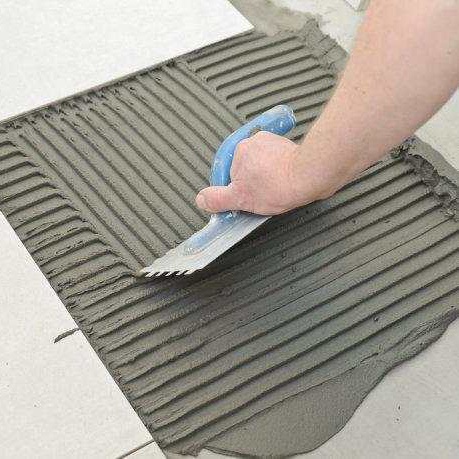
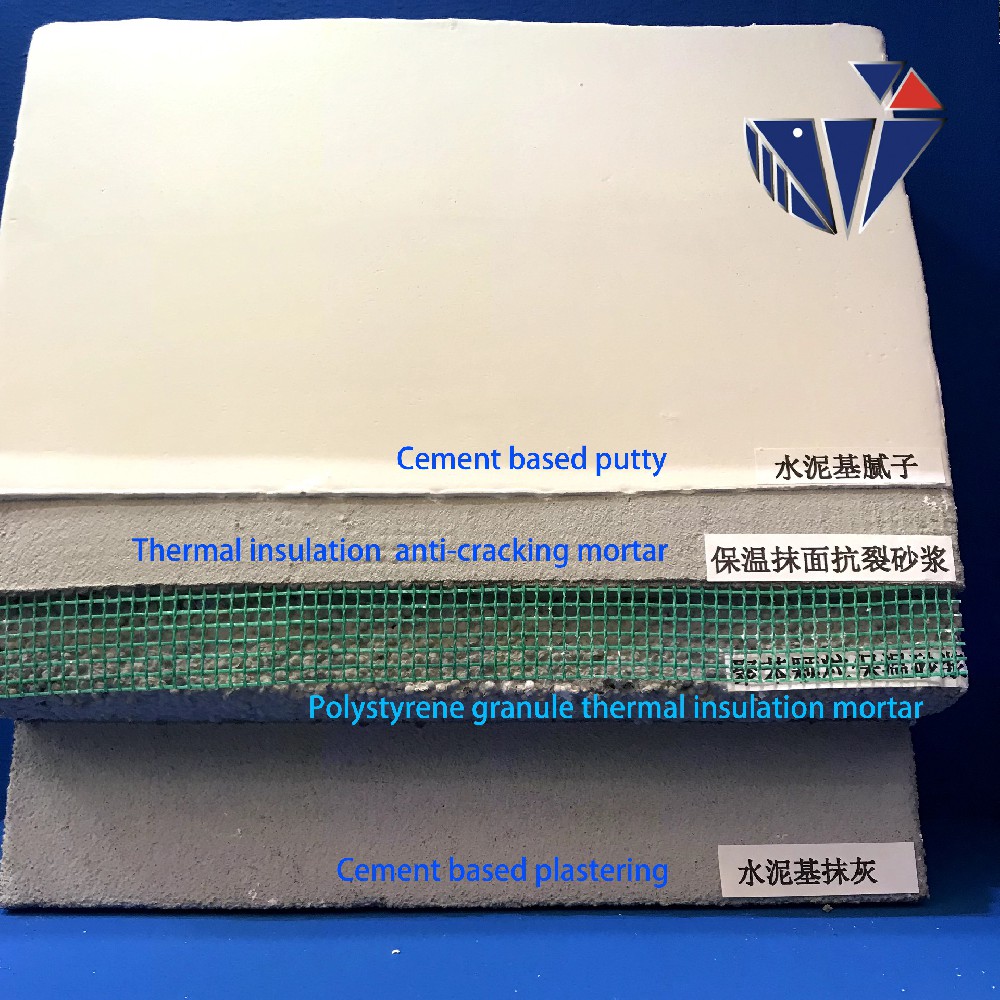
- Construction Materials: Used in tile adhesives, plaster, and cement mixtures across Asia and Africa, where durability and moisture control matter enormously.
- Pharmaceuticals: As a binder and release agent in tablets — ensuring medication consistency and shelf life.
- Food Industry: Acting as a thickener in sauces and dressings, while also stabilizing emulsions.
- Disaster Relief Housing: In rapid-setting mortars for temporary shelters, especially in earthquake-hit regions where ease and reliability are critical.
- Paints & Coatings: Provides smooth application and increased coverage in cold-climate countries like Canada and Scandinavia.
Oddly enough, I came across one example where HPMC 200000’s water retention ability helped reduce job site water usage by almost 30% during large-scale plastering projects in the Middle East. That’s a big win considering water scarcity’s rising global profile.
Mini Takeaway:
HPMC 200000 isn’t just a generic polymer; it adapts to a slew of industries and unique environmental demands, proving itself as a versatile and reliable material piece in global manufacturing.
Product Specification Table for HPMC 200000
| Property | Specification | Units |
|---|---|---|
| Viscosity (2% solution, 20°C) | 200,000 ± 10,000 | mPa·s |
| Methoxy Content | 19 - 24% | Weight % |
| Hydroxypropyl Content | 4 - 12% | Weight % |
| pH (1% aqueous solution) | 5.0 - 8.0 | |
| Appearance | White to off-white powder |
Comparing Top Vendors of HPMC 200000
| Vendor | Price per kg (USD) | MOQ | Typical Lead Time | Regions Served |
|---|---|---|---|---|
| ChemCo Global | $12.50 | 500 kg | 2 weeks | Asia, Middle East |
| HydroMix Corp | $13.00 | 1,000 kg | 3 weeks | Global |
| CelluChem Ltd | $11.80 | 300 kg | 1 week | Europe, North America |
Advantages & Long-Term Value of HPMC 200000
Choosing HPMC 200000 isn’t just about chemistry — it’s about future-proofing your products and projects.
- Cost Efficiency: Reduces raw material waste by improving mix properties, saving money over time.
- Environmental Impact: Non-toxic composition supports sustainable manufacturing goals, and some grades are even bio-based.
- Reliability: Offers consistent performance, which builds user trust across industries — especially in lifesaving medical or construction scenarios.
- Social Impact: Enables the creation of safer shelters, better pharmaceuticals, and improved food products, elevating quality of life.
Emotionally, it feels reassuring to work with materials that don’t just do the job but do it responsibly — and that innovation counts in how companies win trust and repeat business.
Future Trends & Innovations Shaping HPMC 200000’s Role
As sustainability and digital integration sweep across manufacturing, HPMC 200000 is evolving, too.
- Green Chemistry: New synthesis pathways reduce emissions and use renewable cellulose sources.
- Nanotechnology Integration: Enhanced particle size control for tailored functional properties.
- Digital Dosage Control: Automated mixing with smart sensors delivers exact HPMC 200000 ratios for consistent batches.
- Expanded Applications: Moves into personal care, biodegradable packaging, and eco-friendly inks are gaining traction.
It’s fascinating to see a century-old polymer class literally getting a next-gen reboot thanks to modern science and tech — quite the renaissance.
Challenges & Solutions in Working with HPMC 200000
No product is perfect, and HPMC 200000 carries its quirks:
- Batch Variability: Minor differences in viscosity can affect performance — resolved by stringent quality control.
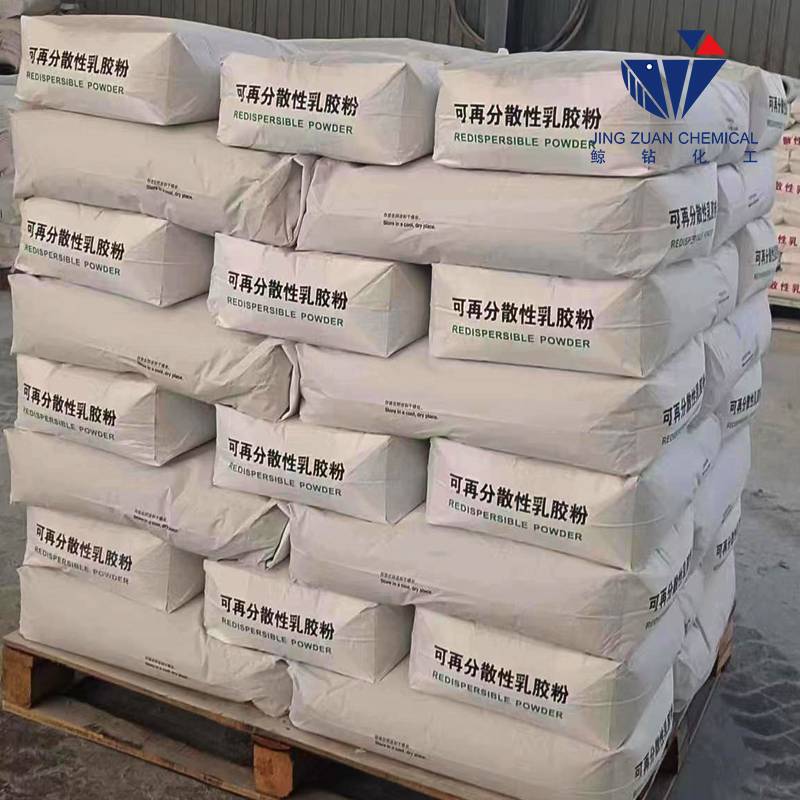
- Storage Sensitivity: Exposure to moisture can clump powders — using proper packaging and storage conditions helps immensely.
- Cost Pressure: Specialty grades command premium prices; creative blending strategies with other additives can optimize cost.
Industry experts often recommend partnering with reliable vendors (like those listed above) who offer tailored advice, making the implementation smoother.
FAQ: Frequently Asked Questions About HPMC 200000
- What makes HPMC 200000 preferable over other cellulose ethers?
- Its higher viscosity and molecular weight enable better thickening and water retention, ideal for demanding formulations in construction and pharmaceuticals. This results in improved product performance and durability.
- Can HPMC 200000 be used in eco-friendly products?
- Yes, it’s derived from cellulose and is non-toxic, aligning well with green product standards. Newer production methods also focus on sustainability, lowering environmental impact.
- How long does HPMC 200000-based plaster last in harsh climates?
- When correctly formulated, plasters containing HPMC 200000 can retain their properties for decades, resisting cracking and moisture damage — a crucial factor in varying climates.
- Is it difficult to import HPMC 200000 internationally?
- While some regions have regulatory checks, HPMC 200000 typically classifies as a non-hazardous material, simplifying customs. Working with experienced suppliers smooths logistics.
- Can HPMC 200000 minimize water usage in construction?
- Absolutely — its water retention ability means less water evaporates during curing, lowering total water demands by up to 30% in some applications.
Conclusion
In the vast landscape of industrial additives, hpmc 200000 stands out as a quietly powerful ingredient that supports sustainability, cost efficiency, and product reliability on a global scale. Whether it’s building homes, delivering medicines, or improving everyday products, its role is hard to overstate.
If you want to dive deeper or source quality supplies, I recommend visiting our website — plenty of insights and expert advice await.
Here’s to materials that make a difference, often unseen but felt everywhere.
References
-
Understanding Hydroxypropyl Methyl Cellulose MSDS Safety and Compliance
NewsApr.16,2026
-
Understanding the Hydroxypropyl Methyl Cellulose HS Code for Global Trade
NewsApr.09,2026
-
Comprehensive Guide to Hydroxypropyl Methyl Cellulose CAS Number and Applications
NewsApr.07,2026
-
Comprehensive Guide to Hydroxypropyl Methyl Cellulose cas no and its Diverse Applications
NewsApr.04,2026
-
Comprehensive Guide to Hydroxypropyl Methyl Cellulose Manufacturers and Applications
NewsMar.31,2026
-
Understanding Hydroxypropyl Methyl Cellulose Properties And Diverse Applications
NewsMar.28,2026