
Dec . 01, 2025 16:40 Back to list
Comprehensive Guide to HPMC 4000 cps: Specs, Applications & Vendors
Why the Buzz Around HPMC 4000 cps Matters Globally
In the vast world of chemical additives and industrial polymers, hpmc 4000 cps quietly takes center stage. For those outside the field, it sounds like alphabet soup — and maybe a viscosity rating thrown in for good measure. But for industries ranging from construction to pharmaceuticals, understanding this specific grade of Hydroxypropyl Methylcellulose (HPMC) isn’t just academic. It's a key that unlocks cost-efficiency, sustainability, and performance in many formulations worldwide.
Globally, developments in smart materials and sustainable building practices have increased demand for reliable thickeners and binders, especially those with tailored viscosity. The “4000 cps” in hpmc 4000 cps refers to its viscosity level — crucial for controlling flow and spreadability in solutions. If you work with coatings, cement, or tablets, this impacts your product’s quality directly. It’s more than just a number; it shapes businesses, regulations, and even humanitarian efforts.
Mini takeaway: HPMC 4000 cps is a viscosity-specific polymer grade playing a subtle but pivotal role in global industries by ensuring product consistency and efficiency.
Setting the Scene: The Global Need for HPMC 4000 cps
To truly appreciate hpmc 4000 cps, let’s zoom out. The United Nations estimates more than 3 billion people will be involved in infrastructure expansion by 2030, requiring materials that are durable, safe, and eco-friendly (1). Meanwhile, ISO standards for construction materials push innovation towards sustainable, chemically stable additives. HPMC derivatives, because they’re bio-based and non-toxic, have earned a reputation as star players.
But here’s the wrench in the works: manufacturers constantly juggle demands for viscosity and cost efficiency. Too thin and your product runs or separates; too thick and it becomes hard to spray or spread. The industrial sweet spot often lands near the 4000 cps viscosity range, making hpmc 4000 cps a solution in high demand.
Mini takeaway: Rising global infrastructure needs and stricter standards drive a focused demand for specific HPMC grades like 4000 cps that balance performance and sustainability.
Getting to Know HPMC 4000 cps: Just What Is It?
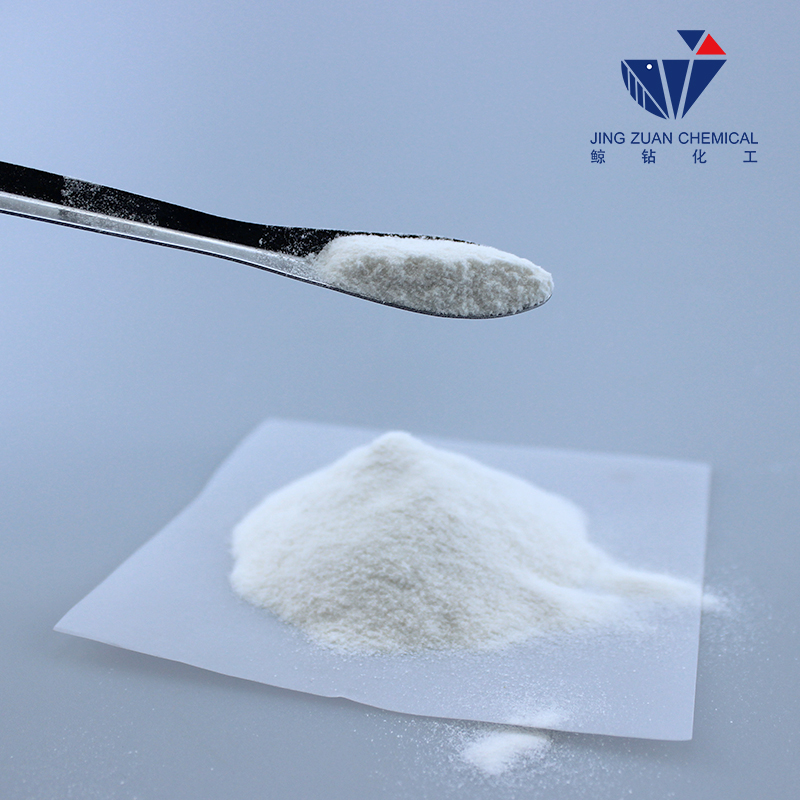
Put simply, HPMC stands for Hydroxypropyl Methylcellulose — a water-soluble polymer derived from cellulose, the most abundant organic polymer on earth. The "4000 cps" denotes its viscosity measured at a standard concentration and temperature, roughly corresponding to a moderately thick solution.
This material works as a thickener, emulsifier, and binder, widely used in:
- Construction (tile adhesives, cement modifiers)
- Pharmaceuticals (tablet coatings)
- Food (gluten-free bakers love it)
- Personal care products (shampoos, lotions)
Its appeal? It’s non-toxic, chemically inert in many applications, and renewable since it stems from plant cellulose. That aligns well with today’s push for greener materials.
Mini takeaway: HPMC 4000 cps is a plant-based polymer with a specific viscosity, used widely as a thickening and binding agent.
Core Components That Make HPMC 4000 cps Shine
1. Viscosity Control
The “4000 cps” is no accident — it represents the product’s consistency. It provides smooth flow without lumping, ideal for applications needing controlled texture.
2. Water Solubility
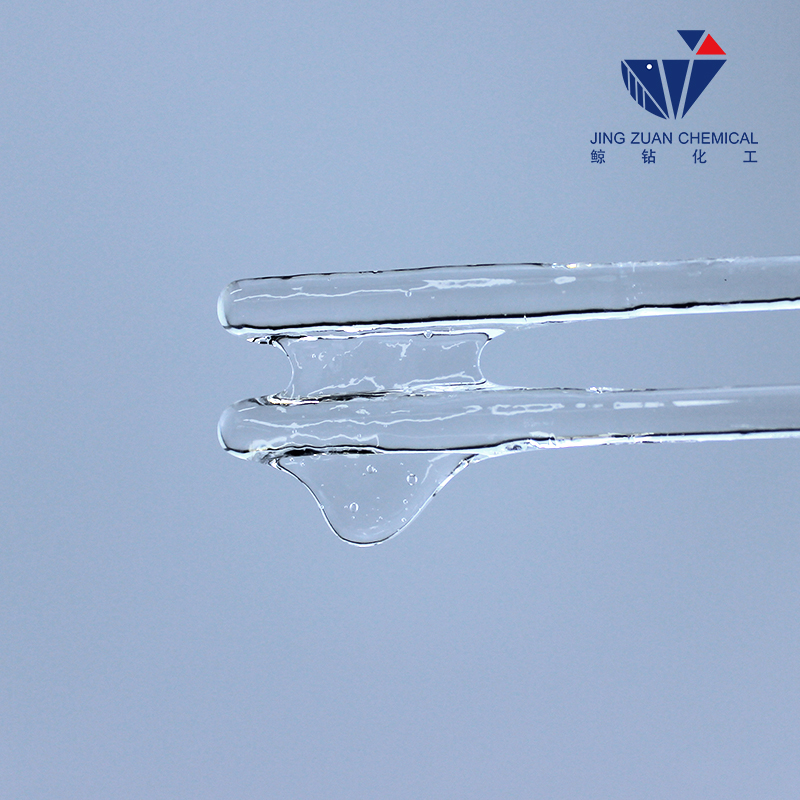
Thanks to its chemical makeup, HPMC 4000 cps dissolves easily in cold water, which is both convenient in manufacturing and critical for environmental safety.
3. Thermal Stability
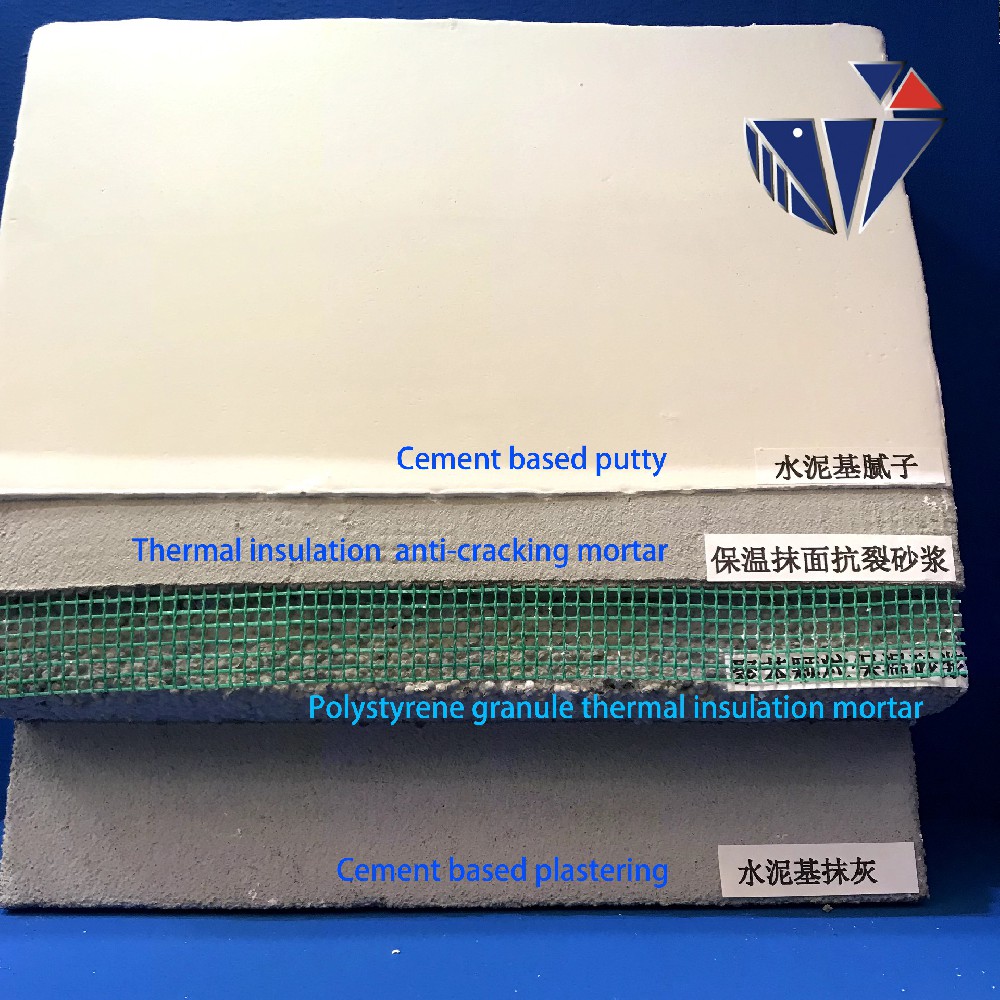
This polymer can withstand moderate heat, lending durability to cement and plaster mixtures without breaking down during curing.
4. Non-Toxic and Eco-Friendly Nature
Being cellulose-derived means it’s biodegradable and safe for use in pharmaceuticals and food-related industries.
5. Compatibility with Other Materials
It plays well with a broad range of additives, ensuring flexibility during complex formulations.
Mini takeaway: Viscosity, solubility, thermal stability, eco-safety, and compatibility are the main pillars that explain why hpmc 4000 cps is so versatile.
Real-World Uses: How HPMC 4000 cps Makes a Difference Globally
Across continents, hpmc 4000 cps finds its niche. In Europe and North America, it enhances cement-based tile adhesives, ensuring stickiness and smooth spread during home renovations. In Asia’s booming pharmaceutical sector, it helps coat tablets to control drug release rates. Meanwhile, NGOs deploying shelters in disaster-hit zones use HPMC-enriched mortar mixtures to quickly set durable structures—speed and safety are paramount here.
Oddly enough, I noticed even gluten-free baking communities favor it as a dough enhancer, substituting traditional gluten for texture without the health issues. So from urban skyscrapers to rural relief camps and artisanal bakeries, hpmc 4000 cps quietly supports innovation.
Mini takeaway: hpmc 4000 cps is an unsung hero in construction, pharma, humanitarian relief, and even food sectors worldwide.
Product Specification: Typical HPMC 4000 cps Grade
| Property | Test Method | Typical Value | Units |
|---|---|---|---|
| Viscosity (2% in water @ 20°C) | Brookfield RVT, Spindle 2 | 4000 ± 300 | cps |
| Moisture Content | Oven Drying | 5.0 max | % |
| pH (2% aqueous solution) | pH meter | 6.5–8.0 | |
| Substitution Degree (Methoxy) | NMR Spectroscopy | 1.4–1.6 | |
| Substitution Degree (Hydroxypropyl) | NMR Spectroscopy | 0.15–0.18 |
Comparing Top Vendors of HPMC 4000 cps
| Vendor | Viscosity Range (cps) | Purity (%) | Price Range ($/kg) | Notable Features |
|---|---|---|---|---|
| CNJZ Chemical | 3800–4200 | >99% | 4.50–5.50 | Eco-friendly sourcing, reliable supply |
| ViscoPolymers Inc. | 3900–4100 | 98.5% | 5.00–6.00 | Custom packaging options |
| GreenCell Solutions | 3700–4300 | >99% | 4.70–5.30 | Sustainable, made from agricultural waste |
The Advantages and Long-Term Value of HPMC 4000 cps
The practical perks of hpmc 4000 cps often get lost behind the dry technical talk, but they’re worth digging into:
- Cost Efficiency: Its optimal viscosity means less waste and more predictable results, which translates to savings).
- Sustainability: Derived from renewable cellulose, it fits the green economy’s ethics perfectly.
- Reliability: End-users cite stable performance over a wide temperature range.
- Social Impact: In construction for relief shelters, it ensures safer, more durable builds that protect vulnerable communities.
- Innovative Potential: Manufacturers experimenting with nano-cellulose blends find HPMC 4000 cps an excellent base polymer.
Mini takeaway: HPMC 4000 cps isn’t just a thickener—it’s a tool enabling cost-saving, sustainability, and social good.
Future Horizons: Innovations in HPMC 4000 cps and Beyond
If you follow industry news, you’ll notice a trend toward “smart polymers” and bio-based composites. Researchers are blending HPMC variants with nanoparticles to create self-healing coatings and enhanced drug delivery systems. Digital manufacturing lines now incorporate real-time viscosity monitoring, often tuned to 4000 cps blends, to improve product quality.
Plus, sustainability regulations will push vendors to optimize raw material sourcing and minimize waste, making eco-conscious HPMC even more critical. All in all, the future looks like a blend of chemistry, automation, and green innovation — with hpmc 4000 cps right in the mix.
Mini takeaway: Technological and environmental pressures will make hpmc 4000 cps a foundational player in next-gen materials and processes.
Challenges and Solutions in Using HPMC 4000 cps
Despite the wins, working with HPMC 4000 cps isn’t without hiccups. Common issues include batch-to-batch viscosity variation and sensitivity to pH changes, which can alter performance. Also, supply chain disruptions occasionally cause shortages, compounding manufacturing delays.
Experts suggest rigorous quality control and maintaining close supplier relationships (like hpmc 4000 cps vendors who offer certified traceability). Additionally, new blending technologies and stabilizing additives help reduce viscosity fluctuations in end products.
Mini takeaway: Quality consistency and supply stability require proactive management but are manageable with the right partners and tech.
FAQ: Practical Questions on HPMC 4000 cps
1. What viscosity level is ideal for tile adhesive applications?
Typically, the 4000 cps range is ideal as it balances spreadability and adhesion without sagging, making hpmc 4000 cps a prime choice.
2. Can HPMC 4000 cps be used in pharmaceuticals?
Yes, it’s widely used as a binder and coating agent due to its non-toxicity and stability, helping to control drug release rates effectively.
3. How eco-friendly is HPMC 4000 cps compared to synthetic alternatives?
Being cellulose-derived and biodegradable, it typically has a much lower environmental footprint than petroleum-based polymers.
4. How can I ensure consistent batch quality when sourcing HPMC 4000 cps?
Work with reputable suppliers offering certificate of analysis and consider in-house viscosity testing to catch deviations early.
5. Is the viscosity of HPMC 4000 cps affected by temperature?
Yes, viscosity decreases at higher temperatures; formulations must account for operating conditions to maintain performance.
Wrapping It Up and What to Do Next
In the end, understanding hpmc 4000 cps is like getting a peek under the hood of many essential products we rely on daily. From construction sites to tablet production lines, it quietly ensures consistency, safety, and sustainability. For businesses aiming to stay competitive—and conscientious—keeping an eye on this polymer’s specs and trends pays off.
If you’re looking to source reliable hpmc 4000 cps or want to explore how it can fit your product line, don’t hesitate to visit the website and get in touch. Sometimes, the smallest ingredient can make the biggest difference.
References:
-
Understanding Hydroxypropyl Methyl Cellulose MSDS Safety and Compliance
NewsApr.16,2026
-
Understanding the Hydroxypropyl Methyl Cellulose HS Code for Global Trade
NewsApr.09,2026
-
Comprehensive Guide to Hydroxypropyl Methyl Cellulose CAS Number and Applications
NewsApr.07,2026
-
Comprehensive Guide to Hydroxypropyl Methyl Cellulose cas no and its Diverse Applications
NewsApr.04,2026
-
Comprehensive Guide to Hydroxypropyl Methyl Cellulose Manufacturers and Applications
NewsMar.31,2026
-
Understanding Hydroxypropyl Methyl Cellulose Properties And Diverse Applications
NewsMar.28,2026