
Dec . 01, 2025 15:05 Back to list
Comprehensive Guide to HPMC 4000: Uses, Benefits & Industry Insights
Understanding HPMC 4000: The Unsung Hero in Modern Industry
At first glance, HPMC 4000 might sound like a cryptic chemical formula, but it’s much more — it’s a game-changer across construction, pharmaceuticals, and even personal care. Why does this matter globally? Well, it plays a quiet but essential role in enabling products to perform better, last longer, and meet strict health and safety standards around the world. When you understand the nuts and bolts of HPMC 4000, you unlock new insights into how industries solve big problems — from building stronger infrastructures to ensuring medicines dissolve properly inside the human body.
Global Context: The Worldwide Footprint of HPMC 4000
The world’s industries face mounting pressure to innovate while staying sustainable. According to the International Organization for Standardization (ISO), materials like Hydroxypropyl Methylcellulose (HPMC) — specifically variants like HPMC 4000 — have become crucial in meeting quality and environmental benchmarks. In 2023 alone, the global cellulose derivatives market, which includes HPMC, was valued at over $1 billion, signaling remarkable growth aligned with rising regulatory demands.
Yet, challenges persist. For example, in construction, poor material performance can lead to costly delays or safety risks, while in pharmaceuticals, inconsistent excipients can compromise drug efficacy. HPMC 4000 steps in here — providing reliable, multipurpose functionality that's well recognized globally. This makes it an indispensable component across industries grappling with efficiency and compliance.
What is HPMC 4000? A Plain Talk Definition
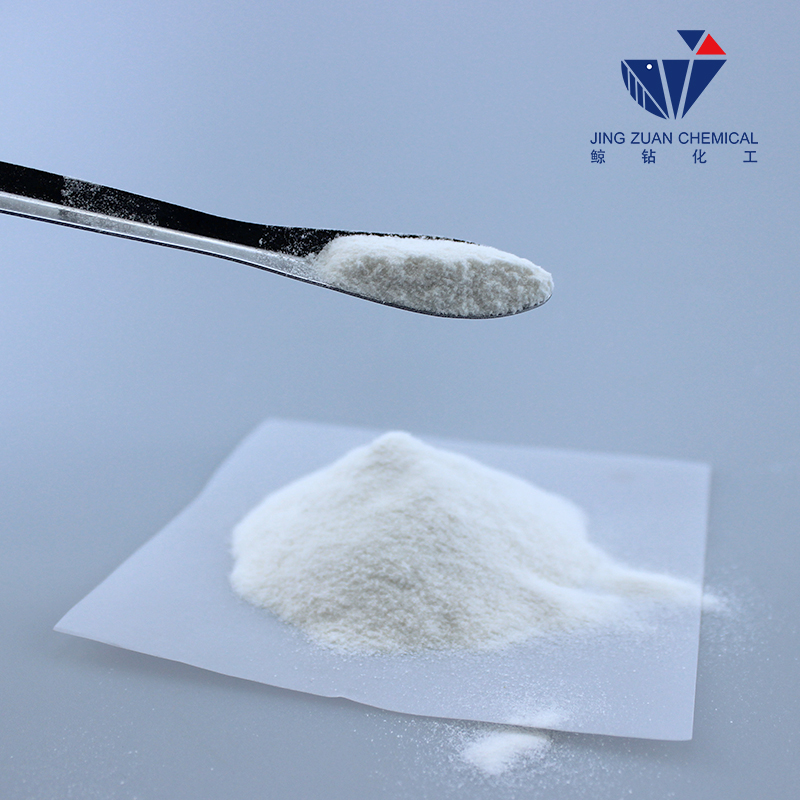
Simply put, HPMC 4000 stands for Hydroxypropyl Methylcellulose with a specific viscosity grade of “4000.” It’s a semi-synthetic, water-soluble polymer derived from cellulose — the stuff that makes up plant fibers. If that sounds technical, think of it as a versatile powder that acts as a thickener, binder, film former, and stabilizer in many products.
In practical terms, imagine baking bread: you need something to hold the dough together and keep it moist. HPMC 4000 does that, but for things like cement mixtures, toothpaste, or controlled-release pills. In a world increasingly focused on eco-friendly, renewable inputs, it ticks a lot of boxes.
Core Components of HPMC 4000
1. Viscosity and Consistency
HPMC 4000’s name hints at its viscosity (thickness) rating — 4000 mPa·s. This mid-range viscosity means it can effectively thicken mixtures without making them overly sticky. Industries rely on it to ensure smooth application and proper setting in products like tile adhesives or sunscreen lotions.
2. Water Solubility
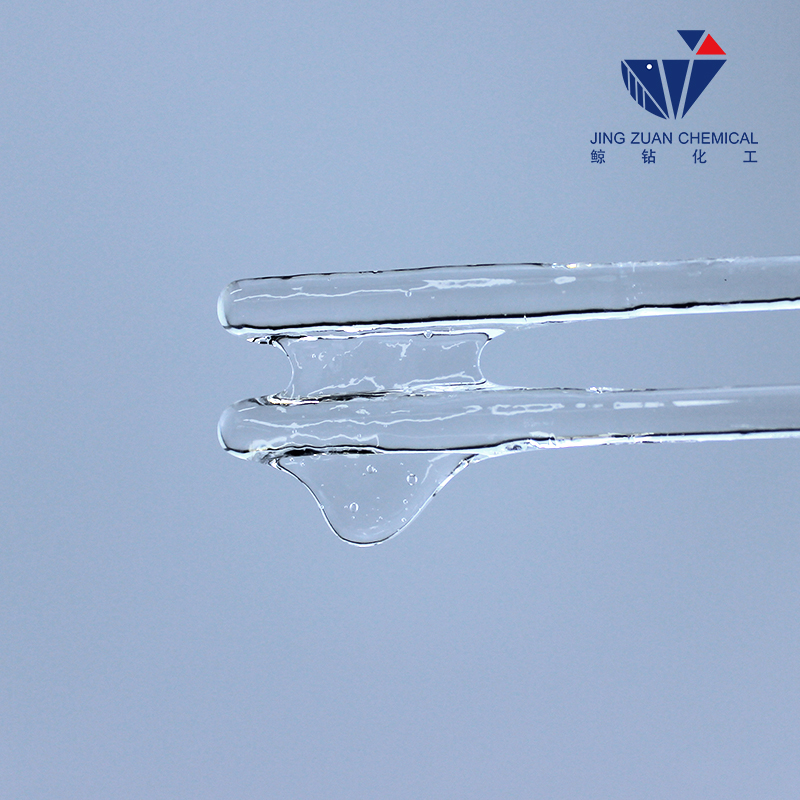
Unlike some polymers, HPMC 4000 dissolves easily in cold water, which makes it ideal for mixing processes requiring homogeneous mixtures. This water solubility also means it can form films that act as barriers or controlled-release matrices, especially useful in drug capsules and packaging.
3. Thermal Stability
It tolerates moderate heat changes without losing its chemical integrity, which helps maintain product consistency even in harsh climates or during manufacturing processes involving elevated temperatures.
4. Non-Toxic and Safe
Because it is derived from cellulose and undergoes rigorous purification, HPMC 4000 is considered non-toxic and hypoallergenic. This safety aspect allows it to see extensive use in food, pharmaceuticals, and cosmetics.
5. pH Compatibility
It functions well across a wide pH range, so it doesn't break down easily in acidic or alkaline environments, adding robustness to formulations.
| Specification | Typical Value | Units |
|---|---|---|
| Viscosity (2% solution) | 4000 ± 200 | mPa·s |
| Methoxy Content | 19.0 – 24.0 | % |
| Hydroxypropyl Content | 4.0 – 12.0 | % |
| pH (2% solution) | 5.0 – 8.0 | – |
| Appearance | White powder | – |
Global Applications & Use Cases for HPMC 4000
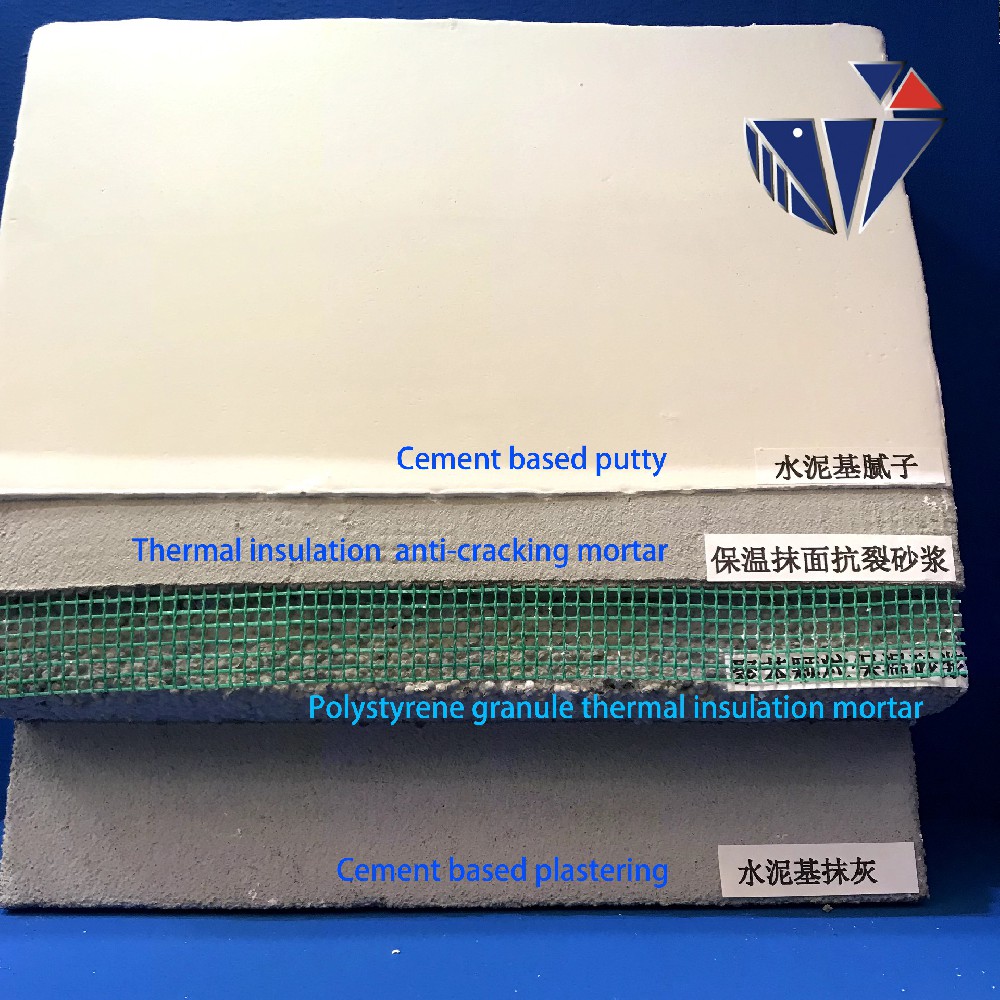
HPMC 4000’s versatility means it’s everywhere — from Asia’s booming construction sectors, facilitating durable tile adhesives and plasters, to America’s pharmaceutical labs optimizing drug-release profiles. It’s also key for personal care products worldwide, making creams and shampoos smoother and more stable.
Take, for example, post-disaster relief efforts where quick, reliable construction compounds are a must. HPMC 4000-based mortars can be whipped up fast with minimal equipment, delivering better adhesion and workability even in tough conditions.
Then there’s the remote mining operations in Australia, where maintaining equipment and living quarters demands materials that can withstand dust, heat, and frequent use. HPMC 4000 finds its part here in paints and coatings, protecting surfaces with longevity.
Interestingly, a few NGOs are experimenting with HPMC 4000 to improve the consistency and shelf life of nutritional pastes distributed in crisis zones — ensuring both taste and safety don’t suffer during transport.
Advantages and Long-Term Value of HPMC 4000
- Cost Efficiency: Though slightly pricier upfront than some binders, its quality means less waste and longer-lasting products, which adds up.
- Sustainability: Sourced from renewable cellulose and biodegradable — it helps industries cut down on synthetic pollutants.
- Reliability: Consistent performance even under variable conditions builds trust for manufacturers and end-users alike.
- Social Impact: Its safety profile fosters health-conscious formulations, enhancing user dignity and safety.
On an emotional note, many engineers swear by it — describing HPMC 4000 almost like a “guardian angel” ingredient that quietly keeps projects and products from falling apart or going off track.
The Future of HPMC 4000: Trends on the Horizon
The green revolution isn’t leaving HPMC 4000 behind. Innovations are underway to enhance its bio-based sourcing even further and tweak viscosity profiles for ultra-precise applications — think 3D printing materials or smart packaging that reacts to environment changes.
Digital transformation is also playing a role, where advanced mixing and measurement tech allow manufacturers to harness HPMC 4000’s properties more efficiently, enabling bespoke product blends tailored for niche needs.
Simultaneously, regulatory bodies push for cleaner labels and safer substances; thus, variants like HPMC 4000 shine as they meet strict guidelines without compromise.
Challenges and Expert Approaches to Overcoming Them
No wonder if you sometimes hear concerns about batch consistency or sensitivity to certain solvents. Like any bio-based polymer, HPMC 4000 requires meticulous quality control and sometimes complementary additives to tackle these issues.
Experts suggest strategies like pre-blending with stabilizers or improving drying methods. Also, shifting towards locally sourced raw materials can reduce variability and carbon footprint, proving that innovation is as much about logistics as chemistry.
| Vendor | Viscosity Range (mPa·s) | Price (per kg) | Region | Notes |
|---|---|---|---|---|
| GreenCell Chemicals | 3500 - 4500 | $12.50 | Asia | Eco-certified, bulk supply |
| PureCellulose Inc. | 3800 - 4200 | $14.00 | Europe | Pharma grade, certified ISO |
| CelluPro Materials | 4000 ± 200 | $13.20 | North America | Custom viscosity blends |
FAQ: Practical Questions About HPMC 4000
Q1: What makes HPMC 4000 different from other cellulose ethers?
A: HPMC 4000 is characterized by its specific viscosity value and balance between water solubility and thermal stability. This gives it versatility across many industries without compromising product performance—setting it apart from lower or higher viscosity grades used for niche purposes.
Q2: Can I use HPMC 4000 in pharmaceutical formulations?
A: Absolutely. It’s widely used as a binder and controlled-release agent in tablets and capsules. Its safety profile and stability make it a preferred choice for many pharmaceutical manufacturers seeking clean-label excipients.
Q3: How does HPMC 4000 contribute to environmentally sustainable products?
A: Since it’s derived from renewable plant cellulose and biodegrades naturally, it replaces synthetic polymers that might persist in ecosystems. Moreover, its efficient performance reduces waste by extending product life and usability.
Q4: Is sourcing HPMC 4000 globally straightforward?
A: While readily available from several vendors, logistics, custom regulations, and quality controls vary. Partnering with experienced suppliers like hpmc 4000 specialists helps navigate these complexities.
Q5: What should I consider when modifying viscosity using HPMC grades?
A: Start by matching your application’s needs — for instance, adhesives require a certain flow, while pharmaceuticals need precise release rates. Testing different grades helps, but HPMC 4000 is often the ideal middle ground.
Wrapping Up: Why HPMC 4000 Still Matters
In a world obsessed with the next shiny tech or breakthrough, it’s refreshing to recognize the quiet confidence of materials like HPMC 4000. Its sustained value stems from a simple but powerful combination: proven reliability, environmental friendliness, and versatile performance. Whether you’re in construction, pharma, or cosmetics, it’s worth considering for your next project.
For more technical details, sourcing options, and custom formulations, feel free to visit our official site. Sometimes, the right ingredient makes all the difference — and with HPMC 4000, it often does.
References:
-
Understanding Hydroxypropyl Methyl Cellulose MSDS Safety and Compliance
NewsApr.16,2026
-
Understanding the Hydroxypropyl Methyl Cellulose HS Code for Global Trade
NewsApr.09,2026
-
Comprehensive Guide to Hydroxypropyl Methyl Cellulose CAS Number and Applications
NewsApr.07,2026
-
Comprehensive Guide to Hydroxypropyl Methyl Cellulose cas no and its Diverse Applications
NewsApr.04,2026
-
Comprehensive Guide to Hydroxypropyl Methyl Cellulose Manufacturers and Applications
NewsMar.31,2026
-
Understanding Hydroxypropyl Methyl Cellulose Properties And Diverse Applications
NewsMar.28,2026