
Jan . 02, 2026 03:35 Back to list
Comprehensive Guide to Hpmc Formulation for Industrial Excellence | CNJZ Chemical
Hpmc Formulation is a key solution in the industry, specifically within various sectors needing reliable, durable chemical ingredients for construction, pharmaceuticals, and personal care. This article explores how https://www.cnjzchemical.com supports professionals with durable, high-performance products, and explains why this product is an ideal choice for businesses in these sectors.
Table of Contents
- Hpmc Formulation Overview
- Benefits & Use Cases of Hpmc Formulation
- Cost, Maintenance & User Experience
- Sustainability & Market Trends
- Frequently Asked Questions about Hpmc Formulation
- Conclusion on Hpmc Formulation from China
Hpmc Formulation Overview
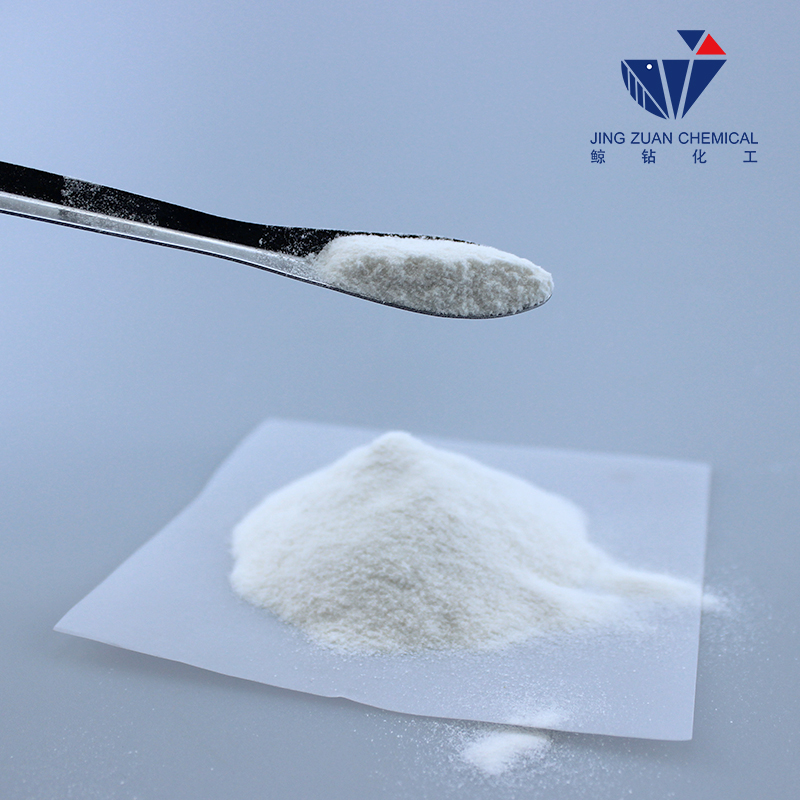
Hpmc Formulation — short for Hydroxypropyl Methylcellulose formulation — is basically a versatile cellulose ether used widely in industries like construction and pharmaceuticals. It acts as a thickener, binder, and stabilizer, helping products perform consistently even under tough conditions. Oddly enough, it feels like an unsung hero: engineers and chemists often rely on it behind the scenes without much spotlight.
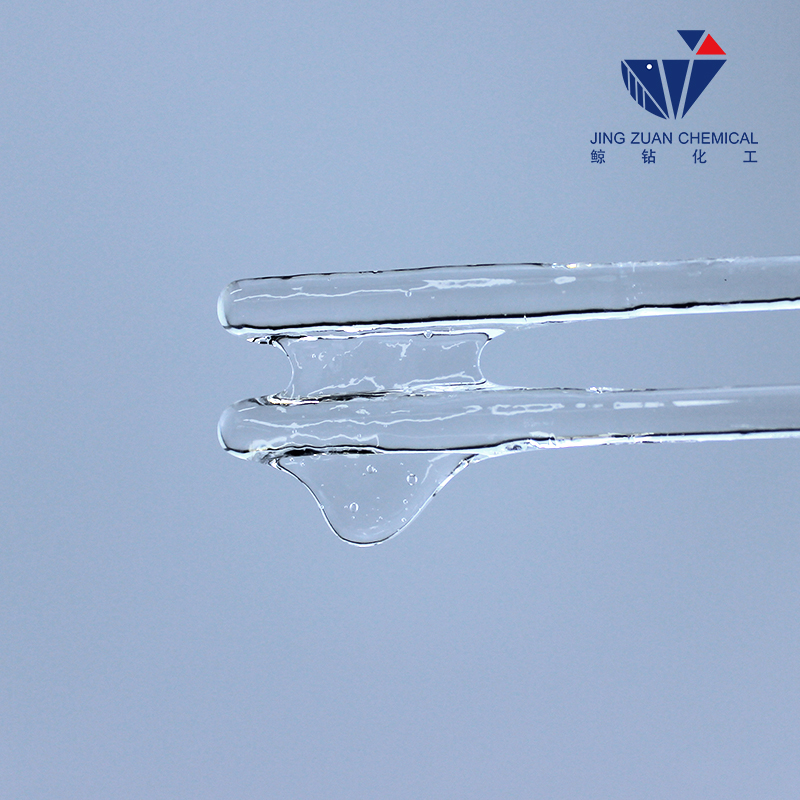
At its core, Hpmc is a non-ionic, water-soluble polymer derived from cellulose, lending excellent film-forming and adhesive qualities. For example, when used in cement-based materials, it boosts workability and water retention, leading to smoother application and stronger end results. It’s also prized in topical and oral pharmaceuticals for controlling release rates and improving texture.
| Specification | Typical Value | Unit |
|---|---|---|
| Methoxy Content | 19-24 | % |
| Hydroxypropyl Content | 4-12 | % |
| Viscosity (2% solution) | 100-4000 | mPa·s |
| pH (2% solution) | 5-8 | - |
Benefits & Use Cases of Hpmc Formulation
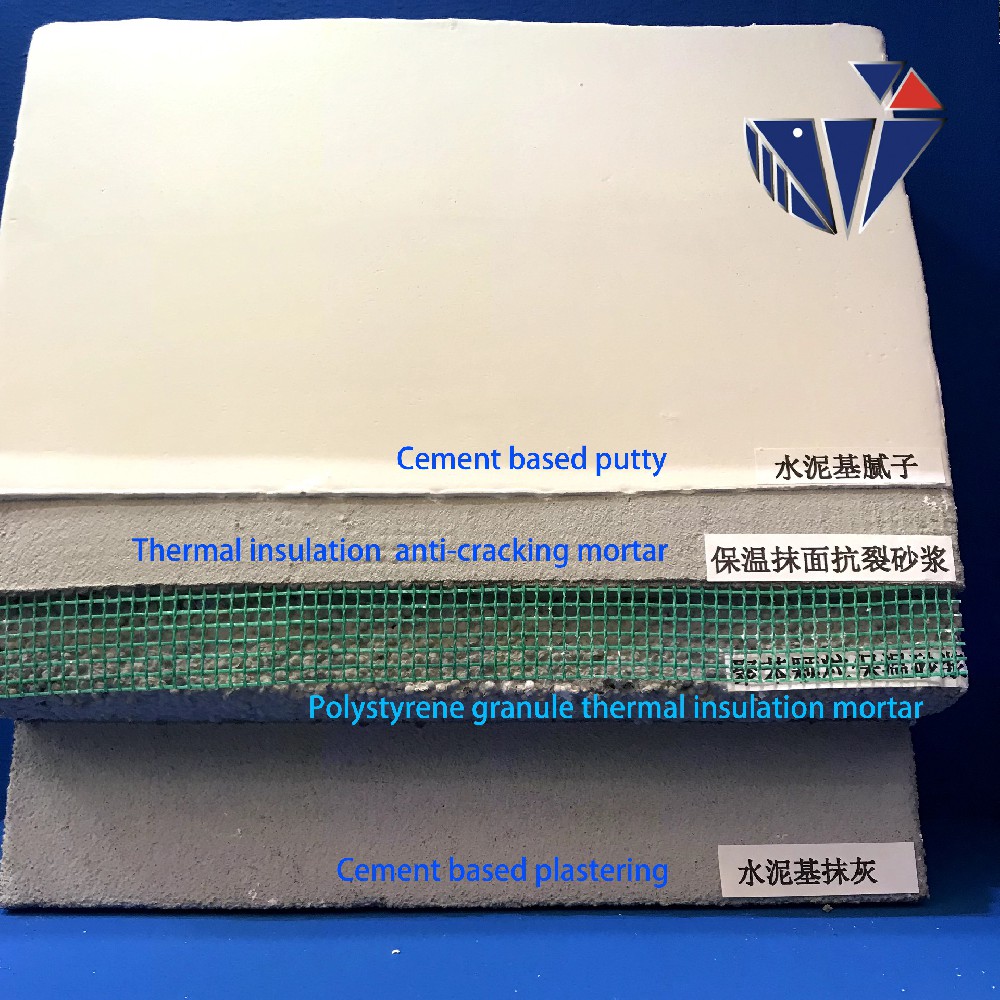
What really pulls people towards Hpmc Formulation in industrial settings are its multifaceted benefits. For starters, its superior water retention is critical in modern construction applications like tile adhesives, plasters, and cementitious mortars. These materials need to stay workable longer, and oddly enough, Hpmc helps prevent premature drying and cracking.
Beyond construction, pharmaceutical companies value it for its non-toxic, inert chemistry — it’s often used as a binder or film former in tablets and topical creams, improving stability and patient compliance. The cosmetic and personal care sectors aren’t left out; its smooth texture and thickening effects enhance lotions and shampoos.
Compared with other polymers, Hpmc is thermally stable, versatile in viscosity ranges, and compatible with many ingredients. This competitive advantage translates into a tailored formulation for specific needs — whether that means a higher viscosity for thick pastes or lower for sprays. Many engineers say it’s kind of a “Swiss army knife” ingredient for formulation challenges.
Cost, Maintenance & User Experience
Now, let’s dig into the cost and maintenance side — important things for any B2B decision maker. Sure, Hpmc formulations might cost a bit more upfront compared to traditional binders or thickeners, but the long-term return on investment is franky worth it. Its excellent durability improves product lifespan which reduces rework or waste.
Based on customer feedback from https://www.cnjzchemical.com, users consistently praise the formulation’s consistency and ease of processing, attributing faster production times and better final product quality. One noteworthy case involved a large adhesive manufacturer who saw a 15% decrease in material costs overall thanks to reduced wastage and better handling.
Also, the maintenance side is straightforward: Hpmc-based products do not require complex storage or handling conditions, and their stability reduces failures in the supply chain. That kind of operational simplicity is often overlooked but really counts in busy production environments.
Sustainability & Market Trends
Sustainability is a hot topic, and here Hpmc Formulation shines by being biodegradable and derived from renewable cellulose sources. With rising regulations on VOCs and environmentally harmful compounds, many companies actively seek greener alternatives — and Hpmc fits nicely into that push.
Market trends show steady growth in demand for cellulose ethers thanks to the global green chemistry movement. In particular, construction industries in emerging markets are eager to adopt such materials to meet international standards for durability and reduced emissions.
Additionally, innovations in Hpmc production methods continue to improve energy efficiency, lowering carbon footprints further. In real terms, investing in Hpmc formulations means future-proofing products against stricter environmental laws and gaining a foothold in more eco-conscious markets.
| Vendor | Product Range | Price (per kg) | Quality Certification | Lead Time |
|---|---|---|---|---|
| CNJZ Chemical | 100+ grades | $3.80 | ISO 9001, SGS | 1-2 weeks |
| Vendor B | 50 grades | $4.20 | ISO 9001 | 2-3 weeks |
| Vendor C | 70 grades | $4.00 | ISO 14001 | 3-4 weeks |
Frequently Asked Questions about Hpmc Formulation
- What is Hpmc Formulation and how does it work?
- Hpmc Formulation refers to the preparation of Hydroxypropyl Methylcellulose polymers tailored for industrial use. It works by modifying viscosity, binding ingredients, and stabilizing mixtures through its water-soluble polymer chains, ensuring consistent texture and performance.
- What are the main benefits of using Hpmc Formulation in industrial applications?
- The benefits range from improved workability and water retention in construction to enhanced stability, controlled release, and safe use in pharmaceuticals. It makes products more durable, cost-effective, and adaptable to various formulation needs.
- How does Hpmc Formulation compare to traditional alternatives?
- Compared to conventional binders or thickeners, Hpmc provides better thermal stability, wider viscosity ranges, and superior performance under varying temperature and humidity conditions, often resulting in longer-lasting products.
- What industries can benefit most from Hpmc Formulation implementation?
- Industries like construction, pharmaceuticals, personal care, and even food processing find Hpmc Formulation invaluable. Its versatility spans from cement additives to tablet coatings and cosmetic stabilizers.
Conclusion on Hpmc Formulation from China
To wrap things up, Hpmc Formulation offers a reliable and adaptable ingredient for many demanding industrial needs. Its impressive balance of performance, sustainability, and cost-effectiveness makes it an attractive choice for businesses serious about quality and innovation. If you’re exploring solutions that can really make a difference, it’s worth considering what CNJZ Chemical has to offer — the expertise and certifications speak for themselves.
- Hpmc Formulation enhances product durability and manufacturing efficiency.
- Visit our website: https://www.cnjzchemical.com
-
Understanding Hydroxypropyl Methyl Cellulose MSDS Safety and Compliance
NewsApr.16,2026
-
Understanding the Hydroxypropyl Methyl Cellulose HS Code for Global Trade
NewsApr.09,2026
-
Comprehensive Guide to Hydroxypropyl Methyl Cellulose CAS Number and Applications
NewsApr.07,2026
-
Comprehensive Guide to Hydroxypropyl Methyl Cellulose cas no and its Diverse Applications
NewsApr.04,2026
-
Comprehensive Guide to Hydroxypropyl Methyl Cellulose Manufacturers and Applications
NewsMar.31,2026
-
Understanding Hydroxypropyl Methyl Cellulose Properties And Diverse Applications
NewsMar.28,2026