
Jan . 01, 2026 09:40 Back to list
HPMC for Tile Adhesive – Essential Additive for Superior Bonding
Why HPMC is a Game-Changer for Tile Adhesive
Having spent over a decade in the industrial equipment and construction materials sector, I’ve handled all sorts of additives and binders for adhesives and mortars. But when it comes to tile installations, HPMC for tile adhesive always stands out — not just as a chemical ingredient, but as a subtle performance booster that makes a real difference in the field.
Hydroxypropyl methylcellulose, or HPMC, might sound like a mouthful, but it’s a cellulose ether that acts like a multitool for tile adhesive formulations. It regulates water retention, improves workability, and even enhances adhesion, which frankly can make or break a project, especially when dealing with tricky substrates or large format tiles.
In real terms, what does that mean on-site? Imagine you’re laying tiles on a warm day, outdoors, and your adhesive starts drying out too quickly. That’s a nightmare for any tiler. HPMC slows down the water evaporation, giving you extra working time to adjust tiles without risking weak bonds or premature skin formation on the adhesive surface.
Oddly enough, I’ve noticed thermal resistance is another under-appreciated benefit. In some testing labs, adhesives with HPMC additive tend to hold up better under temperature fluctuations. That’s no accident—HPMC’s structure helps maintain moisture balance which, in turn, prevents cracking or powdering after curing.
Typical Product Specifications of HPMC Used in Tile Adhesives
| Parameter | Typical Value | Unit |
|---|---|---|
| Methoxy Content | 19 – 24 | % |
| Hydroxypropyl Content | 4 – 12 | % |
| Viscosity (2% solution) | 10000 – 30000 | mPa·s (Brookfield) |
| pH (2% solution) | 5.0 – 8.0 | – |
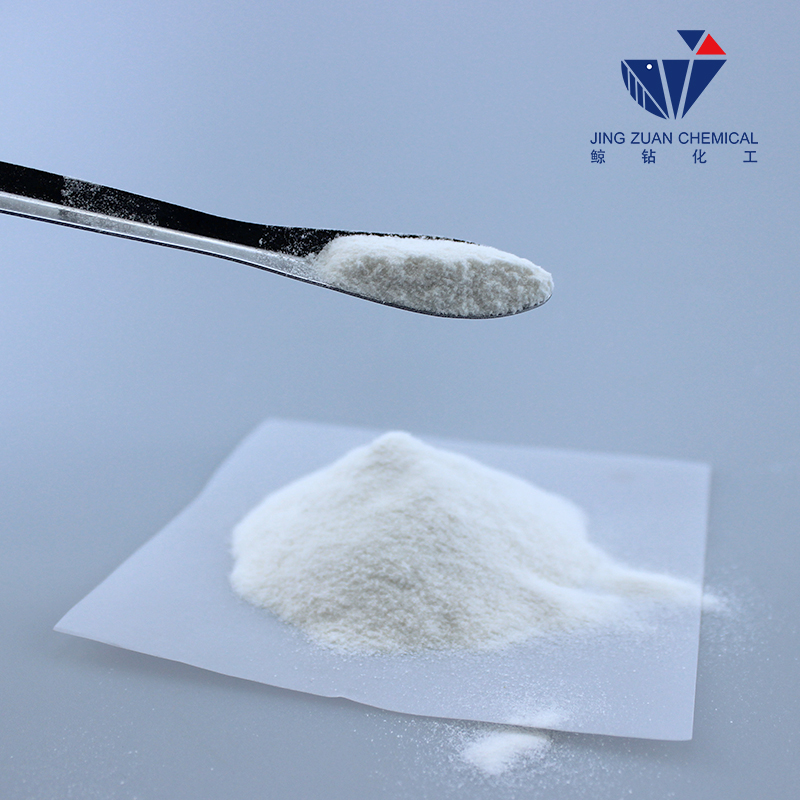
| Appearance | White powder | – |
A Quick Vendor Comparison on HPMC for Tile Adhesives
| Brand | Viscosity Range (mPa·s) | Water Retention | Custom Grade Available | Price Level |
|---|---|---|---|---|
| Brand A | 10,000–25,000 | High (95%) | Yes | Mid-range |
| Brand B | 15,000–30,000 | Very High (98%) | Limited | Premium |
| Brand C | 8,000–20,000 | Good (92%) | Yes | Budget |
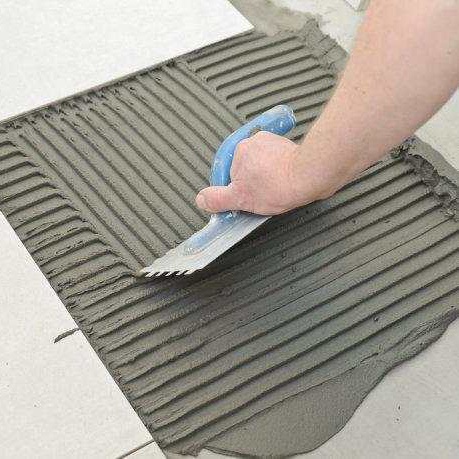
From my experience, one often overlooked advantage of HPMC is how it fine-tunes the adhesive’s texture — making it easier for workers to spread smoothly on vertical walls without slump. You know, sometimes these small things add up to big savings in labor and rework. I recall a recent project in a humid environment where the adhesive, supplemented with a tailored HPMC grade, maintained excellent performance over longer working times despite the challenging conditions.
Granted, the choice of HPMC should be quite tailored to the tile adhesive's intended application and environmental factors. It’s not a one-size-fits-all deal, and I always recommend collaborating closely with a trustworthy supplier — you can find some solid options if you visit here. They often provide technical consultation and custom product tweaks that genuinely help.
Finally, taking a step back: we sometimes think of raw materials as just ingredients, but in products like tile adhesives, they’re performance enablers. HPMC isn’t flashy, but it quietly ensures durability, ease of use, and ultimately happy customers. So yeah, for anyone specifying or formulating tile adhesives, it’s worth giving HPMC the attention it deserves.
Here’s to better tiles and fewer headaches on your next job site.
References:
- Construction Chemicals Journal, Vol. 12 - Additives Impact on Tile Adhesion (2022)
- Industrial Polymers Handbook, 3rd Edition - Cellulose Ethers (2019)
- Material Testing Report - HPMC Performance in Mortars, CNJZ Chemical (2023)
-
Understanding Hydroxypropyl Methyl Cellulose MSDS Safety and Compliance
NewsApr.16,2026
-
Understanding the Hydroxypropyl Methyl Cellulose HS Code for Global Trade
NewsApr.09,2026
-
Comprehensive Guide to Hydroxypropyl Methyl Cellulose CAS Number and Applications
NewsApr.07,2026
-
Comprehensive Guide to Hydroxypropyl Methyl Cellulose cas no and its Diverse Applications
NewsApr.04,2026
-
Comprehensive Guide to Hydroxypropyl Methyl Cellulose Manufacturers and Applications
NewsMar.31,2026
-
Understanding Hydroxypropyl Methyl Cellulose Properties And Diverse Applications
NewsMar.28,2026