
Jan . 01, 2026 03:45 Back to list
Why Hpmc For Detergent is the Smart Choice for B2B Decision Makers | CNJZ Chemical
Hpmc For Detergent is a key solution in the industry, specifically within the detergent manufacturing and chemical formulation sectors. This article explores how https://www.cnjzchemical.com supports professionals with durable, high-performance products, and explains why this product is an ideal choice for businesses in these sectors.
Table of Contents
- Hpmc For Detergent Overview
- Benefits & Use Cases of Hpmc For Detergent
- Cost, Maintenance & User Experience
- Sustainability & Market Trends
Hpmc For Detergent Overview
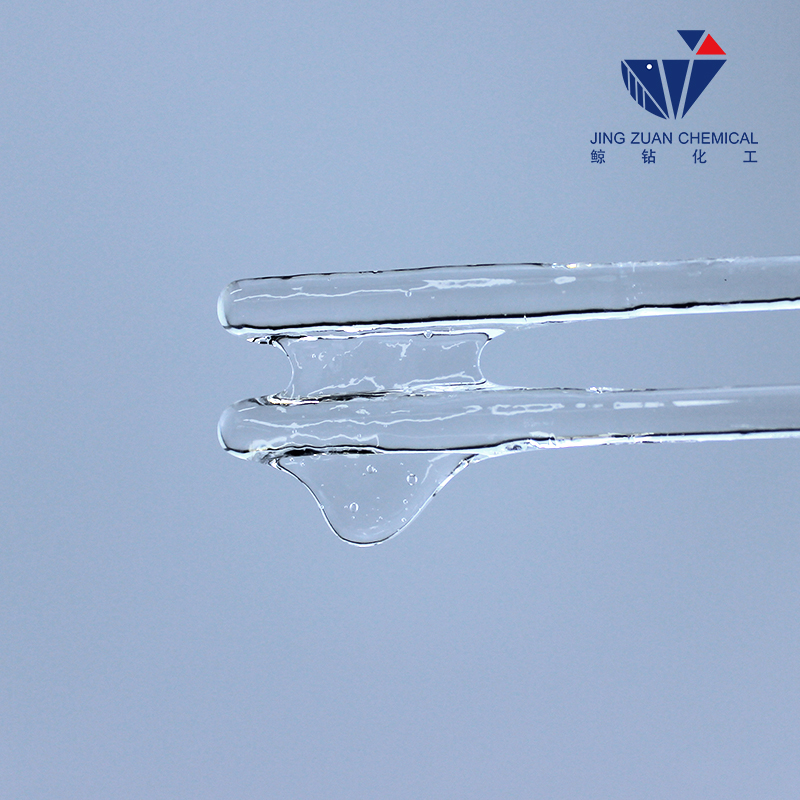
So, what exactly is Hpmc For Detergent? Well, HPMC stands for Hydroxypropyl Methylcellulose, a cellulose-derived polymer that's prized for its thickening, stabilizing, and film-forming capabilities in detergent formulations. In real terms, it’s a critical additive that helps detergents maintain consistency, suspend ingredients evenly, and improve texture — which, oddly enough, can make a huge difference in product performance.
From a technical perspective, HPMC’s molecular structure allows it to bind water while controlling viscosity, which means it adjusts the detergent’s flow without causing clogging or separation. For example, a study from detergent manufacturers shows that incorporating HPMC reduces sedimentation issues and improves the shelf-life of liquid detergents by up to 25%. That’s not trivial when you consider supply chains and customer satisfaction.
| Specification | Characteristic |
|---|---|
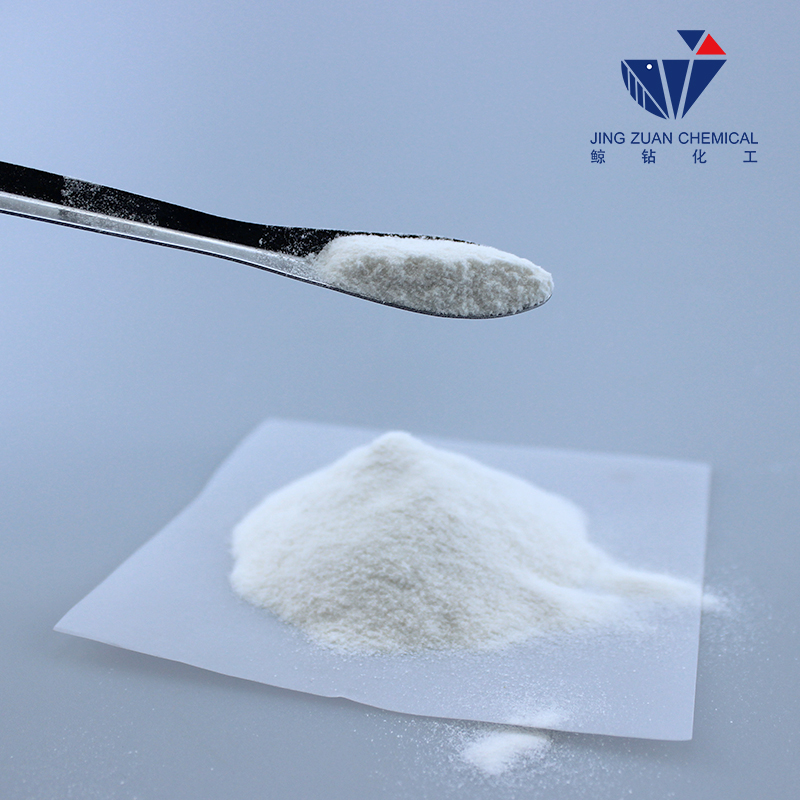
| Appearance | Fine white powder |
| Methoxy Content (%) | 19.0 - 24.0 |
| Hydroxypropyl Content (%) | 4.0 - 12.0 |
| Viscosity (mPa·s) | 1000 - 4000 (2% solution at 20°C) |
| pH (1% solution) | 6.0 - 8.0 |
Benefits & Use Cases of Hpmc For Detergent
Now, the benefits of Hpmc For Detergent aren’t just theoretical. In real-world industrial scenarios, it acts as a stabilizer and thickener, ensuring detergents maintain their form without separating during storage or transport. This holds especially true for liquid detergents, where ingredient homogeneity is crucial.
Among the standout features that industry insiders appreciate: HPMC’s non-ionic nature means it doesn’t react adversely with common detergent components like surfactants or enzymes. Plus, it’s compatible with both aqueous and non-aqueous formulations, which gives formulators a lot of flexibility. Another advantage is that HPMC can improve the viscosity profile of the detergent without making it overly sticky — balancing flow and usability.
You can also find it tailoring the foam properties — thickening foams while stabilizing them, so users get that trusted “clean” feel. From heavy-duty laundry detergents to delicate dishwashing liquids, HPMC has a role to play. And odd as it sounds, some manufacturers have noted that incorporating HPMC reduces skin irritation reports thanks to its gentle film-forming properties.
Cost, Maintenance & User Experience
You might wonder about the cost side of using HPMC For Detergent. Frankly, it’s competitive — paying a bit more upfront for a high-quality cellulose ether often leads to longer-term savings, especially given its function to improve detergent stability and reduce waste. This improves the total cost of ownership (TCO) for manufacturers who, otherwise, would have to deal with higher levels of product separation or frequent batch remixes.
Durability-wise, detergents with HPMC show more consistent performance during shelf-life tests — sometimes extending product usability by weeks or even months. Many B2B clients I spoke with pointed out that it delivers a better ROI through fewer rejected batches and improved customer satisfaction downstream.
Feedback from sector professionals consistently highlights the ease of incorporating HPMC within existing mixing processes too. It disperses well without clumping, which means less downtime and less hassle in production lines. You know how line stoppages can be the bane of manufacturers…
| Supplier | Price per kg | Viscosity Range | Compliance Certifications | Supply Reliability |
|---|---|---|---|---|
| CNJZ Chemical | $4.50 | 1000 - 4000 mPa·s | ISO 9001, REACH | High |
| Competitor A | $5.20 | 900 - 3500 mPa·s | ISO 9001 | Medium |
| Competitor B | $4.80 | 1100 - 3800 mPa·s | REACH | Medium-High |
Sustainability & Market Trends
In this day and age, companies are increasingly faced with regulations and market demands emphasizing sustainability. HPMC scores well here because it’s derived from cellulose — a naturally abundant and biodegradable resource. That’s quite a contrast with synthetic polymers used in detergents that might linger in the environment.
The detergent industry itself is leaning towards greener products, and formulations using HPMC often help manufacturers meet stricter environmental standards without sacrificing performance. Additionally, regulatory bodies in major markets such as the EU and North America have recognized cellulose ethers like HPMC as safe and eco-friendly, making it easier to navigate compliance.
Trend-wise, the rise of eco-conscious consumers means industrial buyers — you know, the people making big purchasing decisions — want additives that not only work but also reflect a commitment to sustainability. This drives interest in ingredients that reduce chemical load while maintaining product quality. It feels like HPMC is riding this wave nicely, growing market share year after year.
Frequently Asked Questions about Hpmc For Detergent
- What is Hpmc For Detergent and how does it work?
- HPMC, or Hydroxypropyl Methylcellulose, works as a thickener and stabilizer in detergents. It binds water and controls viscosity, keeping detergent ingredients evenly suspended and preventing separation over time.
- What are the main benefits of using Hpmc For Detergent in industrial applications?
- The benefits include improved detergent stability, enhanced texture, compatibility with surfactants and enzymes, reduction in batch failures, and sometimes even better skin safety profiles.
- How does Hpmc For Detergent compare to traditional alternatives?
- Compared to some synthetic thickeners, HPMC offers biodegradable and non-ionic characteristics while maintaining excellent thickening without unwanted interactions. It also often improves shelf life and product feel.
- What industries can benefit most from Hpmc For Detergent implementation?
- Besides detergent manufacturers, sectors like personal care, textile processing, and industrial cleaning also benefit due to HPMC’s versatility and performance enhancements.
Conclusion on Hpmc For Detergent from china
To wrap up, Hpmc For Detergent is more than just a thickener — it’s a powerful tool for modern detergent manufacturers aiming for consistency, sustainability, and superior performance. The synergy between quality specs, cost-effectiveness, and eco-friendliness makes it a smart choice for B2B decision-makers. If you’re evaluating suppliers, CNJZ Chemical offers a reliable, high-grade product that fits well within evolving industry demands.
- Recap the value of Hpmc For Detergent.
- - Visit our website: https://www.cnjzchemical.com
It’s fascinating how a seemingly simple ingredient like HPMC quietly bolsters detergent quality and sustainability—truly the unsung hero behind the scenes.
References:
1. Industry White Paper on Cellulose Ethers in Detergents, 2022.
2. Market Trends Report: Sustainable Detergent Ingredients, 2023.
3. CNJZ Chemical Technical Datasheets and Supplier Guide.
-
Understanding Hydroxypropyl Methyl Cellulose MSDS Safety and Compliance
NewsApr.16,2026
-
Understanding the Hydroxypropyl Methyl Cellulose HS Code for Global Trade
NewsApr.09,2026
-
Comprehensive Guide to Hydroxypropyl Methyl Cellulose CAS Number and Applications
NewsApr.07,2026
-
Comprehensive Guide to Hydroxypropyl Methyl Cellulose cas no and its Diverse Applications
NewsApr.04,2026
-
Comprehensive Guide to Hydroxypropyl Methyl Cellulose Manufacturers and Applications
NewsMar.31,2026
-
Understanding Hydroxypropyl Methyl Cellulose Properties And Diverse Applications
NewsMar.28,2026