
Dec . 02, 2025 10:15 Back to list
Comprehensive Guide to hpmc Hydroxypropyl Methyl Cellulose: Uses, Benefits, and Global Applications
Understanding hpmc hydroxypropyl methyl cellulose: A versatile material with global importance
At first glance, hpmc hydroxypropyl methyl cellulose might sound like a mouthful of chemical jargon, but it’s a fascinating and practical component used widely across industries worldwide. From construction to pharmaceuticals, its uses are shaping how we approach durability, sustainability, and innovation. In real terms, understanding this material unlocks numerous benefits — improved efficiency, safer products, and eco-friendly solutions that the world really needs today.
Globally, the market for hydroxypropyl methyl cellulose continues to expand substantially, driven by urbanization and rising demand for better-quality building materials and controlled-release drug formulations. According to market surveys by industry bodies like ISO and the World Bank, the trend reflects both developed and emerging economies’ efforts to enhance infrastructure while minimizing environmental impact. Hpmc hydroxypropyl methyl cellulose has become a quiet but powerful contributor to these developments.
What exactly is hpmc hydroxypropyl methyl cellulose?
Simply put, hydroxypropyl methyl cellulose, often abbreviated to HPMC, is a chemically modified cellulose polymer derived from plant fibers. Think of it as cellulose's smarter cousin — it thickens, stabilizes, binds, and even controls moisture effectively. This makes it ideal for applications ranging from adhesives and coatings to drugs and personal care products.
What surprises some is how versatile it is — both water-soluble and safe for consumption when properly manufactured, its attributes connect modern industrial needs with everyday humanitarian applications. For instance, its role in ensuring controlled release in medications helps increase treatment efficacy globally, while in construction, HPMC improves material workability and longevity.
Key Components & Characteristics of HPMC
1. Chemical Stability
HPMC resists degradation across a wide pH range and temperatures which makes it incredibly reliable. This stability is why it’s prized in harsh industrial environments and pharmaceutical formulations alike.
2. Water Retention & Binding
The polymer excels in retaining moisture without becoming sticky or compromised. This ability supports its use in cement mixtures, giving concrete better hydration control and ultimately longer lasting structures.
3. Solubility & Thickening Properties
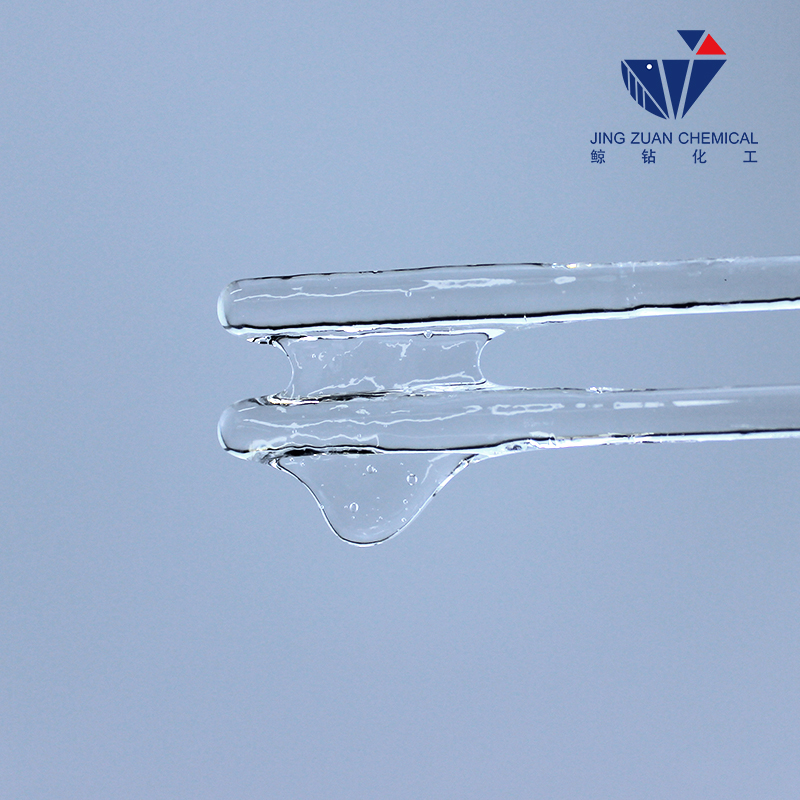
Its solubility in cold water and reversible thickening nature means manufacturers can tailor product texture on demand—perfect for paints or food products.
4. Safety & Biodegradability
Since it derives from cellulose, it’s non-toxic and biodegradable, aligning well with the global push for greener, eco-friendly materials.
Product Specification Table: Typical HPMC Grades
| Grade | Viscosity (mPa·s) | Substitution Type | Application | Appearance |
|---|---|---|---|---|
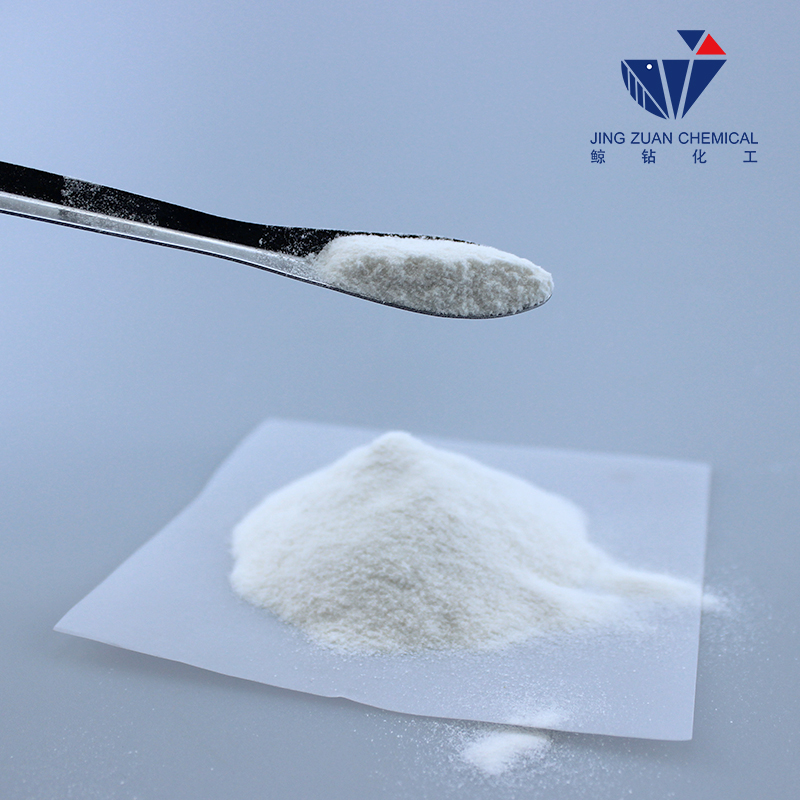
| Low Viscosity | 50–100 | Hydroxypropyl Methyl | Pharmaceutical tablets, paints | White powder |
| Medium Viscosity | 400–800 | Hydroxypropyl Methyl | Adhesives, cement additives | White powder |
| High Viscosity | 2000–3000 | Hydroxypropyl Methyl | Thickening agents, food stabilizers | White powder |
Where in the world is hpmc hydroxypropyl methyl cellulose making a difference?
The reach of hpmc hydroxypropyl methyl cellulose is vast but let’s zoom in on a few real-world highlights. In Asia, especially China and India, its use in drywall and plaster formulations is booming, encouraged by rapid urban construction. Meanwhile, pharmaceutical companies in Europe and North America rely heavily on HPMC as a binder and coating in pills, which improves patient compliance and medication release profiles.
NGOs working in post-disaster relief often use products enhanced with HPMC for fast-setting mortars, which can speed up rebuilding efforts in remote or damaged areas. Oddly enough, it also finds its way into vegan food products as a stabilizer, reflecting its versatility in addressing diverse human needs across continents.
Vendor Comparison Table: Leading HPMC Suppliers
| Supplier | Product Range | Global Reach | Quality Certifications | Lead Time |
|---|---|---|---|---|
| Supplier A | Low to High Viscosity | Global | ISO9001, GMP | 2-4 weeks |
| Supplier B | Specialty Pharmaceutical Grades | Europe, Asia | ISO9001, FDA Approved | 3-5 weeks |
| Supplier C | Construction & Food Grades | Asia, Middle East | ISO22000, REACH | 1-3 weeks |
Why choose hpmc hydroxypropyl methyl cellulose? Advantages & Long-term Value
- Cost efficiency: It’s relatively inexpensive compared to synthetic polymers, which suits large-scale industrial use.
- Environmental sustainability: Being plant-based and biodegradable, it aligns with growing global eco-standards and circular economy goals.
- Functional reliability: Users often report enhanced product lifespan and performance, which translates into trust and reduced waste.
- Safety & Comfort: Especially in food and pharma, it contributes to safer, more controlled formulations improving end-user wellbeing.
Looking ahead: Trends & innovations shaping the future of hpmc hydroxypropyl methyl cellulose
Innovation in HPMC production is focusing on greener processes with lower energy consumption and waste. Biotech advances promise new derivations with tailored functional groups that could improve solubility or binding in specialized industrial tasks.
Furthermore, digital manufacturing tools are increasingly enabling precise quality control, ensuring consistency in batch-to-batch properties—a real plus for pharmaceutical clients who need tight standards.
In sustainability, applications expanding into biodegradable packaging and slow-release agricultural products are gaining traction, reflecting a worldwide shift towards responsible manufacturing.
Challenges in using hpmc hydroxypropyl methyl cellulose and expert solutions
Despite its advantages, HPMC isn't without its quirks. For example, its sensitivity to high temperatures limits some processing methods; it can also be challenging to blend homogeneously in some formulations.
Experts suggest combining it with complementary polymers or additives to broaden its operational window. Advances in nano-formulation and cross-linking techniques are also overcoming such constraints.
Frequently Asked Questions About hpmc hydroxypropyl methyl cellulose
- What distinguishes HPMC from other cellulose ethers?
- HPMC features both hydroxypropyl and methyl substitutions, giving it unique solubility and thickening behavior compared to simpler ethers like methyl cellulose. This dual substitution offers greater versatility in applications.
- Is HPMC safe for pharmaceutical and food use?
- Yes, HPMC is generally recognized as safe (GRAS) by regulatory bodies such as the FDA and EFSA, making it suitable for controlled-release drugs and as a food additive.
- How does HPMC improve construction materials?
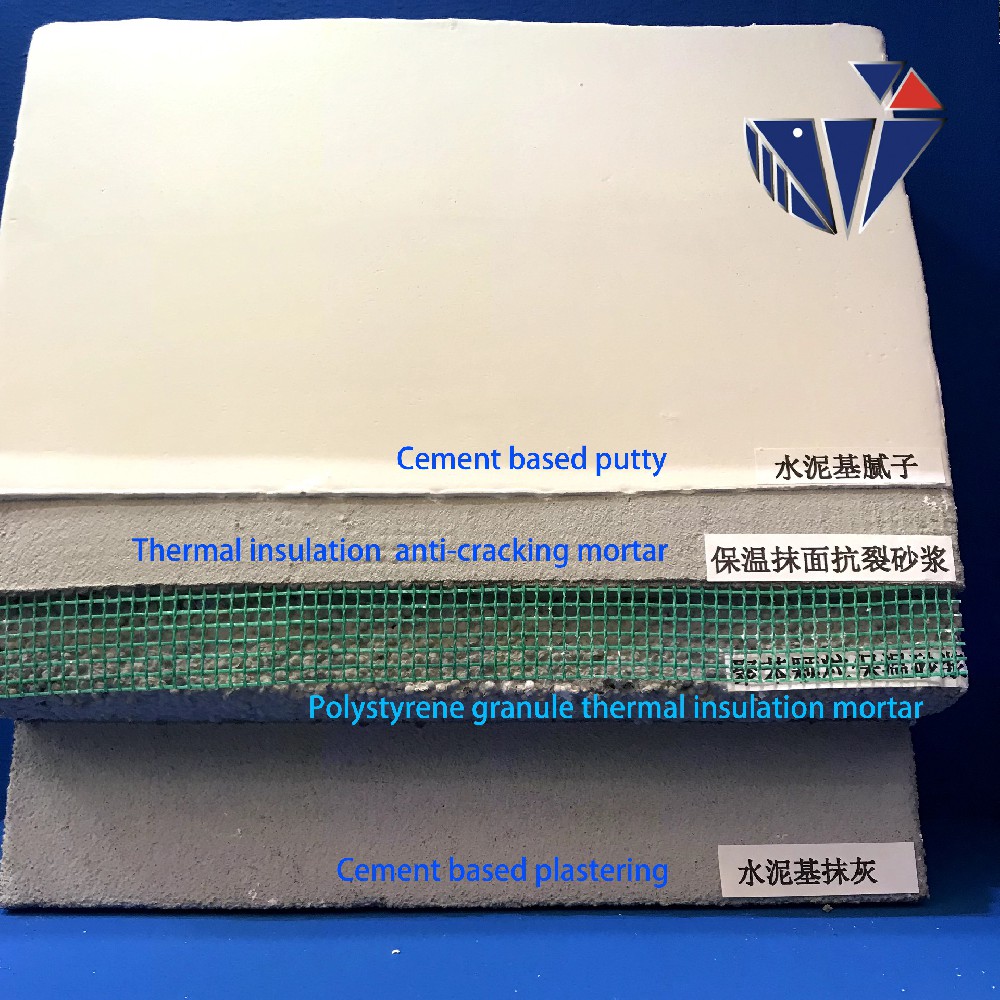
- In building, it acts as a water-retention agent and workability enhancer, resulting in smoother plaster, improved adhesion, and longer-lasting cement-based mixtures.
- Can HPMC be customized for specific industrial needs?
- Absolutely. Manufacturers can adjust viscosity, particle size, and substitution levels to create grades tailored to requirements, whether for adhesives, pharmaceuticals, or food applications.
- Where can I find reliable suppliers for large-scale procurement?
- Reputable global suppliers often provide technical support and supply chains backed by ISO certifications. It’s worth comparing options and lead times, as shown in the vendor table above.
Conclusion: Why hpmc hydroxypropyl methyl cellulose matters now and tomorrow
In a world balancing rapid growth with sustainability, hpmc hydroxypropyl methyl cellulose quietly supports industries behind the scenes. Its contribution to safer medicines, eco-conscious construction, and myriad consumer products offers long-term benefits both economically and socially.
Interested in exploring tailored HPMC solutions or learning more about the latest grades? Visit our website: hpmc hydroxypropyl methyl cellulose to connect with experts ready to help.
-
Understanding Hydroxypropyl Methyl Cellulose MSDS Safety and Compliance
NewsApr.16,2026
-
Understanding the Hydroxypropyl Methyl Cellulose HS Code for Global Trade
NewsApr.09,2026
-
Comprehensive Guide to Hydroxypropyl Methyl Cellulose CAS Number and Applications
NewsApr.07,2026
-
Comprehensive Guide to Hydroxypropyl Methyl Cellulose cas no and its Diverse Applications
NewsApr.04,2026
-
Comprehensive Guide to Hydroxypropyl Methyl Cellulose Manufacturers and Applications
NewsMar.31,2026
-
Understanding Hydroxypropyl Methyl Cellulose Properties And Diverse Applications
NewsMar.28,2026