
Dec . 02, 2025 09:40 Back to list
Comprehensive Guide to Hydroxypropyl Methyl: Uses, Benefits & Industry Insights
Understanding Hydroxypropyl Methyl: A Key Ingredient in Modern Industry
If you’re working in pharmaceuticals, food technology, or advanced manufacturing, chances are you’ve come across hydroxypropyl methyl — a versatile chemical widely used as a binder, stabilizer, and thickening agent. But why does it matter so much globally? And what’s the fuss about its multifaceted applications? Frankly, hydroxypropyl methyl is a linchpin in products we use daily, contributing to everything from drug formulations to eco-friendly packaging. Understanding its properties and uses can unlock innovations across sectors, helping industries deliver safer, more effective, and sustainable solutions.
Why Hydroxypropyl Methyl Matters Globally
On a global scale, the demand for hydroxypropyl methyl (often found as hydroxypropyl methylcellulose or HPMC) is soaring. The pharmaceutical market alone is expected to grow by 7.3% annually through 2028 (according to recent ISO reports). This surge comes as the world faces increasing demands for efficient drug delivery systems, sustainable building materials, and better food additives. The challenge? Creating products that are safe, stable, biodegradable, yet still affordable. Hydroxypropyl methyl helps address this by striking a unique balance of chemical robustness and non-toxicity.
What is Hydroxypropyl Methyl?
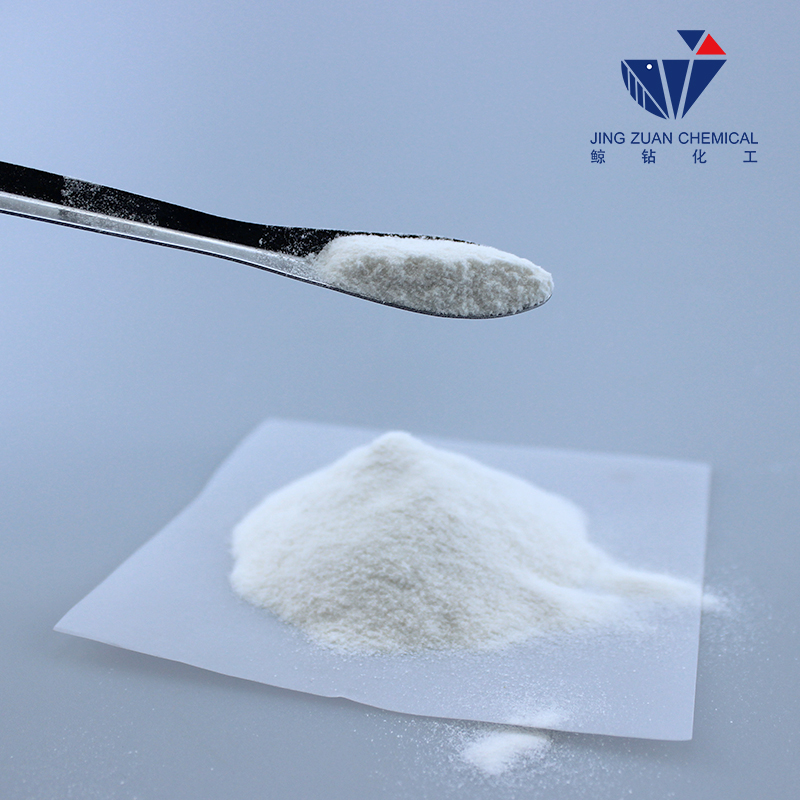
Simply put, hydroxypropyl methyl is a chemically modified cellulose derivative. Think of cellulose — the natural fiber that makes up plant cell walls. Now, add hydroxypropyl and methyl groups to it to improve its solubility, stability, and film-forming abilities. This tweak turns a common plant polymer into an industrial powerhouse useful for thickening paint, stabilizing emulsions, or forming capsule shells in medicine. It’s like nature’s cotton candy, refined for modern needs. This chemical isn’t just a lab curiosity; it’s a cornerstone in products that serve humanitarian efforts too, from clean drinking water tablets to eco-friendly discharge liners.
Core Aspects of Hydroxypropyl Methyl
1. Solubility and Film-Forming Properties
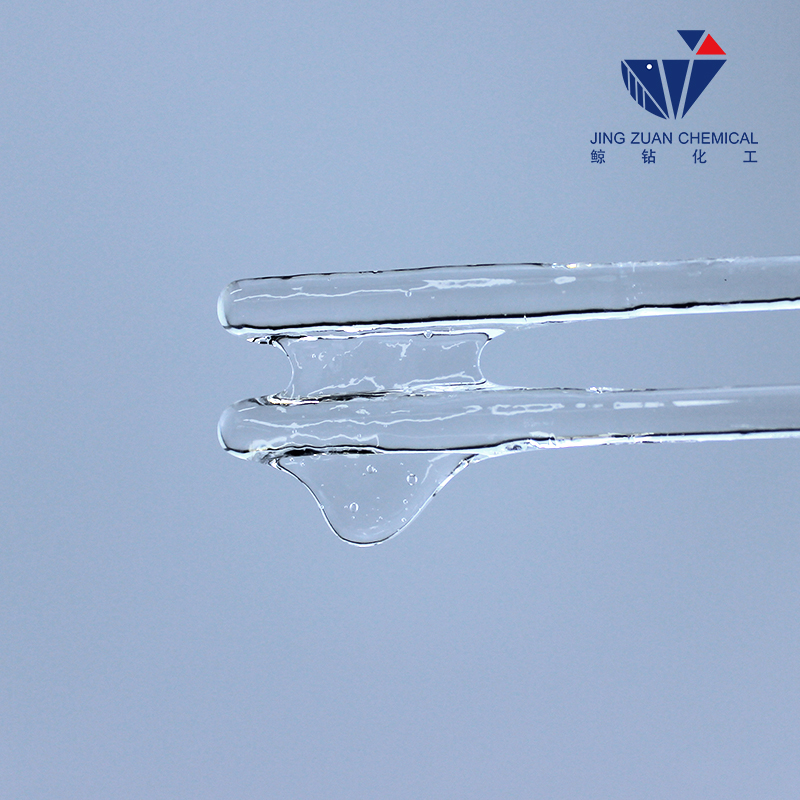
One of the standout features is its ability to dissolve in cold water, forming clear, stable films. This quality makes it invaluable in pharmaceutical coatings that protect active ingredients or control drug release. It’s also used in edible films and adhesives.
2. Stability Across pH and Temperature Ranges
Hydroxypropyl methyl remains stable in acidic to neutral pH, which is critical for foods and medicines passing through the human digestive system. Plus, it tolerates a decent temperature spread without breaking down, making it useful in diverse climates and industrial processes.
3. Non-Toxic and Biodegradable Nature
Environmental concerns push industries towards greener materials. Luckily, this compound is not only safe for consumption but also biodegradable, reducing ecological footprint when used as a packaging or binding agent.
4. Versatility in Formulation
It plays multiple roles: as a thickener, emulsifier, binder, and stabilizer. This flexibility enables product developers to customize textures, viscosities, and shelf-lives across sectors.
Mini Takeaway:
Hydroxypropyl methyl’s core strengths lie in solubility, stability, safety, and formulation versatility — a combo that drives its wide industrial appeal.
Global Applications & Use Cases
Hydroxypropyl methyl, especially in forms like HPMC, finds diverse global applications:
- Pharmaceuticals: As a capsule shell material and controlled-release agent, it ensures medications dissolve properly, boosting efficacy and patient safety.
- Food Industry: Used as a thickening and stabilizing agent in sauces, bakery products, and low-fat foods to improve mouthfeel and shelf-life.
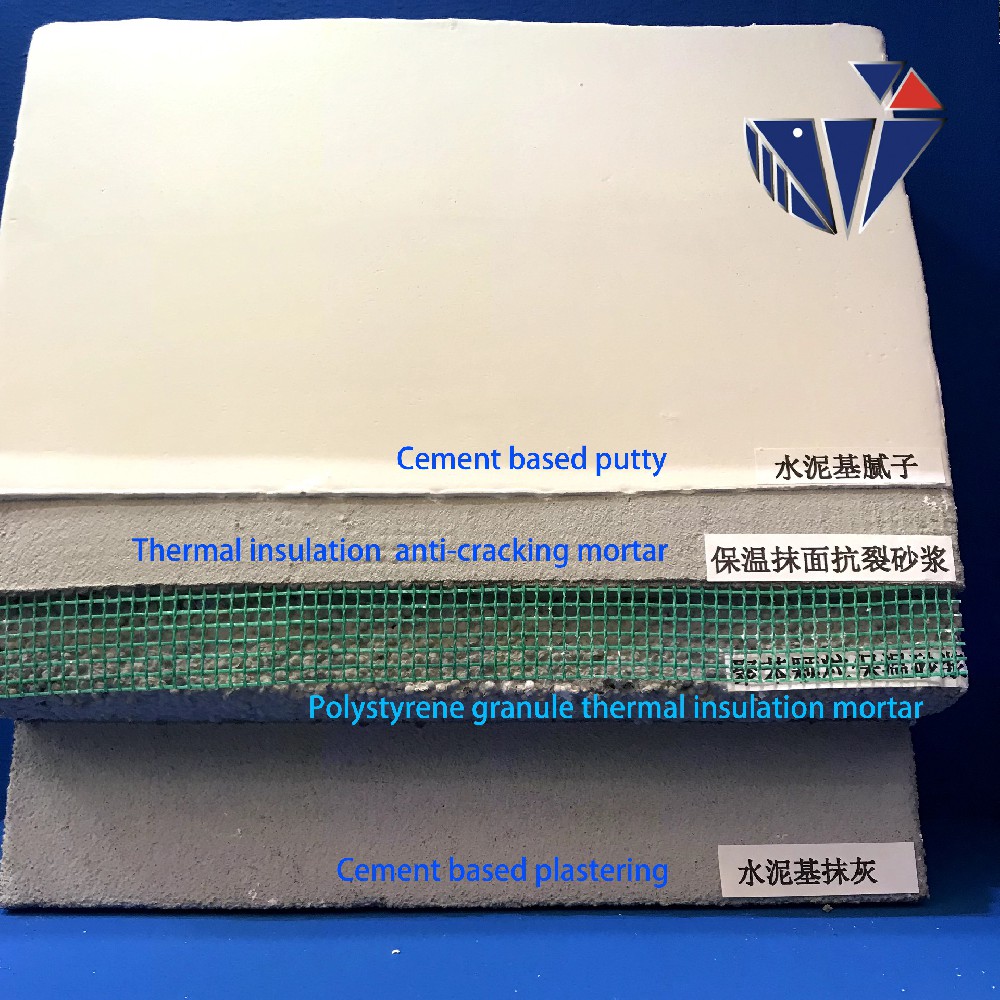
- Construction: Acts as a water-retaining agent and thickener in cement and gypsum products, key to modern building durability.
- Cosmetics: Stabilizes creams and gels ensuring smooth textures and consistent application.
- Water Treatment: Hydroxypropyl methyl compounds help deliver water purification tablets distributed in disaster zones, supporting clean drinking water access.
For example, in post-disaster relief operations in South Asia, hydroxypropyl methyl-based capsules and water purification tablets have improved healthcare outcomes in challenging conditions. Similarly, the construction sector in the Middle East leverages its properties for durable, flexible building materials that withstand harsh climates.
Advantages & Long-Term Value of Hydroxypropyl Methyl
The tangible benefits are many:
- Cost-effective: Offers multifunctional use reducing the number of additives needed.
- Sustainability: Biodegradability aligns with rising eco-conscious regulations and consumer preferences.
- Safety: Non-toxic, non-irritant — crucial for pharmaceuticals and food applications.
- Reliability: Performs consistently even in complex formulations.
But on a deeper level, it fosters trust — product makers can assure consumers that what touches their skin or enters their body is rigorously tested and safe. It’s not just chemistry; it’s dignity and innovation packaged in a single molecule.
Product Specification Table
| Property | Typical Range | Unit |
|---|---|---|
| Degree of Methoxyl Substitution | 19-30 | % |
| Degree of Hydroxypropyl Substitution | 4-12 | % |
| Viscosity (2% solution) | 100-4000 | mPa·s |
| pH (1% solution) | 5.0-8.0 | — |
| Moisture Content | 5 max | % |
Vendor Comparison of Hydroxypropyl Methylcellulose (HPMC) Suppliers
| Supplier | Production Capacity (tons/year) | Quality Certifications | Price Range (USD/kg) | Lead Time |
|---|---|---|---|---|
| Supplier A | 10,000 | ISO 9001, USP | 5.00 - 6.50 | 2 weeks |
| Supplier B | 7,500 | ISO 9001, GMP | 5.50 - 7.00 | 3 weeks |
| Supplier C | 12,000 | ISO 9001, Halal | 4.80 - 6.20 | 1.5 weeks |
Future Trends & Innovations in Hydroxypropyl Methyl Use
Innovation doesn’t sleep here. Emerging trends indicate the rise of bio-based and nanostructured hydroxypropyl methyl derivatives, aiming to enhance bioavailability in drugs and improve biodegradable packaging even further. Digital transformation — through smart manufacturing — optimizes quality control, reducing waste and boosting consistency.
Meanwhile, a push toward climate-friendly production methods is reshaping supply chains. Some companies explore green solvents and enzyme-catalyzed processes to lower environmental footprints. I suppose this means we'll be seeing even cleaner chemistry paired with digital tweaks to supply higher-quality material — faster and cheaper — within a few years.
Challenges & Solutions
It's not all smooth sailing. Hydroxypropyl methyl’s tendency to absorb moisture can complicate storage and transport, especially in humid climates. Its production also requires significant energy and resources, sometimes posing sustainability questions.
Experts recommend using advanced packaging and controlled environments to mitigate moisture. On the sustainability front, scaling up renewable cellulose sources (like agricultural waste) could ease supply pressure. Research in alternative extraction methods could further reduce energy consumption.
FAQ: Frequently Asked Questions About Hydroxypropyl Methyl
-
Q: What makes hydroxypropyl methyl different from regular cellulose?
A: Hydroxypropyl methyl is a chemically modified cellulose that dissolves in cold water and forms films, unlike regular cellulose which is mostly insoluble. This modification improves its stability and usability in pharmaceuticals, foods, and construction. -
Q: Is hydroxypropyl methyl safe for long-term consumption?
A: Yes, it's generally recognized as safe (GRAS) by multiple regulatory agencies including the FDA. It’s non-toxic, non-irritant, and widely used in food and drug products for decades. -
Q: How does hydroxypropyl methyl improve drug delivery?
A: It acts as a binder and controlled-release agent, enabling medications to dissolve at a steady rate, improving efficacy and reducing side effects. -
Q: Can hydroxypropyl methyl be used in eco-friendly packaging?
A: Absolutely. Its biodegradable nature makes it an excellent choice for sustainable packaging films and coatings that reduce plastic waste. -
Q: How do I source hydroxypropyl methyl internationally?
A: Working with certified suppliers compliant with ISO and GMP standards ensures product quality. Logistics companies experienced with chemical transport can assist with customs and regulatory requirements.
Conclusion
Hydroxypropyl methyl’s unique blend of solubility, stability, and safety makes it a true workhorse across industries — a material that quietly yet reliably enhances products that serve millions worldwide. Whether as a pharmaceutical excipient or an eco-conscious packaging agent, it embodies the intersection of innovation and sustainability.
Curious to explore its potential in your products? Visit our website at https://www.cnjzchemical.com for detailed product info, technical datasheets, and expert consultation.
Final Takeaway
In real terms, hydroxypropyl methyl shows how a simple cellulose tweak can ripple through industries and communities—proving that smart chemistry still holds the keys to modern challenges.
References
-
Understanding Hydroxypropyl Methyl Cellulose MSDS Safety and Compliance
NewsApr.16,2026
-
Understanding the Hydroxypropyl Methyl Cellulose HS Code for Global Trade
NewsApr.09,2026
-
Comprehensive Guide to Hydroxypropyl Methyl Cellulose CAS Number and Applications
NewsApr.07,2026
-
Comprehensive Guide to Hydroxypropyl Methyl Cellulose cas no and its Diverse Applications
NewsApr.04,2026
-
Comprehensive Guide to Hydroxypropyl Methyl Cellulose Manufacturers and Applications
NewsMar.31,2026
-
Understanding Hydroxypropyl Methyl Cellulose Properties And Diverse Applications
NewsMar.28,2026