
Mar . 06, 2026 03:15 Back to list
Comprehensive Guide to HPMC Hydroxypropyl Methyl Cellulose Applications and Grades
HPMC Hydroxypropyl Methyl Cellulose: A Comprehensive Guide
Hydroxypropyl Methyl Cellulose (HPMC) is a versatile polymer widely used across various industries, including pharmaceuticals, construction, food, and cosmetics. Its unique properties as a thickener, binder, film-former, and protective colloid make it an invaluable ingredient in numerous applications. This article will delve into the key characteristics, benefits, applications, and grades of HPMC, providing a thorough understanding for professionals and manufacturers. Understanding the nuances of HPMC is crucial for optimizing product performance and ensuring quality.

Understanding HPMC: Properties and Benefits
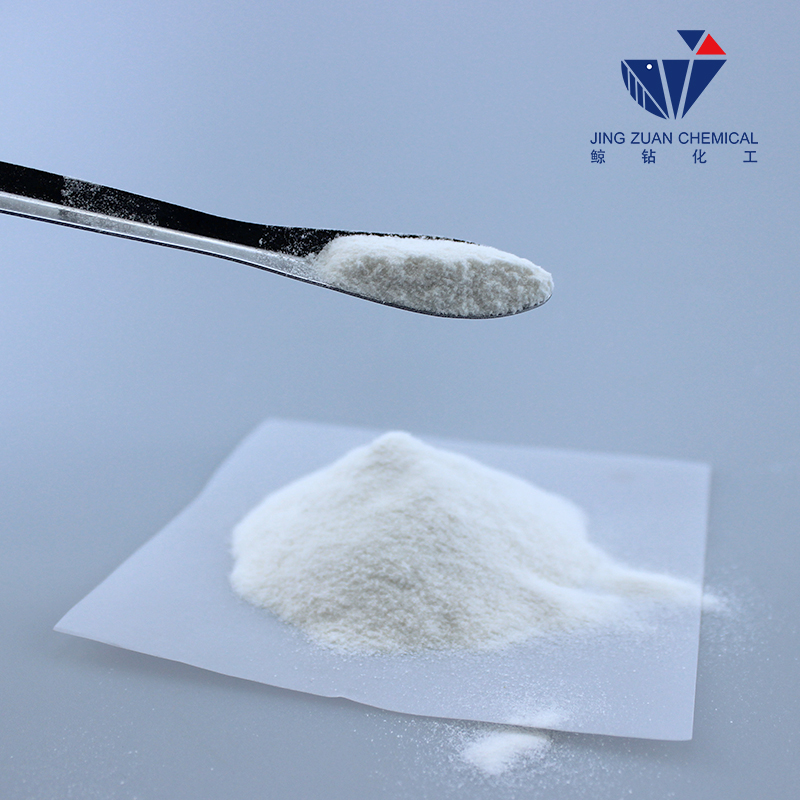
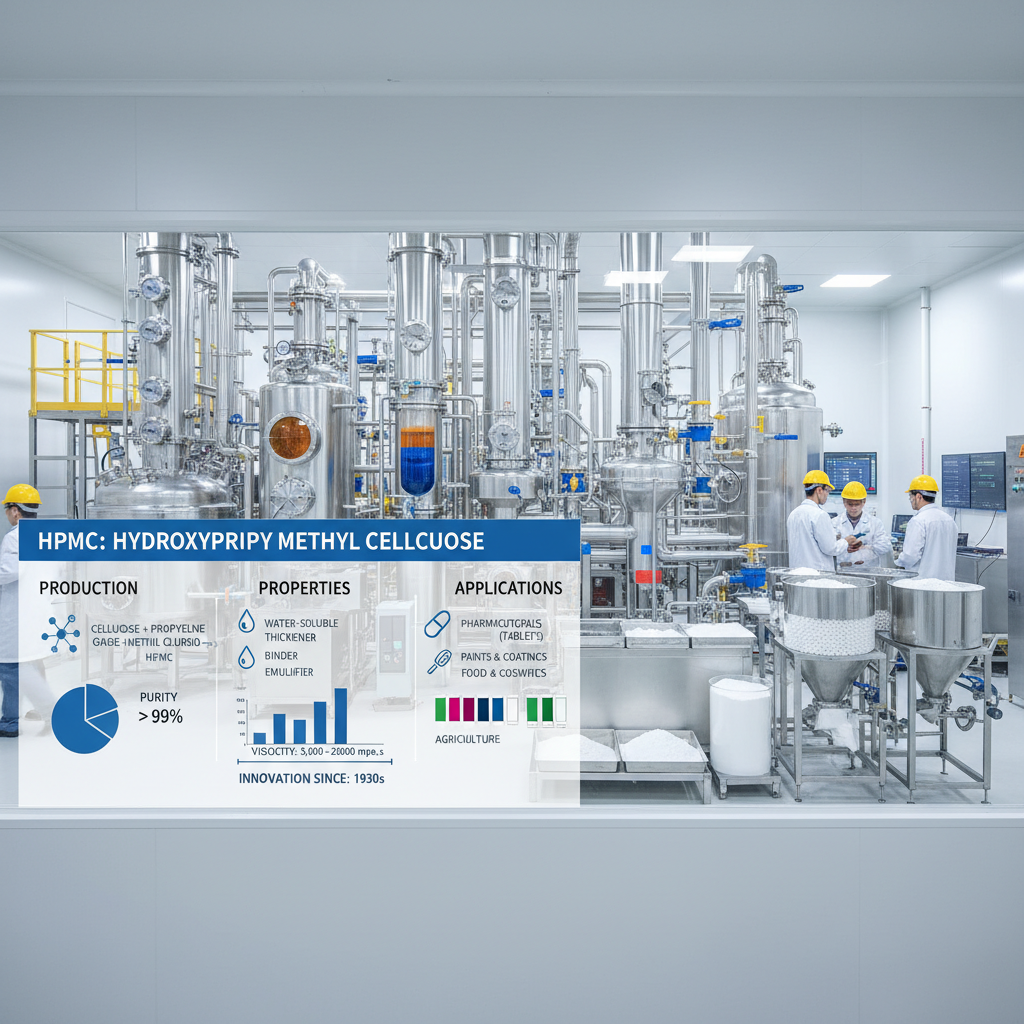
HPMC is a non-ionic cellulose ether produced by chemically modifying cellulose. This modification imparts water solubility, thermal gelation properties, and excellent film-forming capabilities. Key benefits of using HPMC include its ability to control viscosity, improve stability, enhance texture, and provide sustained release characteristics. It's also biocompatible and non-toxic, making it suitable for pharmaceutical and food applications. The degree of substitution (DS) of hydroxypropyl and methyl groups influences the HPMC’s properties, allowing for customization to specific application needs. CNJZ Chemical offers a wide range of HPMC grades to meet diverse industry demands.
Key Highlights: Excellent water solubility, thermal gelation properties, biocompatibility, non-toxicity, and customizable viscosity.
Applications of HPMC Across Industries
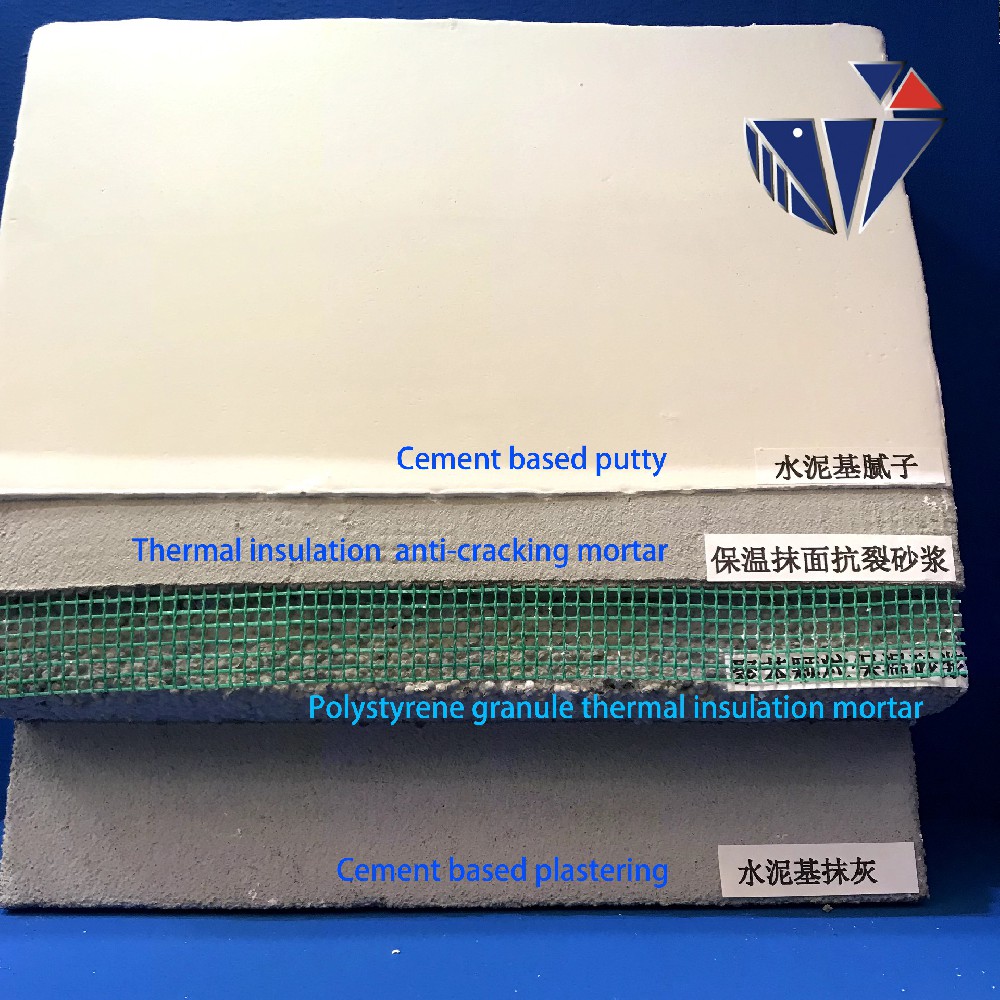
The versatility of HPMC leads to its widespread use across diverse sectors. In the pharmaceutical industry, it’s used as a binder for tablets, a coating agent for sustained-release formulations, and a viscosity enhancer for eye drops. In construction, HPMC is a key ingredient in tile adhesives, renders, and self-leveling compounds, improving workability and water retention. The food industry utilizes HPMC as a thickener, stabilizer, and emulsifier in sauces, desserts, and dairy products. Cosmetics benefit from HPMC’s film-forming properties in lotions, creams, and shampoos. CNJZ Chemical’s HPMC products cater to all these industries with specialized grades.
Key Application Areas:
• Pharmaceuticals (tablet binding, sustained release)
• Construction (tile adhesives, renders)
• Food (thickening, stabilization)
• Cosmetics (film formation)
HPMC Grades and Their Applications: A Detailed Comparison
Different grades of HPMC are available, each tailored for specific applications based on their viscosity, particle size, and degree of substitution. Lower viscosity grades are ideal for coatings and solutions, while higher viscosity grades are suited for thickeners and suspensions. Understanding these distinctions is critical for optimal performance. Choosing the correct grade will significantly impact the final product’s texture, stability, and efficacy. CNJZ Chemical provides detailed specifications and technical support to help you select the appropriate HPMC grade.
HPMC vs. Other Cellulose Ethers: A Performance Overview
While several cellulose ethers offer thickening and binding properties, HPMC stands out due to its unique thermal gelation characteristics and excellent water retention. Compared to Methyl Cellulose (MC), HPMC offers improved stability at higher temperatures and lower pH levels. Hydroxyethyl Cellulose (HEC) generally provides better film clarity but lacks the thermal gelation properties of HPMC. Carboxymethyl Cellulose (CMC) is less expensive but exhibits lower stability and can be affected by salt concentrations. CNJZ Chemical provides comparative data sheets to help you choose the optimal cellulose ether for your specific application.
Ensuring Quality and Safety: HPMC Standards and Regulations
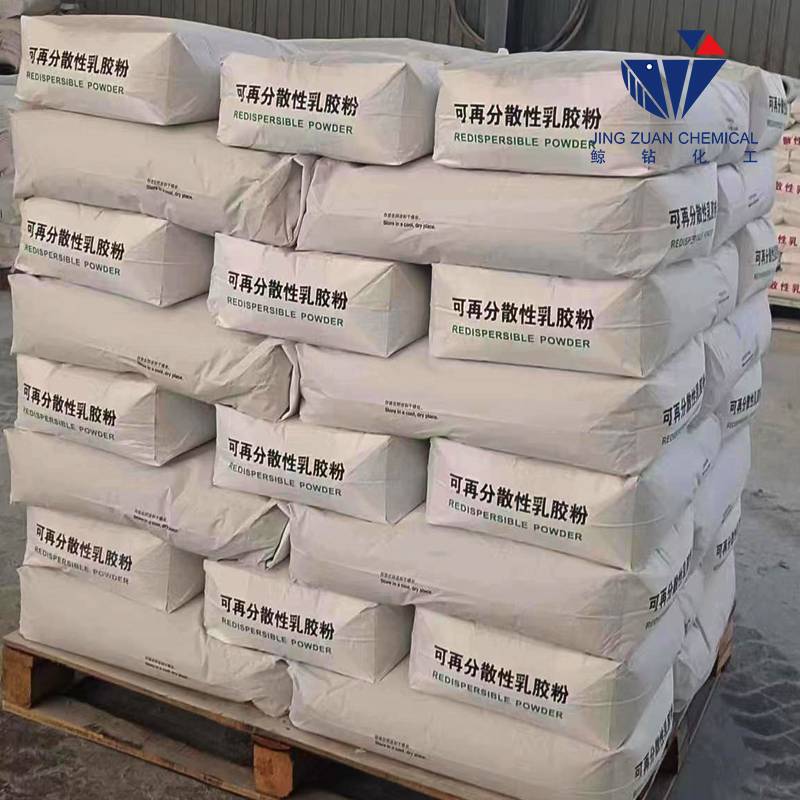
HPMC used in pharmaceutical and food applications must meet stringent quality standards, including those set by the United States Pharmacopeia (USP), the European Pharmacopoeia (EP), and the Food Chemicals Codex (FCC). CNJZ Chemical adheres to these standards, providing HPMC products with complete traceability and comprehensive quality control documentation. Proper storage is also critical to maintaining HPMC's quality. It should be stored in a cool, dry place, away from direct sunlight and moisture. Always refer to the manufacturer’s safety data sheet (SDS) for detailed handling and storage instructions.
Conclusion: HPMC – A Vital Polymer for Modern Industries
HPMC continues to be an essential polymer for numerous industries due to its exceptional versatility and performance characteristics. From enhancing drug delivery systems to improving the workability of construction materials, its applications are continually expanding. Choosing a reliable supplier like CNJZ Chemical ensures you receive high-quality HPMC products that meet your specific needs and adhere to stringent industry standards.
Frequently Asked Questions (FAQs)
What factors influence the viscosity of HPMC solutions?
Several factors affect HPMC solution viscosity, including the grade of HPMC (molecular weight and degree of substitution), concentration, temperature, pH, and the presence of salts. Higher molecular weight and higher concentration generally result in higher viscosity. Temperature decreases viscosity, while certain salts can either increase or decrease it depending on the type and concentration. Maintaining consistent conditions is crucial for reproducible results.
Is HPMC compatible with other excipients and additives?
HPMC generally exhibits good compatibility with many common excipients and additives used in pharmaceutical, food, and cosmetic formulations. However, compatibility should always be verified through testing, particularly with highly charged or reactive substances. In some cases, additives can influence HPMC's viscosity or stability. It’s recommended to consult with a formulation expert or the supplier (CNJZ Chemical) to ensure compatibility.
What is the thermal gelation property of HPMC and how is it utilized?
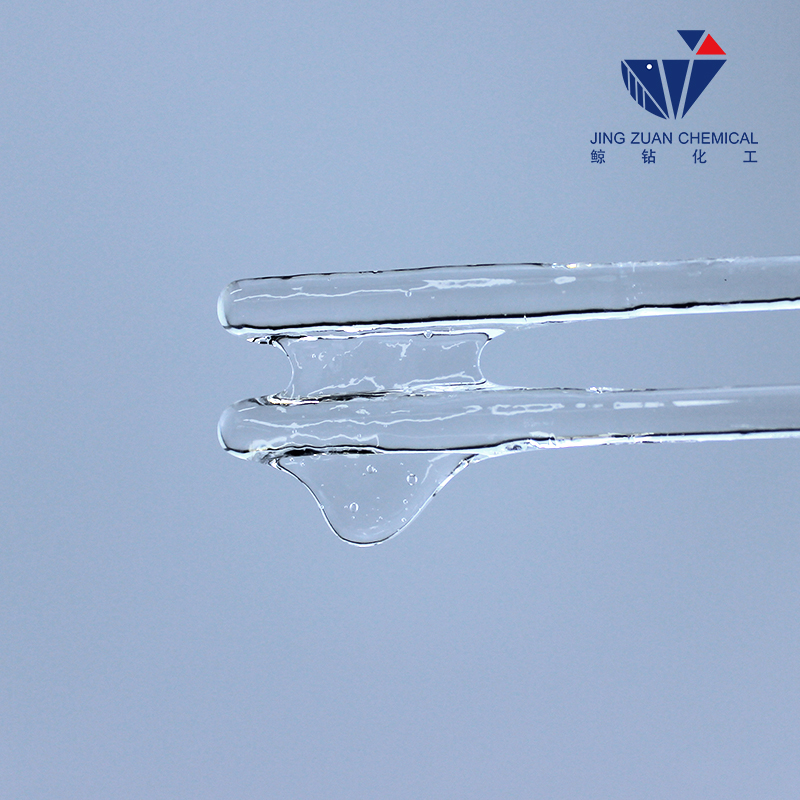
Thermal gelation is a unique property of HPMC where a solution becomes viscous and forms a gel upon heating. This is due to the aggregation of HPMC chains at higher temperatures. This property is utilized in controlled-release pharmaceutical formulations, where the gel formation slows down drug release in the gastrointestinal tract. It's also used in certain food applications to create texture and stability.
How should HPMC be stored to maintain its quality?
HPMC should be stored in a cool, dry, and well-ventilated area, protected from direct sunlight and moisture. Containers should be tightly closed to prevent contamination and absorption of humidity. Proper storage is critical to prevent degradation and maintain its functionality. The recommended storage temperature is between 15°C and 25°C.
-
Understanding Hydroxypropyl Methyl Cellulose MSDS Safety and Compliance
NewsApr.16,2026
-
Understanding the Hydroxypropyl Methyl Cellulose HS Code for Global Trade
NewsApr.09,2026
-
Comprehensive Guide to Hydroxypropyl Methyl Cellulose CAS Number and Applications
NewsApr.07,2026
-
Comprehensive Guide to Hydroxypropyl Methyl Cellulose cas no and its Diverse Applications
NewsApr.04,2026
-
Comprehensive Guide to Hydroxypropyl Methyl Cellulose Manufacturers and Applications
NewsMar.31,2026
-
Understanding Hydroxypropyl Methyl Cellulose Properties And Diverse Applications
NewsMar.28,2026