
Mar . 05, 2026 02:05 Back to list
Comprehensive Guide to Hydroxypropyl Methyl Cellulose and Its Diverse Applications
Understanding Hydroxypropyl Methyl Cellulose (HPMC): A Comprehensive Guide
Hydroxypropyl Methyl Cellulose (HPMC) is a versatile polymer derived from cellulose, widely utilized across diverse industries including construction, pharmaceuticals, food, and cosmetics. Known for its thickening, binding, film-forming, and water-retention properties, HPMC plays a crucial role in enhancing product performance and stability. This article provides an in-depth exploration of HPMC, its properties, applications, and how CNJZ Chemical delivers high-quality HPMC solutions to meet varied industrial needs. Understanding HPMC's characteristics is key to unlocking its full potential in your applications.
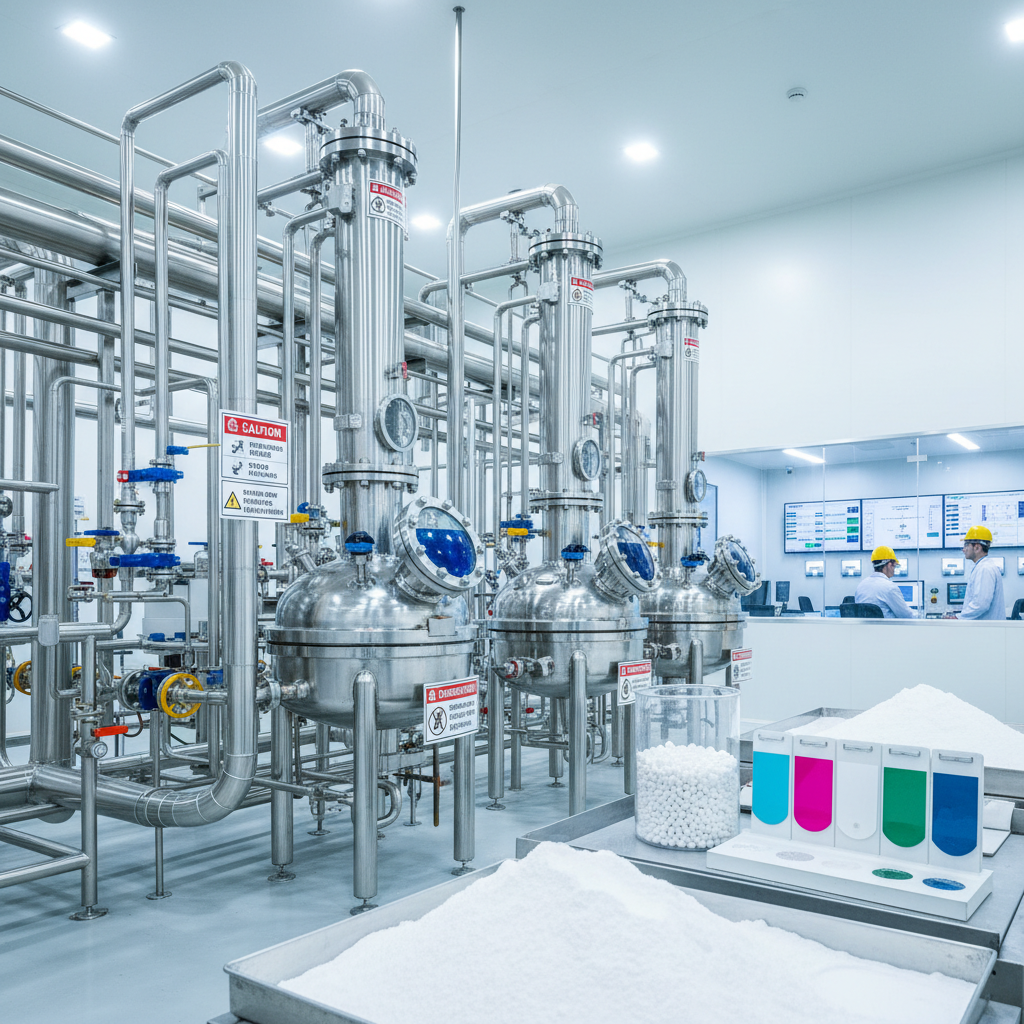
What is Hydroxypropyl Methyl Cellulose (HPMC)?
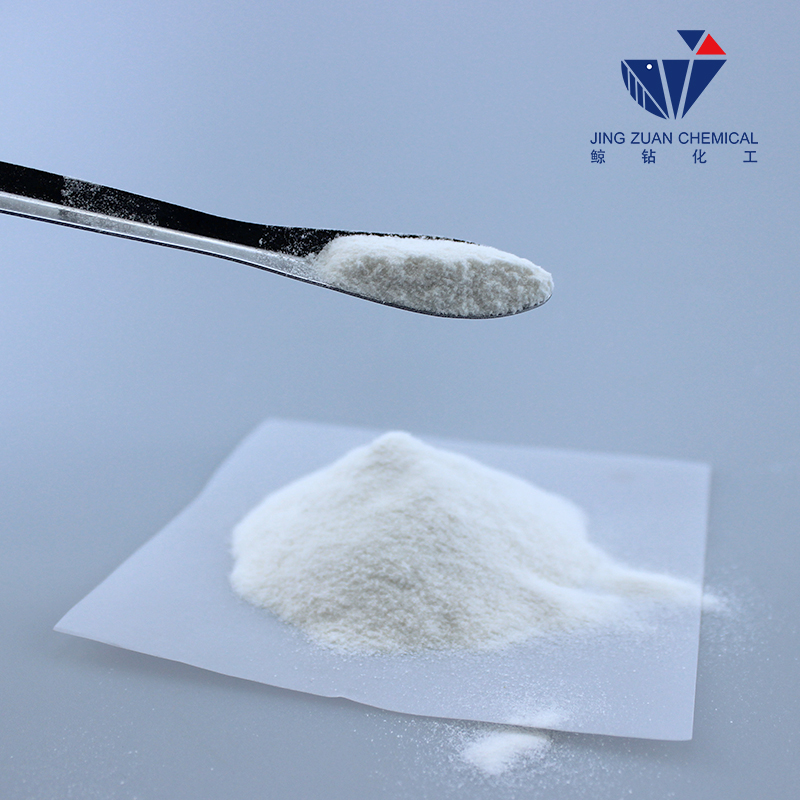
HPMC is a non-ionic cellulose ether produced by chemically modifying cellulose. This modification introduces hydroxypropyl and methyl groups, altering the cellulose’s properties to enhance its solubility and functionality. The degree of substitution (DS) – the average number of substituent groups per anhydroglucose unit – significantly influences HPMC's characteristics, such as viscosity, gelation temperature, and water solubility. CNJZ Chemical's HPMC is manufactured with precise control over DS, ensuring consistent quality and performance.
Key Highlights: HPMC offers exceptional thickening, binding, film-forming, and water retention capabilities. It's biocompatible, odorless, and tasteless, making it suitable for a wide range of applications.
Key Properties of Hydroxypropyl Methyl Cellulose
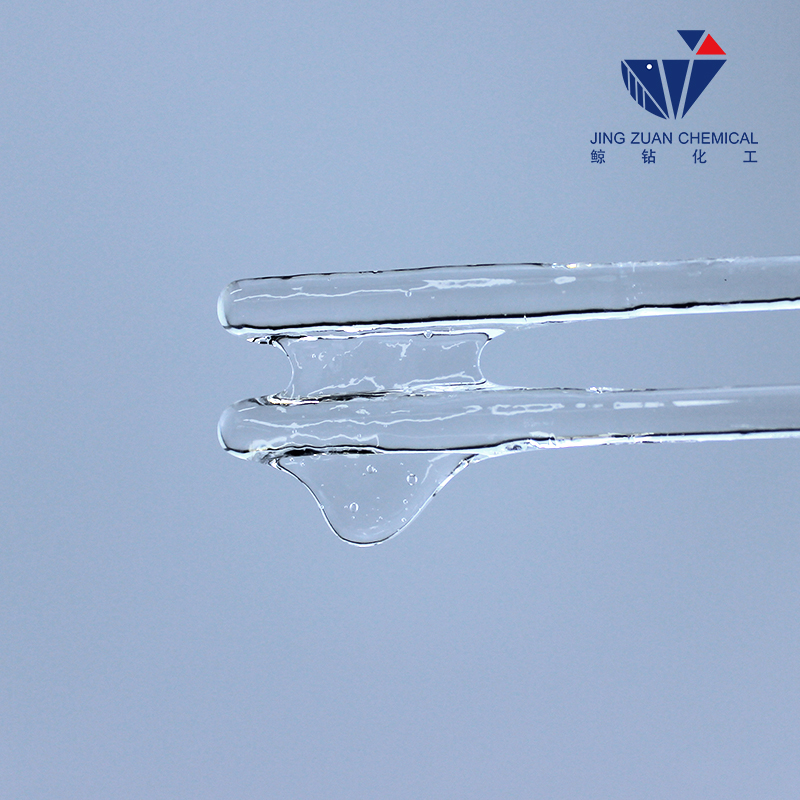
HPMC exhibits a unique combination of properties that make it invaluable in various formulations. These include high solubility in water, providing clear and stable solutions. It demonstrates excellent thermal gelation – forming a gel upon heating and reverting to a liquid upon cooling – crucial in applications like hot melt adhesives. Furthermore, HPMC offers excellent film-forming capabilities, creating strong, flexible, and transparent films. Finally, its superior water retention properties prevent drying and cracking, enhancing product longevity.
HPMC Key Properties:
• High water solubility
• Thermal gelation
• Excellent film-forming capabilities
• Superior water retention
HPMC Grades and Specifications
HPMC is available in various grades, categorized by viscosity, particle size, and degree of substitution. Viscosity, measured in mPa·s (centipoise), determines the thickening ability. Particle size influences dissolution rate. CNJZ Chemical offers a comprehensive range of HPMC grades tailored to specific application requirements. Below is a typical specification table:
Applications of Hydroxypropyl Methyl Cellulose
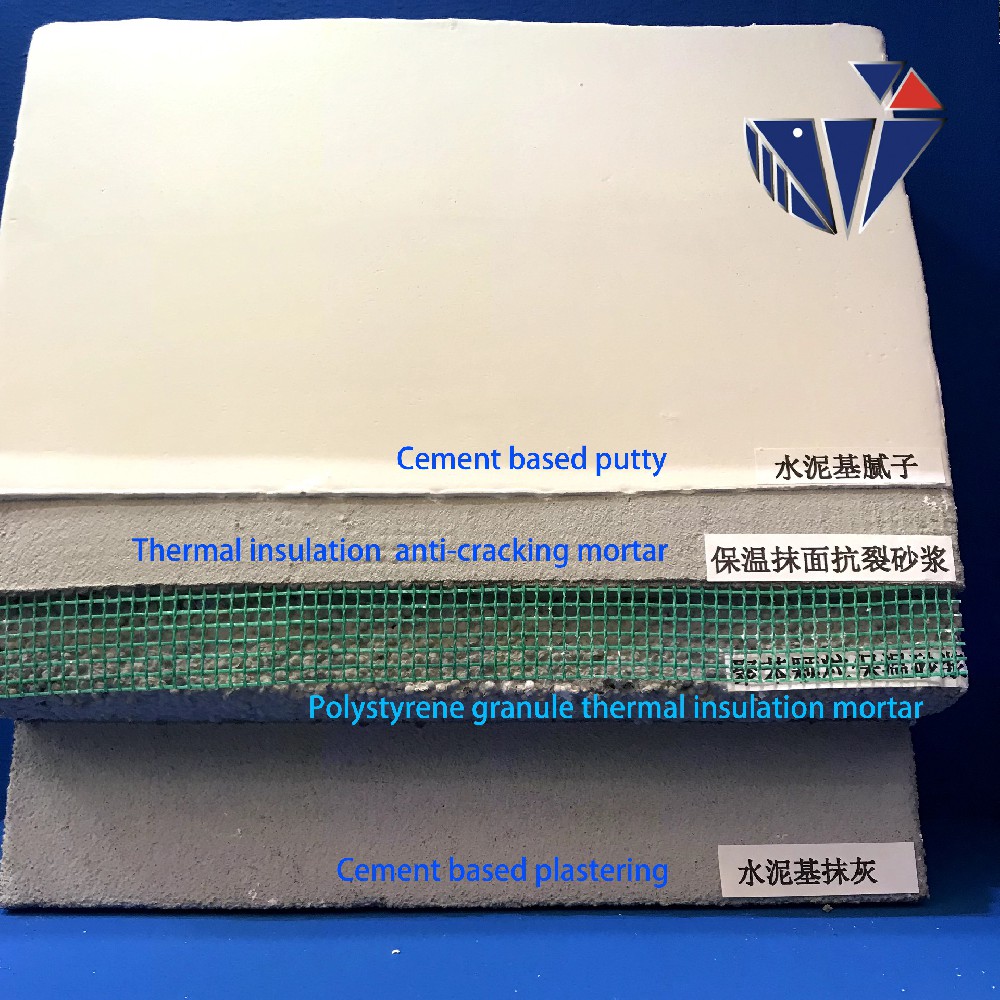
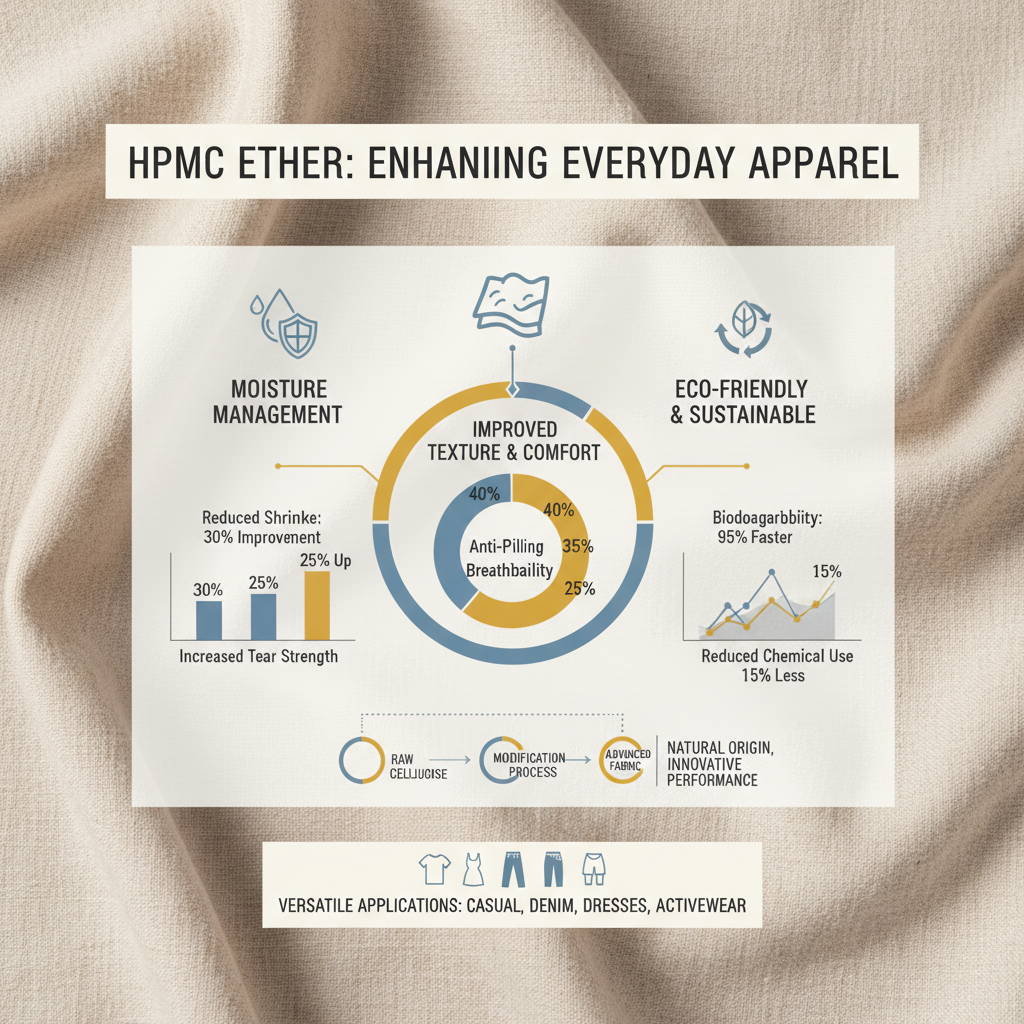
The diverse properties of HPMC lead to a wide spectrum of applications. In the construction industry, it’s used as a thickener, water retention agent, and adhesion promoter in cement-based products like tile adhesives, renders, and self-leveling compounds. In pharmaceuticals, it serves as a binder, film-coating agent, and controlled-release matrix. The food industry utilizes HPMC as a thickener, stabilizer, and emulsifier in products like sauces, desserts, and baked goods. Cosmetically, it's found in lotions, creams, and shampoos as a thickener and film-former. CNJZ Chemical provides HPMC solutions optimized for each of these sectors.
HPMC vs. Other Cellulose Ethers: A Comparison
While several cellulose ethers exist – like Methyl Cellulose (MC) and Carboxymethyl Cellulose (CMC) – HPMC offers distinct advantages. Compared to MC, HPMC exhibits better thermal gelation and broader pH stability. Against CMC, HPMC delivers superior water retention, film-forming properties, and reduced salt sensitivity. This makes HPMC the preferred choice in applications requiring robust performance across varying conditions. CNJZ Chemical’s HPMC consistently outperforms alternatives, ensuring optimal results for your formulations.
Conclusion: Choosing the Right HPMC Partner
Selecting the right HPMC grade and supplier is crucial for achieving optimal product performance. CNJZ Chemical offers a comprehensive portfolio of high-quality HPMC products, backed by technical expertise and reliable supply. We are dedicated to providing customized solutions to meet your specific formulation needs. Partner with us for consistent quality and exceptional results.
Frequently Asked Questions (FAQs)
What factors influence the viscosity of HPMC solutions?
The viscosity of HPMC solutions is influenced by several factors, including the molecular weight of the HPMC, the concentration of HPMC in the solution, temperature, pH, and the presence of salts. Higher molecular weight HPMC generally results in higher viscosity. Increasing the HPMC concentration also increases viscosity. Higher temperatures typically decrease viscosity, while extreme pH values can cause degradation and affect viscosity. The addition of salts can either increase or decrease viscosity depending on the type of salt and its concentration. Careful consideration of these factors is essential for achieving the desired viscosity in your application.
How should HPMC be stored to maintain its quality?
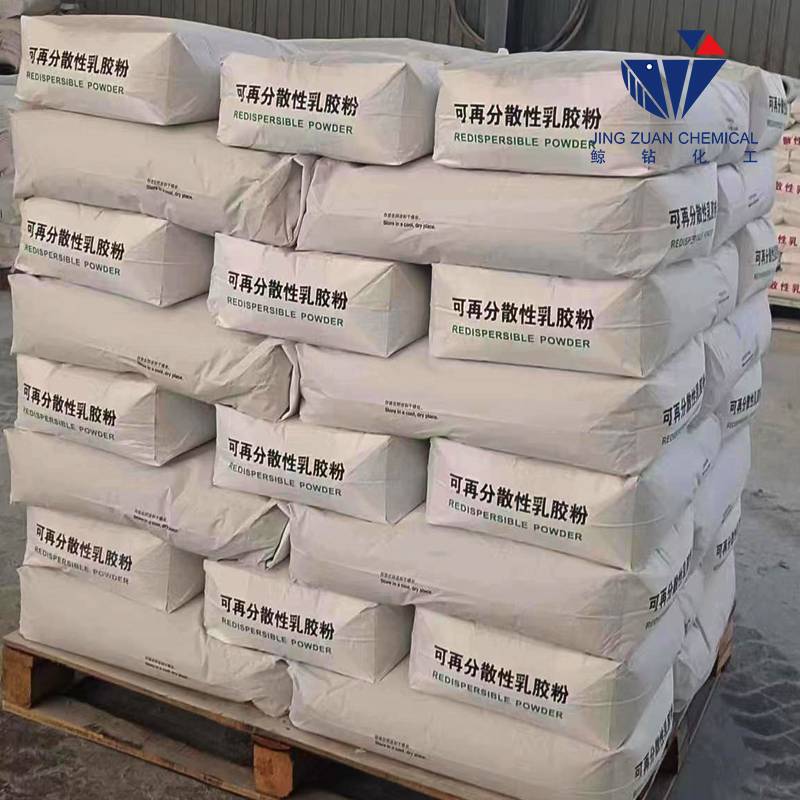
HPMC should be stored in a cool, dry, and well-ventilated area, away from direct sunlight, heat sources, and moisture. It is crucial to keep the packaging tightly closed to prevent absorption of moisture from the atmosphere, which can lead to clumping and reduced performance. Proper storage conditions will ensure the HPMC remains stable and retains its original properties for an extended period.
Is HPMC biodegradable?
While HPMC is derived from a natural source (cellulose), its biodegradability is limited due to the chemical modifications involved in its production. However, it is generally considered more biodegradable than many synthetic polymers. The rate of biodegradation depends on factors such as environmental conditions, the degree of substitution, and the molecular weight of the HPMC. Research is ongoing to develop more readily biodegradable HPMC variants.
What are the safety considerations when handling HPMC?
HPMC is generally considered safe to handle, but it’s advisable to avoid creating excessive dust during handling, as this can cause respiratory irritation. Wearing a dust mask is recommended in such situations. Avoid contact with eyes, and if contact occurs, rinse thoroughly with water. Refer to the Safety Data Sheet (SDS) for detailed safety information and handling precautions. CNJZ Chemical provides SDS documentation with all its HPMC products.
-
Understanding Hydroxypropyl Methyl Cellulose MSDS Safety and Compliance
NewsApr.16,2026
-
Understanding the Hydroxypropyl Methyl Cellulose HS Code for Global Trade
NewsApr.09,2026
-
Comprehensive Guide to Hydroxypropyl Methyl Cellulose CAS Number and Applications
NewsApr.07,2026
-
Comprehensive Guide to Hydroxypropyl Methyl Cellulose cas no and its Diverse Applications
NewsApr.04,2026
-
Comprehensive Guide to Hydroxypropyl Methyl Cellulose Manufacturers and Applications
NewsMar.31,2026
-
Understanding Hydroxypropyl Methyl Cellulose Properties And Diverse Applications
NewsMar.28,2026