
Nov . 27, 2025 21:10 Back to list
Comprehensive Guide to HPMC Properties for Sustainable Industry Solutions
Understanding HPMC Properties: Why They Matter More Than You Think
Hydroxypropyl methylcellulose, or HPMC, is a bit of an unsung hero in modern industry and construction. At first glance, it’s just another cellulose ether derivative — but its unique hpmc properties bring real benefits across a surprising variety of fields. From building sustainable housing to improving pharmaceuticals and even enhancing food textures, understanding HPMC’s capabilities can lead to smarter, eco-friendlier solutions worldwide.
Globally, the demand for sustainable materials is climbing at a brisk pace. According to the United Nations Environment Programme, material consumption has tripled since 1970, pushing industries to find greener substitutes. That’s where HPMC’s remarkable stability, non-toxicity, and versatility come in — making it a go-to choice for manufacturers facing tight environmental regulations.
Setting the Stage: What Exactly Are HPMC Properties?
In plain terms, when we talk about “hpmc properties,” we’re referring to the unique physical and chemical characteristics of hydroxypropyl methylcellulose. This semi-synthetic polymer is derived from cellulose but modified to be water-soluble, film-forming, and resistant to heat and chemicals. Among its standout traits are its viscosity, gelling capacity, and ability to retain moisture, which makes it hugely popular in construction mortars, adhesives, and even personal care.
Industrially, it helps meet the growing needs for building materials that don't compromise on environmental responsibility or performance. Humanitarian projects—like quick-to-deploy shelters or sanitation units—also depend on HPMC’s reliability. It’s a quiet key player in addressing practical challenges from scorching deserts to soggy flood zones.
Breaking Down the Core Components of HPMC Properties
1. Viscosity and Thickening Ability
The viscosity of HPMC varies based on its molecular weight and substitution level, giving manufacturers fine control over its thickening power. In construction, this prevents sagging and helps plasters or mortars stick just right. Oddly enough, something as simple as how “thick” it is can transform entire construction workflows.
2. Moisture Retention and Film Formation
HPMC forms flexible films that hold moisture effectively, crucial for cement curing or pharmaceutical coatings. These films protect underlying materials from drying or cracking prematurely, safeguarding both product integrity and safety.
3. Thermal Stability
It remains stable throughout a broad temperature range, making it suitable for hot mix mortars and other applications where heat exposure can otherwise degrade materials.
4. Chemical Resistance
Resisting acids, alkalis, and organic solvents makes HPMC invaluable across multiple industries. It stays intact when others break down, lengthening product life.
5. Ease of Processing and Compatibility
Its water solubility and compatibility with numerous additives means HPMC can be customized for specific formulas, easing manufacturing complexity.
| Property | Typical Range | Unit |
|---|---|---|
| Methoxy Content | 19 - 24 | % |
| Hydroxypropyl Content | 4 - 12 | % |
| Viscosity (2% solution, 20°C) | 1000 - 150000 | mPa·s |
| pH (2% solution) | 5.0 - 8.0 | - |
Where in the World Are HPMC Properties Making a Difference?
HPMC’s footprint is broad but can be especially seen across:
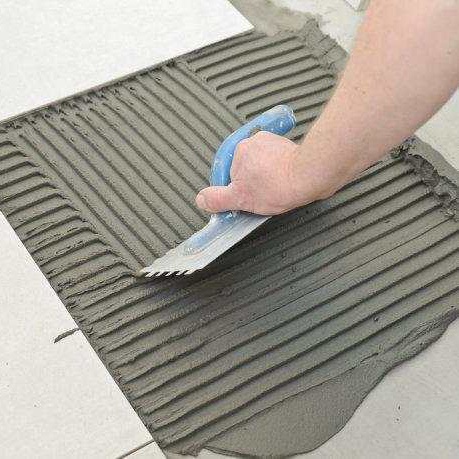
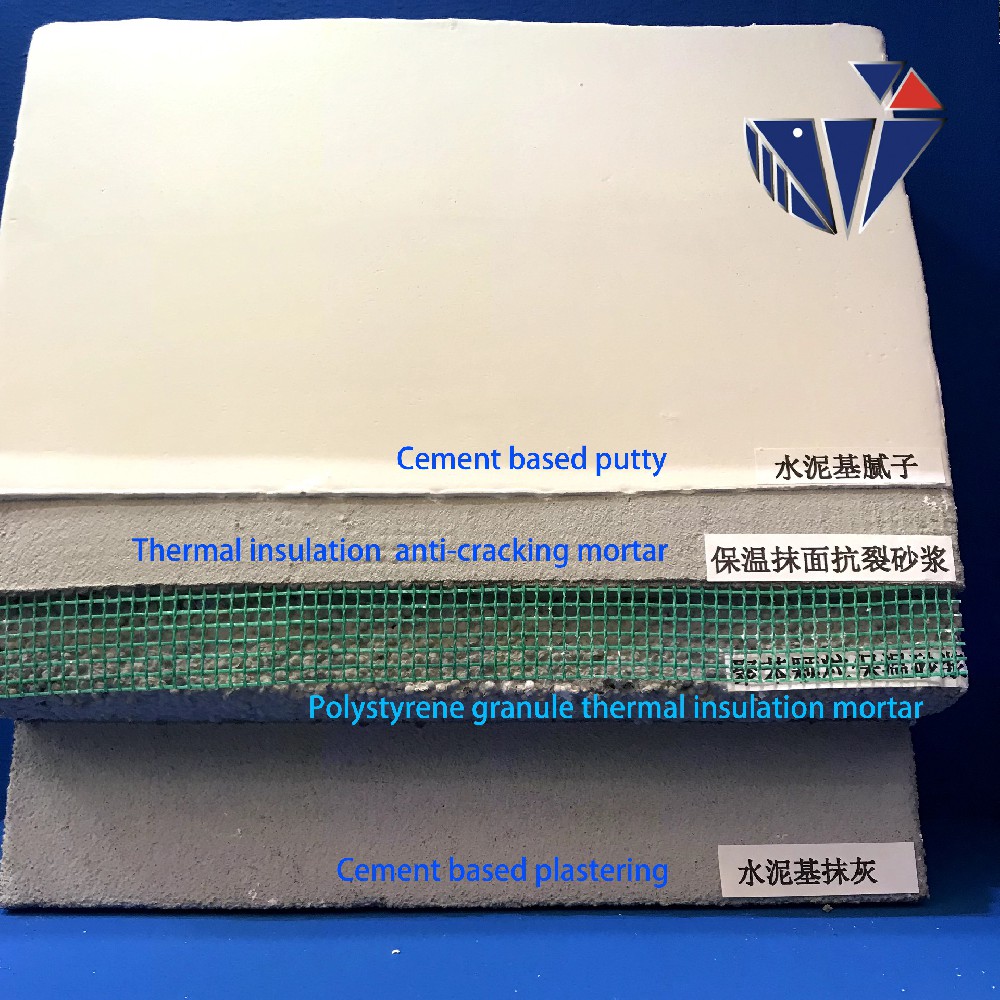
- Construction and Building: In Europe and China, HPMC is extensively used in tile adhesives and cement mortars to improve workability and longevity.
- Pharmaceuticals: Globally, especially in the US and India, HPMC acts as a binder and film coating in tablets, ensuring controlled release and stability.
- Food Industry: Whether in North America or Southeast Asia, it thickens sauces, stabilizes emulsions, and even replaces fats in low-calorie foods.
- Humanitarian Aid: NGOs rely on fast-setting mortars with HPMC for constructing emergency shelters in disaster zones across Africa and South Asia.
For instance, in post-earthquake Nepal, HPMC-enhanced plasters helped speed up repairs by retaining moisture during curing—even in humid climates—a small tweak, but hugely impactful.
Why Should Anyone Care? The Advantages of Using HPMC-Based Products
There are several obvious wins:
- Cost Efficiency: Its ability to improve product workability reduces labor and material waste.
- Environmental Sustainability: Being cellulose-based, it’s biodegradable and less toxic than synthetic alternatives.
- Enhanced Durability: It increases resistance to cracking and chemical attack, extending the lifespan of materials.
- Safety and Comfort: In pharmaceuticals or cosmetics, it offers safe, inert bonding or thickening with very low allergy concerns.
- Innovation Catalyst: It encourages R&D into novel composites and delivery systems, pushing industries forward.
On a human level, using HPMC can mean buildings that last longer and medicines that work better—everyday things that profoundly affect quality of life.
Looking Ahead: Trends & Breakthroughs in HPMC Technology
The future of HPMC properties is interwoven with sustainability and digital transformation:
- Green Chemistry: Efforts are ongoing to source cellulose more sustainably, reducing energy use in production.
- Nanotechnology: Combining HPMC with nano-fillers to create stronger, lighter composites.
- Smart Materials: Incorporating sensors or self-healing properties into HPMC-based films.
- Automation in Manufacturing: Optimizing HPMC formulations tailored by AI-driven models for precise performance.
Notably, some companies are developing HPMC blends for 3D printing concrete—imagine seamless, customized buildings that use less energy and last longer.
Addressing Challenges: What Holds Back Wider Adoption?
Every rose has its thorn. Some of the common hurdles include:
- Cost Variation: While cheaper than many synthetics, higher viscosity grades can be expensive to produce.
- Product Consistency: Batch-to-batch variation sometimes impacts small-scale applications needing precise performance.
- Limited Temperature Range: Extreme heat beyond 150°C can degrade HPMC films, limiting some industrial uses.
Experts suggest strict quality controls, ongoing R&D, and hybrid blends that combine HPMC with other polymers to mitigate these issues. In resilience testing labs, combining extensive real-world feedback with material science has steadily improved formulations.
| Supplier | Product Range | Global Reach | Pricing Tier |
|---|---|---|---|
| CNJZ Chemical | Wide (low-high viscosity) | Asia, Europe | Mid |
| Dow Chemical | Focused (pharma-grade) | Global | High |
| Shandong Hemei | General construction grades | Mostly Asia | Low to Mid |
FAQs About HPMC Properties
Q1: What makes HPMC better than traditional cellulose ethers?
HPMC offers superior thermal stability, better water retention, and improved solubility in cold water compared to traditional cellulose ethers. This makes it more versatile in construction and pharmaceutical applications where consistent performance under diverse conditions is critical.
Q2: How does the viscosity of HPMC affect its application?
Viscosity determines how thick or fluid the HPMC solution is. High-viscosity grades provide better adhesion and water retention for plasters and mortars, while low-viscosity types are ideal for coatings or pharmaceutical binding. Choosing the right viscosity ensures optimal product performance.
Q3: Are HPMC-based materials eco-friendly?
Yes, since HPMC is fundamentally cellulose derived from wood pulp, it’s biodegradable and considered environmentally friendly. It replaces synthetic polymers in many applications, reducing reliance on fossil fuels.
Q4: Can HPMC products be imported internationally without special permits?
Generally, HPMC is classified as a chemical raw material with no major export restrictions. However, regulations vary by country, especially for pharmaceutical-grade products. Consulting with suppliers like CNJZ Chemical and local import guidelines is advisable.
Q5: What industries benefit most from integrating HPMC?
Construction, pharmaceuticals, food processing, and personal care industries see the biggest benefits given HPMC’s capacity to improve product quality, stability, and environmental profiles.
Wrapping Up: Why HPMC Properties Deserve Your Attention
From improving mortar adhesion in remote construction projects to enabling controlled drug release and eco-conscious food additives, understanding hpmc properties is a practical advantage. It’s the kind of “quiet innovation” that underpins better products, safer environments, and sustainable growth.
If you're looking to dive deeper or explore tailored HPMC solutions,
visit our website: https://www.cnjzchemical.com
Thanks for sticking with me through this exploration — it’s fascinating how one material can quietly connect so many industries and innovations.
References
-
Understanding Hydroxypropyl Methyl Cellulose MSDS Safety and Compliance
NewsApr.16,2026
-
Understanding the Hydroxypropyl Methyl Cellulose HS Code for Global Trade
NewsApr.09,2026
-
Comprehensive Guide to Hydroxypropyl Methyl Cellulose CAS Number and Applications
NewsApr.07,2026
-
Comprehensive Guide to Hydroxypropyl Methyl Cellulose cas no and its Diverse Applications
NewsApr.04,2026
-
Comprehensive Guide to Hydroxypropyl Methyl Cellulose Manufacturers and Applications
NewsMar.31,2026
-
Understanding Hydroxypropyl Methyl Cellulose Properties And Diverse Applications
NewsMar.28,2026