
Nov . 27, 2025 19:35 Back to list
Explore Versatile and Sustainable HPMC Products for Pharma & Construction
Getting to Know HPMC Products and Why They Matter Globally
Everywhere you look around industries from pharmaceuticals to construction, HPMC products are quietly playing a crucial role. Hydroxypropyl methylcellulose (HPMC) might sound like a bit of a mouthful, but understanding it can unlock insights into sustainability, innovation, and efficiency that ripple worldwide.
Globally, the demand for eco-friendly, versatile materials is picking up – especially those that enhance product performance while reducing environmental impact. That's exactly what HPMC products bring to the table. They support everything from controlled drug release in medicine to improving the durability and finish of building materials. In short: knowing about HPMC is like holding a key to several pressing industrial puzzles.
Mini takeaway: HPMC products are versatile polymer compounds that marry functionality with sustainability, and their global impact is only growing.
Why Are HPMC Products So Relevant on the Global Stage?
The world’s population has crossed 8 billion and industries are scrambling to find materials that are sustainable, affordable, and high-performing. According to the International Organization for Standardization (ISO), green chemistry and environmentally friendly products have become the norm rather than the exception. The building and pharmaceutical sectors alone consume hundreds of thousands of tons of cellulose derivatives annually. HPMC products fit neatly into this sphere, offering a renewable alternative to petrochemical-based polymers.
But beyond just green credentials, the challenge lies in creating materials that can withstand extreme conditions, extend shelf life, or enable rapid construction while remaining cost-effective. For example, in rising urban centers of Asia and Africa, materials that combine durability with eco-sensitivity are priceless. This is a crucial problem HPMC products address.
What Exactly Are HPMC Products?
To put it simply, HPMC products are derived from cellulose — the structural component in plant cell walls — chemically modified to improve solubility and functionality. Hydroxypropyl methylcellulose is a non-ionic water-soluble polymer, meaning it doesn’t carry electrical charge, making it compatible across many chemical systems.
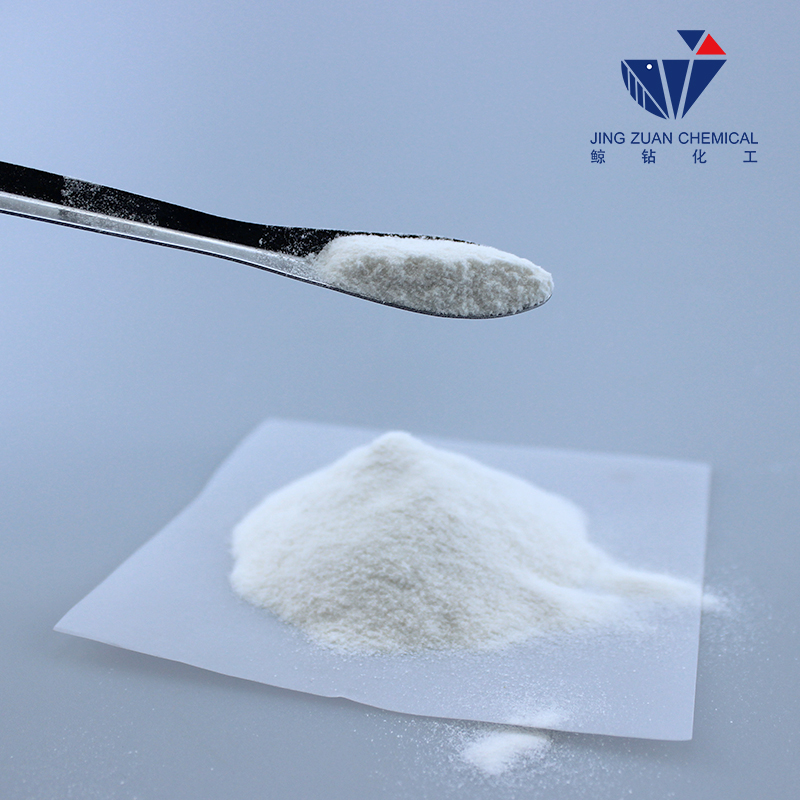
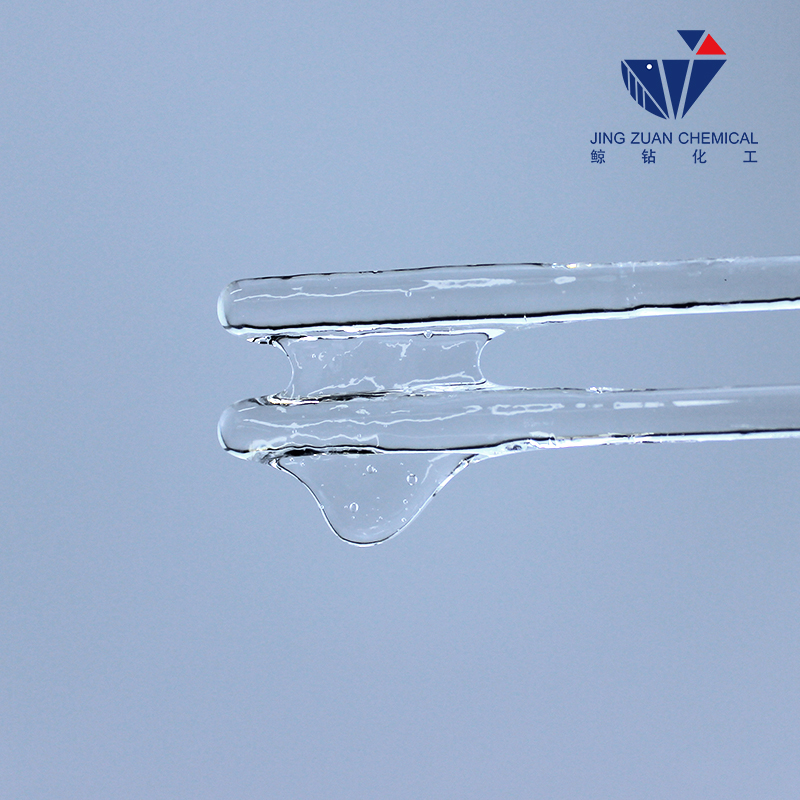
Industries use HPMC in various forms: as powders, films, or solutions. Imagine them as adaptable building blocks: they can thicken, stabilize, bind, or form protective coatings.
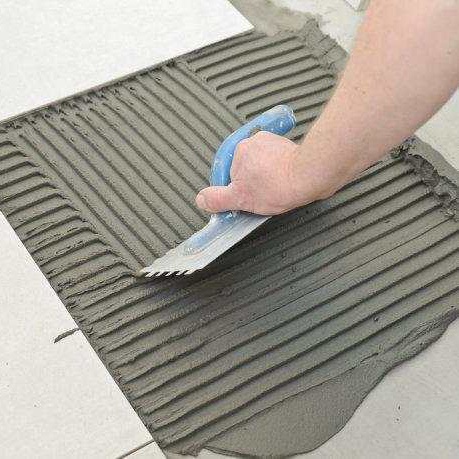
More specifically, in pharmaceuticals, it's used to control drug release or act as an inert binder. In construction, HPMC improves cement workability and water retention, vital for longer-lasting structures. Oddly enough, even food industries rely on certain HPMC grades for fat replacers or to improve texture. It’s a true multitasker.
Key Characteristics of HPMC Products That Drive Their Practical Use
1. Chemical Stability
One of the standout traits is remarkable stability across a range of pH levels and temperatures. This means HPMC products maintain their functionality, whether they are mixed in acidic formulations or used in hot climates. For manufacturers, this consistency is a huge relief, reducing product failures.
2. Versatility in Functionality
Depending on its degree of substitution (how many hydroxyl groups are modified), HPMC can act as a thickener, emulsifier, or film former. This flexibility allows industries to tailor-make products for specific needs — say, a slow-release capsule versus a plaster that stays damp for curing.
3. Biodegradability and Non-Toxicity
Derived from cellulose, HPMC products are inherently biodegradable and safe for human use. This underpins their growing use in pharmaceuticals and food-related applications, where health and environment intersect.
4. Water Retention and Workability
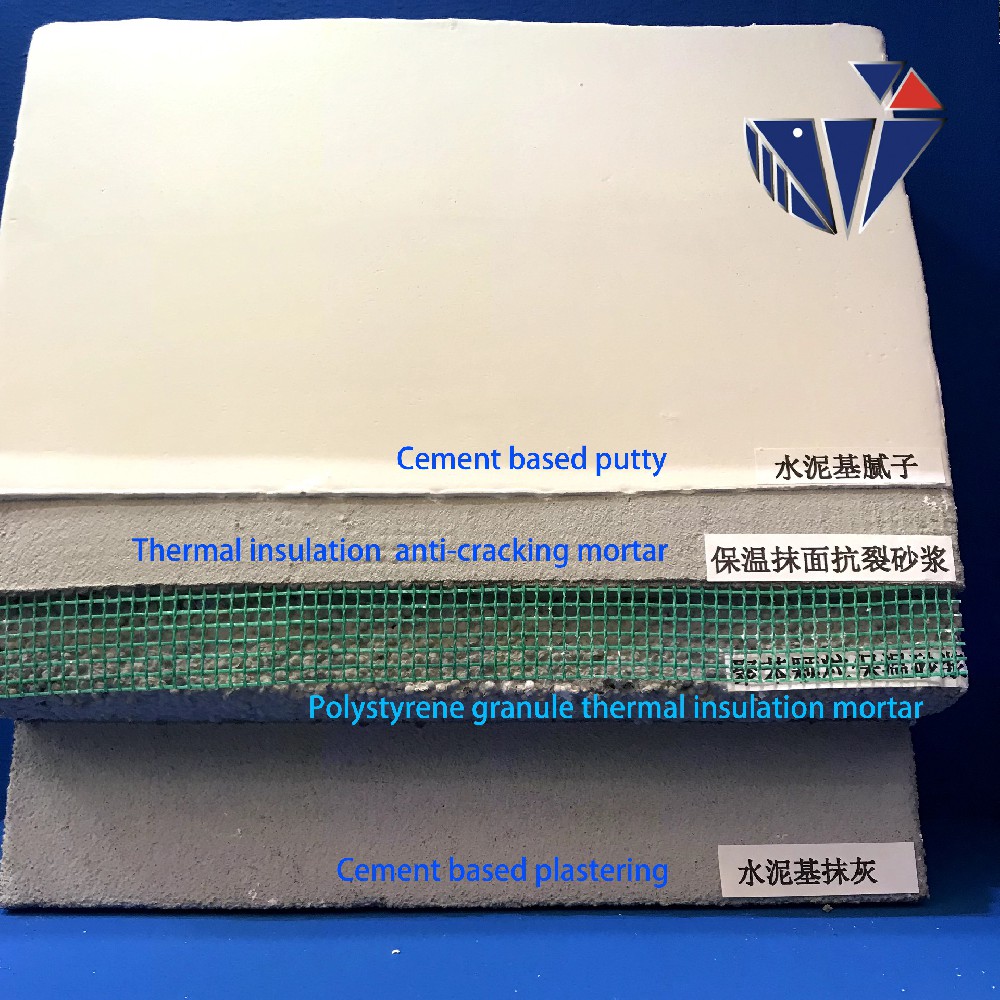
In construction, especially dry casting or mortars, moisture retention is key. HPMC enhances this property, leading to better bonding and less cracking — extending the health of buildings and infrastructure.
5. Compatibility with Other Chemicals
HPMC’s neutral charge allows it to blend seamlessly into complex formulations without causing adverse reactions — unlike other additives that may destabilize mixtures.
Mini takeaway: The impressive chemical stability, versatility, biocompatibility, and physical properties make HPMC products invaluable in an array of industries worldwide.
Real-World Uses of HPMC Products: From Pharma Labs to Construction Sites
Here’s where it gets practical. In pharmaceuticals — one of the largest users — HPMC products control how medicines dissolve in the body, improving efficacy and patient experience. For example, sustained-release tablets often rely on HPMC coatings to delay drug release.
In construction, especially in fast-growing urban areas like India and Brazil, HPMC-enhanced mortars allow workers to build quickly without sacrificing quality. In colder regions, these mortars retain heat better, reducing freeze-thaw damage.
Food manufacturers use certain HPMC grades to reduce fat content in baked products or stabilize emulsions, a handy trick in the push for healthier alternatives.
Nonprofits working in disaster relief might appreciate the waterproofing and binding qualities of HPMC products when assembling rapid-deployment shelters or hygiene kits.
| Parameter | Range | Units |
|---|---|---|
| Methoxy Content | 19 - 24 | % |
| Hydroxypropyl Content | 4 - 12 | % |
| Viscosity (2% solution) | 5,000 - 100,000 | mPa·s (cP) |
| pH (2% solution) | 5.0 - 8.0 | – |
| Moisture Content | 5 - 7 | % |
Advantages of Using HPMC Products for the Long Haul
Sure, the immediate benefits like cost efficiency and enhanced performance catch your eye. But what sticks around is what counts:
- Durability: Thanks to excellent bonding and water-retention, structures using HPMC-enhanced mortars resist deterioration better.
- Environmental Friendliness: Degradable and plant-based, these materials reduce pollution and improve sustainability footprints.
- Health & Safety: Non-toxic by nature, they support safer pharma and food products, which means better consumer trust.
- Economic Gains: Improved workability reduces waste and labor time — big wins in developing economies.
Frankly, it feels like a win-win-win scenario. You get innovation without a hefty environmental or social cost. And as industries push for greener practices, HPMC products stand right in the spotlight.
The Emerging Future: Innovations Surrounding HPMC Products
Looking ahead, several exciting trends are reshaping how HPMC is used:
- Green Chemistry Developments: New synthesis methods aim to further reduce energy use and waste in HPMC production.
- Digitally Optimized Formulations: AI and machine learning help customize HPMC grades to exact application needs, speeding up product development.
- Bio-Composite Materials: Combining HPMC with nanocellulose or bioplastics to create stronger and lighter construction materials.
- Smart Drug Delivery: Using HPMC films that respond to stimuli — like pH or temperature changes — to release drugs at precise moments.
These innovations aren't just fancy ideas — many are underway in labs and pilot projects around the world.
Overcoming Challenges: What’s Still Tricky About HPMC Products?
No product is flawless, and HPMC is no exception. Some challenges include:
- Cost Barriers: High purity and specialized grades of HPMC can be pricey for some markets.
- Supply Chain: Being plant-derived, availability can fluctuate with agricultural cycles or weather disruptions.
- Performance Limits: Though versatile, HPMC may not replace every synthetic polymer especially in extreme mechanical loads.
Manufacturers and researchers are working on solutions like blending with cheaper additives, investing in local cellulose sources, or hybrid polymers to tackle these issues. It feels like a collaborative puzzle in progress.
FAQ: Common Questions About HPMC Products
- Q: How do HPMC products improve drug release in pharmaceuticals?
A: HPMC acts as a matrix or coating that controls the disintegration speed of tablets, ensuring drugs release steadily over time for better therapeutic effects. - Q: Are HPMC-based construction materials durable in extreme climates?
A: Yes, HPMC enhances water retention and bonding, which reduces shrinkage and cracking, particularly useful in hot or freezing environments. - Q: Can HPMC products be considered fully eco-friendly?
A: As plant-based and biodegradable polymers, HPMC products are greener than many synthetic alternatives, but sustainability depends on production methods and sourcing. - Q: What industries other than pharma and construction rely on HPMC?
A: Besides pharma and building, food processing, cosmetics, and even textiles benefit from HPMC’s thickening and stabilizing properties. - Q: How can companies source quality HPMC products internationally?
A: Working with reputable vendors with certifications and proven supply chains, like those featured for hpmc products, ensures reliable international procurement.
| Vendor | Product Range | Certifications | Lead Time | Pricing (Est.) |
|---|---|---|---|---|
| CNJZ Chemical | Pharma, Construction, Food Grades | ISO, GMP, FDA | 2–4 Weeks | Competitive |
| Global Cellulose Inc. | Construction, Industrial | ISO, REACH | 3–6 Weeks | Mid-Range |
| PharmaCel Solutions | Pharma Grade Focus | GMP, FDA | 1–3 Weeks | Premium |
Wrapping It Up: Why Explore HPMC Products Today?
Looking at the big picture, hpmc products signify more than just a technical additive; they symbolize a step toward smarter, greener, and more efficient industrial systems. Whether it’s creating better medicines, building stronger homes, or crafting healthier foods, these products hold the promise of impacting lives positively and sustainably.
Feeling inspired? Dive deeper and explore trusted sources like hpmc products to find solutions tailored to your needs.
Mini takeaway: The future of diverse industries may very well rest on smart, sustainable compounds like HPMC. They’re here to stay, probably to change the way we build, heal, and live.
References
-
Understanding Hydroxypropyl Methyl Cellulose MSDS Safety and Compliance
NewsApr.16,2026
-
Understanding the Hydroxypropyl Methyl Cellulose HS Code for Global Trade
NewsApr.09,2026
-
Comprehensive Guide to Hydroxypropyl Methyl Cellulose CAS Number and Applications
NewsApr.07,2026
-
Comprehensive Guide to Hydroxypropyl Methyl Cellulose cas no and its Diverse Applications
NewsApr.04,2026
-
Comprehensive Guide to Hydroxypropyl Methyl Cellulose Manufacturers and Applications
NewsMar.31,2026
-
Understanding Hydroxypropyl Methyl Cellulose Properties And Diverse Applications
NewsMar.28,2026