
Nov . 27, 2025 18:05 Back to list
Understanding hpmc price: Key Factors, Global Trends & Applications
Understanding hpmc price: Why It Matters Globally
If you've ever dealt with industries like construction, pharmaceuticals, or even food packaging, you might have bumped into the term HPMC price — shorthand for Hydroxypropyl Methylcellulose pricing. Though it sounds like a jargon-filled chemical name, the price of HPMC actually ripples through many sectors worldwide. Why should that matter to you? Because HPMC is a powerhouse ingredient, essential in everything from building safer, more sustainable structures to helping medicines deliver their magic consistently.
Globally, the market for HPMC has shown steady growth, expected to reach over $1.2 billion within the next few years (Source: Markets and Markets). Keeping an eye on the hpmc price can reveal supply chain shifts, raw material scarcity, demand surges, or innovations in chemistry — all of which trickle down to you and me, whether in the safety of our homes or the efficiency of medicines we rely on daily.
Mini Takeaway
Understanding how hpmc price fluctuates is more than just chemical pricing — it's about insight into global manufacturing, sustainability, and even public health.
The Global Context Behind HPMC Price
To truly appreciate hpmc price, picture the scale: HPMC production is deeply linked with cellulose, a natural polymer found largely in wood pulp. With deforestation concerns gaining momentum, plus rising demand from booming Asian construction industries, the price of HPMC feels the pressure. According to FAO reports, sustainable sourcing of cellulose impacts global supply chains (FAO Forestry Statistics 2023). Additionally, regulatory trends in food safety and pharma — driven by ISO and WHO standards — dictate high purity levels, sometimes pushing production costs up.
Here’s where the challenge lies: balancing environmental responsibility with affordable material prices. Any spike in hpmc price can affect everything from drywall quality to tablet coatings in pharmaceuticals. In developing countries, even slight price changes ripple through markets, affecting access to medicine, infrastructure, and clean water technologies where HPMC is useful.
Mini Takeaway
The global forces influencing hpmc price – from raw material access to regulation – are complex but crucial for many industries.
What Is HPMC Price and Why Does It Matter?
So, what exactly is this “HPMC Price”? Simply put, it’s the market cost of Hydroxypropyl Methylcellulose—a cellulose ether derivative widely used for its thickening, film-forming, and binding properties. HPMC is an essential additive found in paints, adhesives, food, and pharmaceuticals. The “price” aspect refers to how much suppliers charge for various grades of HPMC, depending on purity, viscosity, and application.
Why does this matter beyond the balance sheet? Because HPMC quality and availability often determine how well a product performs — be it a moisture barrier in drywall or the slow-release coating on a pill. The right price ensures manufacturers can source HPMC reliably without compromising on quality or safety.
Mini Takeaway
HPMC price is the invisible thread connecting raw materials to the final quality and cost of countless everyday products.
Core Components Affecting HPMC Pricing
1. Raw Material Quality
The cellulose source — often wood pulp or cotton linters — dictates baseline purity. Better cellulose input means higher processing costs and thus affects the hpmc price. Lower-grade inputs might reduce costs but compromise product performance.
2. Degree of Substitution and Viscosity
HPMC differs by how much hydroxypropyl and methyl groups attach to the cellulose chain. Higher substitution and viscosity products cost more but are needed for specialized applications (like pharmaceutical coatings versus construction additives).
3. Manufacturing Process & Scale
Modern enzymatic and mechanical refining impact costs. Large-scale reactors with automation generally lower the hpmc price due to economies of scale, while smaller batches customized for niche uses cost more.
4. Regulatory Compliance
Meeting food-grade or pharma-grade certifications means expensive testing and clean-room production, inflating costs. Compliance with international standards also influences the purchasing decisions of regulated industries, thus affecting market pricing.
5. Supply Chain & Logistics
With much of global HPMC manufacturing centered in Asia, shipping costs, customs tariffs, and raw material availability during disruptions (like the recent global supply chain turmoil) affect the price.
6. Innovation & Sustainability Efforts
Transitioning to greener solvent-less production or bio-based additives can raise short-term hpmc price but promise longer-term stability and market preference—customers increasingly demand sustainability.
Mini Takeaway
Multiple intertwined factors shape the hpmc price, reflecting quality, compliance, and global supply dynamics.
Real-World Applications Influenced by HPMC Price
So, where does this play out? Quite literally everywhere if you look closely:
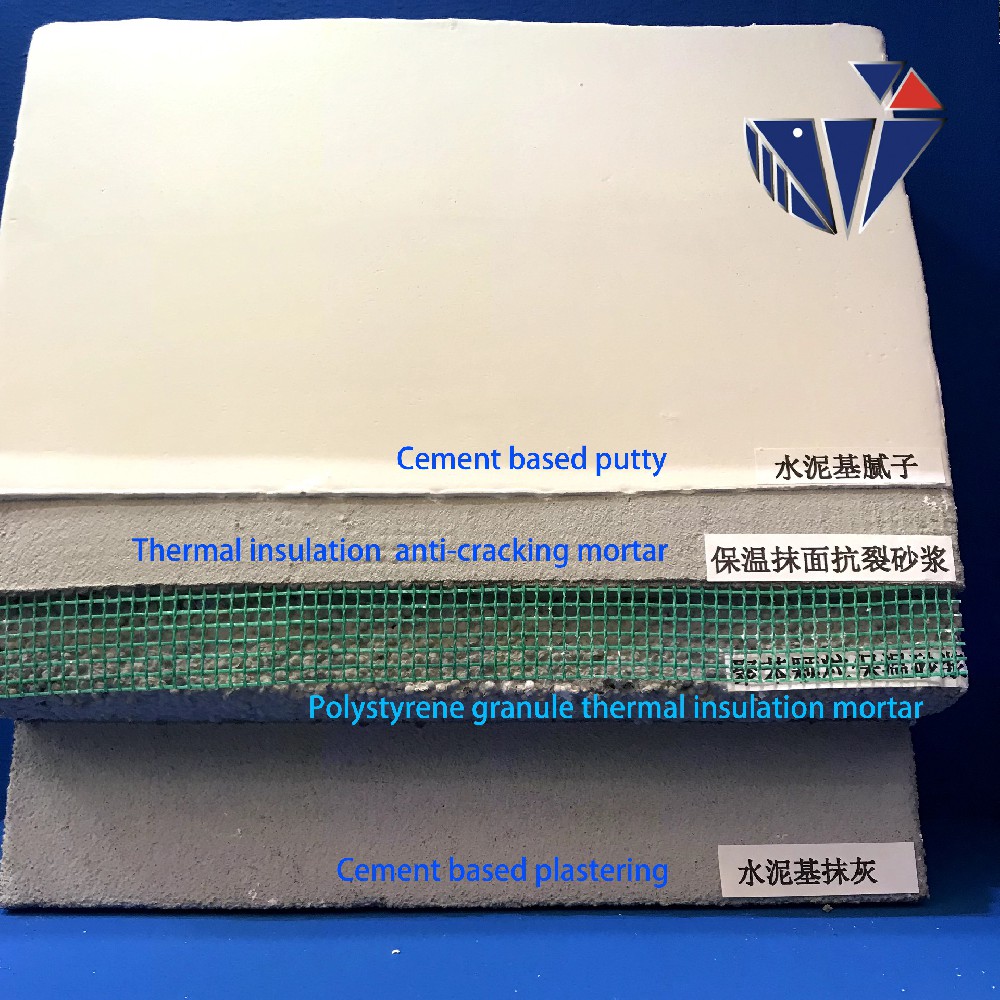
- Construction Industry: HPMC is a key additive in cement, tile adhesives, and plasters. Its price directly impacts the cost of building materials, affecting affordable housing projects worldwide.
- Pharmaceuticals: From tablet coatings that control drug release to gelatin capsule shells, HPMC price influences drug formulation costs, critical in managing healthcare affordability.
- Food Industry: Used as a thickener and stabilizer in baked goods and sauces, particularly with the shift towards vegetarian and vegan products.
- Cosmetics & Personal Care: It’s a popular film former and emulsifier in lotions and shampoos, so fluctuations in its price can influence product R&D decisions.
- Emergent Technologies: Innovations, such as biodegradable packaging films made from cellulose derivatives, are sensitive to the evolving hpmc price.
Consider this: In disaster relief zones, rapid deployment shelters often rely on HPMC-modified mortars for airtight sealing, where pricing affects supply and construction speed—time and cost are everything under those circumstances.
Mini Takeaway
The versatile applications of HPMC mean its price touches sectors from high-tech to humanitarian aid.
Product Specification Table: Common Grades of HPMC
| Specification | Low Viscosity Grade | Medium Viscosity Grade | High Viscosity Grade |
|---|---|---|---|
| Viscosity (mPa·s) | 5,000–10,000 | 15,000–25,000 | 40,000–70,000 |
| Moisture Content (%) | 5–7 | 5–7 | 5–7 |
| Substitution Degree (Methoxy %) | 19.0–24.0 | 19.0–24.0 | 19.0–24.0 |
| Hydroxypropyl % | 4.0–12.0 | 4.0–12.0 | 4.0–12.0 |
| Typical Applications | Pharma coatings, low-viscosity food products | Construction mortars, adhesives | Self-leveling compounds, thickening |
Comparing Top HPMC Vendors
| Vendor | Global Reach | Product Range | Price Range (per kg) | Sustainability Initiatives |
|---|---|---|---|---|
| Dow Chemical | Worldwide | Broad (cosmetics, pharma, construction) | $4.50 - $6.50 | Eco-friendly production technologies |
| Ashland Inc. | Global with regional focus | Specialty pharma and construction grades | $5.00 - $7.00 | Sustainable sourcing programs |
| Shandong CNJZ Chemical | Asia, Europe export | Industrial and food-grade | $3.80 - $5.50 | Energy-efficient production, hpmc price transparency |
| Metzler Chemical | Europe, North America | Pharma-focused | $6.00 - $8.00 | Pharmaceutical compliance leadership |
Why Investing Time to Understand HPMC Pricing Pays Off
Looking at all this, it’s clear why hpmc price isn’t a trivial detail—it’s a key decision factor. Companies that integrate pricing analysis with material specs can optimize costs, improve product quality, and future-proof supply chains.
From an emotional standpoint, knowing you sourced sustainably and smartly offers peace of mind — your product supports safety, reliability, and innovation without compromise. For industries, that trust translates into brand loyalty and regulatory resilience.
Future Trends in HPMC Pricing and Supply
Quite frankly, the future looks interesting. With the global push towards sustainability, we’re seeing a shift towards greener production methods for HPMC, like enzymatic cellulose breakdown which reduces waste and emissions.
Digitization is also creeping in: some manufacturers now use AI-driven process control to maintain consistent quality while reducing costs, which could stabilize hpmc price volatility long term.
Meanwhile, material innovations strive to blend HPMC with other biopolymers for expanded uses, potentially shifting the pricing models as alternatives gain market share.
Common Challenges With HPMC Pricing and How to Navigate Them
Fluctuations caused by raw material shortages, tariffs, and global logistics remain a headache. In some markets, price transparency is murky, making supplier selection tricky.
Solutions? Experts recommend diversified sourcing strategies, embracing digital supply chain platforms, and choosing vendors who openly share hpmc price information and sustainability roadmaps.
FAQ: Your Top Questions on HPMC Price
- What factors most influence fluctuations in HPMC price?
- Raw material quality, production scale, compliance requirements, and supply chain challenges mainly drive HPMC pricing up or down.
- Can price differences affect product performance?
- Yes, selecting cheaper, lower-grade HPMC might reduce cost but can compromise viscosity and film properties vital for specific applications.
- Are eco-friendly HPMC options more expensive?
- Typically, yes, initially due to cleaner production processes, but in the long term, they offer savings through efficiency and market advantages.
- How do I ensure fair pricing when sourcing internationally?
- Work with trusted suppliers who provide transparent pricing and certifications, and consider logistics costs in your total assessment.
- Is there a standard global price for HPMC?
- Not exactly—prices vary by grade, volume, region, and market conditions, so it’s best to track vendor quotes regularly.
Conclusion: Why Staying Informed on HPMC Price Is a Smart Move
To sum up, hpmc price is so much more than a number — it’s a pulse check on global industry health, innovation readiness, and sustainability efforts. Whether you’re a product developer, procurement officer, or industry analyst, having a working knowledge of HPMC pricing trends helps you make sound business decisions.
Curious to dive deeper? Visit our website: https://www.cnjzchemical.com and get access to the latest insights and competitive hpmc price listings tailored for your needs.
Final Thoughts
It’s odd how something as technical as HPMC can be so intertwined with everyday life and global trends. Keeping tabs on its pricing might just be your secret weapon in an unpredictable market — future-proof, smart, and sustainable.
References
-
Understanding Hydroxypropyl Methyl Cellulose MSDS Safety and Compliance
NewsApr.16,2026
-
Understanding the Hydroxypropyl Methyl Cellulose HS Code for Global Trade
NewsApr.09,2026
-
Comprehensive Guide to Hydroxypropyl Methyl Cellulose CAS Number and Applications
NewsApr.07,2026
-
Comprehensive Guide to Hydroxypropyl Methyl Cellulose cas no and its Diverse Applications
NewsApr.04,2026
-
Comprehensive Guide to Hydroxypropyl Methyl Cellulose Manufacturers and Applications
NewsMar.31,2026
-
Understanding Hydroxypropyl Methyl Cellulose Properties And Diverse Applications
NewsMar.28,2026