
Nov . 27, 2025 16:35 Back to list
What is HPMC Powder? Uses, Benefits & Global Applications Explained
What Is HPMC Powder and Why Should We Care?
If you’ve ever skimmed through construction material specs or dabbled in pharmaceuticals, you might have bumped into hpmc powder — short for Hydroxypropyl Methylcellulose powder. In simple terms, it’s a cleverly engineered cellulose derivative that’s become a quiet rockstar in industries ranging from building to biotech. Why does this matter globally? Well, hpmc powder's unique properties solve some pretty stubborn problems in production, sustainability, and even humanitarian aid. Understanding it unlocks smarter manufacturing and better environmental footprints, which matters more than ever as we push for cleaner, more resilient global supply chains.
Mini takeaway: HPMC powder is an unsung hero, bridging traditional material needs and modern innovation worldwide.
Introducing HPMC Powder: A Global Perspective
In the last decade, global demand for specialty cellulose products, including hpmc powder, has surged. According to ISO reports and UN trade statistics, the cellulose ethers market is expected to grow steady at 5-6% annually through 2030, driven by construction booms in Asia-Pacific and medical needs worldwide.
Still, many producers face challenges like inconsistent raw material quality, fluctuating costs, and evolving regulatory barriers. HPMC powder addresses some of these — for instance, it brings consistent performance in dry mortar mixes, stabilizes pharmaceutical suspensions, and enhances water retention in building materials, reducing waste. It's a small but vital piece in a complex global puzzle: making industrial processes more reliable while cutting environmental impact.
Mini takeaway: As industries evolve globally, hpmc powder stands out for solving quality and environmental challenges at scale.
What Is HPMC Powder Exactly?
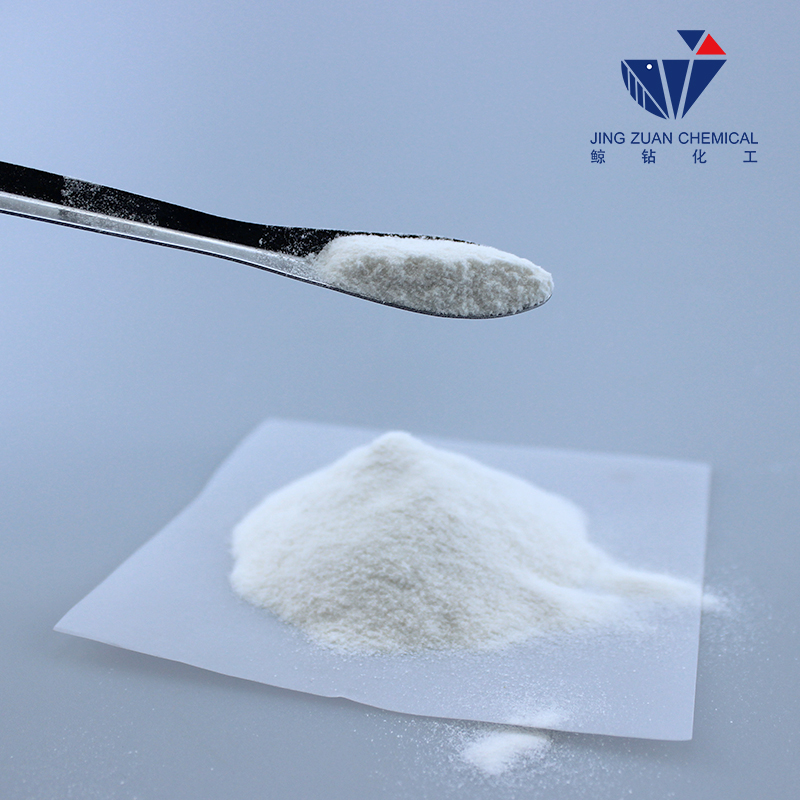
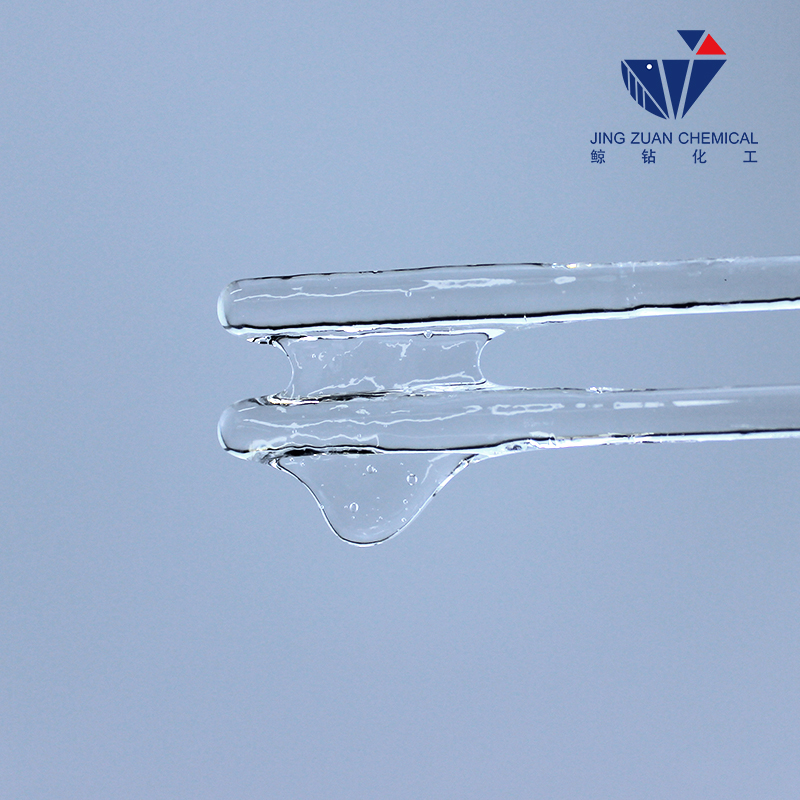
Put simply, hpmc powder is a fine, white powder derived from cellulose — the fibrous stuff making up plant walls — chemically treated with hydroxypropyl and methyl groups. This treatment makes it water-soluble and highly versatile. No wonder it’s a favorite in construction for enhancing mortar workability or in pharmaceuticals as a binder and thickener.
Think of it as a molecular multitasker. In humanitarian aid, for example, it helps produce reliable building materials on-site, enabling faster and safer shelter construction after disasters. Its ability to retain moisture and stabilize mixtures is a game-changer where resources are thin.
Mini takeaway: HPMC powder is modified cellulose that brings strength, flexibility, and stability to countless products worldwide.
Key Characteristics of HPMC Powder
1. Water Retention and Workability
One of hpmc powder's signature traits is how it holds water. This is crucial in dry mortar or plaster mixes, preventing premature drying and cracking. It makes applications smoother and final results sturdier — kind of like giving the mix a little more time to 'breathe'.
2. Thermal Stability
Unlike many organic additives, hpmc can endure moderate temperatures without breaking down. This makes it valuable where materials are exposed to varying weather or curing processes.
3. Film-Forming Abilities
It forms thin films after drying, which are flexible and water-resistant, useful in coatings and adhesives — offering protection and durability in harsh environments.
4. Non-Toxic and Environmentally Friendly
HPMC powder is generally regarded as safe (GRAS), making it preferred in food, pharmaceuticals, and eco-friendly construction. Plus, it’s biodegradable, an increasingly important trait.
5. Compatibility with Multiple Materials
Whether you’re blending it into cement, ceramics, or tablets, hpmc powder plays nicely with diverse ingredients without unwanted reactions.
Mini takeaway: Its water retention, thermal stability, and eco-friendliness make hpmc powder a unique material multitasker.
Where Does HPMC Powder Really Shine? Global Applications
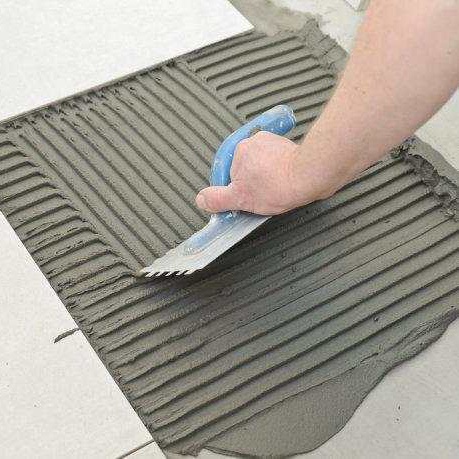
- Construction Industry: In Asia, Europe, and the Americas, hpmc powder improves tile adhesives, renders, and repair mortar. It enhances workability and durability.
- Pharmaceuticals: Used as a binder and sustained-release agent in tablets, ensuring consistent patient dosing worldwide.
- Food Industry: Acts as a food additive and stabilizer, providing texture and moisture.
- Disaster Relief & Humanitarian Aid: Enables faster production of quality mortars on-site where infrastructure is compromised.
- Paints & Coatings: Provides viscosity and film formation enhancing durability and appearance.
For instance, after the 2015 Nepal earthquake, rapid mortar repairs using mortar mixes with hpmc powder helped rebuild key infrastructure while minimizing odds of cracking due to uneven drying — literally helping communities bounce back faster.
Mini takeaway: HPMC powder’s versatile uses span continents and sectors, proving invaluable for sustainable development and emergency rebuilding.
Specifications at a Glance: Typical HPMC Powder
| Property | Typical Value | Unit |
|---|---|---|
| Appearance | White to Off-white Powder | - |
| Methoxy Content | 19–24% | % |
| Hydroxypropyl Content | 4–12% | % |
| Viscosity (2% solution, 20°C) | 4000–6000 | mPa·s |
| pH (1% solution) | 5.5–8.0 | - |
Vendors at a Glance: Comparing Key Suppliers
| Supplier | Quality Assurance | Pricing (USD/kg) | Lead Time | Sustainability |
|---|---|---|---|---|
| Supplier A | ISO 9001 Certified | $3.50 - $4.00 | 2-4 weeks | Uses Renewable Energy |
| Supplier B | GMP Compliant | $3.80 - $4.20 | 3-5 weeks | Biodegradable Packaging |
| Supplier C | ISO & REACH Registered | $3.20 - $3.70 | 1-3 weeks | Sustainable Forestry Sourced |
The Perks of HPMC Powder: Why Choose It?
In practical terms, hpmc powder adds up to:
- Cost efficiency: Reduces raw material waste by improving mix stability.
- Environmental impact: Being biodegradable and a plant-based product, it fits today’s green goals.
- Reliability: Even when conditions vary, products with hpmc stand firm.
- Social value: In humanitarian projects, it boosts safety and dignity, helping people rebuild sooner.
Frankly, when many engineers say “give me a product that performs and stays green,” hpmc powder often tops the list.
Looking Ahead: Innovations & Trends in HPMC Powder
The future looks bright — with several labs exploring improved bio-based cellulose ethers, including hpmc variants with enhanced biodegradability and compatibility with digital manufacturing methods. Automation in mixing and batching processes promises even better consistency. Also, market shifts toward stricter sustainability standards push suppliers to innovate greener sourcing and packaging solutions.
Emerging uses, like in 3D-printed construction materials and smart coatings, hint that the versatility of hpmc powder is only beginning to be harnessed.
Common Challenges and Possible Fixes
Of course, no magic powder exists. HPMC’s high viscosity ranges can sometimes complicate handling, and impurities in raw cellulose can impact quality. Weather effects on powder storage require thoughtful logistics.
Many suppliers tackle these by refining purification methods and optimizing product grades for specific applications. Plus, digital quality controls and predictive maintenance in manufacturing plants minimize surprises.
FAQs About HPMC Powder
- What makes hpmc powder better than other cellulose ethers in construction?
- Its superior water retention and thermal stability enhance mortar workability and durability, reducing cracking and improving drying times compared to alternatives.
- How long does hpmc powder-based mortar typically last outdoors?
- When mixed properly, it helps mortar last decades by improving resistance to cracking and weathering — though exact longevity depends on environmental conditions.
- Is hpmc powder eco-friendly and safe for food products?
- Yes. It’s biodegradable, plant-derived, and recognized as safe by major food and drug regulators worldwide, making it ideal for food applications.
- Can NGOs readily source hpmc powder internationally for relief operations?
- Many suppliers offer export-ready grades with standard certifications, but NGOs should coordinate logistics early due to lead times and customs procedures.
Wrapping Up: Why Investing Time in HPMC Powder Pays Off
Thinking about it, hpmc powder is more than a versatile additive — it’s part of a larger global push toward sustainable, resilient industries. Whether you’re mixing mortar in a skyscraper or stabilizing a tablet, it brings reliability and a green edge. In a world where both quality and environmental concerns matter, it’s a rare win-win.
If you want to dive deeper or explore sourcing options, why not check out https://www.cnjzchemical.com? Often, answers and solutions are just a click away.
Until next time, keep questioning what’s behind your materials — sometimes, it’s more interesting than expected!
References:
-
Understanding Hydroxypropyl Methyl Cellulose MSDS Safety and Compliance
NewsApr.16,2026
-
Understanding the Hydroxypropyl Methyl Cellulose HS Code for Global Trade
NewsApr.09,2026
-
Comprehensive Guide to Hydroxypropyl Methyl Cellulose CAS Number and Applications
NewsApr.07,2026
-
Comprehensive Guide to Hydroxypropyl Methyl Cellulose cas no and its Diverse Applications
NewsApr.04,2026
-
Comprehensive Guide to Hydroxypropyl Methyl Cellulose Manufacturers and Applications
NewsMar.31,2026
-
Understanding Hydroxypropyl Methyl Cellulose Properties And Diverse Applications
NewsMar.28,2026