
Nov . 29, 2025 03:15 Back to list
Comprehensive Guide to HPMC Solution Preparation | Industry Insights & Applications
Understanding HPMC Solution Preparation: Why It Matters Globally
Hydroxypropyl methylcellulose (HPMC) solution preparation might sound like a niche chemical process, but in reality, it's a cornerstone for numerous industries. From pharmaceuticals to construction, this polymer-based solution helps tailor products with the right viscosity and stability. Globally, mastering HPMC preparation translates to better quality products, efficient manufacturing, and even humanitarian aid solutions. Considering the rising demand for sustainable materials and adaptable solutions in development projects and healthcare, understanding the ins and outs of HPMC preparation has rarely been more relevant.
In short, getting HPMC solution preparation right saves time, reduces costs, and opens doors to innovative applications — a triple win for businesses and communities.
Global Overview: Where HPMC Solution Preparation Fits In
On a global scale, the demand for cellulose derivatives like HPMC is steadily increasing, according to Wikipedia’s overview and industry reports. The World Bank highlights that sectors such as construction, food processing, and pharmaceuticals are expanding rapidly, especially in emerging markets where quality control is key.
However, challenges persist. For manufacturers, inconsistent HPMC preparation can lead to production hitches. In humanitarian contexts, such as emergency shelter creation or portable sanitation solutions, suboptimal polymer mixtures can mean the difference between success and failure.
So it’s not just a technical detail; it’s an essential factor for quality, safety, and innovation worldwide.
What Exactly is HPMC Solution Preparation?
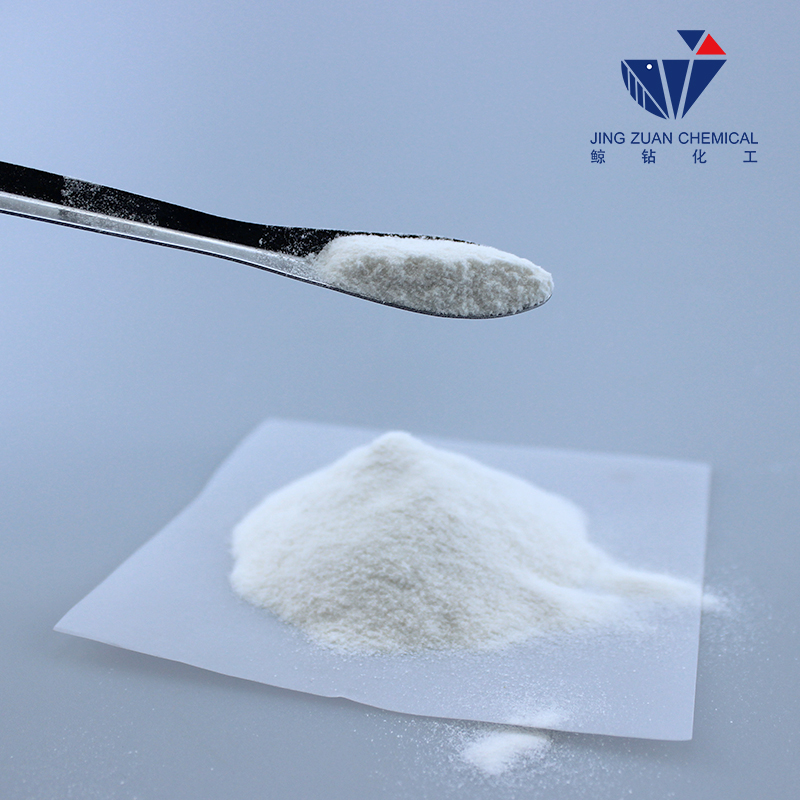
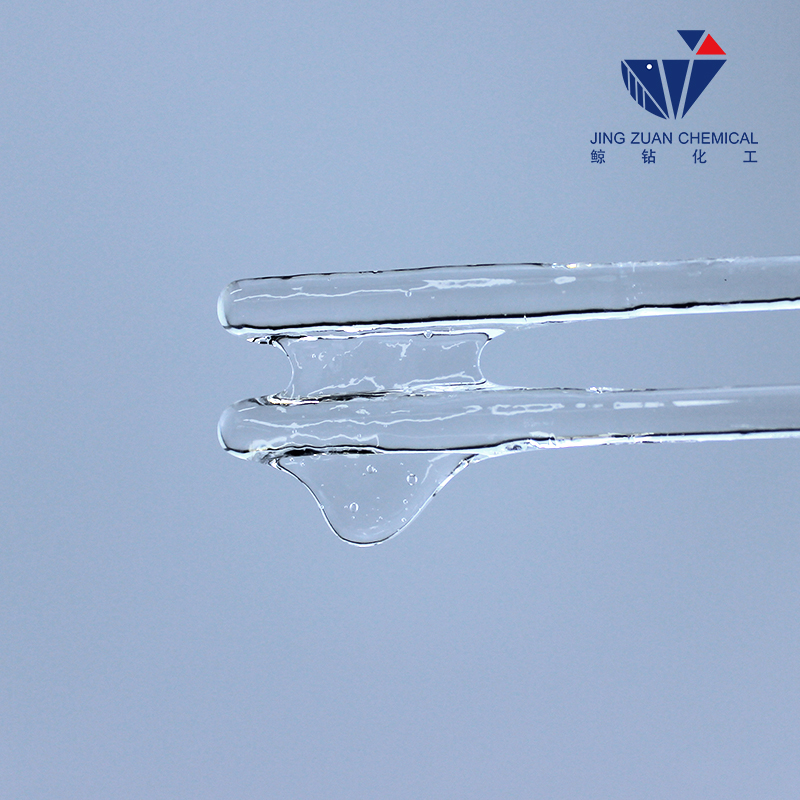
Simply put, HPMC solution preparation involves dissolving a specific grade of hydroxypropyl methylcellulose powder in water (or sometimes other solvents) under carefully controlled conditions. This transforms a dry powder into a viscous, gel-like liquid ready for use as a thickener, binder, or stabilizer. The process includes careful temperature control, stirring speed, and timing — all to optimize the solution’s consistency and functional properties.
HPMC itself is a cellulose derivative often derived from wood pulp or cotton fibers, prized for its non-toxic nature and versatility. It finds a home in everything from adhesives and paints to controlled-release pharmaceuticals and cosmetic creams.
In a way, it’s a perfect example of how a simple natural polymer can be engineered to meet modern industry and humanitarian needs.
Mini takeaway:
HPMC solution preparation is essentially about crafting a versatile, reliable liquid polymer base that supports quality and innovation across diverse sectors worldwide.
Core Components of Quality HPMC Preparation
1. Powder Quality and Grade Selection
The starting powder's viscosity grade and purity are game changers. Higher grades mean better thickening but often come with higher price tags. Many manufacturers balance cost and performance carefully.
2. Mixing Method and Equipment
Mechanical stirring or high-shear mixers influence how homogenous and stable your solution becomes. Oddly enough, a slow stir can result in lumps, but too fast risks air bubbles.
3. Temperature Control
Temperature affects dissolution speed and polymer chain uncoiling. Typically, around 70–80°C is optimal, but this depends on the specific grade of HPMC.
4. Concentration Levels
How much powder you dissolve per liter of solvent determines the final solution’s viscosity and application suitability. Concentrations from 0.5% to 4% w/w are common, depending on use cases.
5. pH and Additives
Some applications require adjusting pH or adding stabilizers (like preservatives or plasticizers). These tweak the solution’s longevity and compatibility.
Mini takeaway:
Getting the balance right across quality ingredients, process control, and additives ensures dependable and tailored HPMC solutions.
HPMC Solution Preparation in the Real World: Global Applications
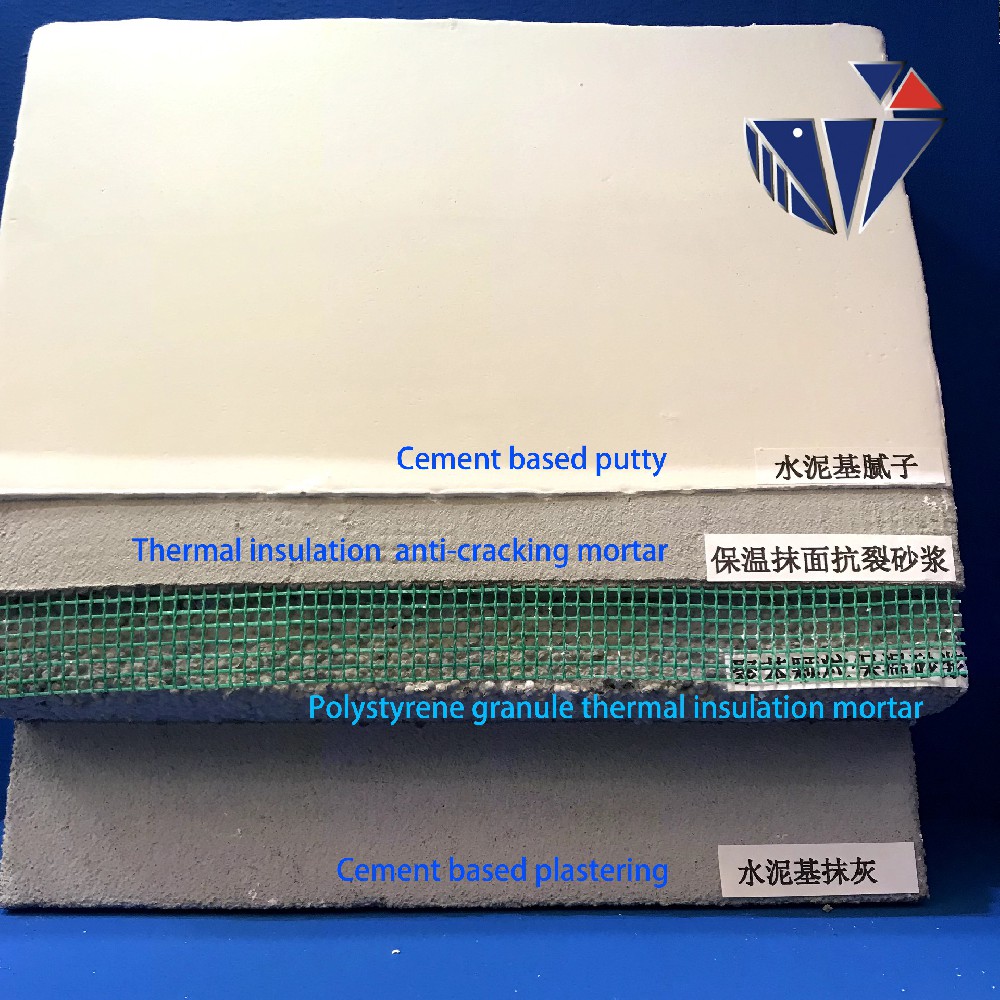
When you start looking around, you realize hpmc solution preparation underpins everything from super-smooth pharmaceutical tablets to tough, breathable fiber cement panels in Asia’s booming construction markets. In India, for example, improved preparation methods have led to better plaster adhesives that withstand monsoon humidity better — a real win for durability.
In humanitarian efforts, organizations use HPMC-based materials for rapid-assembly shelters and water purification gels. In remote industrial zones lacking infrastructure, the ability to transport a lightweight HPMC powder and prepare solutions onsite minimizes logistics headaches.
North American cosmetic manufacturers prize HPMC solutions for their stability in moisturizers and conditioners, enhancing product shelf life and user experience. European food producers also rely on HPMC as a thickening agent conforming to strict EU food safety standards.
Typical HPMC Solution Preparation Specifications
| Parameter | Typical Value | Notes |
|---|---|---|
| Powder grade viscosity | 50,000–100,000 mPa·s (2% aqueous) | Varies by application |
| Solution concentration | 1.5–3.0% w/w | Standard for coating/plaster |
| Mixing temperature | 75 ± 5 °C | Favors dissolution, stability |
| pH range | 6–8 | Optimizes polymer performance |
| Shelf life | 6 months (sealed, cool) | Depends on preservatives |
Vendor Comparison: Who’s Leading HPMC Solution Preparation?
| Company | Product Quality | Customization Options | Global Reach | Pricing |
|---|---|---|---|---|
| CNJZ Chemical | High consistency, pharma grade | Tailored viscosity & additives | Strong Asia & Europe presence | Competitive mid-range |
| Dow Chemical | Industry-leading purity | Standard grades | Global | Premium pricing |
| Ashland Inc. | Good for cosmetics & pharma | Limited customization | North America & Europe | Mid-range |
Why Invest in Optimized HPMC Solution Preparation?
- Cost efficiency: Proper preparation minimizes waste and production delays.
- Sustainability: HPMC is biodegradable and non-toxic, contributing to greener products.
- Reliability: Consistent solution quality supports durable product performance.
- Social impact: Enables scalable humanitarian solutions like emergency shelter paints and medical gels.
Many engineers say that well-prepared HPMC solutions represent a quiet innovation force — you don’t see them, but you definitely feel their impact every day through safer medicines, stronger buildings, and more efficient manufacturing. There's a real dignity in that, honestly.
Looking Ahead: Trends Shaping the Future of HPMC Solution Preparation
Automation and AI are gradually entering solution preparation lines, monitoring viscosity and adjusting parameters in real-time. Meanwhile, the push for "greener" polymers encourages innovations like bio-based HPMC and water-saving formulations.
Additionally, digital transformation helps manufacturers optimize hpmc solution preparation workflows remotely, essential in a post-pandemic world. This opens new doors for less developed regions to access cutting-edge quality without the need for massive infrastructure.
Common Challenges and How to Tackle Them
Despite best efforts, lumps, air bubbles, and inconsistent viscosity remain practical challenges. Experts recommend:
- Using controlled-temperature baths with feedback loops.
- Selecting specialized high-shear mixers designed for sensitive polymers.
- Implementing standard operating procedures and thorough staff training.
One innovative approach comes from CNJZ Chemical, who’s developed additives that improve solution stability without compromising biodegradability. It’s a reminder that solutions often come from collaboration between users and suppliers.
FAQ: Frequently Asked Questions About HPMC Solution Preparation
- What is the best way to avoid lumps during HPMC solution preparation?
- Gradual addition of HPMC powder to warm water with vigorous but controlled stirring helps prevent lumps. High-shear mixers and optimized temperature (around 75°C) further ensure smooth dissolution.
- How long does a prepared HPMC solution last before degrading?
- When stored in sealed containers away from heat and light, solutions can last up to 6 months. Adding preservatives extends shelf life, but proper storage conditions remain key.
- Can I use any grade of HPMC for all applications?
- No – viscosity grade selection depends on the specific application. For example, pharmaceutical uses require very high-purity, low-viscosity HPMC, while construction additives tolerate broader grades.
- Is it feasible to prepare HPMC solutions onsite in remote locations?
- Yes. Since HPMC powder is lightweight and stable, it’s suitable for transport. Onsite preparation requires simple equipment and control over temperature and mixing speed, making it practical for field use.
- Where can I find resources for hpmc solution preparation best practices?
- Specialized chemical suppliers like CNJZ Chemical offer technical sheets, consultations, and training programs to help optimize preparation methods.
Wrapping Up: The Unsung Value of HPMC Solution Preparation
So, why does hpmc solution preparation deserve your attention? Because it’s one of those quietly essential processes that underpin safer medicines, longer-lasting building materials, and rapid humanitarian solutions. It’s a blend of chemistry, process engineering, and a little bit of art — all rolled into a viscous liquid that keeps industries moving forward.
For businesses and innovators looking to optimize or scale their operations, investing time and resources into mastering solution preparation truly pays dividends.
Ready to explore advanced solutions? Visit our website for expert guidance and premium HPMC products: hpmc solution preparation.
References
-
Understanding Hydroxypropyl Methyl Cellulose MSDS Safety and Compliance
NewsApr.16,2026
-
Understanding the Hydroxypropyl Methyl Cellulose HS Code for Global Trade
NewsApr.09,2026
-
Comprehensive Guide to Hydroxypropyl Methyl Cellulose CAS Number and Applications
NewsApr.07,2026
-
Comprehensive Guide to Hydroxypropyl Methyl Cellulose cas no and its Diverse Applications
NewsApr.04,2026
-
Comprehensive Guide to Hydroxypropyl Methyl Cellulose Manufacturers and Applications
NewsMar.31,2026
-
Understanding Hydroxypropyl Methyl Cellulose Properties And Diverse Applications
NewsMar.28,2026