
Dec . 02, 2025 07:15 Back to list
Comprehensive Guide to Hydroxy Methyl Cellulose: Properties, Applications & Benefits
Understanding Hydroxy Methyl Cellulose: A Versatile Industrial Ingredient
You might not have heard much about hydroxy methyl cellulose before, but it plays a surprisingly pivotal role across numerous industries worldwide. From construction to pharmaceuticals, this water-soluble polymer’s unique properties help solve daily challenges in manufacturing, safety, and environmental sustainability. In a world increasingly driven by efficient, eco-friendly materials, understanding hydroxy methyl cellulose is more relevant than ever.
Global and Industry Context
The global market for cellulose ethers like hydroxy methyl cellulose (HMC) is growing steadily, driven by expanding urbanization and infrastructure development. According to an ISO report in 2023, worldwide consumption of cellulose ethers exceeded 100,000 metric tons, with Asia-Pacific emerging as a dominant market due to rapid industrialization. Yet more than just numbers, there's an urgent need for materials that enhance durability while minimizing environmental footprints — something that HMC distinctly supports.
In construction, for example, cement additives that improve processing and reduce water usage are critical to meeting global sustainability goals outlined by the United Nations. Hydroxy methyl cellulose fits right into that picture by improving workability and adhesion. Oddly enough, even in pharmaceuticals, where consistency and texture matter a lot, HMC helps stabilize suspension formulations, ensuring better medicine quality. Problems like material degradation, inefficient resource use, and product inconsistency beckon for solutions — and HMC often answers.
What Is Hydroxy Methyl Cellulose?
Simply put, hydroxy methyl cellulose is a chemically modified cellulose derivative. Put another way, it’s cellulose – the structural component of plants – treated to gain water solubility and thickening abilities. This gives it unique viscosity and film-forming properties. It’s non-toxic, odorless, and inert, making it safe and versatile for diverse uses. In industries needing consistent quality and performance — like construction and food tech — these properties are gold.
In humanitarian contexts, imagine supplies that must hold together under tough conditions or medicines needing stable suspensions in remote clinics. HMC often quietly ensures that happens.
Core Components and Key Factors
1. Water Retention
One of the standout features of hydroxy methyl cellulose is its excellent water retention capacity. In concrete, this means improved hydration control, delaying drying and thus reducing cracks or shrinkage. This property is critical in hot or arid climates where premature drying compromises structural integrity.
2. Viscosity Modification
HMC’s ability to adjust solution viscosity is widely exploited in paints, adhesives, and pharmaceuticals. This versatility means it can be tailored to enhance flow characteristics, ensuring smooth application or consistent texture.
3. Thermal Stability
With degradation temperatures upwards of 200°C, hydroxy methyl cellulose remains stable under many processing conditions, offering reliability during manufacturing or use.
4. Non-Toxicity and Biocompatibility
Perhaps unsurprisingly, given its cellulose origins, it’s environmentally friendly and safe for human use—including for oral and topical pharmaceutical products—aligning with rising green chemistry standards.
Product Specification Table
| Specification | Typical Range | Unit |
|---|---|---|
| Degree of Substitution (DS) | 1.4 – 2.0 | – |
| Viscosity (2% solution) | 1000 – 15000 | mPa·s |
| pH (1% solution) | 6.0 – 8.0 | – |
| Moisture Content | 4 – 7 | % |
| Ash Content | % |
Global Applications & Use Cases
Hydroxy methyl cellulose proves its worth globally in industries that need both performance and sustainability. For instance, the construction sector uses HMC to improve tile adhesives, offering better workability and reducing material waste. This has been widely adopted in Europe and Asia’s booming construction markets. In pharmaceutical manufacturing, it acts as a binder and film former in tablets, improving drug stability and bioavailability worldwide.
Humanitarian agencies operating in disaster zones find hydroxy methyl cellulose valuable, too, where it’s used in fast-setting mortars and lightweight plasters – strengthening temporary shelters under tough environmental conditions. In remote industrial zones, it helps maintain product quality where supply chains are fragile.
Mini Takeaway: The flexibility of hydroxy methyl cellulose cuts across borders and industries, making it a quiet backbone ingredient in many everyday products.
Vendor Comparison Table
| Vendor | Product Grade | Viscosity Range (mPa·s) | Typical Applications | Eco-Certification |
|---|---|---|---|---|
| Vendor A | Standard HMC | 1000–12000 | Construction, Adhesives | ISO 14001 |
| Vendor B | Pharma-Grade HMC | 2000–15000 | Pharmaceuticals, Food | GMP Certified |
| Vendor C | Eco-HMC | 5000–14000 | Green Building, Cosmetics | USDA Organic |
Advantages & Long-Term Value
- Cost Efficiency: Its multifunctional nature reduces the need for additional additives in formulations.
- Sustainability: Derived from renewable resources, it supports the circular economy.
- Social Impact: Enhances product safety (non-toxic) and quality, impacting users positively.
- Reliability: Stable performance in diverse climates and industries.
On a personal note, many engineers I've spoken with mention that working with HMC is kind of a relief — it brings predictable behavior in an otherwise sometimes “wild” material world. And that reliability builds trust with end-users and consumers. It feels like a backbone of trustworthy quality.
Future Trends & Innovations
The push for green materials means suppliers are focusing on eco-certified hydroxy methyl cellulose variants, minimizing energy use during manufacturing. There’s also growing interest in nanotechnology-enhanced cellulose ethers to improve barrier properties in packaging, potentially replacing plastics in some areas. Digital transformation — especially Internet of Things (IoT) enabled quality control — helps manufacturers tweak viscosity and purity in real-time.
Regulatory frameworks tightening around sustainable sourcing could make fully traceable HMC products a standard soon. Oddly enough, the humble cellulose derivative is poised to ride many future waves.
Challenges & Solutions
Yet hydroxy methyl cellulose isn’t without issues. It’s sensitive to certain salts and extreme pH ranges, which can cause viscosity fluctuations. Supply chain delays for raw materials (due to cellulose dependence on wood pulp availability) sometimes impact lead times.
Here, proactive supplier partnerships and R&D into salt-resistant formulations help. Some enterprises combine hydroxy methyl cellulose with complementary polymers to stabilize their effects under harsh conditions.
FAQ: Frequently Asked Questions About Hydroxy Methyl Cellulose
- Q: What makes hydroxy methyl cellulose better than other cellulose derivatives?
- A: Its balanced viscosity range, excellent water retention, and thermal stability make it versatile for many industrial uses, unlike some derivatives with narrower applications.
- Q: Is hydroxy methyl cellulose safe for pharmaceutical use?
- A: Yes, HMC is non-toxic and widely accepted in pharmaceutical formulations. Many suppliers provide GMP-certified grades assuring the highest safety standards.
- Q: How does hydroxy methyl cellulose improve construction materials?
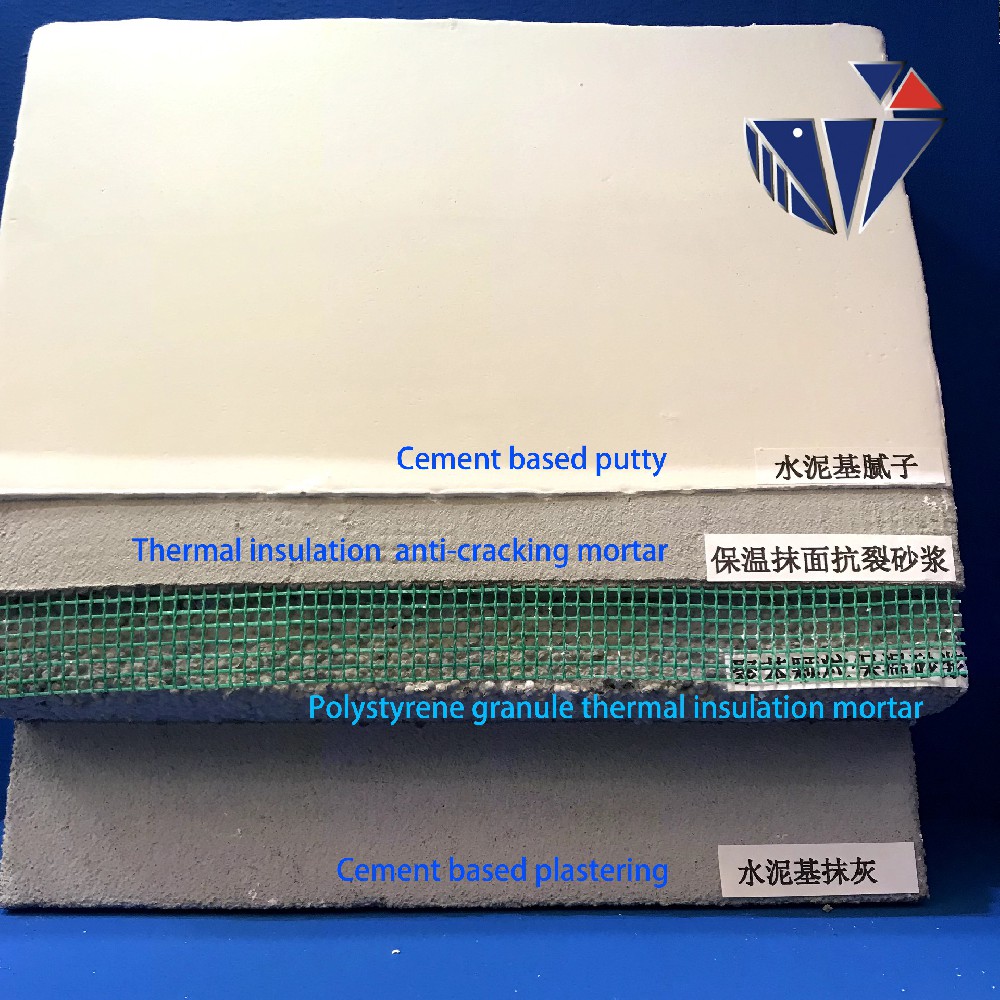
- A: It enhances workability, adhesion, and water retention in adhesives and mortars, helping to reduce cracks and improve final product durability.
- Q: Can hydroxy methyl cellulose be used in eco-friendly products?
- A: Absolutely. It’s a bio-based polymer, often compliant with organic or green certifications, making it ideal for sustainable applications like green building or cosmetics.
- Q: How can companies source hydroxy methyl cellulose globally?
- A: Many suppliers provide international shipping with certification support. It is wise to research vendors with robust logistics and quality assurance systems.
Conclusion + Call to Action
To wrap this up, hydroxy methyl cellulose represents a quietly powerful ingredient in modern industry. It blends sustainability, safety, and technical excellence — qualities increasingly prized around the world. If you’re intrigued or seeking reliable suppliers, do explore further at https://www.cnjzchemical.com, where expert support awaits.
All told, understanding materials like hydroxy methyl cellulose isn’t just academic — it’s a path to smarter, greener, and more dependable products and processes.
References:
1. Wikipedia – Cellulose Ethers
2. ISO Reports on Cellulose Products (2023)
3. UN Sustainable Development Goals
-
Understanding Hydroxypropyl Methyl Cellulose MSDS Safety and Compliance
NewsApr.16,2026
-
Understanding the Hydroxypropyl Methyl Cellulose HS Code for Global Trade
NewsApr.09,2026
-
Comprehensive Guide to Hydroxypropyl Methyl Cellulose CAS Number and Applications
NewsApr.07,2026
-
Comprehensive Guide to Hydroxypropyl Methyl Cellulose cas no and its Diverse Applications
NewsApr.04,2026
-
Comprehensive Guide to Hydroxypropyl Methyl Cellulose Manufacturers and Applications
NewsMar.31,2026
-
Understanding Hydroxypropyl Methyl Cellulose Properties And Diverse Applications
NewsMar.28,2026