
Dec . 02, 2025 06:35 Back to list
Hydroxypropyl Methylcellulose: Global Applications, Benefits, and Industry Insights
Understanding Hydroxypropyl Methylcellulose: A Key Ingredient Across Industries
Hydroxypropyl methylcellulose (HPMC) isn’t a household name, yet it finds its way into a surprising number of products and processes that affect our daily lives — from construction to pharmaceuticals and beyond. Globally, as industries strive for better performance, environmental compliance, and sustainability, knowing about substances like HPMC is more important than ever. Understanding what it is, its benefits, and its growing applications actually helps make sense of how modern manufacturing and even humanitarian aid are evolving.
Global Context: Why Hydroxypropyl Methylcellulose Matters
To fully appreciate hydroxypropyl methylcellulose’s global significance, consider this: the worldwide market for cellulose ethers (the family it belongs to) is projected to grow steadily, reaching billions of dollars over the next decade (source: Statista). From stabilizing paint formulations to acting as a binder in pharmaceuticals, HPMC addresses key industry challenges like product consistency, environmental safety, and user comfort.
For example, construction industries in Asia and Europe depend heavily on HPMC for tasks such as tile adhesives and drywall compounds — enhancing durability and usability. Meanwhile, pharmaceutical companies worldwide use it as a controlled-release agent.
Frankly, with increasing regulatory pressure on chemical safety and green manufacturing, HPMC is spotlighted as an effective substitute for more hazardous additives.
Mini takeaway: HPMC’s versatility and safety credentials drive its global demand, impacting sectors from construction to healthcare.
What Is Hydroxypropyl Methylcellulose?
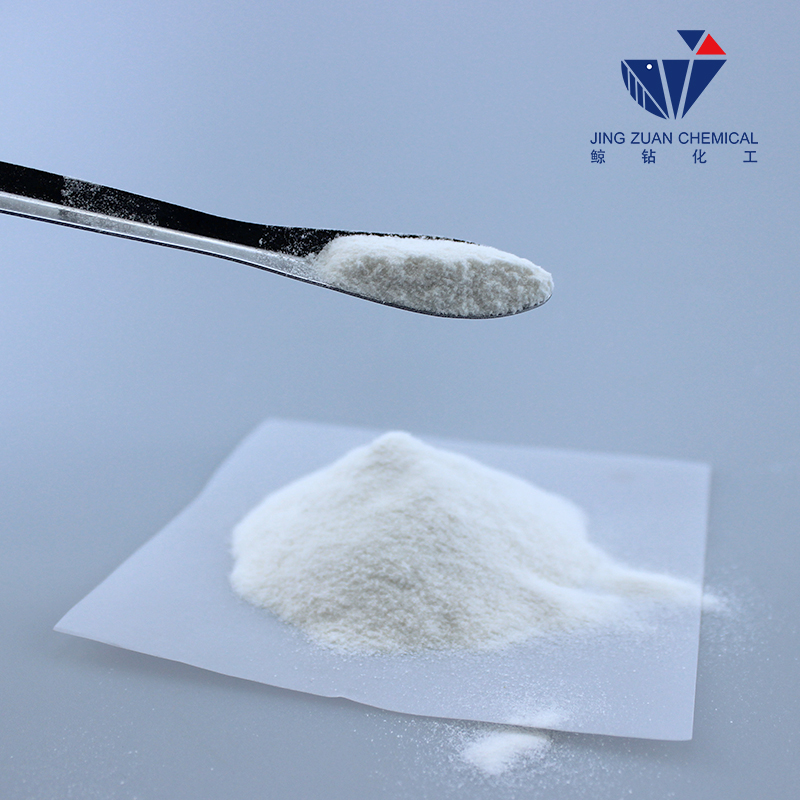
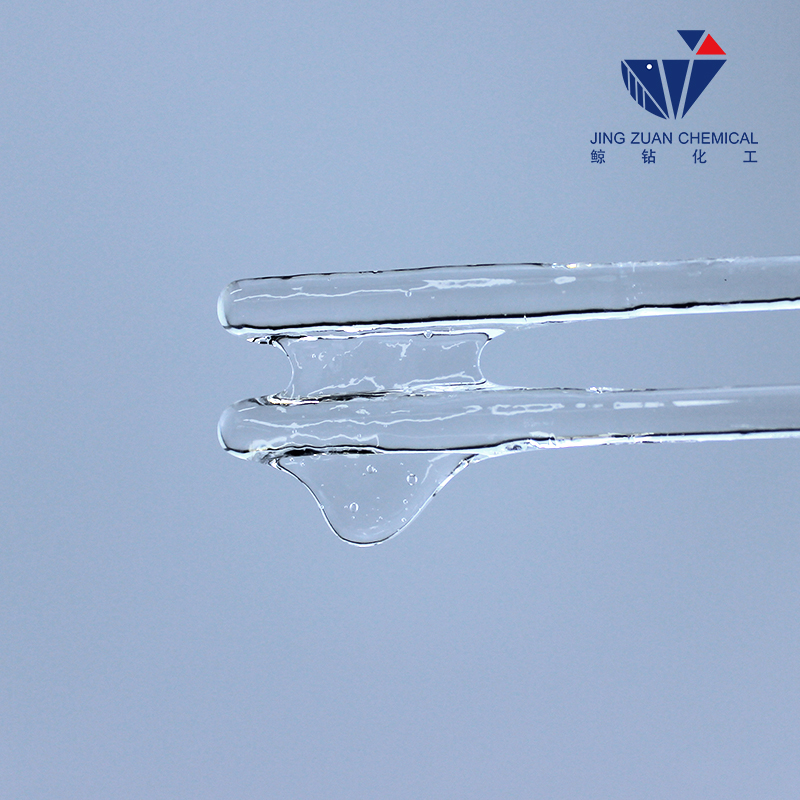
In simple words, hydroxypropyl methylcellulose is a chemically modified cellulose polymer derived from plant fibers. It’s a white, odorless powder that dissolves in cold water to form a clear, viscous solution. The modification lets it thicken, stabilize, or bind materials without the toxicity or volatility of synthetic polymers.
Its connection to modern industry runs deep: cellulose itself is among the most abundant natural polymers, so modifying it to yield HPMC leverages renewable resources but with improved performance suited to demanding technical applications. It’s also non-toxic, non-allergenic, and biodegradable in many contexts, making it a humanitarian-friendly ingredient in, say, oral medicines or safe construction materials for relief projects.
Mini takeaway: HPMC is a plant-based polymer that blends natural abundance with chemical versatility, meeting industrial and humanitarian needs alike.
Key Factors in Hydroxypropyl Methylcellulose's Utility
1. Durability & Stability
One of the reasons this polymer is so prized is its resistance to heat and pH changes. It keeps mixtures stable over time, which is crucial in paints, adhesives, and pharmaceuticals where shelf life matters.
2. Water Retention
Its unique ability to retain moisture means it improves workability in construction products, preventing premature drying and cracking.
3. Film Formation
HPMC forms a flexible film on drying, a property vital in coatings and controlled drug release.
4. Non-toxicity & Environmental Safety
Because it’s derived from cellulose, it is widely accepted in food, cosmetics, and pharmaceuticals as safe — which not all polymers can claim.
5. Versatility in Formulation
It acts as a thickener, binder, emulsifier, and more — making it a chemical "Swiss army knife."
Mini takeaway: Durability, moisture control, safety, and versatility combine to make HPMC a multifunctional industry staple.
Where Is Hydroxypropyl Methylcellulose Used Globally?
The answer is “quite a bit.” Notably:
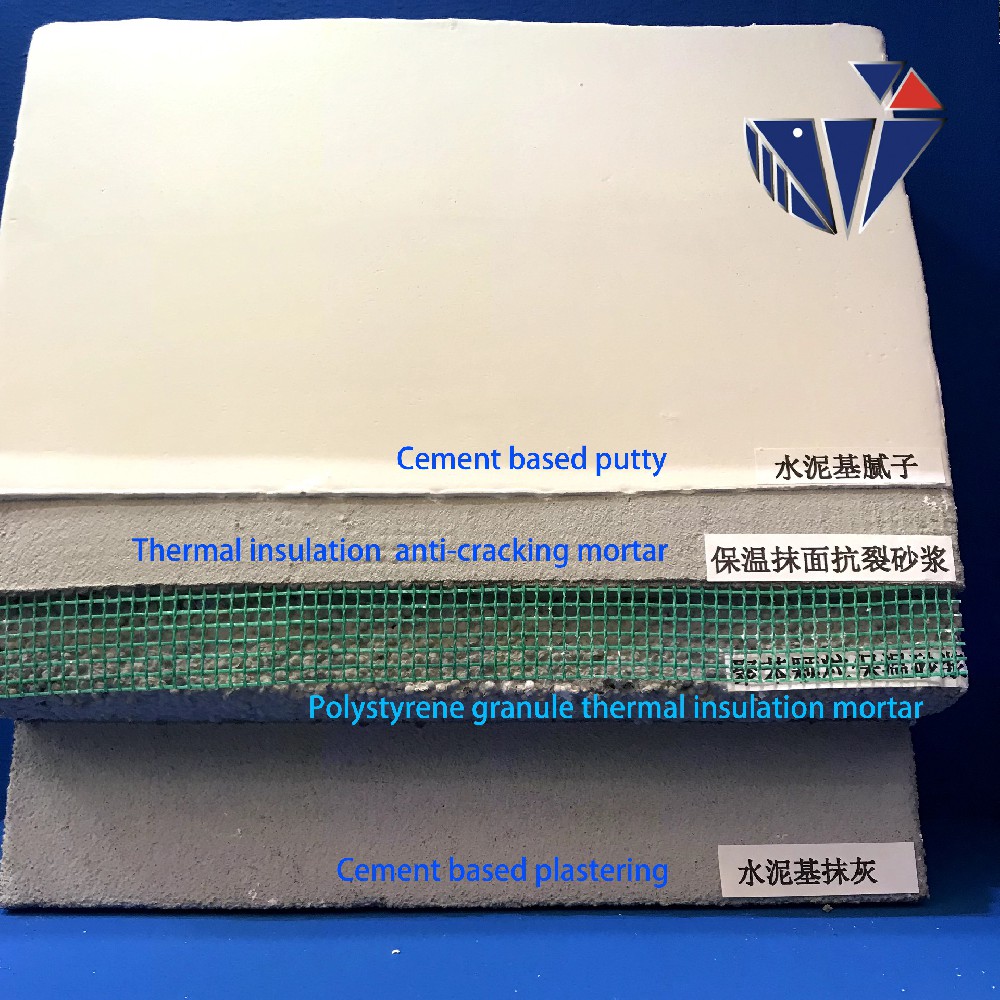
- Construction: Mortar mixes, tile adhesives, plaster, and cement-based products especially in Europe and Asia.
- Pharmaceuticals: Controlled release tablets, eye drops, and topical gels across North America and Europe.
- Food Industry: As a thickener, stabilizer, and emulsifier in gluten-free products and vegan alternatives.
- Personal Care: Shampoos, lotions, and cosmetics for their viscosity properties.
- Humanitarian & Relief: In emergency shelters and sanitation materials where safe, stable binders are essential.
Oddly enough, many new industrial zones in Africa and Southeast Asia are gearing up with HPMC-based materials for enhanced durability in building — promising better living conditions in challenging environments.
Mini takeaway: HPMC’s uses span continents and industries — making it a keystone chemical for modern life and aid efforts.
Typical Specifications of Hydroxypropyl Methylcellulose
| Characteristic | Typical Value | Units |
|---|---|---|
| Appearance | White Powder | – |
| Methoxy Content | 19–24 | % |
| Hydroxypropyl Content | 4–12 | % |
| Viscosity (2% aqueous) | 100–4000 | mPa·s (cP) |
| pH (2% solution) | 5.0–8.0 | – |
Popular Hydroxypropyl Methylcellulose Vendors Comparison
| Vendor | Product Range | Typical Applications | Eco-Certifications |
|---|---|---|---|
| Dow Chemical | Low - High Viscosity Grades | Pharma, Construction | ISO 14001 |
| Ashland | Wide (including specialty) | Food, Personal Care | Kosher, Halal |
| Shandong JZ Chemical (Learn More) | Customized grades | Construction, Pharma, Food | ISO, SGS Certified |
Advantages and Long-Term Value of Hydroxypropyl Methylcellulose
What stands out about HPMC is its long-term sustainability and multifunctionality. Cost-wise, using HPMC often means fewer additives, simpler formulations, and less waste — which cumulatively slashes overhead. Socially, the safety profiles of products containing HPMC mean consumers and workers are healthier.
There’s also an emotional dimension here — it’s satisfying to know that materials used in buildings or medications are kinder to the environment and safer for people. Innovation-wise, HPMC offers a platform for creating smarter, more adaptive materials — proving trust isn’t just about reliability, but also about respect for our shared future.
Future Trends and Innovations in Hydroxypropyl Methylcellulose
Sustainability trends push research towards bio-based, lower carbon footprint variants of cellulose ethers. Advances in nano-structuring may enhance HPMC’s film-forming and moisture-control abilities. Another interesting frontier is integrating HPMC with digital manufacturing techniques (like 3D printing) — which could revolutionize custom pharmaceuticals or building materials.
Regulations and green manufacturing policies worldwide also encourage manufacturers to refine HPMC production methods to be purer and less resource-intensive. This signals a promising future, where HPMC’s green credentials grow alongside industrial performance.
Challenges & Solutions
Despite its many benefits, HPMC is not without challenges. Certain environmental conditions (extreme heat or solvents) can degrade performance. Scaling production sustainably remains a hurdle due to raw material sourcing. However, innovations such as greener extraction methods and hybrid formulations (blending HPMC with other natural polymers) are mitigating these issues.
Industry experts often recommend carefully tailored formulations matched to specific climates or use cases to maximize stability and cost-efficiency.
Frequently Asked Questions About Hydroxypropyl Methylcellulose
- Q1: Can hydroxypropyl methylcellulose be used in gluten-free food products?
- Yes, HPMC is a popular thickener and stabilizer in gluten-free baking, helping substitute the texture and moisture retention typically provided by gluten.
- Q2: Is HPMC safe for use in pharmaceuticals?
- Absolutely. HPMC is widely approved by regulatory authorities such as the FDA for use in tablets and topical medicines due to its inert, non-toxic nature.
- Q3: How does HPMC improve tile adhesives?
- It enhances water retention and workability, allowing adhesives to stay workable longer and bond better without premature drying.
- Q4: What challenges exist in sourcing cellulose for HPMC?
- Most cellulose is sourced from wood pulp, which can raise sustainability concerns. Efforts to source from agricultural residues or managed forests help address this.
- Q5: How can companies procure high-quality HPMC internationally?
- Vendors like Shandong JZ Chemical offer certifications and customized grades for seamless international supply.
Conclusion
Hydroxypropyl methylcellulose offers an effective, environmentally sound material choice across a variety of industries worldwide. Its adaptability, safety, and sustainability ensure its relevance well into the future. For anyone involved in manufacturing, construction, or formulation chemistry, it’s a compound worth understanding and integrating thoughtfully.
Interested in superior grades and tailored solutions? Visit our website for more information.
Final thought: It’s fascinating how something seemingly simple — a powdered polymer — quietly supports so many vital aspects of modern life.
References
-
Understanding Hydroxypropyl Methyl Cellulose MSDS Safety and Compliance
NewsApr.16,2026
-
Understanding the Hydroxypropyl Methyl Cellulose HS Code for Global Trade
NewsApr.09,2026
-
Comprehensive Guide to Hydroxypropyl Methyl Cellulose CAS Number and Applications
NewsApr.07,2026
-
Comprehensive Guide to Hydroxypropyl Methyl Cellulose cas no and its Diverse Applications
NewsApr.04,2026
-
Comprehensive Guide to Hydroxypropyl Methyl Cellulose Manufacturers and Applications
NewsMar.31,2026
-
Understanding Hydroxypropyl Methyl Cellulose Properties And Diverse Applications
NewsMar.28,2026