
Dec . 02, 2025 06:00 Back to list
Hydroxypropyl Methyl Cellulose: Key Benefits, Uses & Industry Trends
Understanding Hydroxypropyl Methyl Cellulose: A Versatile Industrial Polymer
At first glance, hydroxypropyl methyl cellulose (HPMC) might sound like a mouthful from a chemistry textbook — and in a way, it is. But this versatile compound has quietly transformed numerous industries worldwide, from construction to pharmaceuticals, and even food technology. Why care about it? Because it bridges innovation and sustainability, impacting daily life and global markets alike.
To put it simply, HPMC is a water-soluble polymer derived from cellulose, the most abundant natural polymer on earth. Its unique chemical structure makes it a go-to additive for improving texture, durability, and performance in countless applications. Understanding its benefits and applications seems increasingly vital as industries chase sustainable and efficient solutions.
Global Importance of Hydroxypropyl Methyl Cellulose
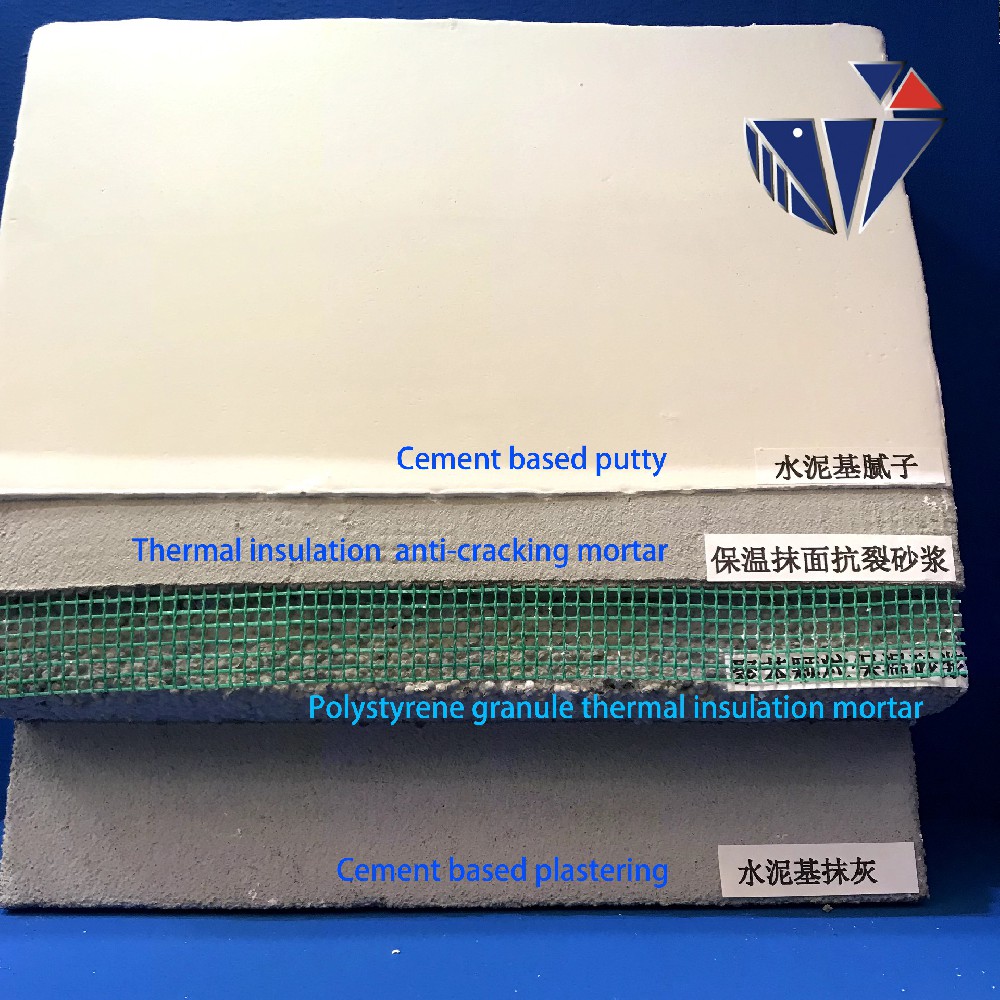
Globally, the construction sector alone accounts for about 13% of carbon emissions (UN Environment Programme), making any additive that improves material efficiency and longevity a major player in climate solutions. HPMC fits right here — improving mortar workability and insulation properties, which ultimately saves materials and energy.
Besides construction, pharmaceutical manufacturing employs HPMC as a primary excipient and controlled release agent, lending stability and consistency to medicines. According to ISO standards on pharmaceutical binders, HPMC’s role in drug formulations boosts reliability across global supply chains.
Yet, challenges persist: climate impact, resource scarcity, and demand for greener chemicals press industries to innovate. Hydroxypropyl methyl cellulose’s biodegradability and diverse compatibility offer promising paths forward, addressing both performance needs and environmental concerns.
What Exactly is Hydroxypropyl Methyl Cellulose?
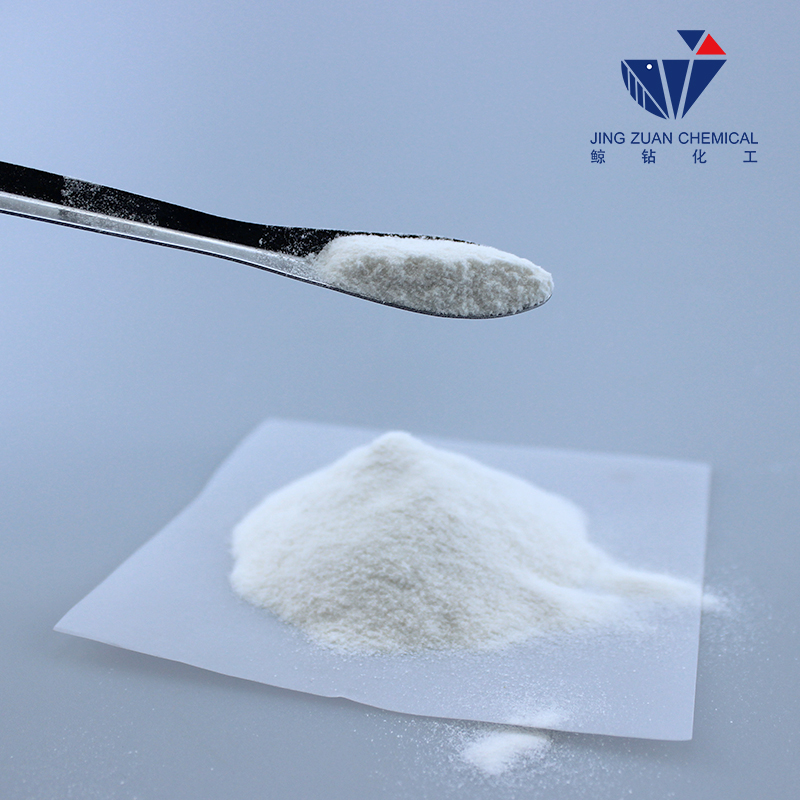
Hydroxypropyl methyl cellulose, also known as hypromellose, is a semi-synthetic, inert, viscoelastic polymer made by chemically modifying cellulose with hydroxypropyl and methyl groups. The result? A flexible, water-soluble powder that thickens, stabilizes, and emulsifies without reacting chemically under most conditions.
It's this inertness and versatility that have cemented its place in industries requiring stable yet adaptable materials. Whether keeping cement wet and workable during a build, or carrying active pharmaceutical ingredients inside a pill, HPMC proves essential.
Key Factors and Core Components of HPMC
- Water Retention & Durability: In construction, HPMC improves mortar and plaster water retention allowing slow drying, leading to stronger, crack-resistant walls.
- Viscosity Control: In adhesives and paints, it controls viscosity, preventing sagging and enhancing adhesion to surfaces.
- Biocompatibility: Widely accepted as safe by FDA and EMA, it is a binder and controlled-release agent in pharmaceuticals.
- Thermal Stability: HPMC withstands temperatures up to 150°C with no degradation, useful in industrial processes.
- Customization: By tailoring substitution levels (hydroxypropyl and methyl groups), manufacturers tweak solubility and gelation properties per use case.
Knowing these factors can make a world of difference when selecting materials for a project or product design.
Hydroxypropyl Methyl Cellulose in Action: Global Use Cases
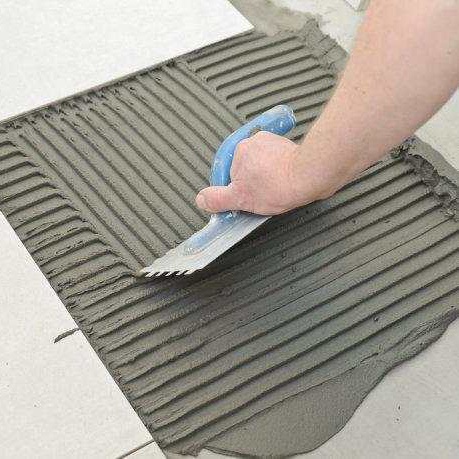
In Asian markets — especially China and India — demand for hydroxypropyl methyl cellulose skyrockets as booming infrastructure projects prioritize eco-friendly materials. For example, in Vietnam, builders benefit from HPMC-enhanced tile adhesives that improve peel strength and water resistance.
Meanwhile, European pharmaceutical giants rely on HPMC for tablet coatings that deliver targeted, timed drug release — critical in chronic disease management. Pharmacies and hospitals worldwide count on consistent quality across thousands of batches.
Even in humanitarian efforts, HPMC helps create sustained-release fertilizer coatings used in reforestation projects in Africa, the Middle East, and parts of South America. This slow nutrient release fosters better plant establishment in arid environments, supporting food security and ecosystem restoration.
Mini Takeaway:
Hydroxypropyl methyl cellulose plays quietly behind the scenes yet is indispensable across continents — pushing sustainability, efficiency, and reliability forward in diverse sectors.
Advantages & Long-Term Value of Using HPMC
The tangible benefits often cited include:
- Cost Efficiency: By improving material properties, HPMC reduces waste and rework, lowering overall costs.
- Sustainability: Derived from renewable cellulose and biodegradable, it fits the circular economy framework.
- Patient Safety: In pharmaceuticals, it enhances medicine stability, indirectly supporting health outcomes and trust.
- Social Impact: Enabling more durable housing and infrastructure raises living standards, especially in developing regions.
Emotionally, it feels reassuring — knowing the materials in your medicine or home are thoughtfully engineered and consciously sourced.
Product Specification Table: Typical HPMC Grades Overview
| Parameter | Standard Grade | High Viscosity Grade | Pharmaceutical Grade |
|---|---|---|---|
| Methoxy Content (%) | 19.0 - 24.0 | 19.0 - 24.0 | 19.0 - 24.0 |
| Hydroxypropyl Content (%) | 4.0 - 12.0 | 4.0 - 12.0 | 6.0 - 12.0 |
| Viscosity (mPa·s) | 10,000 - 20,000 | 50,000 - 100,000 | 3,000 - 10,000 |
| pH (2% solution) | 5.0 - 8.0 | 5.0 - 8.0 | 5.0 - 7.0 |
Key Vendors Comparison: HPMC Supplier Overview
| Vendor | Standard/Custom Grades | Geographic Reach | Price Range (USD/kg) | Special Features |
|---|---|---|---|---|
| Company A | Wide variety, pharma-grade | Global | 12 - 22 | ISO 9001 & GMP certified |
| Company B | Focus on construction grades | Asia-Pacific | 8 - 15 | Eco-friendly sourcing |
| Company C | Custom modifications & R&D support | Europe & North America | 20 - 30 | Sustainability-focused products |
Future Trends & Innovations in Hydroxypropyl Methyl Cellulose Use
Looking ahead, hydroxypropyl methyl cellulose is likely to gain even more traction as green chemistry and digital transformation shape industries. For example:
- Integration into 3D-printed construction materials for rapid, sustainable housing solutions.
- Development of nano-engineered HPMC composites to boost mechanical strength and biodegradability.
- Automation in formulation control for pharmaceutical coatings ensuring precision dosing.
- Growing emphasis on renewable sourcing and carbon footprint reduction throughout the supply chain.
These innovations respond not only to technical challenges but also to social and environmental imperatives—truly exciting times for a polymer that once seemed so simple.
Challenges & Solutions in Using HPMC
Even though HPMC is widely appreciated, it’s not without challenges:
- Supply variability: Raw cellulose feedstock quality can fluctuate with seasonal or geographic factors, affecting consistency.
- Cost pressure: While biodegradable, specialty HPMC grades can be costly compared to synthetic alternatives.
- Process optimization: Slight changes in temperature or pH can alter viscosity and gelation behavior.
Industry experts recommend working closely with suppliers to tailor grades for specific needs, invest in robust quality controls, and explore hybrid formulations combining HPMC with other polymers for cost and performance balance.
Frequently Asked Questions About Hydroxypropyl Methyl Cellulose
- What makes hydroxypropyl methyl cellulose so widely used in construction?
- Its water retention ability improves mortar workability and adhesion, which enables stronger, crack-resistant building materials. Plus, it’s easy to mix into cementitious products without hazardous chemicals.
- Is HPMC safe for pharmaceutical use?
- Yes, HPMC meets FDA and EMA safety standards. It’s non-toxic, inert, and used as a binder and controlled-release agent in many oral medications.
- Can HPMC help create environmentally friendly products?
- Definitely. Being derived from natural cellulose and biodegradable makes it a sustainable choice compared to synthetic polymers in many applications.
- How do manufacturers control the viscosity of HPMC?
- By adjusting the degree of substitution with hydroxypropyl and methyl groups and using different molecular weight grades, manufacturers can fine-tune viscosity and gelation properties for specific needs.
- Where can I buy quality hydroxypropyl methyl cellulose?
- Many suppliers globally offer standard and custom HPMC grades. For example, visit hydroxypropyl methyl cellulose suppliers that provide technical specs and support to help select the best grade.
Conclusion
Hydroxypropyl methyl cellulose may seem like just another industrial chemical, but in the grand scheme, it’s a quiet enabler of sustainable innovation. From sturdy walls to life-saving medications, HPMC underpins quality and trust across industries globally. As we push into greener, smarter technologies, this humble polymer’s relevance only grows.
Curious to learn more or source premium HPMC for your projects? Visit https://www.cnjzchemical.com – where experience meets quality in polymer solutions.
Sometimes it’s the unseen, everyday materials that make all the difference. Hydroxypropyl methyl cellulose is one of those.
References
-
Understanding Hydroxypropyl Methyl Cellulose MSDS Safety and Compliance
NewsApr.16,2026
-
Understanding the Hydroxypropyl Methyl Cellulose HS Code for Global Trade
NewsApr.09,2026
-
Comprehensive Guide to Hydroxypropyl Methyl Cellulose CAS Number and Applications
NewsApr.07,2026
-
Comprehensive Guide to Hydroxypropyl Methyl Cellulose cas no and its Diverse Applications
NewsApr.04,2026
-
Comprehensive Guide to Hydroxypropyl Methyl Cellulose Manufacturers and Applications
NewsMar.31,2026
-
Understanding Hydroxypropyl Methyl Cellulose Properties And Diverse Applications
NewsMar.28,2026