
Dec . 02, 2025 05:25 Back to list
Is HPMC Soluble in Water? Comprehensive Guide on Properties & Applications
Is HPMC Soluble in Water? Exploring the Science and Industry Applications
Hydroxypropyl methylcellulose (HPMC) often pops up in technical specs and product sheets, yet many folks wonder exactly is HPMC soluble in water and why that matters. Understanding this isn’t just academic—it’s pivotal for industries from pharmaceuticals to construction, affecting product performance, sustainability, and even safety. So, why does it matter globally? Well, with increasing demands for eco-friendly and efficient solutions worldwide, knowing how HPMC behaves in water helps engineers, chemists, and manufacturers innovate responsibly.
Introduction: The Global Context of HPMC Solubility
Globally, the use of water-soluble polymers like HPMC surges—driven by tightening regulations (ISO standards) and trends toward greener production methods. According to recent ISO reports, water-based formulations now constitute nearly 60% of binder and adhesive markets worldwide, a steady climb from a decade ago. Yet, a challenge persists: many manufacturers grapple with consistency in solubility, which impacts product efficiency and shelf life. So, drilling into is hpmc soluble in water isn’t just curiosity — it’s a practical necessity for global supply chains and ecological responsibility.
Defining HPMC Solubility in Water
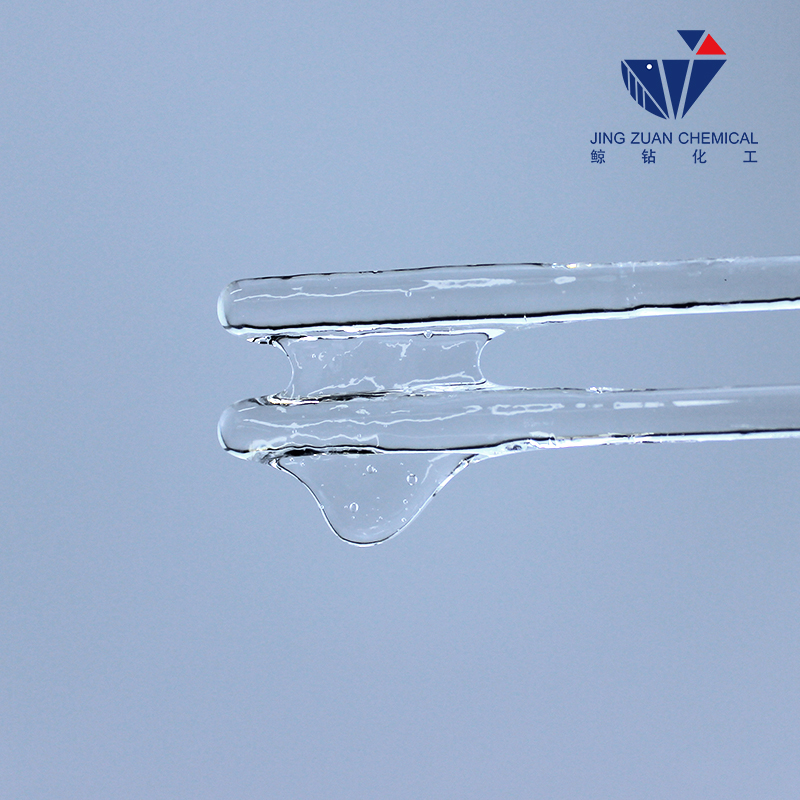
Put simply, Hydroxypropyl methylcellulose (HPMC) is a semi-synthetic polymer derived from cellulose, modified to dissolve in cold water without breaking down chemically. Its solubility means it disperses evenly, forming a flexible, viscous gel-like solution. This property connects directly to everyday use cases — think of how it acts as a thickener in paints or stabilizer in pharmaceuticals. It’s that hydrophilic nature—that innate affinity for water—that makes it so indispensable.
Key Factors Affecting HPMC’s Water Solubility
1. Molecular Weight and Viscosity
The molecular weight determines how easily HPMC dissolves. Lower molecular weights generally dissolve faster but might not offer the needed viscosity for applications like adhesives or coatings. Oddly enough, balancing molecular weight is an art that ensures solubility without sacrificing performance.
2. Substitution Degree of Hydroxypropyl and Methyl Groups
The amount and type of chemical groups attached to the cellulose backbone alter HPMC’s hydrophilicity—higher hydroxypropyl content usually boosts solubility, but too much can affect film formation negatively. Engineers often tweak these to optimize solubility and end-use traits.
3. Temperature and pH
HPMC’s solubility varies with temperature: it dissolves well in cold water, but upon heating, it gels—this thermo-reversible behavior is crucial for controlled-release drug formulations and specialty foods. pH stability in neutral zones further enhances its utility across industries.
4. Purity and Particle Size
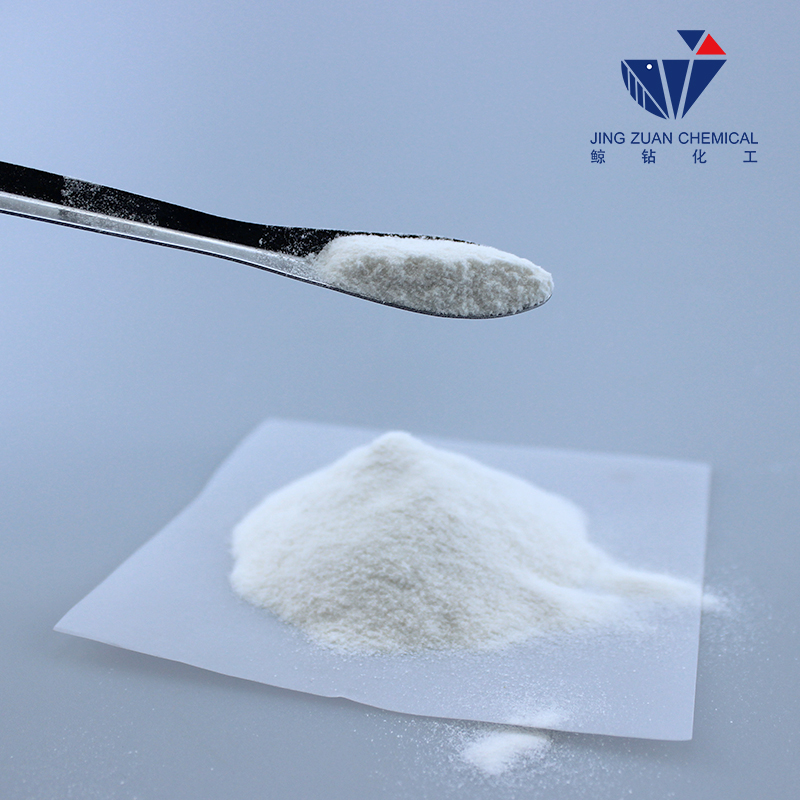
In practice, particle size and impurity levels can slow dissolution times. Fine powders with high purity typically dissolve more rapidly. Manufacturers often optimize milling processes to hit this sweet spot.
Product Specifications at a Glance
| Specification | Typical Range | Unit |
|---|---|---|
| Molecular Weight | 10,000 - 150,000 | g/mol |
| Viscosity (2% solution) | 10 - 3000 | mPa·s |
| Degree of Substitution (Hydroxypropyl) | 4-12 | % |
| Solubility | Cold water soluble | - |
Global Applications & Use Cases
HPMC’s water solubility unlocks a surprising range of applications. For example:
- Pharmaceuticals: Used as a binder, film former, and controlled-release agent in tablets and capsules worldwide, allowing consistent drug delivery.
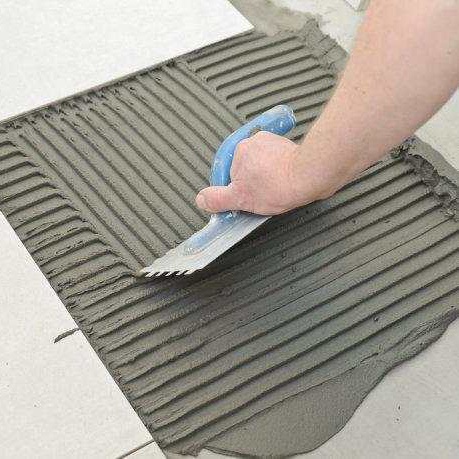
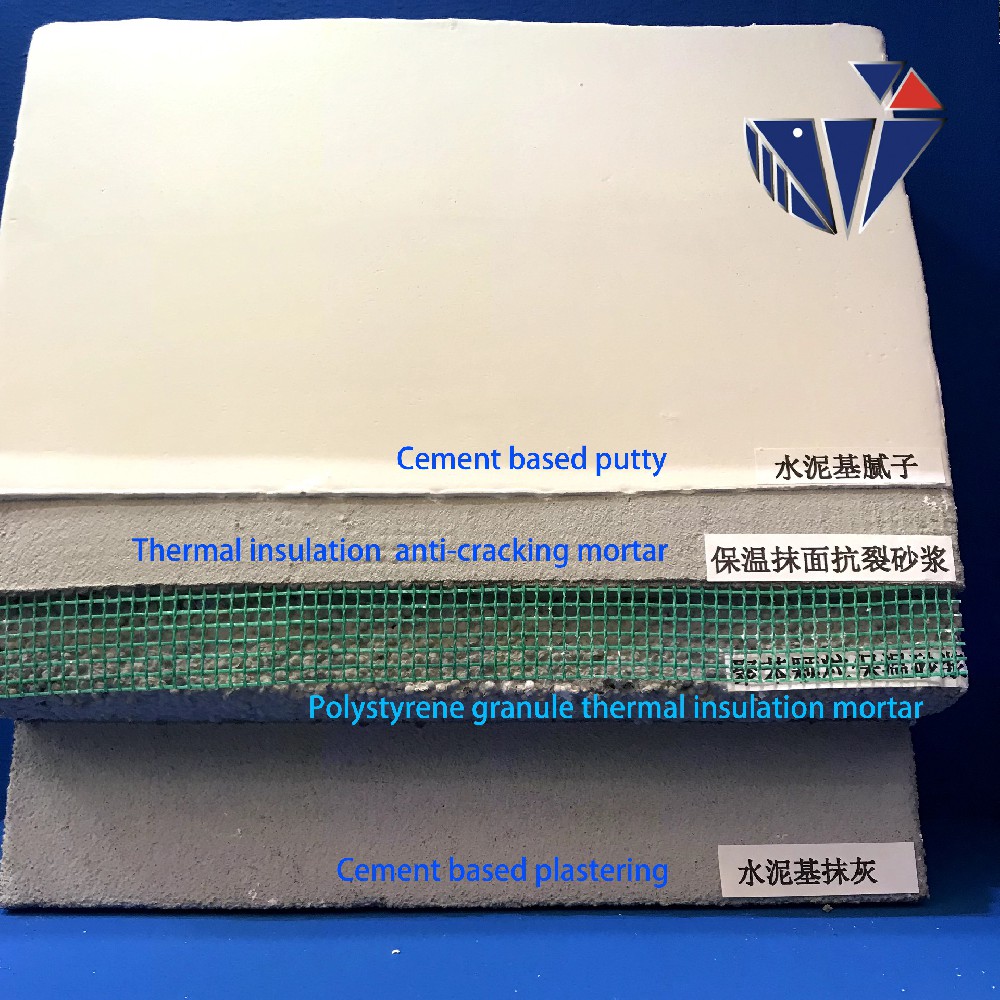
- Construction: In dry-mix mortars and tile adhesives, HPMC improves workability and water retention, vital for durable buildings in regions prone to extreme weather.
- Food Industry: It serves as a thickener and stabilizer in vegan and gluten-free products, responding to a booming global demand for alternative food textures.
- Cosmetics: Formulates gels and lotions that stay stable and pleasant without harmful solvents.
Regions like Asia-Pacific show rapid adoption due to construction booms, while Europe leads pharmaceutical applications. NGOs working in emergency shelters also rely on HPMC-enhanced materials for fast-setting, water-resistant compounds in post-disaster recovery.
Vendor Comparison: HPMC Suppliers
| Supplier | Solubility Rate | Purity (%) | Viscosity Range (mPa·s) | Typical Lead Time |
|---|---|---|---|---|
| CNJZ Chemical | Fast (within 5 min) | 99.5 | 100 - 1500 | 2 weeks |
| Global Cellulose Ltd. | Moderate (10-15 min) | 98.8 | 50 - 1200 | 3 weeks |
| CelluPro Corporation | Slow (20+ min) | 97.2 | 200 - 3000 | 1 week |
Advantages & Long-Term Value of Using HPMC
The ability of HPMC to dissolve uniformly in water brings concrete benefits:
- Cost-Efficiency: It reduces the need for organic solvents, lowering production costs and hazards.
- Sustainability: Being derived from cellulose and water-soluble, it aligns well with green chemistry principles.
- Reliability: Consistent performance in different temperatures and pH helps manufacturers guarantee quality.
- Social Impact: Especially in pharma and construction, HPMC supports safer, more effective products improving lives globally.
It feels like a silent hero in products we rarely consider but rely on constantly.
Future Trends & Innovations
Industry insiders expect HPMC formulations to evolve with advances in nanotechnology and bioengineering. For instance, combining HPMC with nano-cellulose could yield ultra-strong, biodegradable films ideal for packaging. Digitalization allows for predictive dissolution modeling, cutting down R&D times. And as sustainability demands ramp up, HPMC’s water solubility ensures it will remain a cornerstone in greener product design.
Challenges & Solutions
While HPMC is quite adaptable, it isn’t perfect. For example, certain formulations experience slow dissolution which delays production. Also, impurities can cause inconsistent viscosity. To tackle these, manufacturers are investing in advanced purification and particle sizing techniques. Some labs develop proprietary blends tailored to specific climates or substrates, leveraging smart process controls to get around these traditional roadblocks.
FAQ: Frequently Asked Questions About Is HPMC Soluble in Water
- Q: How fast does HPMC dissolve in water?
A: Typically, HPMC dissolves in cold water within 5 to 15 minutes depending on its grade and particle size, making it quite practical for industrial use. - Q: Does temperature affect the solubility of HPMC?
A: Yes, HPMC dissolves better in cold water but gels upon heating. This thermo-reversible property is especially important in pharmaceutical formulations. - Q: Can HPMC be used in eco-friendly products?
A: Absolutely. HPMC is cellulose-based and water soluble, fitting well with green chemistry and sustainable product requirements. - Q: Are there different grades of HPMC depending on solubility?
A: Yes, manufacturers provide multiple grades optimized for solubility speed, viscosity, and application-specific needs. - Q: How can I verify the water solubility of a specific HPMC batch?
A: Conducting standard solubility tests at 20-25°C, under controlled stirring, can confirm batch performance according to ISO standards.
Conclusion + Call to Action
In the end, understanding is HPMC soluble in water unlocks immense potential — from improved pharmaceutical efficacy to greener construction materials. It stands as a fine example of science meeting practical needs, with sustainability at its heart. For those curious to explore further or source quality HPMC, do visit our website: https://www.cnjzchemical.com. The journey to better products and solutions might just start there.
Mini takeaway: HPMC’s water solubility is a versatile, eco-friendly characteristic that fuels innovation across multiple global industries, balancing performance with sustainability.
References:
-
Understanding Hydroxypropyl Methyl Cellulose MSDS Safety and Compliance
NewsApr.16,2026
-
Understanding the Hydroxypropyl Methyl Cellulose HS Code for Global Trade
NewsApr.09,2026
-
Comprehensive Guide to Hydroxypropyl Methyl Cellulose CAS Number and Applications
NewsApr.07,2026
-
Comprehensive Guide to Hydroxypropyl Methyl Cellulose cas no and its Diverse Applications
NewsApr.04,2026
-
Comprehensive Guide to Hydroxypropyl Methyl Cellulose Manufacturers and Applications
NewsMar.31,2026
-
Understanding Hydroxypropyl Methyl Cellulose Properties And Diverse Applications
NewsMar.28,2026