
Feb . 28, 2026 02:05 Back to list
Comprehensive Guide to Hydroxypropyl Methylcellulose and Its Diverse Applications
Hydroxypropyl Methylcellulose (HPMC): A Comprehensive Guide
Hydroxypropyl methylcellulose (HPMC) is a versatile cellulose ether derived from cellulose. It’s widely used across numerous industries – from construction and pharmaceuticals to food and personal care – due to its unique properties as a thickener, binder, film former, and protective colloid. CNJZ Chemical specializes in the production and supply of high-quality HPMC, tailored to meet diverse application needs. This article will delve into the properties, applications, and benefits of HPMC, offering a comprehensive understanding for professionals and potential users.
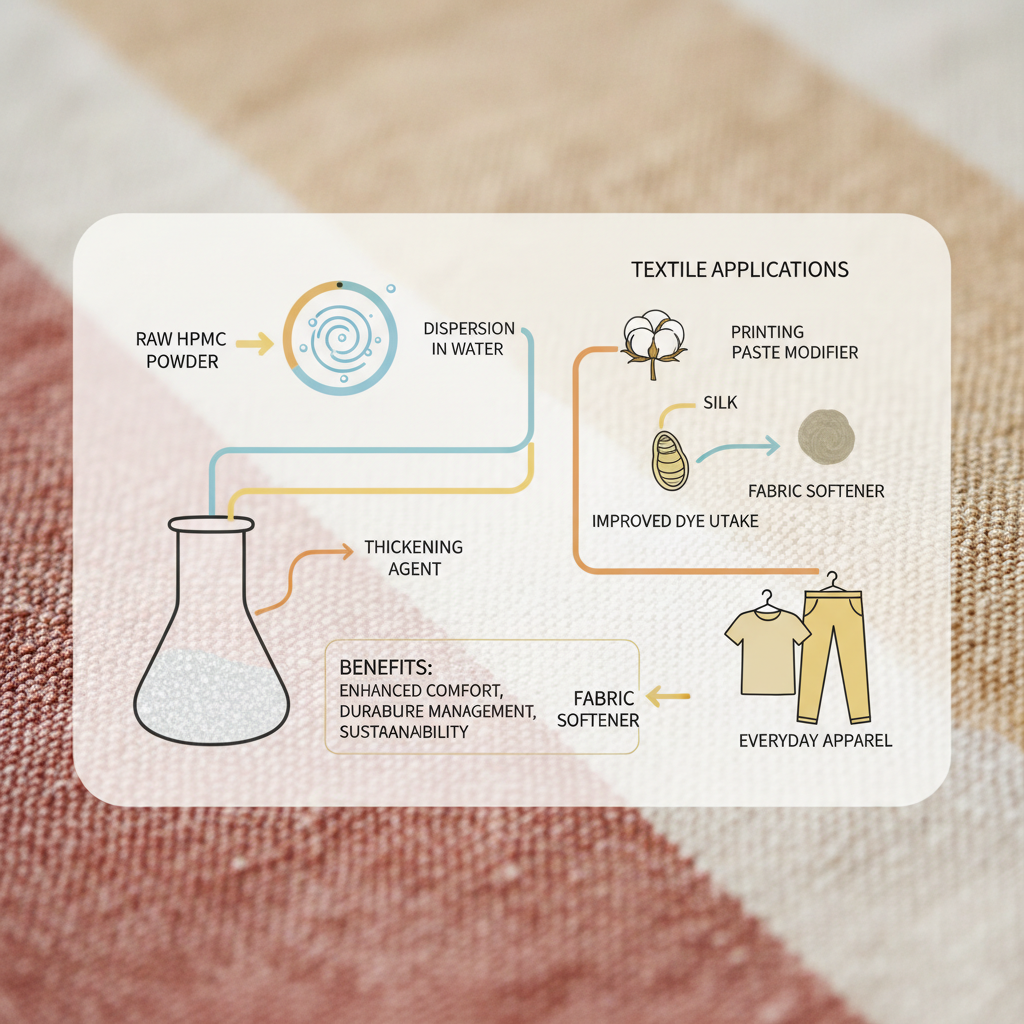
What is Hydroxypropyl Methylcellulose (HPMC)?
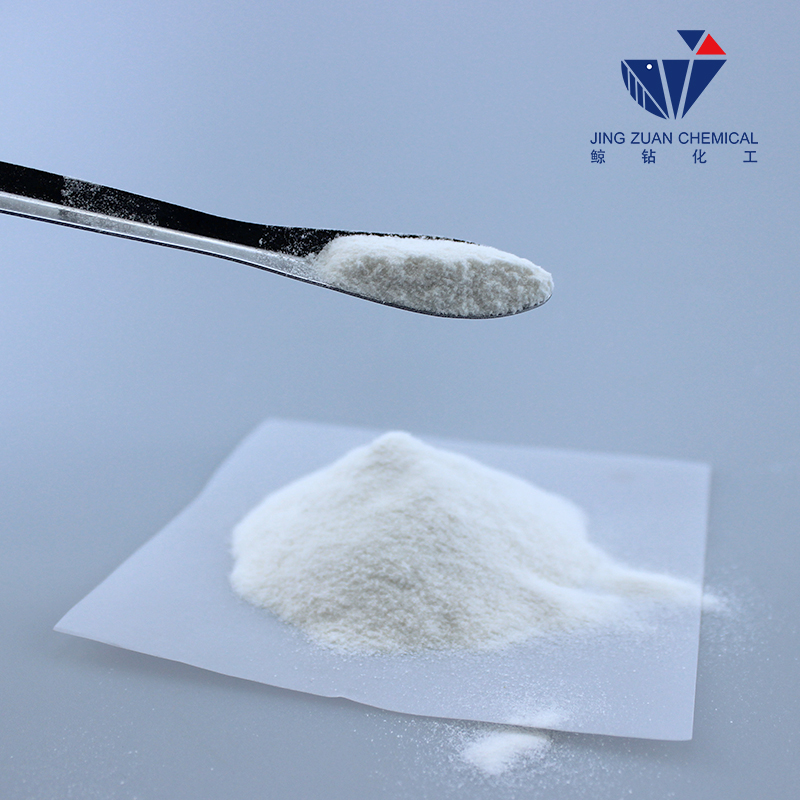
HPMC is a non-ionic cellulose ether produced by modifying cellulose with methyl and hydroxypropyl groups. This modification imparts unique properties like water solubility, thermal gelation, and surface activity. It appears as a white or off-white powder, odorless, and tasteless. The degree of substitution (DS) of methyl and hydroxypropyl groups influences HPMC’s properties, allowing for tailored grades to suit specific applications. CNJZ Chemical offers a wide range of HPMC grades with varying DS and viscosities.
Key Highlights: Non-ionic, water-soluble polymer derived from cellulose. Exhibits thickening, binding, film-forming, and protective colloid properties.
Key Properties of HPMC
HPMC possesses a remarkable set of properties that make it invaluable in various applications. These include:
- Thickening: Increases the viscosity of aqueous solutions.
- Water Retention: Holds water, preventing drying and cracking.
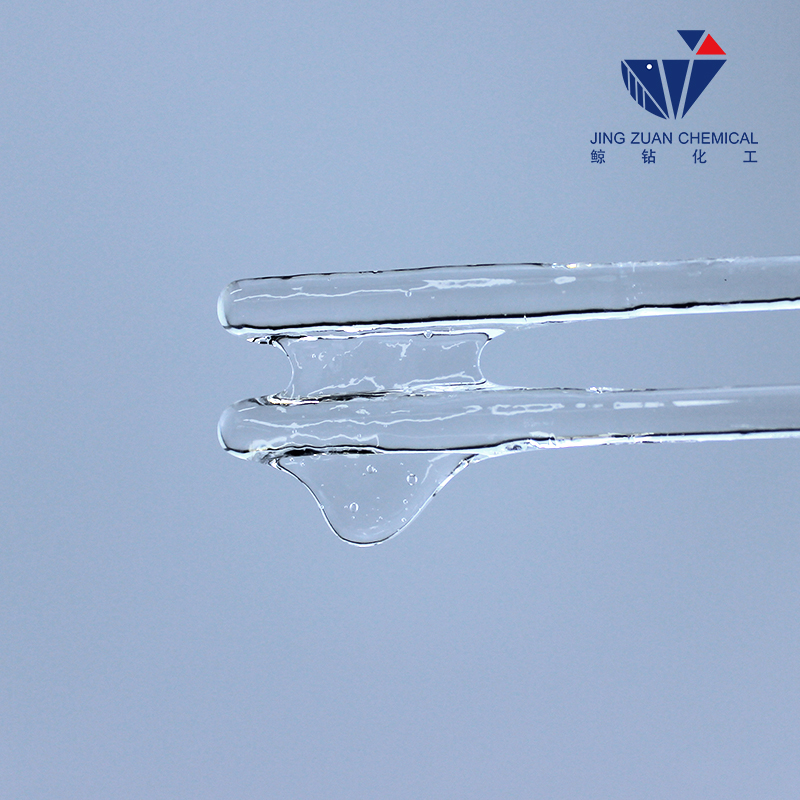
- Film Formation: Forms flexible, strong, and transparent films.
- Thermal Gelation: Forms a gel when heated, reversible upon cooling.
- Suspension Stability: Keeps particles suspended in solutions.
- Adhesion: Enhances adhesion between different materials.
These characteristics are fine-tuned by controlling the molecular weight and the degree of substitution, allowing for customized solutions. Explore CNJZ Chemical’s extensive product catalog for HPMC tailored to your specific needs.
Applications Across Industries: Where HPMC Excels
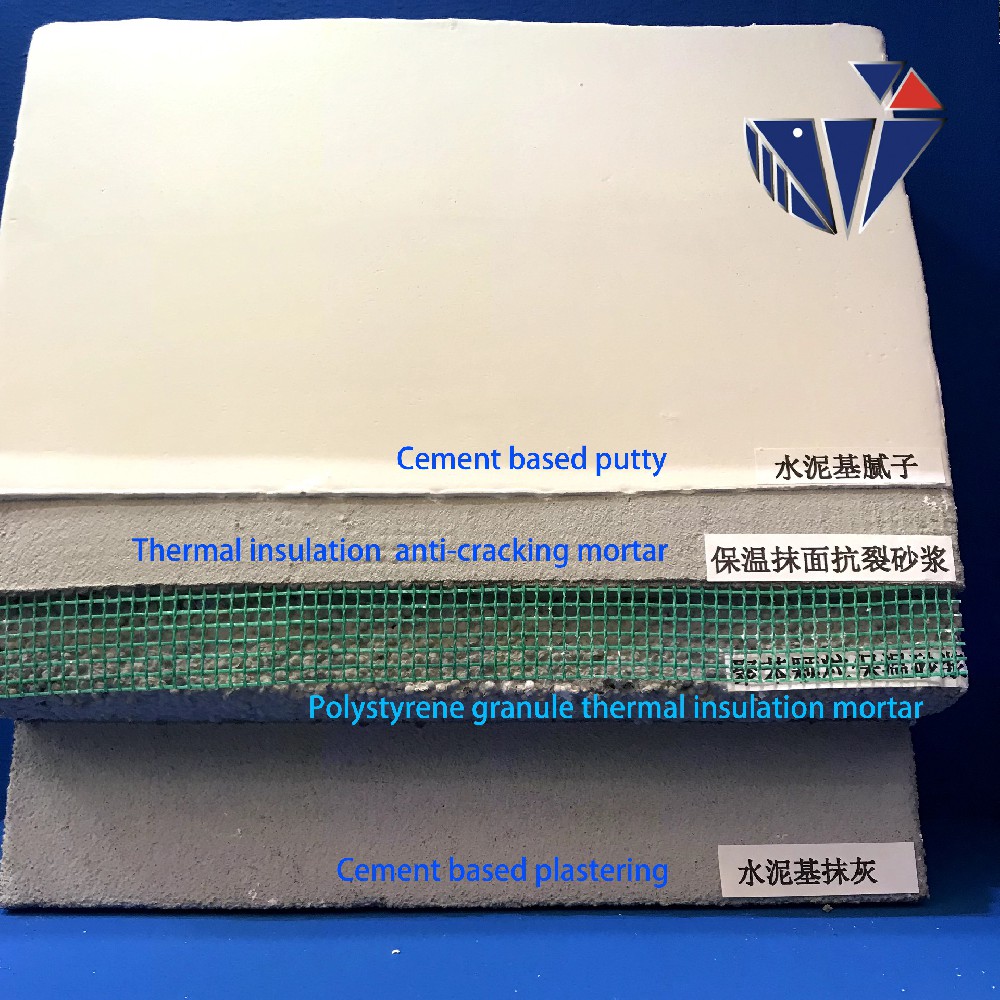
The versatility of HPMC leads to its application in a diverse array of industries. Here's a look at some key areas:
HPMC Grades and Viscosity
HPMC is available in different grades, primarily categorized by viscosity. Viscosity is a crucial parameter influencing the performance of HPMC in different applications. Lower viscosity grades are suitable for coatings and adhesives, while higher viscosity grades are preferred for thickening and suspension. CNJZ Chemical offers a complete range of HPMC viscosities to meet every requirement.
Product Specifications: CNJZ Chemical HPMC
Here's a representative specification table for our commonly produced HPMC grades:
Conclusion: HPMC – A Versatile Polymer for Diverse Applications
Hydroxypropyl methylcellulose is a truly versatile polymer offering a unique combination of properties that make it essential across numerous industries. CNJZ Chemical is committed to providing high-quality HPMC products tailored to your specific requirements. Contact us today to discuss your application and discover how HPMC can enhance your products and processes.
Frequently Asked Questions (FAQs)
What is the shelf life of HPMC?
When stored properly in a cool, dry place, away from direct sunlight and moisture, HPMC typically has a shelf life of at least 3 years. It's essential to keep the packaging sealed to prevent absorption of moisture from the atmosphere. While the material itself won't necessarily "expire," its properties may degrade over time if not stored correctly, leading to reduced performance in applications like thickening or film formation. Regular visual inspection for clumping or discoloration is recommended.
Is HPMC a safe material for food applications?
Yes, HPMC is generally recognized as safe (GRAS) by the FDA for use in food applications. It's widely used as a food additive due to its non-toxic nature and its ability to improve texture, stability, and shelf life. However, the specific grade of HPMC used in food applications must meet the required purity standards and be approved for that specific use. CNJZ Chemical provides food-grade HPMC that complies with relevant regulations.
How does the viscosity of HPMC affect its performance?
Viscosity is a critical factor determining HPMC's performance. Higher viscosity HPMC provides greater thickening power and improved suspension stability. It's often used in applications where a thick gel or paste is required, such as in coatings or adhesives. Lower viscosity HPMC is preferred for applications where a clear, less viscous solution is needed, such as in pharmaceutical coatings or as a stabilizer. Selecting the appropriate viscosity grade is crucial for achieving the desired results.
-
Understanding Hydroxypropyl Methyl Cellulose MSDS Safety and Compliance
NewsApr.16,2026
-
Understanding the Hydroxypropyl Methyl Cellulose HS Code for Global Trade
NewsApr.09,2026
-
Comprehensive Guide to Hydroxypropyl Methyl Cellulose CAS Number and Applications
NewsApr.07,2026
-
Comprehensive Guide to Hydroxypropyl Methyl Cellulose cas no and its Diverse Applications
NewsApr.04,2026
-
Comprehensive Guide to Hydroxypropyl Methyl Cellulose Manufacturers and Applications
NewsMar.31,2026
-
Understanding Hydroxypropyl Methyl Cellulose Properties And Diverse Applications
NewsMar.28,2026