
Dec . 09, 2025 09:40 Back to list
Comprehensive Guide to Mortar Bonding Agent for Construction Pros | CNJZ Chemical
Mortar Bonding Agent is a key solution in the industry, specifically within the construction and renovation sectors. This article explores how https://www.cnjzchemical.com supports professionals with durable, high-performance products, and explains why this product is an ideal choice for businesses in these sectors.
Table of Contents
- Mortar Bonding Agent Overview
- Benefits & Use Cases of Mortar Bonding Agent
- Cost, Maintenance & User Experience
- Sustainability & Market Trends
Mortar Bonding Agent Overview
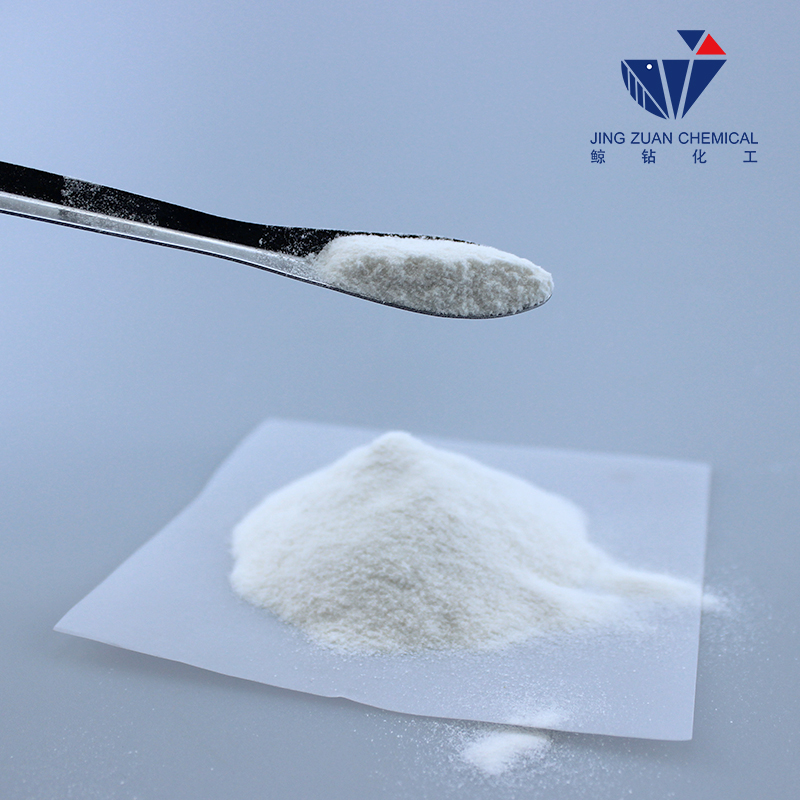
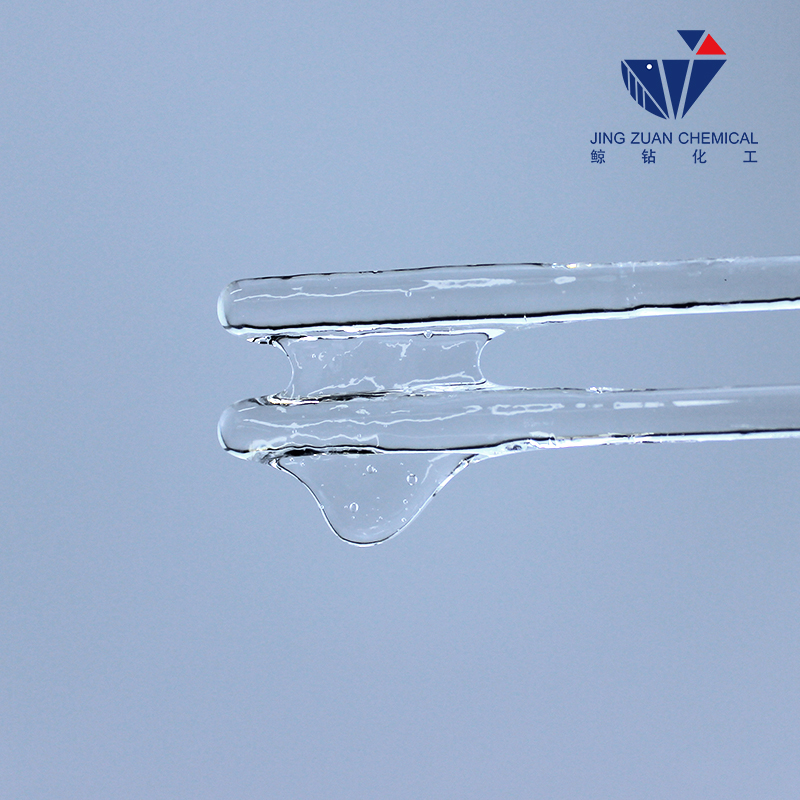
In simple terms, a mortar bonding agent is a specially formulated additive designed to improve the adhesion between old and new concrete or masonry surfaces. It’s a staple for professionals aiming to ensure structural integrity and longevity, particularly when repairing or overlaying existing substrates. You might say it’s the unsung hero in countless construction projects, preventing delamination and cracking over time.
Technically, these agents often contain polymers, latex, or acrylic compounds that chemically bond with the mortar mix. For example, CNJZ Chemical offers options with a polymer base that enhances tensile strength and flexibility—properties tested under rigorous ASTM standards. A solid case study from a recent metro station renovation in China showed a 30% reduction in surface failure when their mortar bonding agent was applied carefully.
| Specification | Details |
|---|---|
| Type | Polymer Emulsion |
| Appearance | Milky White Liquid |
| Solid Content | 45% ± 2% |
| pH Value | 7.0 - 8.5 |
| Viscosity | 600 – 800 mPa·s |
| Shelf Life | 12 months (sealed) |
Benefits & Use Cases of Mortar Bonding Agent
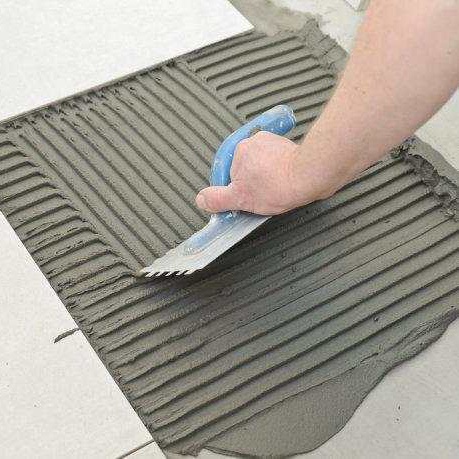
When it comes to real-world applications, mortar bonding agents shine in both new construction and restoration. Industrial floors, bridge repairs, concrete overlays, and masonry renovations are common scenarios. For example, in the commercial sector, the agent improves the bond strength on concrete slabs exposed to heavy machinery or foot traffic—something many decision makers worry about.
Notably, the bonding agent from CNJZ Chemical offers key advantages over traditional cement slurry or roughening methods. It enhances flexural strength, resists water ingress, and reduces shrinkage cracks. Oddly enough, many engineers mention how these agents improve workability, making the mortar easier to spread and finish, which in turn saves labor time and cost. You could argue it adds indirect value too.
Vendor Comparison
| Vendor | Base Polymer | Solid Content | Indoor/Outdoor Use | Typical Application |
|---|---|---|---|---|
| CNJZ Chemical | Acrylic Polymer | 45% ± 2% | Both | Concrete overlays, masonry repair |
| Vendor B | Styrene Butadiene | 40% ± 3% | Outdoor only | Bridge and road repair |
| Vendor C | Latex-based | 50% ± 1% | Indoor only | Floor leveling compounds |
Cost, Maintenance & User Experience
Looking at the total cost of ownership, mortar bonding agents often pay for themselves in the long run. Although the upfront price might be higher than just using plain cement slurry, their role in improving durability means fewer repairs and longer intervals between maintenance. You don't have to take my word for it—several clients in heavy industrial plants reported a lifespan extension of up to 50% on their concrete surfaces after switching to CNJZ’s agents.
From a user perspective, applicators frequently mention the ease of mixing and consistent performance even in varying environmental conditions. And frankly, that’s a big deal when you’re juggling deadlines. One customer in the oil & gas sector noted that the bonding agent eliminated adhesion failures on vertical surfaces, which was a longstanding headache.
Sustainability & Market Trends
In today’s green-conscious climate, the sustainability of building materials is increasingly critical. Mortar bonding agents from reputable manufacturers like CNJZ Chemical are often formulated using low-VOC (volatile organic compounds) polymers, which reduces harmful emissions during application. Additionally, improved bonding reduces material wastage and extends the life cycle of structures, making the entire project more eco-friendly.
The market is also trending towards multifunctional agents that combine bonding, waterproofing, and abrasion resistance. Regulatory bodies worldwide are starting to set stricter standards on construction chemical emissions, pushing B2B buyers to prioritize compliant, certified products. So, the momentum behind these agents is quite strong—and frankly, it feels like their importance will only grow.
Frequently Asked Questions about Mortar Bonding Agent
- What is Mortar Bonding Agent and how does it work?
- Mortar bonding agent is an additive used to improve the adhesion between old and new mortar or concrete surfaces. It works by creating a polymer film that bonds to both substrates, providing superior strength and durability compared to traditional methods.
- What are the main benefits of using Mortar Bonding Agent in industrial applications?
- Key benefits include enhanced adhesion, improved flexibility, resistance to cracking and water ingress, and ultimately longer service life of repaired or overlaid surfaces—all contributing to cost savings and performance improvements.
- How does Mortar Bonding Agent compare to traditional alternatives?
- Unlike cement slurry or mechanical roughening, mortar bonding agents provide chemical adhesion and flexibility. This reduces the chance of failure under stress and improves water resistance, making them technologically superior to conventional methods.
- What industries can benefit most from Mortar Bonding Agent implementation?
- Sectors like commercial construction, industrial flooring, infrastructure repair, and oil & gas facilities particularly benefit from these agents. Their use in critical repairs and overlays has proven reliability across a range of harsh environments.
Conclusion on Mortar Bonding Agent from china
To sum up, mortar bonding agents are an invaluable tool for any business seeking durable, efficient, and cost-effective solutions in construction and repair. Choosing quality products — like those from CNJZ Chemical — not only enhances performance but also future-proofs projects against wear and environmental stress. If you’re weighing options, I’d suggest giving their line a close look; it might just be the difference-maker your next project needs.
- Recap the value of Mortar Bonding Agent.
- Visit our website: https://www.cnjzchemical.com
In reflection, while mortar bonding agents may not always be in the spotlight, their role is pivotal. It’s kind of like the second coat of paint—a subtle, yet crucial step that protects and strengthens. For anyone in the construction business, overlooking this would be short-sighted. References for deeper insights include ASTM specifications on bonding agents, CNJZ Chemical’s product literature [1], and recent industry case studies on restoration efficiency [2][3].
-
Understanding Hydroxypropyl Methyl Cellulose MSDS Safety and Compliance
NewsApr.16,2026
-
Understanding the Hydroxypropyl Methyl Cellulose HS Code for Global Trade
NewsApr.09,2026
-
Comprehensive Guide to Hydroxypropyl Methyl Cellulose CAS Number and Applications
NewsApr.07,2026
-
Comprehensive Guide to Hydroxypropyl Methyl Cellulose cas no and its Diverse Applications
NewsApr.04,2026
-
Comprehensive Guide to Hydroxypropyl Methyl Cellulose Manufacturers and Applications
NewsMar.31,2026
-
Understanding Hydroxypropyl Methyl Cellulose Properties And Diverse Applications
NewsMar.28,2026