
Nov . 29, 2025 11:20 Back to list
Comprehensive Guide to Reliable HPMC Suppliers in 2024
Understanding HPMC Suppliers: Why It Matters Today
Hydroxypropyl methylcellulose, commonly known as HPMC, touches more aspects of our daily lives than most realize. Whether you're walking on a smooth floor, opening a medicine cabinet, or even admiring the fresh plaster on a wall, chances are HPMC had a hand in it. The role of hpmc suppliers is vital in making sure industries worldwide get this versatile material on time and with consistent quality.
But why should anyone outside a specialist’s circle care? Well, globally, the demand for sustainable, reliable materials like HPMC is growing. According to recent industry reports, the HPMC market size is projected to expand steadily due to its wide applications – from pharmaceuticals to construction and food industries (1). Understanding which suppliers provide high-grade HPMC – and why it’s important – can impact everything from product safety to cost efficiency.
Mini takeaway: HPMC is a critical industrial ingredient, and knowing about trusted suppliers can save time, money, and headaches.
The Global Context: What Makes HPMC Suppliers So Relevant?
At the macro level, the role of hpmc suppliers is intertwined with global industry demands and sustainability goals. The World Bank notes increasing urbanization combined with stricter environmental standards is nudging construction and pharmaceutical industries towards greener, more efficient materials like HPMC (2). These are materials derived from cellulose, a natural polymer, which makes them preferable over purely synthetic polymers in many cases.
Imagine trying to source reliable HPMC amidst growing demand, fluctuating raw material prices, and complex supply chains; it’s no easy feat. For example, in regions facing supply disruption, or where regulatory compliance is stringent, aligning with the right supplier ensures that products meet safety and performance standards without major delays.
Mini takeaway: Reliable HPMC supply chains are fundamental to meeting global industrial needs with quality and sustainability.
Breaking It Down: What Are HPMC Suppliers?
Simply put, hpmc suppliers are companies that manufacture, process, or distribute hydroxypropyl methylcellulose. HPMC itself is a cellulose derivative used as a thickener, stabilizer, adhesive, or film-former across many industries. Suppliers provide HPMC in various grades, particle sizes, and chemical specifications to suit diverse applications.
This connection to multiple sectors means the supplier is not just a warehouse but a critical partner who understands industry-specific challenges — whether it’s for making gluten-free bakery products stable or for improving plaster adhesion on a construction site.
Key factors that define quality HPMC suppliers
1. Product Purity & Consistency
The hallmark of a dependable supplier is their ability to consistently deliver HPMC that meets strict purity levels. Variations can alter product performance drastically, so rigorous quality control (QC) is non-negotiable.
2. Range of Product Offerings
Good HPMC suppliers will stock multiple grades—like standard viscosity, low substitution, or high-substitution forms—to cater to different industrial needs (think pharmacy tablets vs. cement additives).
3. Supply Chain Reliability
A supplier’s logistics capabilities can make or break production timelines. In fast-paced industries, delays mean lost revenue and customer trust.
4. Regulatory Compliance
Suppliers often need certifications — such as ISO quality standards and, depending on use, food or pharma-grade certifications. Hidden risks lurk if supply lines slip up on compliance.
5. Sustainability Practices
As sustainability becomes a priority, many buyers now favor suppliers who source raw materials responsibly and minimize environmental footprint.
Mini takeaway: The unsung strengths of HPMC suppliers lie in their quality control and supply consistency — two things that really keep the industrial gears turning smoothly.
Real-World Applications: How HPMC Suppliers Support Diverse Industries
The reach of HPMC suppliers spans continents and sectors. For instance:
- Pharmaceuticals: HPMC is crucial in controlled drug release and tablet coating, affecting product efficacy and patient safety.
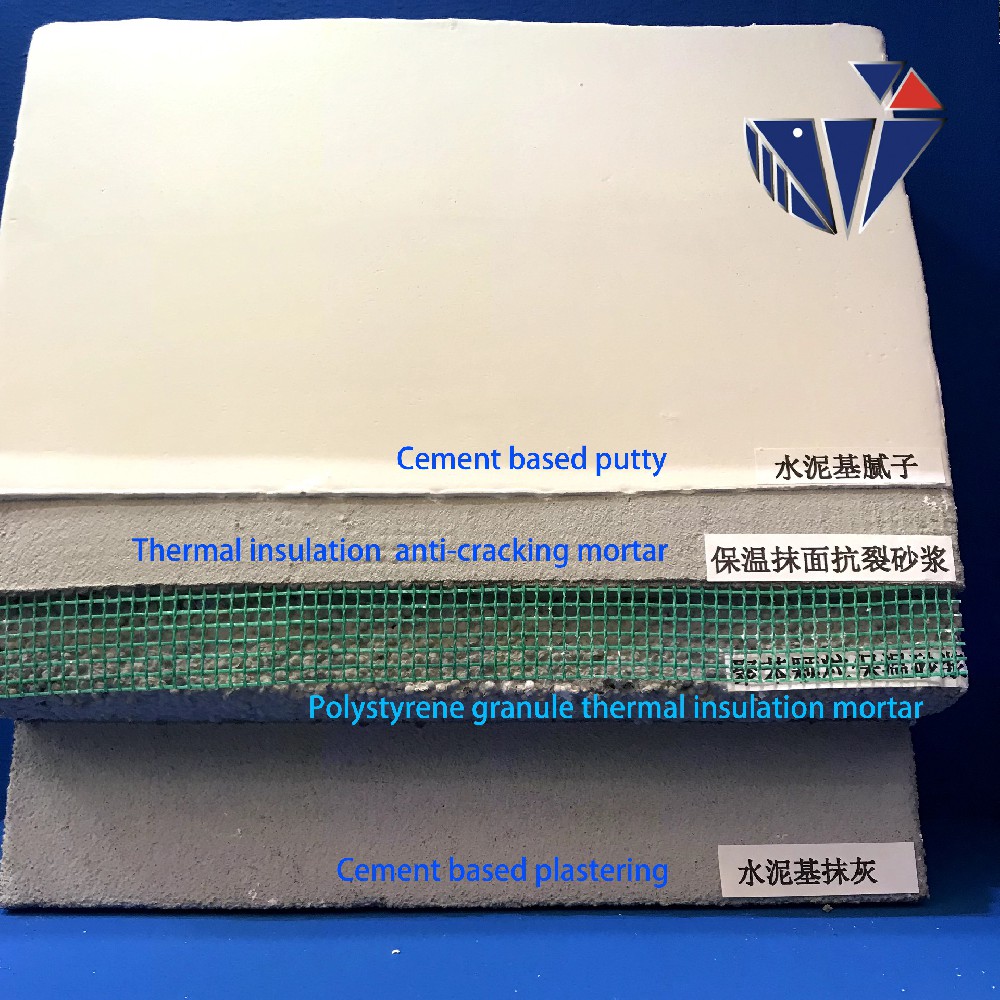
- Construction: Enhances mortar and plaster workability, especially in dry powder mixes used worldwide.
- Food Industry: As an additive in gluten-free flours and frozen desserts.
- Paints & Coatings: Enables better application and durability properties.
Take post-disaster relief campaigns, which often require ready-mixed plasters and quick-setting adhesives to rebuild homes. Reliable HPMC from trusted suppliers can drastically improve the quality and speed of reconstruction, benefiting millions.
Product Specification Table: A Typical HPMC Grade Breakdown
| Specification | Value | Unit | Remarks |
|---|---|---|---|
| Methoxy Content | 19-24 | % | Affects viscosity |
| Hydroxypropyl Content | 4-12 | % | Increases water retention |
| Viscosity (2% solution) | 2000-5000 | mPa·s | Varies by grade |
| Moisture Content | % | Quality indicator |
Comparing Top HPMC Suppliers: What Should You Look For?
| Supplier | Product Range | Certifications | Global Reach | Sustainability Practices |
|---|---|---|---|---|
| Supplier A | Wide (pharma, food, construction) | ISO 9001, GMP | North America, Asia, Europe | Certified sustainable sourcing |
| Supplier B | Specialized (construction grades) | ISO 9001 | Asia, Middle East | Partial green initiatives |
| Supplier C | Food & pharma focused | ISO 9001, FDA Approved | Global | Eco-friendly packaging |
Why Partnering with the Right HPMC Suppliers Matters for the Long Haul
Frankly, it’s not just about price anymore. The right hpmc suppliers provide products that deliver consistency, reduce waste, and help meet regulatory hurdles. That reliability can mean safer medicines, better housing materials, or even tastier food products. On an emotional level, using HPMC from trusted sources can give manufacturers peace of mind that their end users’ safety and satisfaction are prioritized.
In today’s competitive markets, I noticed companies that invest in transparent supplier relationships often enjoy less downtime and faster innovation cycles. It’s a solid investment into future-proofing products and brands.
Looking Ahead: Innovations and Trends in the HPMC Industry
The future of hpmc suppliers is shaped by growing trends such as green chemistry, nanotechnology integration, and digital supply chain management. Innovations include bio-derived raw materials that further reduce environmental impact and automated quality control systems improving batch-to-batch consistency.
Additionally, geopolitical shifts and supply chain resilience post-pandemic have pushed suppliers toward more decentralized models, cutting lead times and improving responsiveness. Expect the supplier landscape to become a tad more dynamic, a bit more tech-savvy.
Challenges Facing HPMC Suppliers and How They’re Overcome
Challenges such as raw material price volatility, shipping disruptions, and regulatory complexities remain hurdles. Expert suppliers mitigate these with diversified sourcing, inventory buffering, and proactive compliance teams. I’ve also heard from industry peers that investing in strong customer communication ensures problems are spotted early and resolved.
FAQ: Common Questions About HPMC Suppliers
- How do I choose the right HPMC grade for my application?
- Choosing the right grade depends on your industry and product requirements such as viscosity, purity, and substitution levels. Discuss your needs clearly with your supplier to get tailored recommendations.
- Can I get pharmaceutical-grade HPMC for export to regulated markets?
- Yes. Many suppliers offer pharma-grade HPMC compliant with FDA and EMA standards. Ensure your supplier provides documentation and batch certificates for import compliance.
- Are there environmentally friendly HPMC options?
- Suppliers increasingly offer HPMC sourced from sustainably harvested cellulose and with eco-conscious packaging. Ask specifically about sustainability certifications and sourcing policies.
- What’s the typical lead time for bulk HPMC orders?
- Lead times vary but generally range from 2 to 6 weeks, depending on order size and destination. Reliable suppliers keep you updated to avoid surprises.
- How do supply chain disruptions affect HPMC availability?
- Disruptions can cause delays and price changes. Mitigation strategies include having multiple suppliers, stockpiling critical grades, and flexible contracts.
Wrapping It Up: Why Staying Informed About HPMC Suppliers Pays Off
The global demand and wide-ranging applications of HPMC mean you can’t afford to overlook who your suppliers are. Their product quality, supply reliability, and sustainability policies directly impact your end product’s success and reputation. So, if your work hinges on consistent HPMC supply, it pays to partner with experienced and agile hpmc suppliers.
Ready to secure quality HPMC and stay a step ahead? Browse reliable suppliers and product grades today — because in industrial chemistry, trust is as important as the chemistry itself.
References:
-
Understanding Hydroxypropyl Methyl Cellulose MSDS Safety and Compliance
NewsApr.16,2026
-
Understanding the Hydroxypropyl Methyl Cellulose HS Code for Global Trade
NewsApr.09,2026
-
Comprehensive Guide to Hydroxypropyl Methyl Cellulose CAS Number and Applications
NewsApr.07,2026
-
Comprehensive Guide to Hydroxypropyl Methyl Cellulose cas no and its Diverse Applications
NewsApr.04,2026
-
Comprehensive Guide to Hydroxypropyl Methyl Cellulose Manufacturers and Applications
NewsMar.31,2026
-
Understanding Hydroxypropyl Methyl Cellulose Properties And Diverse Applications
NewsMar.28,2026