
Nov . 29, 2025 09:45 Back to list
Reliable HPMC Supplier for Construction, Pharma & More – Quality Hydroxypropyl Methylcellulose
Understanding the Role of an HPMC Supplier in Today’s Industry
Hydroxypropyl methylcellulose (HPMC) might not be a term everyone tosses around daily, but it quietly shapes many products we rely on. From construction materials to pharmaceuticals, finding a reliable hpmc supplier is increasingly crucial worldwide. This article explores why understanding the role of HPMC suppliers matters, how it impacts industries globally, and the lasting benefits their products bring.
Why HPMC Suppliers Matter Globally
Globally, industries from construction in Asia-Pacific to pharmaceuticals in Europe depend heavily on cellulose ethers like HPMC. According to the International Cellulose Ether Association, the global demand for HPMC is expected to grow by about 5% annually through 2030, driven by expanding urban infrastructure and rising healthcare needs. However, quality, consistency, and supplier reliability remain challenges as industries scale.
Imagine needing materials that ensure the durability of a sprawling skyscraper or the smooth release of a tablet in your medicine cabinet. That’s why sourcing from a trusted HPMC supplier isn’t a trivial detail but a key part of overall product integrity.
Mini Takeaway: The global push for sustainable, reliable materials has spotlighted HPMC suppliers as pivotal players across multiple sectors.
What Exactly Is an HPMC Supplier?
In simplest terms, an HPMC supplier provides hydroxypropyl methylcellulose, a cellulose ether derivative widely used as a thickener, binder, stabilizer, or film former. These suppliers specialize in producing and distributing HPMC powders or granules with specific viscosity grades and chemical properties tailored to industries like construction, food, cosmetics, and pharma.
HPMC plays a vital role in creating materials that are flexible, water-retentive, and durable — attributes critical for things like tile adhesives, eye drops, or gluten-free baked goods. Essentially, a reliable supplier isn’t just selling raw materials; they’re enabling these industries’ innovation and quality control.
Mini Takeaway: An HPMC supplier is a cornerstone for industries requiring consistent, high-quality cellulose ethers to achieve product specs and performance.
Key Factors When Choosing an HPMC Supplier
1. Product Quality & Consistency
Ultimately, the HPMC powder’s grade affects product performance downstream. Many manufacturers look for consistency in viscosity, moisture content, and purity. An inconsistent batch can cause delays or failures in final goods — think cracked tile adhesive or uneven-release tablets.
2. Range of Viscosities and Grades
The versatility of HPMC means different end-uses require different grades. Some need low-viscosity powders for quick dissolution, others higher viscosity for enhanced bonding. Suppliers offering a wide range translate to flexibility in R&D and end-product tweaking.
3. Regulatory Compliance & Certifications
Especially when HPMC ingredients touch pharmaceuticals or food, compliance with ISO standards, FDA approvals, or regional regulations ensures safety and market access. Trusted suppliers maintain transparent documentation and certification.
4. Supply Chain Reliability
A dependable hpmc supplier understands how critical timing is. Construction projects, for instance, can’t afford material shortages leading to costly downtime. Seasoned suppliers often have contingency plans and global logistics expertise.
5. Sustainability Initiatives
Oddly enough, sustainability is becoming a big factor — whether it’s sourcing raw cellulose from certified forests or ensuring energy-efficient manufacturing. Forward-thinking suppliers embrace green practices, aligning with buyers’ ESG goals.
Mini Takeaway: Careful consideration of product quality, compliance, logistics, and sustainability helps companies minimize risk and optimize innovation.
Global Applications & Real-World Use Cases
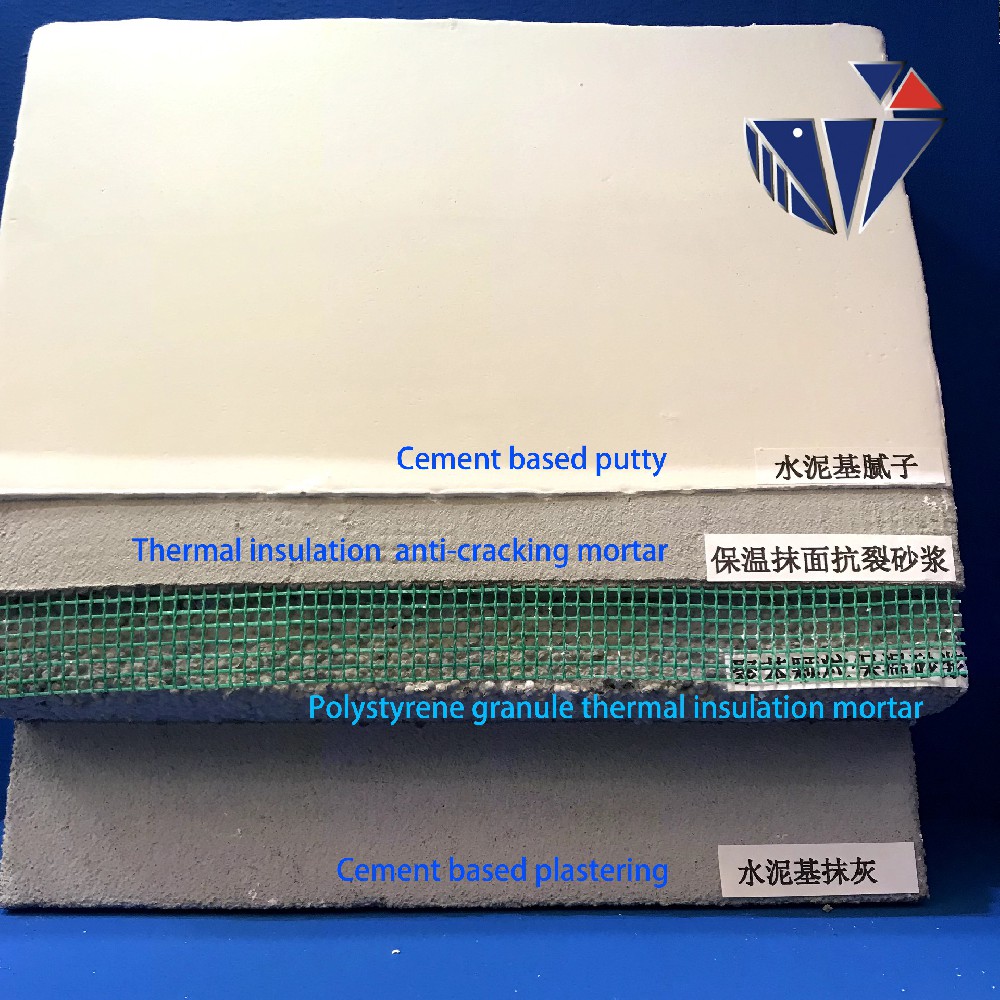
HPMC suppliers fuel an array of industries worldwide. In the Middle East and North Africa, booming construction sectors use HPMC for high-performance mortars and tile adhesives that withstand harsh climates.
In Europe and North America, pharmaceutical companies rely on HPMC as a non-toxic, plant-based binder that protects active ingredients and controls drug release.
Interestingly, humanitarian organizations use HPMC in emergency food formulations and medical supplies for disaster zones — enabling longer shelf life and easy digestion. It’s that kind of cross-sector utility that makes a reliable hpmc supplier indispensable.
Mini Takeaway: HPMC’s diverse applications mean its suppliers impact everything from skyscrapers in Dubai to life-saving meds in remote areas.
Advantages & Long-Term Value of Partnering with the Right HPMC Supplier
- Cost Efficiency: High-quality, standardized HPMC reduces waste and production errors, cutting costs.
- Product Reliability: Consistent grade assures end-user trust, whether for durable buildings or effective medicines.
- Sustainability: Suppliers adopting eco-friendly methods support corporate responsibility goals.
- Innovation Catalyst: Tailored grades encourage product development and differentiation.
- Social Impact: Access to quality HPMC supports societal goals, like affordable housing and healthcare.
Frankly, companies that treat their HPMC sourcing as strategic often see smoother operations and stronger brand reputations — a sort of win-win situation.
Emerging Trends and Innovations in HPMC Supply
There's ongoing research into ultra-pure, biodegradable cellulose ethers and digital tracking of batch quality. IoT devices help suppliers ensure end-to-end transparency, mitigating contamination risks.
Automation in production plants is decreasing lead times, and green chemistry initiatives are reducing solvent use. Plus, standardization efforts by bodies like ISO make global trade smoother.
On the horizon, bio-based formulations tailored for 3D printing and personalized medicine could redefine what an hpmc supplier offers.
Common Challenges and How Suppliers Are Overcoming Them
Issues like raw material scarcity, price volatility, and logistics disruptions often trouble suppliers. However, multi-sourcing of cellulose, inventory buffering, and blockchain for supply chain transparency mitigate these risks.
Some suppliers also invest heavily in customer collaboration — adapting quickly to feedback and innovating solutions to sticky problems like solubility or shelf life.
| Specification | Value | Unit |
|---|---|---|
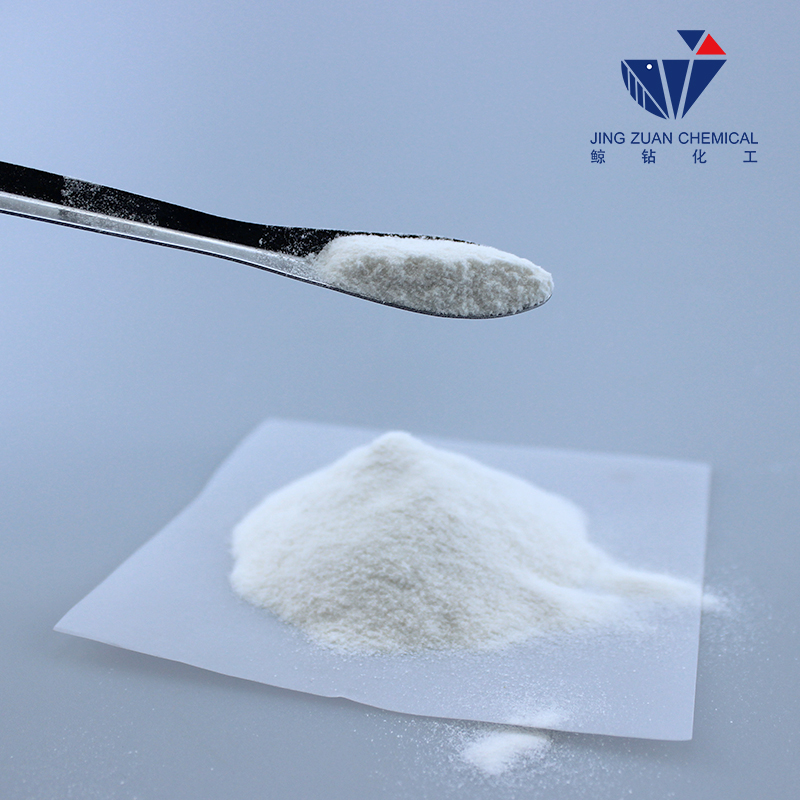
| Appearance | White Powder | - |
| Viscosity (2% solution, 20°C) | 50-1500 | mPa·s |
| pH (2% solution) | 5.5 - 8.0 | - |
| Moisture Content | ≤5 | % |
| Bulk Density | 0.4 - 0.6 | g/cm³ |
| Substitute Groups | Hydroxypropyl & Methyl | - |
How to Choose Between HPMC Suppliers? — A Quick Comparison
| Supplier | Grade Range | Certifications | Global Reach | Sustainability |
|---|---|---|---|---|
| Supplier A | 50 - 1500 mPa·s | ISO, FDA | Asia, Europe, Americas | Certified Forest Sourcing |
| Supplier B | 100 - 1200 mPa·s | ISO, Halal | Asia, Middle East | Energy-Efficient Production |
| Supplier C | 30 - 1000 mPa·s | FDA, GMP | Global | Wastewater Reduction Program |
Frequently Asked Questions About HPMC Suppliers
Q1: What should I consider when selecting an HPMC supplier for construction materials?
A1: Focus on the supplier’s product consistency, viscosity grade options, compliance with regional standards, and reliability in delivery schedules, as these factors directly affect the quality and durability of construction adhesives and plasters.
Q2: How do HPMC suppliers ensure product quality for pharmaceutical applications?
A2: Pharmaceutical-grade HPMC suppliers often maintain strict quality control with validated manufacturing processes, clean rooms, and certifications like FDA and GMP. They provide detailed documentation to ensure purity and safety.
Q3: Can small businesses source HPMC directly from large suppliers?
A3: Many suppliers accommodate smaller orders but may require minimum quantities. Some offer distribution channels for smaller buyers. It's best to inquire directly about flexible order sizes.
Q4: How is sustainability addressed by modern HPMC suppliers?
A4: Leading suppliers adopt sustainable raw material sourcing, reduce energy consumption, manage waste responsibly, and seek eco-friendly packaging options to align with environmental goals.
Q5: Are there trends affecting HPMC prices globally?
A5: Yes, factors like cellulose raw material availability, energy costs, and transportation issues affect prices. Suppliers often use multi-sourcing and contractual agreements to stabilize pricing for clients.
Conclusion
Choosing the right hpmc supplier is more than a purchasing decision — it’s a strategic move impacting product quality, cost efficiency, and sustainability. As industries evolve, suppliers that innovate, remain transparent, and prioritize customer needs will lead the pack.
If you’re ready to explore dependable HPMC sourcing options, visit our website: https://www.cnjzchemical.com for expert guidance and competitive products.
References
-
Understanding Hydroxypropyl Methyl Cellulose MSDS Safety and Compliance
NewsApr.16,2026
-
Understanding the Hydroxypropyl Methyl Cellulose HS Code for Global Trade
NewsApr.09,2026
-
Comprehensive Guide to Hydroxypropyl Methyl Cellulose CAS Number and Applications
NewsApr.07,2026
-
Comprehensive Guide to Hydroxypropyl Methyl Cellulose cas no and its Diverse Applications
NewsApr.04,2026
-
Comprehensive Guide to Hydroxypropyl Methyl Cellulose Manufacturers and Applications
NewsMar.31,2026
-
Understanding Hydroxypropyl Methyl Cellulose Properties And Diverse Applications
NewsMar.28,2026