
Nov . 30, 2025 13:10 Back to list
Comprehensive Guide to the Use of HPMC in Modern Industry
Understanding the Use of HPMC: Why It Matters Worldwide
Hydroxypropyl methylcellulose, or HPMC, might not be a household name, but its use in modern industry is widespread and crucial. From construction to pharmaceuticals, this versatile polymer serves as a game-changer. Globally, the use of HPMC addresses challenges related to material stability, sustainability, and complex manufacturing needs. Knowing where and how HPMC fits in can save businesses money, improve product quality, and even mitigate environmental impact — all quite essential in a resource-constrained world.
So, why is understanding the use of HPMC so critical? Because it transcends industries and geographies, helping to meet growing demands for efficiency and durability in products that literally shape our daily lives.
Why the Use of HPMC Is Gaining Global Importance
Globally, markets are projected to expand, with the HPMC sector expected to grow at a steady CAGR of around 6% through 2027 (source: Statista). Why? Because construction activities in emerging economies increasingly require sustainable additives and binders. According to the United Nations Environment Programme (UNEP), the construction sector contributes about 39% of global carbon emissions, pushing demand for greener materials like HPMC-enhanced solutions.
Yet, a common problem persists: how to develop products that are not only efficient but sustainable and compliant with stricter environmental regulations. It’s here that the use of HPMC becomes a consistent answer, offering multifunctional benefits where typical materials often fall short.
What Exactly Is the Use of HPMC?
In simple terms, HPMC is a cellulose derivative used as a thickener, emulsifier, binder, and film-former. Think of it as a behind-the-scenes helper that improves viscosity, water retention, and adhesive properties in countless formulations. Industries from paints, adhesives, and textiles to food and pharmaceuticals rely on it for enhancing performance without harmful side effects.
Its connection to modern industry is profound: as an inert, non-toxic, and biodegradable polymer, HPMC perfectly matches sustainability goals while addressing technical needs, making it indispensable in both high-precision and bulk industrial processes.
Core Components Making HPMC So Effective
1. Viscosity Control
HPMC modifies and controls viscosity in formulations, providing a smooth, even texture. This is crucial in products like adhesives and paints, ensuring consistent application and prevention of sagging or dripping.
2. Water Retention
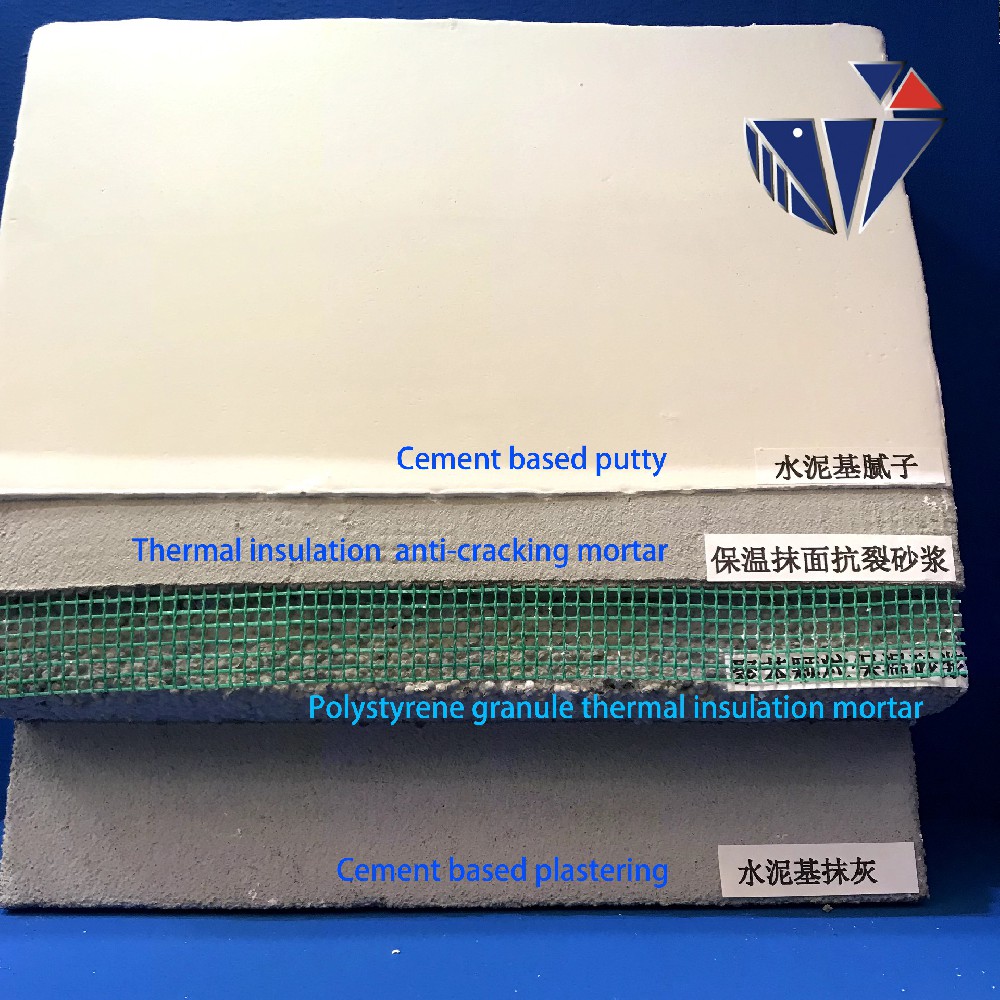
Another pivotal feature is water retention capacity. In dry mix mortars and cement plasters, HPMC slows water evaporation, ensuring better curing and enhanced durability of construction materials.
3. Binding and Adhesion
Acting as a binder, HPMC enhances adhesion between particles, beneficial in tablet manufacturing or tile adhesives, increasing strength and structural integrity.
4. Thermal Stability
Resistant to degradation at moderate temperatures, HPMC ensures product stability during processing and use. This makes it reliable for foods and pharmaceuticals where sterility and structure must be maintained.
5. Non-Toxicity and Biodegradability
HPMC’s safety profile makes it favored in food and pharmaceutical applications, aligning with increasing regulatory demands and consumer expectations.
Mini takeaway: The combined properties of HPMC — viscosity control, water retention, binding strength, thermal stability, and non-toxicity — form the backbone that supports a wide range of industries in practical, cost-effective ways.
Real-World Applications of HPMC Worldwide
The use of HPMC stretches across continents and sectors:
- Construction: In regions like Southeast Asia and the Middle East, HPMC improves the performance of tile adhesives, cement, and drywall joint compounds, critical given the harsh weather conditions and rapid urbanization.
- Pharmaceuticals: Europe and North America see extensive use in controlled-release tablets and capsule coatings, optimizing drug delivery and patient compliance.
- Food Industry: Acting as a thickener and stabilizer in dairy products, sauces, and baked goods worldwide, especially in the increasingly health-conscious markets.
- Cosmetics: In lotions and gels across global markets, HPMC creates that perfect texture without excessive synthetic chemicals.
For example, in post-disaster relief efforts, fast-setting mortars enhanced with HPMC are used to quickly rebuild homes that resist harsh conditions—without compromising environmental sustainability.
Advantages and Long-Term Value Offered by HPMC
So what tangible benefits does HPMC bring, beyond the technical specs? Let’s get real:
- Cost Efficiency: Fewer raw materials wasted, less product failure, and longer shelf life mean money saved.
- Sustainability: As a biodegradable polymer, it reduces reliance on petrochemical additives, helping manufacturers meet green standards.
- Social Impact: Improved product safety and functionality deliver dignity and reliability — factors that build trust among end-users and partners.
- Innovation: It enables new product designs that simply weren’t possible before, offering competitive differentiation.
Frankly, many engineers say that the use of HPMC feels like unlocking an entirely new level of "smart" materials — efficient, safe, and environmentally conscious.
Emerging Trends and Innovations in HPMC Use
The future looks promising:
- Green energy integration: HPMC blends compatible with bio-based resins and solar panel components.
- Digital manufacturing: Customized HPMC grades for 3D printing in pharmaceuticals and construction.
- Automation support: Improving rheology for robotic application processes to increase speed and precision.
- Sustainability policies: Stricter regulations are pushing R&D toward even greener, more biodegradable HPMC formulations.
It’s odd but exciting to watch a material initially developed decades ago find fresh relevance with every new technological leap.
Challenges in HPMC Usage & How They’re Overcome
Like any material, HPMC isn’t perfect. Its sensitivity to high humidity can sometimes affect shelf life, and compatibility issues occasionally arise with certain additives.
However, ongoing research is providing solutions:
- Tweaking molecular weights to enhance moisture resistance.
- Innovative blending techniques to improve synergistic effects with other polymers.
- Better packaging and storage guidelines tailored to specific climate zones.
So, the outlook is optimistic — it’s a matter of understanding the nuances and evolving application methods alongside material science.
FAQs About the Use of HPMC
- Q1: How does HPMC improve the durability of construction materials?
- HPMC helps by retaining water in cement and plaster mixes, ensuring proper curing which leads to increased strength and reduced cracking, thus enhancing the lifespan of structures.
- Q2: Can HPMC be used in food products safely?
- Yes. HPMC is a non-toxic, FDA-approved food additive used as a thickener and stabilizer in many processed foods, providing texture and improving shelf life without altering flavor.
- Q3: What distinguishes HPMC from other cellulose ethers?
- HPMC offers a balanced combination of water retention, thermal stability, and film-forming abilities, often outperforming alternatives like methylcellulose in industrial and pharmaceutical applications.
- Q4: How can organizations source high-quality HPMC globally?
- Reputable chemical suppliers with certifications like ISO and GMP provide tailored HPMC grades. Partnering with vendors familiar with local standards ensures reliable, consistent supply.
- Q5: Is HPMC environmentally friendly compared to synthetic polymers?
- Absolutely. Derived from cellulose, HPMC is biodegradable and renewable, helping reduce environmental footprints compared to many synthetic, petroleum-based polymers.
Specification Table: Typical HPMC Product Features
| Property | Typical Range | Unit |
|---|---|---|
| Methoxy content | 19.0 – 24.0 | % |
| Hydroxypropyl content | 4.0 – 12.0 | % |
| Viscosity (2% solution) | 50 – 4000 | mPas (Brookfield, 20°C) |
| pH (2% solution) | 5.0 – 8.0 | - |
| Moisture content | 5.0 – 7.0 | % |
Vendor Comparison: Leading HPMC Suppliers
| Supplier | Product Range | Certifications | Global Reach | Lead Time |
|---|---|---|---|---|
| CNJZ Chemical | Wide (50+ grades) | ISO 9001, GMP | Asia, Europe, Americas | 2-3 weeks |
| Ashland Inc. | Moderate (20+ grades) | ISO, FDA | Global | 1-2 weeks |
| Shin-Etsu Chemical | Narrow (15 grades) | ISO 9001, GMP | Asia, Europe | 3-4 weeks |
Final Thoughts on the Use of HPMC
The use of HPMC is more than just a technical detail; it’s a practical answer to evolving industrial and environmental challenges worldwide. Whether you're in construction, pharmaceuticals, or food production, understanding and leveraging HPMC can lead to better products, happier customers, and a greener planet. For anyone serious about sustainable innovation, it’s definitely worth exploring — or revisiting — the possibilities of this remarkable polymer.
Curious to explore specific grades or bulk options? Visit our website and start transforming your formulations today.
References
-
Understanding Hydroxypropyl Methyl Cellulose MSDS Safety and Compliance
NewsApr.16,2026
-
Understanding the Hydroxypropyl Methyl Cellulose HS Code for Global Trade
NewsApr.09,2026
-
Comprehensive Guide to Hydroxypropyl Methyl Cellulose CAS Number and Applications
NewsApr.07,2026
-
Comprehensive Guide to Hydroxypropyl Methyl Cellulose cas no and its Diverse Applications
NewsApr.04,2026
-
Comprehensive Guide to Hydroxypropyl Methyl Cellulose Manufacturers and Applications
NewsMar.31,2026
-
Understanding Hydroxypropyl Methyl Cellulose Properties And Diverse Applications
NewsMar.28,2026