
Nov . 30, 2025 11:30 Back to list
Is HPMC Water Soluble? Exploring Its Properties, Uses, and Benefits
Understanding Is HPMC Water Soluble: The Subtle Science Behind a Vital Polymer
At first glance, the phrase “is HPMC water soluble” might sound like a dry technical query. But it actually opens a window into an essential world where chemistry meets construction, pharmaceuticals, and countless industries worldwide. Hydroxypropyl Methylcellulose (HPMC) plays an unsung role, particularly because its solubility in water unlocks countless applications that impact global supply chains, sustainability efforts, and even humanitarian aid. Curious why understanding if HPMC dissolves in water matters? Well, it helps manufacturers optimize products, reduce waste, and even deliver safer medications and stronger building materials.
Globally, polymer solubility is a small but crucial factor in efficiency and safety. For example, the building materials industry alone accounts for billions in economic output yearly, and polymers like HPMC have been game changers for modern cement and plaster compositions. The question “is HPMC water soluble” isn’t just an academic puzzle—it’s a practical concern with consequences extending from Seattle to Shanghai.
The Global Context: Why the Water Solubility of HPMC Matters Today
Today, as industries seek greener, more sustainable materials, knowing how polymers behave in water becomes central. According to the International Organization for Standardization (ISO), water solubility can influence everything from environmental impact to end-user safety. HPMC’s solubility trait grants manufacturers a reliable way to formulate water-retentive, flexible, and biodegradable solutions without resorting to harsher chemicals.
Consider global urbanization projections by the United Nations — cities are expanding rapidly, and that pushes demand for quick-setting materials that resist cracking in various climates. HPMC-based stabilizers that are water soluble become essential here, ensuring material consistency even under humid or wet conditions. This is just one instance where a polymer’s ability to dissolve and function in aqueous environments answers a real-world challenge.
Mini takeaway:
- HPMC's water solubility is a global enabler helping industries from construction to healthcare
- Underpins innovation as environmental and economic demands increase
- Addresses modern challenges from urban growth to eco-compliance
What Exactly Does “Is HPMC Water Soluble” Mean?
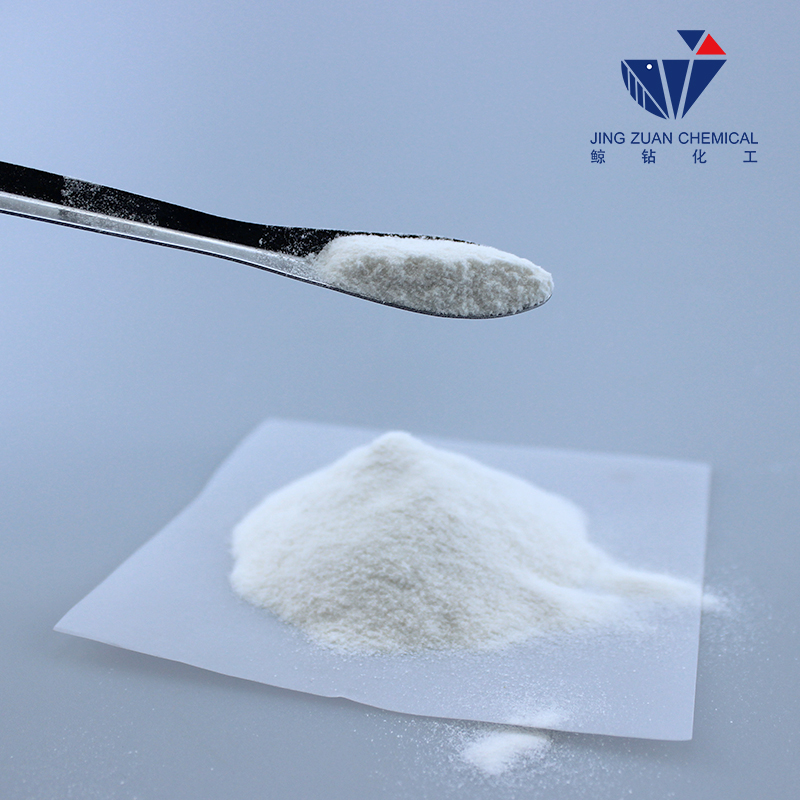
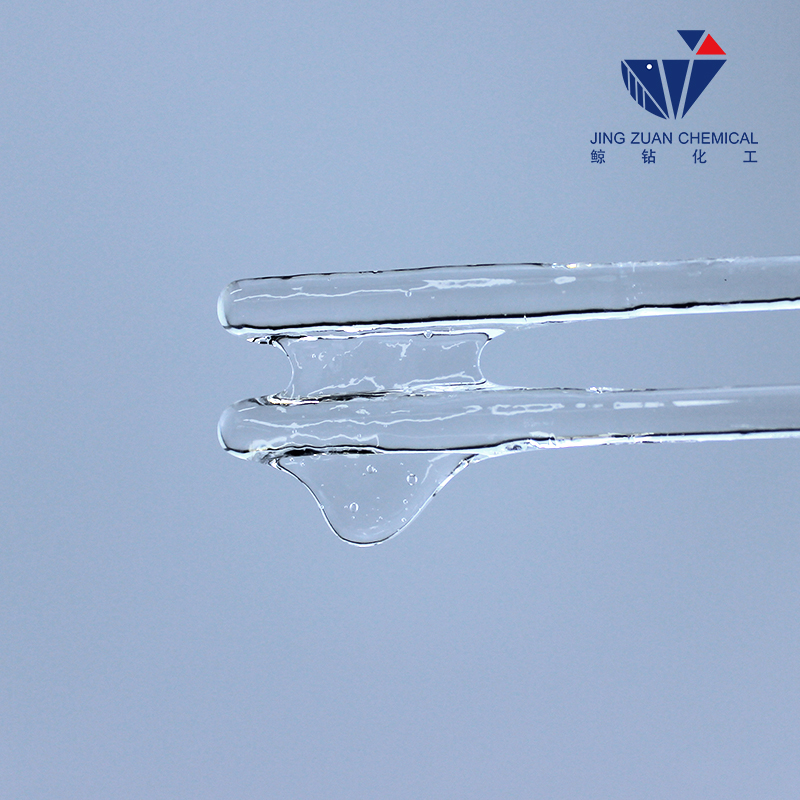
Hydroxypropyl Methylcellulose, or HPMC, is a chemically modified cellulose polymer—basically, it’s cellulose (what you find in plant cell walls) that’s been tweaked to behave differently. When we ask “is HPMC water soluble,” we’re really asking whether this polymer can dissolve or disperse in water to form a stable solution or gel, rather than just sitting in solid chunks.
Turns out, HPMC is indeed water soluble but under certain conditions that affect its viscosity and behavior. This solubility lets it serve as a thickener, binder, emulsifier, or film former in numerous products. For example, in pharmaceuticals, it acts as a controlled-release agent; in construction, it improves mortar consistency; and in food, it stabilizes textures.
Its partial solubility makes it especially attractive — it swells and thickens but does not fully break down, providing stability and flexibility.
Mini takeaway:
- HPMC dissolves in water but with unique viscosity properties
- This property enables its use as a versatile additive in multiple industries
- Understanding its behavior helps tailor solutions for specific needs
Key Factors Determining HPMC's Water Solubility and Performance
1. Chemical Modification Level
The degree of substitution—the amount and type of hydroxypropyl and methyl groups attached—directly affects how easily HPMC dissolves in water. More substitution generally means higher solubility but lower gel strength.
2. Temperature Dependence
HPMC has an interesting thermal gelation property: it’s soluble and liquid at room temperature but forms gels when heated. This behavior is quite useful in controlled-release drug formulations or hot-mix construction materials.
3. Molecular Weight
Higher molecular weights increase viscosity, making solutions thicker. Choosing the right molecular weight balances workability versus performance in applications like adhesives and paints.
4. Water Quality and pH
Impurities, salts, and pH levels influence dissolution rates. Soft water and neutral pH favor faster and more complete solubility.
5. Concentration Limits
At certain concentrations, HPMC solutions become highly viscous or even gel-like. This limits or enhances its usability depending on the formula.
6. Interaction with Other Ingredients
It can form complexes or interact with other polymers, surfactants, or solids, which may enhance or hinder solubility and performance.
Mini takeaway:
- Multiple factors tailor HPMC’s solubility and viscosity
- Choosing the right grade is key to real-world success
- Understanding these factors saves headaches in formulation
How Is HPMC Applied Globally? A Spectrum of Smart Uses
HPMC’s water solubility is the backbone for its vast applications worldwide:
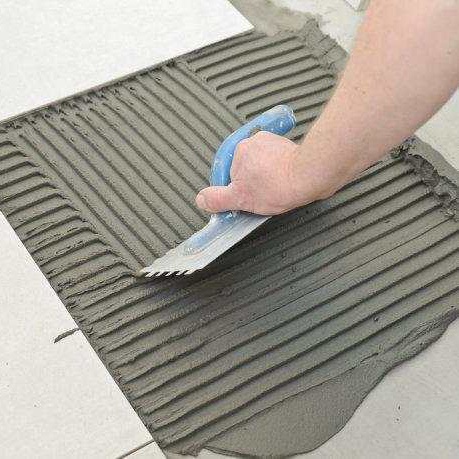
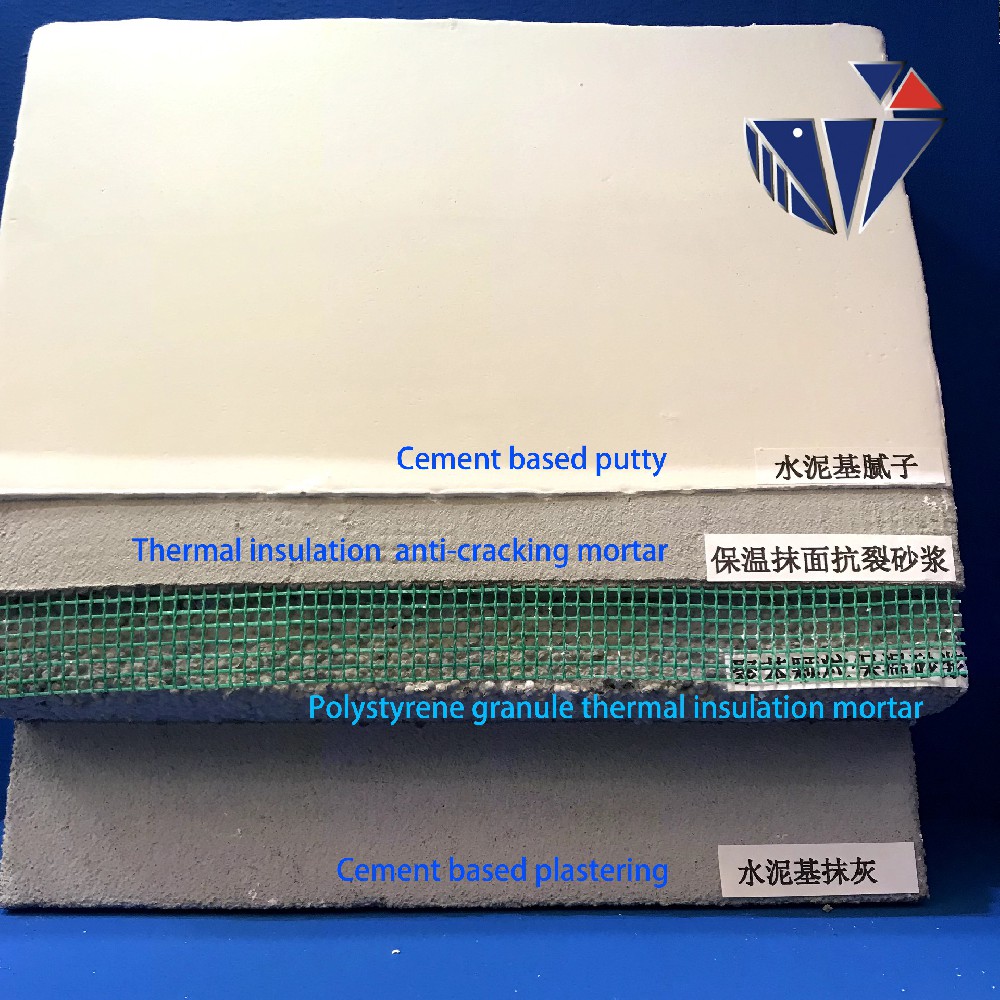
- Construction: In cement and plaster, HPMC keeps water longer, enabling better curing, reduces cracking, and improves workability. In countries like India and Saudi Arabia, where climate is harsh, these qualities are invaluable.
- Pharmaceuticals: HPMC forms capsules and binds tablets, controlling drug release. Global pharma giants rely on its water solubility for consistent dosing.
- Food Industry: Used as a gluten substitute and thickener in baked goods or desserts, especially important in vegan formulas across Europe and North America.
- Cosmetics: Creates smooth gels and creams that hold moisture well without feeling sticky.
- Environmental Protection: HPMC can help in controlled release of fertilizers or pesticides, reducing runoff and contamination—crucial in agriculture.
For example, after the 2015 Nepal earthquake, temporary housing used materials stabilized with HPMC to ensure mix safety even during heavy monsoons. Similarly, industrial zones in China incorporate HPMC in waterproofing products for buildings exposed to extreme weather.
Mini takeaway:
- HPMC’s solubility unlocks versatile solutions on multiple continents
- Enhances product performance in industries from pharma to construction
- Supports eco-friendly and disaster-resilient technologies
Advantages and Long-Term Benefits of HPMC’s Water Solubility
When you boil it down, HPMC water solubility delivers tangible benefits:
- Cost Efficiency: Reduces material waste by improving dispersion and consistency.
- Sustainability: Derived from cellulose, it’s biodegradable and less toxic than synthetic polymers.
- Improved Safety: Non-toxic, hypoallergenic; crucial in medicines and food.
- Process Reliability: Enables predictable curing times and texture control.
- Social Impact: Supports housing durability, which ties directly to community wellbeing in disaster-prone areas.
Of course, beyond pure logic, there’s also a comforting feeling knowing that something as humble as a water-soluble cellulose derivative helps protect our environment and health.
Future Trends and Innovations Around HPMC
Looking ahead, HPMC research is ripe with innovation:
- Green Chemistry: Pushes toward even cleaner, solvent-free production processes.
- Smart Polymers: Modifications aiming at stimuli-responsive gels—temperature-sensitive or pH-controlled release systems.
- Digital Design: Computational tools predict polymer behavior, speeding up formulation cycles.
- 3D Printing: HPMC-based bio-inks for layered structures, notably in biomedicine and complex construction.
These trends indicate a polymer not just resting on proven uses but evolving with modern tech and sustainability agendas.
Challenges When Working with HPMC and How To Overcome Them
No material is perfect, right? Here are a few hurdles:
- Stability: Over time or at high temperatures, HPMC gels may break down.
- Batch Consistency: Varying raw material quality affects performance.
- Compatibility: Sometimes it doesn’t mix well with certain additives or in high ionic strength solutions.
Experts suggest precise quality control, standardized sourcing, and optimized formulation techniques, such as gradual hydration and rheology adjustments, to tackle these issues effectively.
Product Specification Table: Typical HPMC Grades and Characteristics
| Grade | Viscosity (mPa·s) | Methoxy Content (%) | Hydroxypropyl Content (%) | Solubility | Typical Use |
|---|---|---|---|---|---|
| HPMC-15 | 15,000 | 19-24 | 4-12 | Full in cold water | Mortars, Plasters |
| HPMC-60 | 60,000 | 19-24 | 4-12 | Full in cold water | Tile Adhesives, Paints |
| HPMC-100 | 100,000 | 19-24 | 4-12 | Full in cold water | Pharmaceutical, Food Films |
Vendor Comparison: Top HPMC Suppliers at a Glance
| Supplier | Product Range | Global Reach | Sustainability Certifications | Typical Pricing |
|---|---|---|---|---|
| CNJZ Chemical | Wide, customizable HPMC Grades | Asia, Europe, Americas | ISO 14001, REACH | Competitive, volume-based |
| Dow Chemical | Standardized HPMC & cellulose ethers | Global coverage | ISO 9001, Green Chemistry initiatives | Premium pricing |
| Ashland Inc. | Specialty HPMC for pharmaceuticals | North America, EU | FDA approved, REACH | Mid to high range |
FAQ: Your Practical Questions about Is HPMC Water Soluble
- Q: Can HPMC fully dissolve in cold water or is heating required?
- A: Generally, HPMC dissolves fully in cold water, but stirring and time affect speed. Heating causes gelation rather than dissolving further.
- Q: How does water solubility affect HPMC’s use in cement-based mortars?
- A: Its solubility helps retain water, improving workability and adhesion, preventing premature drying and cracking in mortar mixtures.
- Q: Is HPMC safe for food and pharmaceutical use given its water solubility?
- A: Yes. It is non-toxic, hypoallergenic, and widely accepted as safe by regulatory bodies due to its controlled water dissolution and stability.
- Q: Can I modify water solubility of HPMC for specialized applications?
- A: By choosing grades with different chemical substitutions and viscosities, formulators can tailor solubility and gelation to exact needs.
- Q: What impact do impurities in water have on HPMC’s solubility?
- A: Hard water or extreme pH can slow or reduce solubility and affect viscosity; using deionized or neutral water is recommended for optimal results.
Conclusion: Why Asking “Is HPMC Water Soluble?” Opens Doors to Innovation
It's funny how a seemingly small question leads you down a rabbit hole of chemistry, engineering, and sustainability. In real terms, HPMC’s water solubility transcends simple dissolving—it shapes how industries produce, innovate, and solve some of the most practical problems facing our world today. From stronger buildings to safer medicines, understanding this humble polymer offers long-term benefits that ripple across sectors and continents.
If you’re curious and want to dive deeper into sourcing or application advice, I suggest you visit our website. They provide detailed specs and tailored customer service that make exploring HPMC’s potential not just straightforward but kind of exciting, honestly.
References
-
Understanding Hydroxypropyl Methyl Cellulose MSDS Safety and Compliance
NewsApr.16,2026
-
Understanding the Hydroxypropyl Methyl Cellulose HS Code for Global Trade
NewsApr.09,2026
-
Comprehensive Guide to Hydroxypropyl Methyl Cellulose CAS Number and Applications
NewsApr.07,2026
-
Comprehensive Guide to Hydroxypropyl Methyl Cellulose cas no and its Diverse Applications
NewsApr.04,2026
-
Comprehensive Guide to Hydroxypropyl Methyl Cellulose Manufacturers and Applications
NewsMar.31,2026
-
Understanding Hydroxypropyl Methyl Cellulose Properties And Diverse Applications
NewsMar.28,2026