
Nov . 30, 2025 09:55 Back to list
Is HPMC Safe? Exploring Safety, Applications & Industry Insights
Understanding Is HPMC Safe: Why It Matters in Today’s Global Industry
Hydroxypropyl methylcellulose, or HPMC, is an intriguing compound with a surprisingly vast footprint across industries worldwide. You might ask, is HPMC safe? From pharmaceuticals to construction, it’s a question that’s become more than just academic. With safety regulations tightening globally and consumers becoming keener on transparency, understanding the benefits and risks of HPMC isn’t a trivial pursuit — it’s essential.
Globally, HPMC finds roles in food, medicines, cosmetics, and even eco-friendly building materials. Thanks to its unique properties, it supports sustainability efforts by acting as a biodegradable binder or film-former. But as with any widely used chemical, the pressing concern remains: how safe is it for humans and the environment? Getting a handle on this is crucial for companies, regulators, and consumers alike.
Mini takeaway: HPMC is everywhere, and knowing if it’s safe touches on health, environment, and industrial innovation.
Global Context: The Growing Importance of Assessing HPMC Safety
Globally, the chemical and pharmaceutical industries are booming—reports by the United Nations Industrial Development Organization (UNIDO) suggest double-digit growth in sectors using cellulose derivatives. ISO safety standards, alongside REACH regulations in the EU, emphasize assessing risks of additives like HPMC.
Why all this fuss? Because HPMC is a standout in an era of sustainability and health consciousness. Imagine you’re producing a plant-based food thickener or a slow-release drug tablet — HPMC is probably involved. Yet, the challenge is balancing widespread use with minimal health risks and environmental impact.
Frankly, keeping the public confident requires continuous research; surprisingly, some misinformation about its safety still circulates. So, industry players actively push for transparency, better testing, and international collaboration.
Defining Is HPMC Safe: Breaking Down Its Meaning
At its core, asking is HPMC safe? means assessing potential toxicity, allergenicity, environmental persistence, and regulatory compliance. HPMC is a semi-synthetic derivative of cellulose, extracted from wood pulp or cotton fibers, modified to dissolve in water, making it incredibly versatile.
Its industrial usage ranges from thickening agents and film formers to binders. Safety-wise, it’s generally classified as non-toxic, non-irritant, and biodegradable — but things get more nuanced under specific use conditions or exposure quantities.
For humanitarian needs, like controlled-release medicines or edible films in nutraceutical products, safety profiles must meet stringent health regulations to avoid unintended risks.
is hpmc safe is really about understanding the balance between tech utility and human/environmental health.
Mini takeaway: “Is HPMC safe?” boils down to compliance with health standards and practical safety in real-world use.
Core Components Affecting HPMC Safety and Performance
1. Purity and Source Material
The raw cellulose source and purification steps hugely influence safety. Contaminants or residual chemicals from extraction matter in pharmaceutical versus construction uses. High-grade pharma HPMC undergoes intense cleaning.
2. Molecular Substitution Levels
HPMC molecules have methyl and hydroxypropyl groups whose ratio tweaks solubility and viscosity. Oddly enough, this substitution also modifies biological interactions and degradation rates.
3. Biodegradability & Environmental Impact
Because it's a cellulose derivative, HPMC tends to break down faster than many synthetic polymers, reducing ecological footprint. Tests (ISO 14851) often confirm this for wastewater treatment impact.
4. Toxicological Profile
Studies show low toxicity for HPMC in ingestion, inhalation, and skin exposure—even at high doses. Still, chronic exposure tests remain under review in some regions (like updated OSHA guidelines).
5. Application Conditions
Heat, pH, concentration, and interactions may shift safety margins. For example, at very high concentrations in wet environments, certain formulations may irritate sensitive skin, requiring formulation tweaks.
Mini takeaway: Safety hinges on material quality, chemical structure, biodegradability, toxicity, and smart application.
Global Applications and Real-World Use Cases
So where does HPMC get used? Practically everywhere:
- Pharmaceuticals: As a tablet binder and controlled-release agent, minimizing side effects since it doesn't dissolve immediately.
- Food Industry: Used as a thickener and stabilizer in vegan and gluten-free foods.
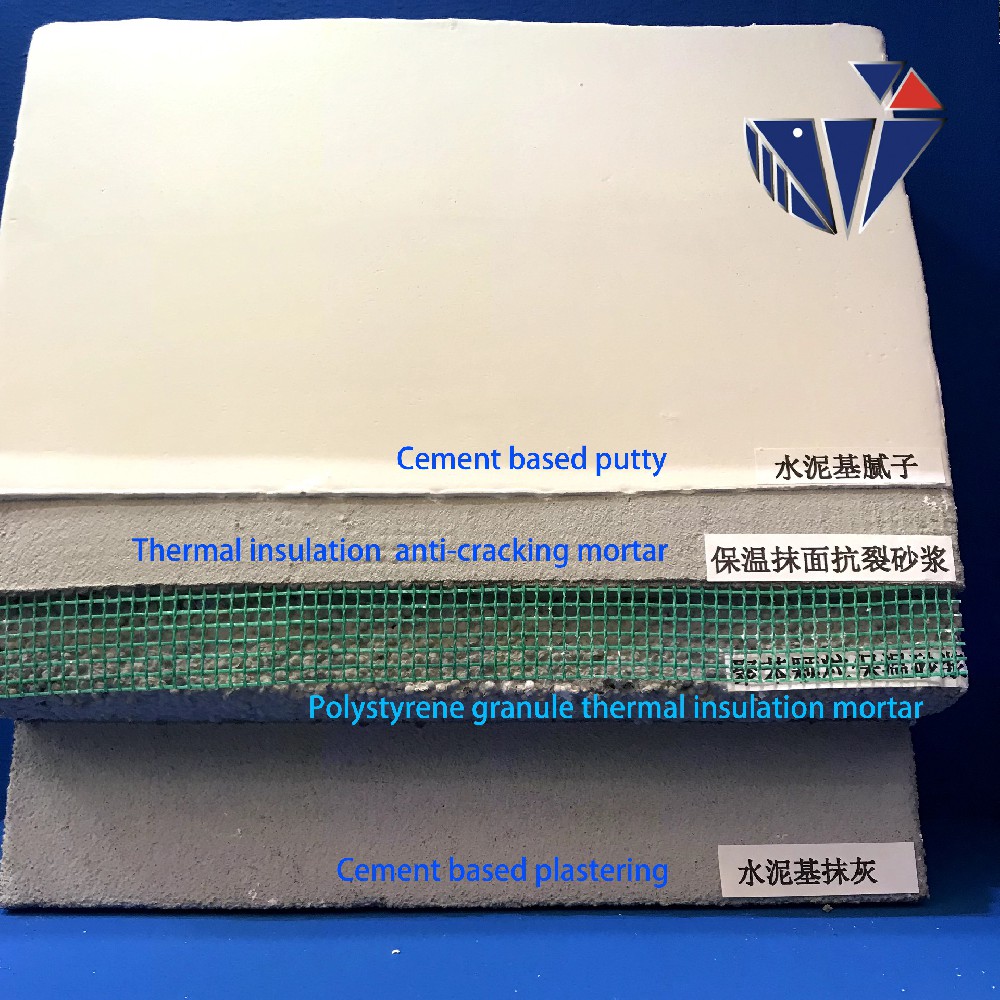
- Construction: Added to cement and plaster to improve water retention and workability.
- Cosmetics: Thickening agent that ensures smooth textures in creams and lotions.
- Environment: Biodegradable film-formers in packaging reduce plastic waste.
For example, in post-disaster housing, construction mixtures with HPMC enable quick-setting walls while retaining durability even in harsh, wet environments — pretty nifty for emergency shelters. Meanwhile, Indian pharmaceutical firms emphasize its safety profiles to meet both domestic and export standards.
Mini takeaway: HPMC’s safety and versatility have carved roles across continents and industries, from informal street foods to high-tech medicines.
Advantages and Long-Term Value of Using HPMC Safely
Let’s get this straight: when HPMC is deemed safe and used correctly, it delivers undeniable value — cost-effective, environmentally friendly, and socially responsible. Unlike many synthetic polymers, it biodegrades, posing fewer long-term damage risks.
- Cost-Effective: Produced at scale and often replacing pricier or riskier materials.
- Environmentally Sustainable: Breaks down naturally, supporting circular economy goals.
- Health-Safe: Low irritancy and toxicity reduce occupational hazards.
- Reliable Performance: Consistent viscosity and binding strength assure product quality.
- Social Impact: Supports safer pharmaceuticals and safer, more durable housing materials.
And beyond that, many users say it just feels “right” working with a material they trust won't cause unforeseen problems — a subtle but important factor in long-term innovation trust.
Product Specifications — An Overview
| Specification | Typical Range | Unit | Notes |
|---|---|---|---|
| Methoxy Substitution | 19 - 24 | % | Influences solubility |
| Hydroxypropyl Substitution | 4 - 12 | % | Controls viscosity |
| Viscosity (2% solution) | 50 - 4000 | mPa·s | Depends on grade |
| Moisture Content | ≤5 | % | Affects flow and shelf life |
| pH of 1% solution | 5.0 - 8.0 | – | Neutral to mild |
Comparing Leading HPMC Vendors
| Vendor | Product Grades | Geographic Reach | Certifications | Price Range |
|---|---|---|---|---|
| Dow Chemical | Pharma, Food, Construction | Global | FDA, ISO, REACH | $$$ |
| Shin-Etsu Chemical | Pharma, Cosmetics | Asia, Europe, NA | ISO, JPMA | $$$ |
| CP Kelco (CP Kelco HPMC) | Construction, Food | Global | ISO, Kosher, Halal | $$ |
| CNJZ Chemical | Pharma, Food, Construction, Cosmetics | Asia, Europe, North America | FDA, ISO, REACH, Halal | $ - $$ |
Future Trends & Innovations in HPMC Safety and Use
The tide of innovation keeps rolling: expect greener sourcing of cellulose through waste valorization, enhanced formulation precision via digital modeling, and improved biodegradation leveraging enzyme science.
Also, regulations are tightening globally. The EU’s Green Deal pushes manufacturers towards greener chemicals, indirectly affecting HPMC production and application. Automation of quality control ensures that only highest-purity batches reach sensitive sectors like pharma or food.
Oddly enough, some labs are experimenting with nano-hydroxypropyl cellulose for new biomedical applications — always circling back to the fundamental question: is this still safe, just in a whole new form?
Challenges & Solutions in Ensuring HPMC Safety
One of the primary hurdles is inconsistent quality among suppliers, especially smaller ones lacking rigorous certifications. Contamination or improper substitution can lead to decreased safety margins or performance issues.
Luckily, many manufacturers now adopt robust, internationally recognized testing protocols aligned with ISO 9001 quality standards. Further, blending HPMC with complementary materials can mitigate drawbacks like low thermal stability.
Ongoing research into better lifecycle assessments aims to cover environmental fate more completely — a tough but necessary challenge.
Frequently Asked Questions About Is HPMC Safe
Q1: Can HPMC be safely consumed in food and pharmaceutical products?
A1: Yes, HPMC is widely used as a food additive (E464) and in pharmaceuticals as a binder and controlled release agent. Certified grades meet FDA and EFSA standards, showing minimal toxicity and excellent biocompatibility when ingested in regulated amounts.
Q2: Is HPMC safe for skin contact in cosmetics?
A2: Generally, yes. HPMC acts as a thickening agent and film-former in lotions and creams, with low irritation potential. However, formulations should balance concentration and pH to avoid rare sensitivities.
Q3: Does HPMC pose environmental risks during manufacturing or disposal?
A3: HPMC is biodegradable and considered environmentally friendly relative to synthetic polymers. Nevertheless, manufacturing facilities must manage solvent residues and waste responsibly to minimize ecological impacts.
Q4: How long does HPMC last in constructed materials like cement?
A4: When used in concrete or plaster mixtures, HPMC improves water retention and workability without compromising long-term durability. Its effects can last for decades, with degradation being minimal over typical building lifespans.
Q5: Are there any restrictions for importing HPMC internationally?
A5: Import regulations vary by country but generally require compliance with purity and safety certifications (FDA, REACH, etc.). Exporters often provide detailed SDS and certifications to facilitate customs clearance.
Conclusion: The Trustworthy Future of HPMC
In wrapping up, the question is HPMC safe turns out to be reassuringly well-answered for many applications—provided quality, regulatory, and usage conditions are carefully met. Its versatility combined with a strong safety record makes it a cornerstone for emerging industries prioritizing health and sustainability.
If you want to dive deeper or explore high-quality HPMC options, don’t hesitate to visit our website for the latest insights and products tailored to your needs.
References
-
Understanding Hydroxypropyl Methyl Cellulose MSDS Safety and Compliance
NewsApr.16,2026
-
Understanding the Hydroxypropyl Methyl Cellulose HS Code for Global Trade
NewsApr.09,2026
-
Comprehensive Guide to Hydroxypropyl Methyl Cellulose CAS Number and Applications
NewsApr.07,2026
-
Comprehensive Guide to Hydroxypropyl Methyl Cellulose cas no and its Diverse Applications
NewsApr.04,2026
-
Comprehensive Guide to Hydroxypropyl Methyl Cellulose Manufacturers and Applications
NewsMar.31,2026
-
Understanding Hydroxypropyl Methyl Cellulose Properties And Diverse Applications
NewsMar.28,2026