
Nov . 30, 2025 08:20 Back to list
Hypromellose HPMC – Versatile Cellulose Polymer for Pharmaceuticals & Construction
Unlocking the Potential of Hypromellose HPMC: What It Is and Why It Matters
When you first hear the term hypromellose HPMC, it probably sounds like a mouthful of science — and in many ways, it is. Yet, this compound quietly underpins a surprising array of industries worldwide, from pharmaceuticals to construction, improving products and processes in ways most of us never notice. Understanding hypromellose HPMC isn’t just academic; it’s about appreciating a versatile material that's increasingly vital in global supply chains and humanitarian efforts alike.
Given the global push towards sustainable materials and efficient formulations, knowing the benefits and applications of hypromellose HPMC can give businesses, engineers, and researchers a competitive edge. Plus, it has become a logical solution for some persistent challenges like product stability, natural fiber alternatives, and cost-effective thickening agents.
Global Context: Why Hypromellose HPMC Has Grown Into a Crucial Ingredient
In 2023, industrial demand for cellulose ethers like hypromellose HPMC increased by nearly 8%, according to recent data collated by the International Organization for Standardization (ISO). This growth mirrors sectors like pharmaceutical, food, and construction, which are adapting to enhanced material performance standards and environmental regulations. Phenomena such as tighter emission controls and a quest for reduced waste have pushed manufacturers to explore cellulose derivatives that pack performance but are more environmentally friendly.
Plus, the United Nations’ Sustainable Development Goals underscore the need for safer, sustainable chemical inputs in everyday products — and hypromellose fits right in as a non-toxic, biodegradable additive. But there’s a practical side too: many industries face escalating raw material costs and supply chain instability. Hypromellose HPMC offers a reliable solution due to its stability, scalability, and versatility.
Yet, the challenge remains: How to balance cost-efficiency with environmental and performance demands? That’s where hypromellose HPMC steps in as a game-changer.
Understanding Hypromellose HPMC: A Quick Definition
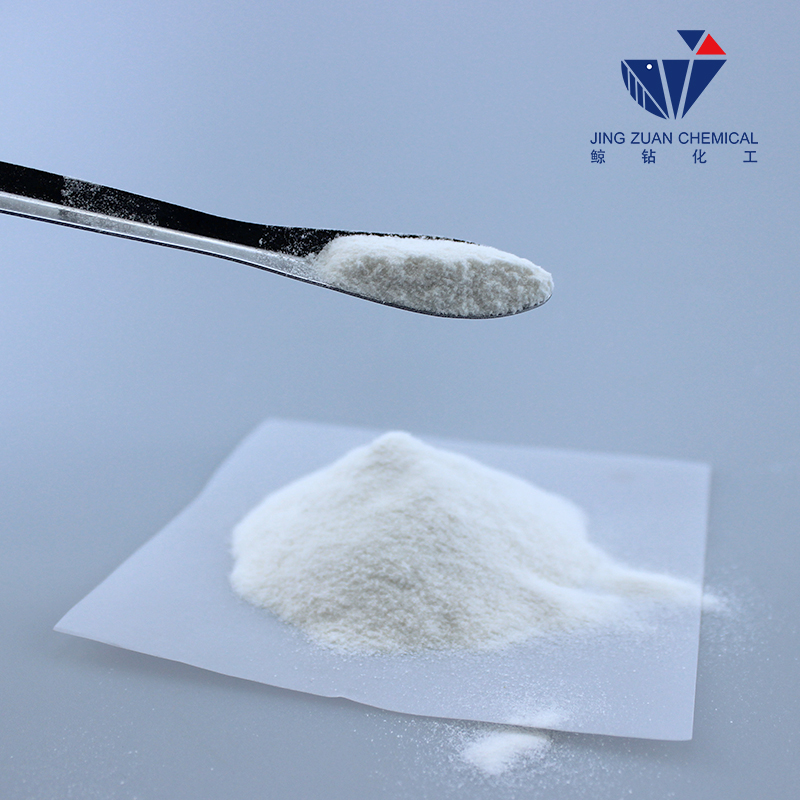
At its core, hypromellose, often referred to as HPMC (hydroxypropyl methylcellulose), is a chemically modified cellulose polymer derived from plant fibers. Essentially, it's cellulose that’s been "decorated" with hydroxypropyl and methyl groups to enhance its solubility, thickening ability, and film-forming properties.
What does that mean in real terms? Imagine a natural compound tweaked to act as a flexible glue, an efficient thickener, or a protective layer for things like pills, paints, and construction materials. It’s plant-based, non-toxic, and environmentally friendly — making it an ideal binder for tablets or a moisture-retaining agent in building plasters.
Oddly enough, it’s part of the effort to turn natural fibers into high-tech materials that meet modern needs — a bridge between nature and industry.
Key Properties Driving Hypromellose HPMC's Industrial Impact
1. Versatile Solubility and Thickening
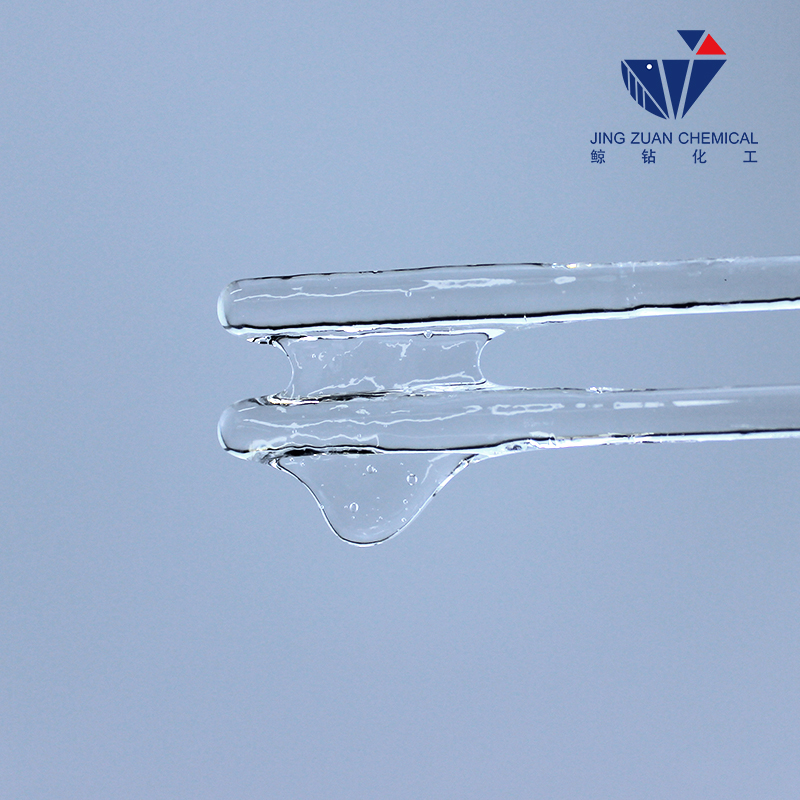
One big selling point is HPMC’s water solubility, which allows it to form gels or viscous solutions. This makes it invaluable for pharmaceuticals (as capsule binders), cosmetics (as emulsifiers), and construction materials (as retardants or binders).
2. Film-Forming Capability
It can create thin, flexible films, perfect for controlled release in drugs or protective coatings in food packaging — an area where biodegradability is a huge asset.
3. Stability Across pH and Temperature Ranges
HPMC holds up well in different chemical environments, making it a go-to in industrial processes where materials face extremes.
4. Scalability and Cost-Efficiency
Because it’s plant-based and widely manufactured, HPMC remains cost-effective, even as demand surges globally. Its ability to integrate smoothly into formulations helps keep production costs manageable.
5. Safety and Non-Toxicity
Regulatory bodies like the FDA have approved HPMC for food and pharmaceutical use thanks to its inert nature, which boosts consumer confidence.
| Property | Specification | Typical Application |
|---|---|---|
| Viscosity (mPas) | 50–4000 (varies by grade) | Pharma & Construction |
| pH Stability | 4–11 | Food/coatings |
| Solubility | Cold & hot water | Multiple uses |
| Purity | >99% | Pharmaceutical grade |
Global Applications: Real-World Use Cases of Hypromellose HPMC
Industries worldwide rely on HPMC, but the variety is surprisingly broad:
- Pharmaceuticals: Used as a binder and controlled-release vehicle in tablets and capsules, improving drug stability and patient compliance.
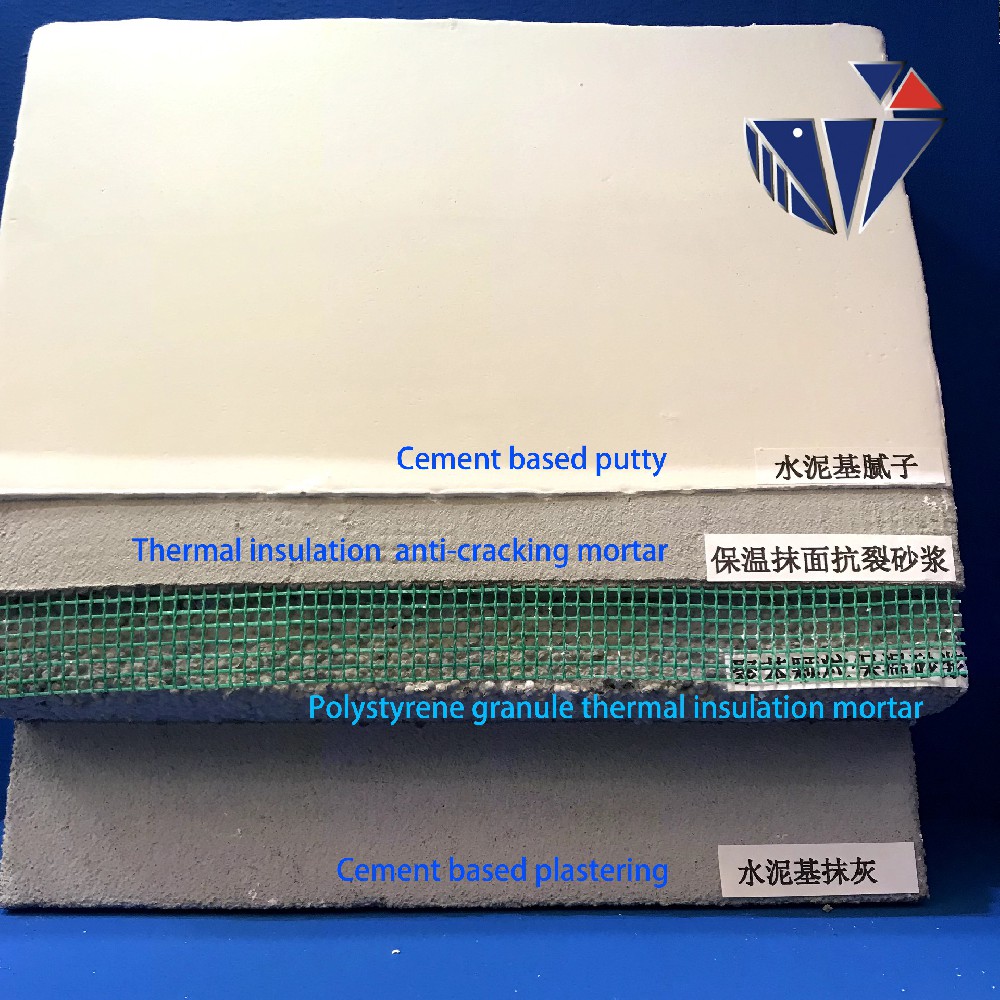
- Construction: Improves mortar workability, water retention, and adhesion in plasters and tile adhesives – crucial for infrastructure in fast-growing urban regions like Southeast Asia.
- Food Industry: Serves as an emulsifier and thickener in gluten-free products or vegan alternatives, responding to consumer demands across Europe and North America.
- Cosmetics & Personal Care: Provides viscosity and texture in lotions and shampoos.
- Medical Devices: Hypromellose eye drops soothe dry eyes globally, particularly in arid regions.
In post-disaster relief operations, for example, rapid deployment of plaster and mortar containing HPMC means more durable shelters and infrastructure with less waste and longer shelf life.
Long-Term Benefits: Why Industry Leaders Trust Hypromellose HPMC
What truly sets hypromellose apart are benefits that feel both tangible and intangible.
- Economic Efficiency: Long shelf life and consistent performance reduce waste and downtime.
- Environmental Impact: As a cellulose derivative, it’s biodegradable and sourced from renewable materials.
- Social Value: Safer food products, stable medicines, and reliable building materials all enhance quality of life — that’s a fact many firms proudly cite.
- Innovation Catalyst: Its capacity to synergize with new polymers or nanomaterials means R&D teams can push boundaries while staying green.
- Consumer Safety & Trust: Non-toxic and compliant with major regulations, companies can confidently market products with hypromellose.
Looking Ahead: Emerging Innovations in Hypromellose HPMC
The future looks pretty exciting for HPMC. Researchers are exploring nano-engineered variants to boost targeted drug delivery or self-healing building materials. Digital formulation techniques are optimizing grades tailored for AI-driven manufacturing — so instead of “one size fits all,” we’ll see hyper-customized cellulose ethers.
At the same time, market pressure around carbon footprints means HPMC suppliers are investing in greener production methods — low-water processing, bio-based solvents, and circular economy integration are on the docket.
And oddly enough, as automation and AI penetrate supply chains, hypromellose HPMC manufacturers are streamlining quality control for better batch-to-batch reliability. It might not be flashy tech news, but it matters to the users on the ground.
Challenges and Solutions in Using Hypromellose HPMC
Of course, no material is perfect. HPMC’s main hurdles include variable viscosity influenced by environmental factors and limited compatibility with certain solvents or acids. Some batches might demand tweaking to avoid processing issues — something manufacturers pay close attention to.
To combat this, suppliers offer different substitution grades, ensuring the formula fits the specific use case. Plus, advances in analytical techniques mean better quality data earlier — a bit like giving the polymer a health check before it hits the production line.
Ongoing collaboration between chemical engineers and end-users also fosters innovation. There’s growing emphasis on co-development, where feedback from on-site applications helps reformulate polymers for better performance under real-world conditions.
Comparison of Key Hypromellose HPMC Vendors
| Vendor | Product Range | Global Reach | Sustainability Initiatives | Pricing Tier |
|---|---|---|---|---|
| CJNZ Chemical | Wide (pharma, construction grades) | Asia, Americas, Europe | ISO 14001 certified, bio-based sourcing | Competitive |
| BASF | Focused on pharma and personal care | Global | Sustainability roadmaps with eco-friendly production | Premium |
| Dow Chemical | Diversified grades for construction & pharma | Global | Focus on low carbon solutions | Mid to premium |
Frequently Asked Questions about Hypromellose HPMC
Q1: What is the difference between hypromellose and other cellulose ethers?
A1: Hypromellose (HPMC) is unique because of its hydroxypropyl and methyl substitutions, enhancing solubility across temperatures and pH ranges. Other cellulose ethers may lack this versatility, limiting their application scope. HPMC's film-forming ability and biocompatibility also set it apart for pharmaceuticals and food uses.
Q2: Is hypromellose HPMC safe to use in food and medicine?
A2: Absolutely. Hypromellose HPMC is widely recognized as safe by regulatory authorities like the FDA and EFSA. Its inert nature means it does not react with other ingredients, making it ideal for capsules, tablets, and food additives.
Q3: Can hypromellose be customized for specific industrial needs?
A3: Yes, manufacturers offer varied viscosity grades and substitution patterns to match performance requirements, whether it's slow-release drugs or flexible construction adhesives. Custom formulation ensures optimal efficiency and cost-effectiveness.
Q4: How do environmental regulations impact hypromellose production?
A4: Increasingly, producers are adopting greener processes, such as eco-friendly solvents and renewable raw materials. Certification like ISO 14001 is becoming standard, helping minimize environmental footprints while maintaining product quality.
Q5: Where can I buy high-quality hypromellose HPMC?
A5: There are several reputable global suppliers, including CJNZ Chemical, BASF, and Dow Chemical. Availability depends on your location and application needs — it's best to contact suppliers directly for samples and pricing.
Final Thoughts: Why Hypromellose HPMC Will Stay Front and Center
Tracing hypromellose HPMC from plant fiber to critical industrial ingredient is fascinating. It’s a story of simple chemistry meeting big challenges — sustainability, performance, affordability. While it won’t make headlines like AI or advanced biotech, it’s one of those quiet workhorses nobody wants to do without.
For manufacturers and innovation teams, exploring more about hypromellose HPMC can open doors to smarter, greener product lines with proven reliability. Whether you’re in pharma, construction, or personal care, this cellulose derivative is more than just an additive — it’s a foundation for progress.
If you’re curious about sourcing or technical specs, consider visiting the supplier at https://www.cnjzchemical.com to dive deeper.
References:
1. Wikipedia: Hydroxypropyl methylcellulose
2. ISO Standards on Cellulose Ethers
3. United Nations, Sustainable Development Goals (SDGs), sdgs.un.org
-
Understanding Hydroxypropyl Methyl Cellulose MSDS Safety and Compliance
NewsApr.16,2026
-
Understanding the Hydroxypropyl Methyl Cellulose HS Code for Global Trade
NewsApr.09,2026
-
Comprehensive Guide to Hydroxypropyl Methyl Cellulose CAS Number and Applications
NewsApr.07,2026
-
Comprehensive Guide to Hydroxypropyl Methyl Cellulose cas no and its Diverse Applications
NewsApr.04,2026
-
Comprehensive Guide to Hydroxypropyl Methyl Cellulose Manufacturers and Applications
NewsMar.31,2026
-
Understanding Hydroxypropyl Methyl Cellulose Properties And Diverse Applications
NewsMar.28,2026