
Dec . 02, 2025 15:30 Back to list
Comprehensive Guide to the Use of Hydroxypropyl Methylcellulose in Industry and Sustainability
Understanding the Use of Hydroxypropyl Methylcellulose: A Versatile Industrial Ingredient
Hydroxypropyl methylcellulose (HPMC) – sounds a bit like a tongue twister, doesn’t it? Yet, behind that technical name lies a substance playing a surprisingly prominent role across many industries worldwide. From construction to pharmaceuticals, the use of hydroxypropyl methylcellulose matters more than many realize. Grasping its applications and benefits helps industries and consumers alike make smarter choices, especially when we consider global challenges like sustainability and material efficiency.
Why Hydroxypropyl Methylcellulose is Globally Relevant
On a global scale, industries are constantly striving for innovation that simultaneously cuts costs, improves product quality, and reduces environmental footprint. According to ISO and UN reports, sustainable materials are adopting center stage — and HPMC fits right into this narrative.[1] The challenge: how to maintain product consistency and durability while responding to environmental and health concerns.
Here, the use of hydroxypropyl methylcellulose isn’t just about chemistry; it’s about meeting practical demands: enhancing material properties, improving delivery mechanisms in pharmaceuticals, and enabling eco-friendly construction alternatives.
What is Hydroxypropyl Methylcellulose?
Put simply, hydroxypropyl methylcellulose (HPMC) is a modified cellulose polymer, derived from plant fibers. It’s a multifunctional additive prized for being non-toxic, water-soluble, and chemically stable. In modern industry terms, HPMC acts as a thickener, binder, film former, and emulsifier in products ranging from adhesives and paints to cosmetics and foodstuffs. For humanitarian needs, its role in drug delivery and especially in construction materials is increasingly critical.
Key Components and Factors of HPMC use
1. Viscosity and Thickening
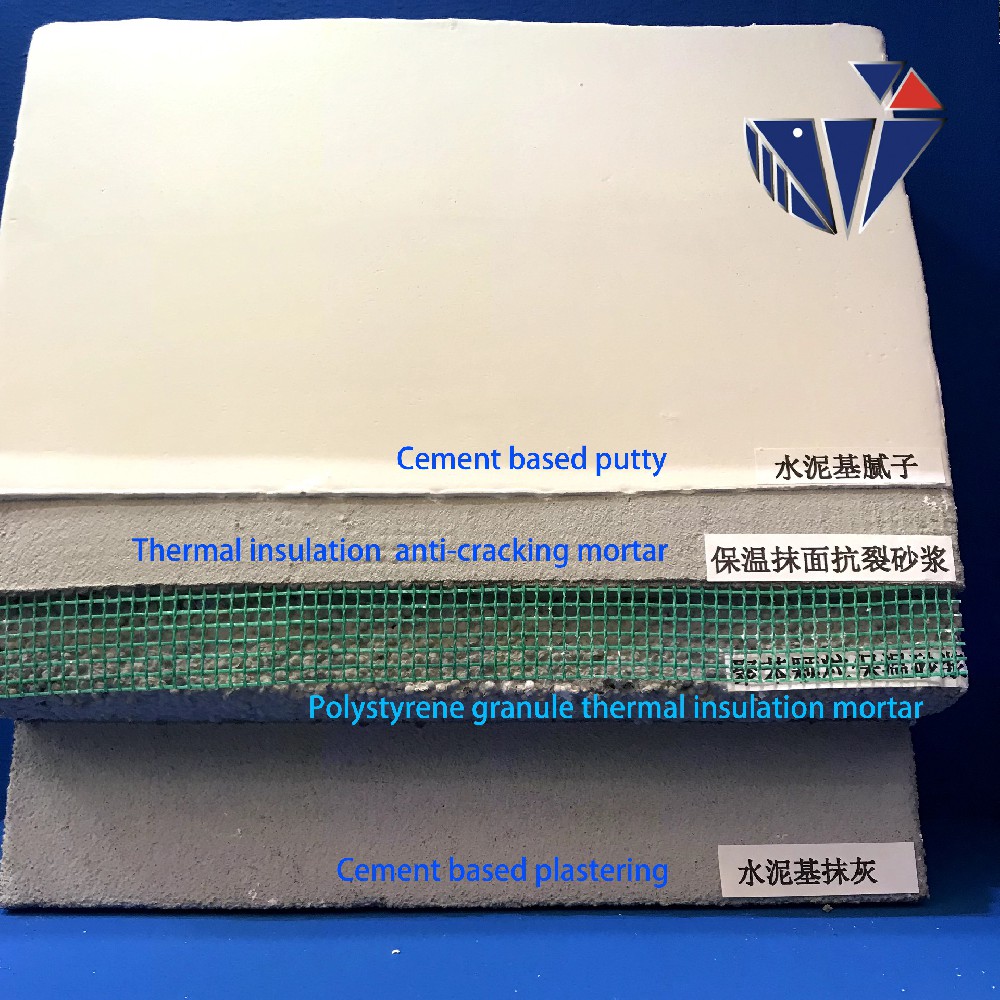
One of HPMC’s core strengths is its ability to control viscosity in water-based systems. This makes it invaluable in drywall compounds and cement plasters, where consistent texture and spreadability dictate final product quality.
2. Film Formation and Water Retention
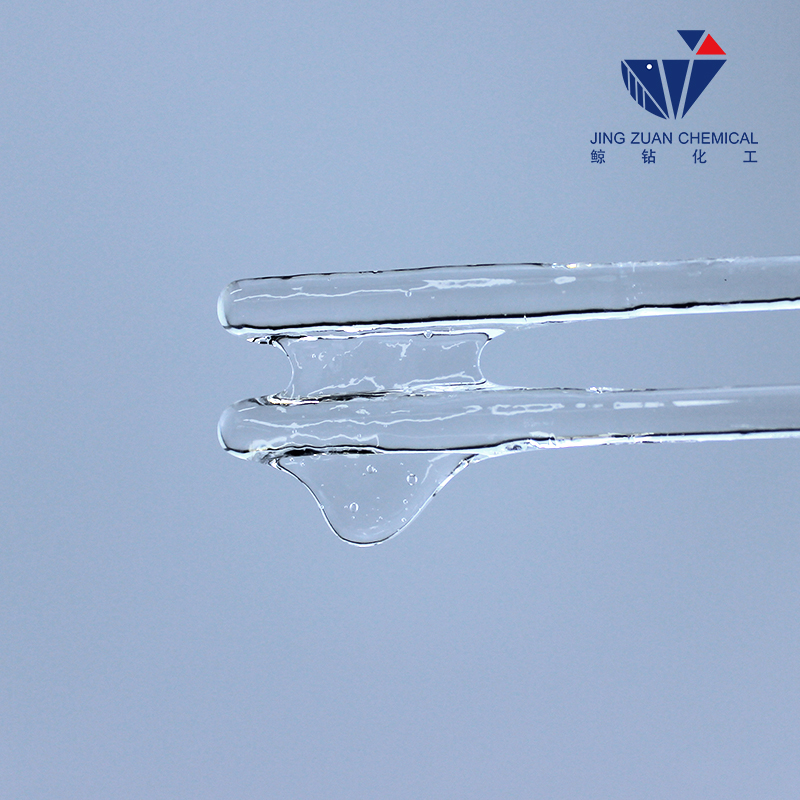
It forms clear, flexible films which help retain moisture – very important in cementitious products for proper curing.
3. Compatibility and Stability
HPMC is compatible with many chemicals and remains stable across a range of temperatures and pH environments.
4. Safety and Environmental Impact
Since HPMC is cellulose-based, it is biodegradable and non-toxic, ticking important boxes for greener manufacturing processes.
Mini takeaway: These factors explain why the use of hydroxypropyl methylcellulose continues to grow—its multi-functionality aligns with industrial needs for adaptable, safe, and sustainable materials.
Global Applications & Use Cases
In construction, especially in Asia-Pacific and Europe, HPMC is an essential ingredient in tile adhesives and self-leveling compounds. In pharmaceuticals across North America, it’s widely used as a controlled-release agent in tablets.
Humanitarian applications are fascinating too: in disaster relief zones where rapid setting and durable mortars are needed, HPMC contributes to shelters that withstand harsh weather. Similarly, food industry players use it as a stabilizer and thickener in gluten-free products, enhancing texture and shelf-life.
Advantages & Long-Term Value of Using HPMC
- Cost-efficiency: Improves product performance while keeping manufacturing costs competitive.
- Sustainability: Derived from renewable resources and biodegradable.
- Performance Reliability: Consistency across batches and environments.
- Social Impact: Enables safer, more durable building materials in developing regions.
Emotionally, knowing a product uses trusted ingredients like HPMC can provide peace of mind about safety and environmental responsibility—something you don’t find in every industrial additive.
Hydroxypropyl Methylcellulose Product Spec Table
| Specification | Typical Value |
|---|---|
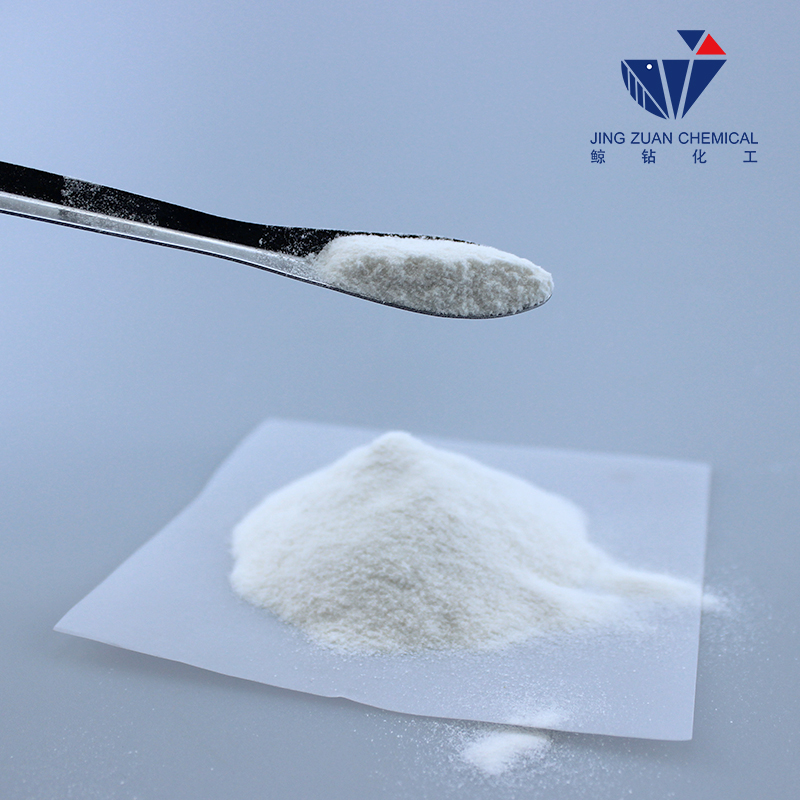
| Appearance | White to off-white powder |
| Methoxy Content (%) | 19.0 - 24.0 |
| Hydroxypropyl Content (%) | 4.0 - 12.0 |
| Viscosity (2% aqueous solution, cP) | 1000 - 40000 |
| pH (2% aqueous solution) | 5.0 - 8.0 |
| Loss on Drying (%) |
Vendor Comparison: Leading Hydroxypropyl Methylcellulose Suppliers
| Supplier | Product Range (Viscosity cP) | Quality Certifications | Global Reach | Sustainability Initiatives |
|---|---|---|---|---|
| CNJZ Chemical | 1000 - 30000 | ISO 9001, ISO 14001 | Asia, Europe, Americas | Biodegradable packaging, carbon footprint reduction |
| Dow Chemical | 2000 - 40000 | ISO 9001, REACH compliant | Global | Sustainability reports, eco-friendly formulations |
| Shandong Huaning | 5000 - 35000 | ISO 9001 | Asia, Middle East | Ongoing waste minimization efforts |
Future Trends & Innovations in the Use of Hydroxypropyl Methylcellulose
What’s next, you ask? Honestly, the industry seems poised to blend HPMC's proven benefits with emerging green chemistry principles. There’s a growing push towards bio-based sourcing and fully recyclable packaging. Digitally enhanced formulations—remember the rise of automation in manufacturing?—are enabling precise tailor-made HPMC variants for niche applications. Also, the push for carbon-neutral construction materials makes HPMC a key player in sustainable building technologies.
Challenges & Solutions
Every solution has its hurdles. For HPMC, challenges include sourcing consistent cellulose feedstock and maintaining product stability in extreme weather conditions. Some formulations can be sensitive to high alkalinity or ionic strength. However, advances in molecular modification and stricter quality controls have largely mitigated these issues. Collaborations between suppliers and end users are improving problem-solving at the formulation stage, ensuring HPMC delivers on its promises.
FAQ: Frequently Asked Questions About Use of Hydroxypropyl Methylcellulose
- Q: Is HPMC safe for food and pharmaceutical applications?
A: Yes, hydroxypropyl methylcellulose is widely recognized as safe (GRAS status by FDA) and is commonly used in food as a thickener and in pharmaceuticals as a binder and controlled-release agent. - Q: How does HPMC improve dry mortar mixes?
A: It controls water retention and improves workability, ensuring consistent curing and adhesion which results in stronger construction compounds. - Q: Can HPMC be used in eco-friendly building materials?
A: Absolutely. Because it is derived from natural cellulose and biodegradable, HPMC contributes to sustainable product formulations. - Q: How long does HPMC remain effective in product formulations?
A: With proper storage, HPMC maintains stability for several years, but formulation compatibility and environmental storage conditions influence longevity.
Conclusion
To wrap up, the use of hydroxypropyl methylcellulose touches many industries thanks to its versatility, safety, and sustainability profile. It’s more than a simple additive – it’s a bridge connecting quality manufacturing with environmental responsibility. If your business is looking to innovate with reliable and eco-conscious materials, exploring HPMC options is a savvy step forward. For more detailed information and sourcing, be sure to visit our website.
Sometimes, it’s the little things — like a cellulose derivative — that quietly drive major global improvements.
References:
1. ISO standards on cellulose ethers
2. Hydroxypropyl methylcellulose - Wikipedia
3. United Nations Sustainable Development Goals
-
Understanding Hydroxypropyl Methyl Cellulose MSDS Safety and Compliance
NewsApr.16,2026
-
Understanding the Hydroxypropyl Methyl Cellulose HS Code for Global Trade
NewsApr.09,2026
-
Comprehensive Guide to Hydroxypropyl Methyl Cellulose CAS Number and Applications
NewsApr.07,2026
-
Comprehensive Guide to Hydroxypropyl Methyl Cellulose cas no and its Diverse Applications
NewsApr.04,2026
-
Comprehensive Guide to Hydroxypropyl Methyl Cellulose Manufacturers and Applications
NewsMar.31,2026
-
Understanding Hydroxypropyl Methyl Cellulose Properties And Diverse Applications
NewsMar.28,2026