
Dec . 04, 2025 08:40 Back to list
Dispersible Polymer Powder: Essential Insights for B2B Decision Makers | CNJZ Chemical
Dispersible Polymer Powder is a key solution in the industry, specifically within construction chemicals, cementitious products, tile adhesives, and waterproofing. This article explores how https://www.cnjzchemical.com supports professionals with durable, high-performance products, and explains why this product is an ideal choice for businesses in these sectors.
Table of Contents
- Dispersible Polymer Powder Overview
- Benefits & Use Cases of Dispersible Polymer Powder
- Cost, Maintenance & User Experience
- Sustainability & Market Trends
Dispersible Polymer Powder Overview
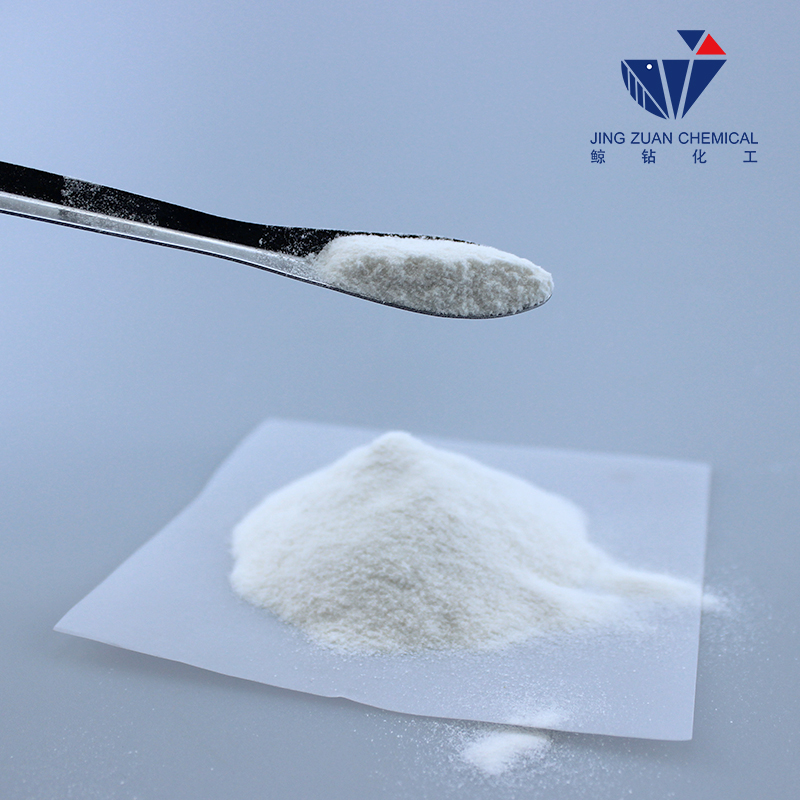
At its core, Dispersible Polymer Powder (DPP) is a dry polymer powder designed to be easily dispersed in water or cement mixtures, improving the strength, flexibility, and adhesion of construction materials. It’s an innovation born from the need for more reliable and resilient binders in building products, especially for adhesives and repair mortars. Frankly, if you’ve worked in the building chemicals space, you know how unpredictable application environments can be. The ability to add polymer powders that dissolve uniformly is a game-changer.
- DPP consists of acrylic-based polymer particles that disperse in water to form a stable latex.
- Typical specs include a particle size under 100 microns and glass transition temperatures around 10-20°C for optimal flexibility.
- Case studies show cement mortars mixed with DPP increase tensile strength by up to 50%, reducing cracking in thin layers.
Benefits & Use Cases of Dispersible Polymer Powder
Industries ranging from tile adhesive manufacturers to waterproofing specialists find DPP indispensable for fine-tuning product properties. Uneven surfaces, exposure to weather, and the need for durable cures are daily challenges — and this powder helps address them in subtle but profound ways. Because it boosts adhesion and workability, formulations become easier to apply and more resistant to delamination or water ingress in the long term.
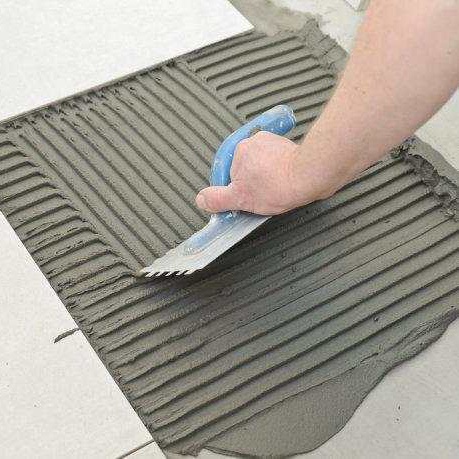
- Ideal for thin-bed tile adhesives where flexibility and bonding matter most.
- Improves waterproofing membranes, reducing micro-cracking caused by thermal cycles.
- Enhances durability in repair mortars, increasing resistance to freeze-thaw and chemical attack.
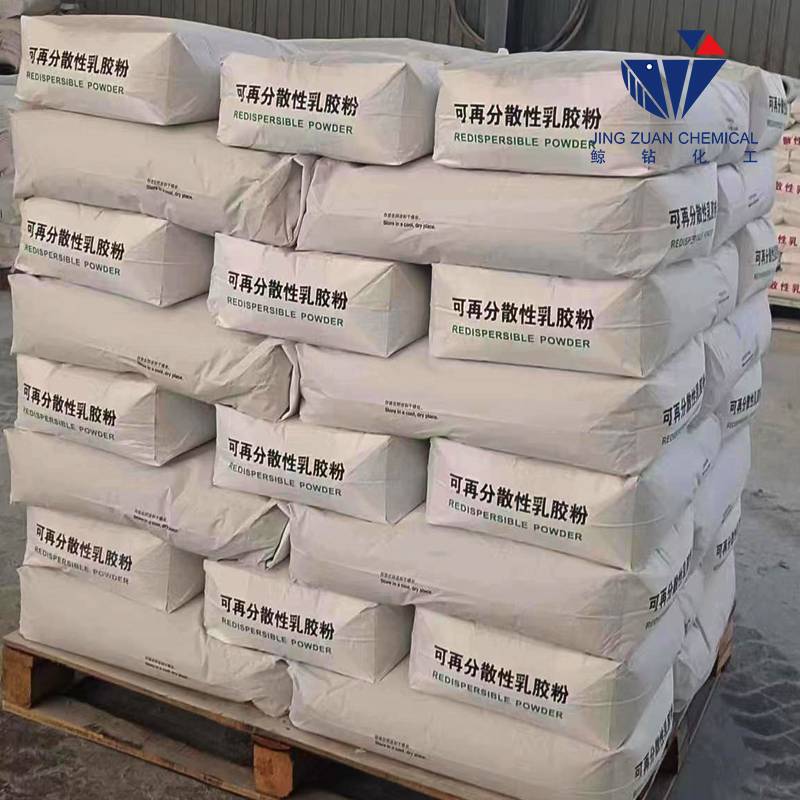
- Competitive edge: compared with liquid polymers, it offers easier transport, storage, and longer shelf-life.
| Property | Value/Range | Unit |
|---|---|---|
| Polymer Type | Acrylic Copolymer | – |
| Powder Particle Size | ≤ 100 | Microns |
| Glass Transition Temperature (Tg) | 10–20 | °C |
| pH Value | 6.5–8.5 | – |
| Bulk Density | 350–500 | kg/m³ |
Cost, Maintenance & User Experience
When you look at the cost picture for Dispersible Polymer Powder, it can seem like a premium input — but in real terms, the total cost of ownership (TCO) generally turns out quite favorable. That’s because products fortified with DPP need fewer repair cycles and tend to have better adhesion, which minimizes waste. Plus, transportation is easier since the powder is lightweight and stable without special conditions, unlike wet polymer emulsions.
- Durability improvements reduce long-term maintenance costs drastically.
- User feedback highlights easier handling and storage, which engineers appreciate on-site.
- Return on investment (ROI) often shows up quickly once application efficiencies and fewer repairs are considered.
Sustainability & Market Trends
The bigger picture? Sustainability is reshaping how materials like Dispersible Polymer Powder are viewed. Regulations increasingly push for eco-friendlier raw materials, reduced VOC emissions, and better lifecycle performance. Manufacturers like those at https://www.cnjzchemical.com have been quick to adapt, offering powders with lower environmental footprints, compliant with REACH and other chemical regulations. Oddly enough, demand across Asia and Europe is surging as construction grows and green building practices mature.
- Industry gravitating toward polymer powders sourced from sustainable polymers and bio-based monomers.
- Increasing re-use in recycled content without losing performance.
- Market growth expected around 5-7% annually for the next five years.
| Feature | CNJZ Chemical | Competitor A | Competitor B |
|---|---|---|---|
| Powder Fineness (Microns) | ≤ 100 | ≤ 120 | ≤ 150 |
| Shelf Life | 18 Months | 12 Months | 15 Months |
| Eco-certifications | REACH Compliant | Partial | None |
| Bulk Density (kg/m³) | 400 | 430 | 370 |
| Product Range | Comprehensive | Limited | Moderate |
Frequently Asked Questions about Dispersible Polymer Powder
- What is Dispersible Polymer Powder and how does it work?
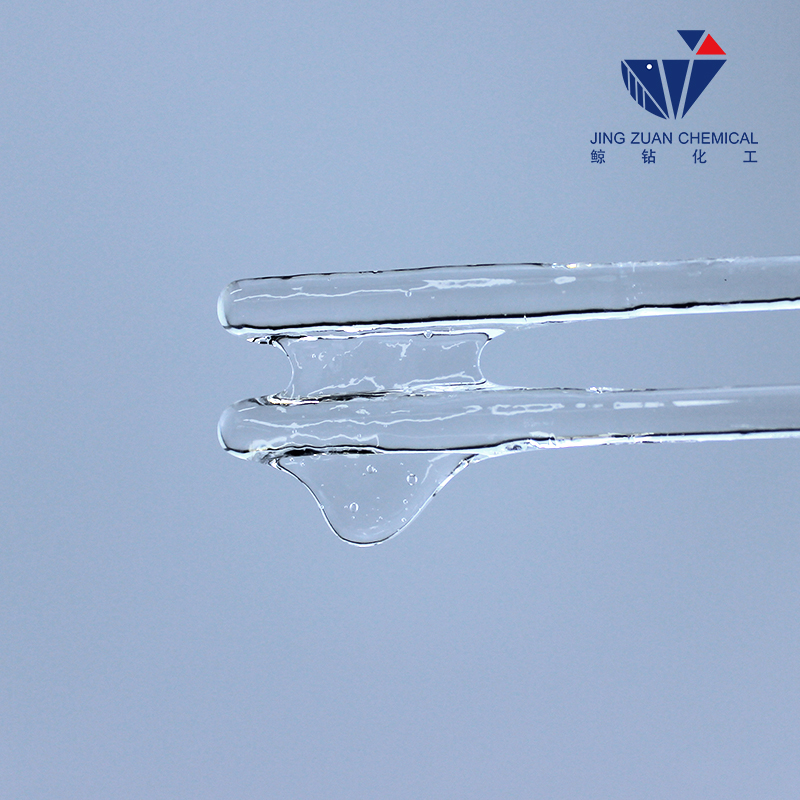
- Dispersible Polymer Powder is a finely milled polymer that, when mixed with water or cement, disperses to form a latex-like solution. This latex interacts with the cementitious components to improve adhesion, flexibility, and tensile strength, making it ideal for enhancing construction materials.
- What are the main benefits of using Dispersible Polymer Powder in industrial applications?
- Key benefits include improved bonding strength, reduction in cracking, greater water resistance, and enhanced flexibility. Additionally, it often reduces the amount of cement needed, lowering costs and environmental impact.
- How does Dispersible Polymer Powder compare to traditional alternatives?
- Compared to liquid polymer emulsions, the powder format is easier to transport and store, with longer shelf life and fewer handling risks. It also offers similar or better performance in improving mortar flexibility and adhesion.
- What industries can benefit most from Dispersible Polymer Powder implementation?
- Primary sectors include tile adhesives, cement-based waterproofing, concrete repair, flooring compounds, and decorative plasters. Many manufacturers of construction chemicals rely heavily on DPP for product enhancement.
Conclusion on Dispersible Polymer Powder from china
In summary, Dispersible Polymer Powder is more than just an additive—it’s a cornerstone for modern construction materials seeking enhanced performance and durability. With suppliers like CNJZ Chemical offering high-grade, reliable powders, businesses can trust to improve product quality and meet evolving sustainability standards. Visiting their site could be your next step toward smarter material innovation.
- Reinforces the value of Dispersible Polymer Powder as an industry essential.
- - Visit our website: https://www.cnjzchemical.com
Looking back, it’s clear that polymer powders aren’t just a niche product—they’ve quietly transformed construction practices. For decision makers in B2B sectors, understanding and leveraging these materials can make all the difference.
- Market research on polymer binders – Global Cement Industry Journal, 2023
- Regulatory update on chemical compliance – Chemical Safety Board, 2024
- Case study: cement mortar improvements with DPP – Construction Materials Review, 2022
-
Understanding Hydroxypropyl Methyl Cellulose MSDS Safety and Compliance
NewsApr.16,2026
-
Understanding the Hydroxypropyl Methyl Cellulose HS Code for Global Trade
NewsApr.09,2026
-
Comprehensive Guide to Hydroxypropyl Methyl Cellulose CAS Number and Applications
NewsApr.07,2026
-
Comprehensive Guide to Hydroxypropyl Methyl Cellulose cas no and its Diverse Applications
NewsApr.04,2026
-
Comprehensive Guide to Hydroxypropyl Methyl Cellulose Manufacturers and Applications
NewsMar.31,2026
-
Understanding Hydroxypropyl Methyl Cellulose Properties And Diverse Applications
NewsMar.28,2026