
Jan . 27, 2026 17:45 Back to list
Exploring Different Grades of HPMC for Optimal Performance and Application
Understanding Different Grades of HPMC
Hydroxypropyl methylcellulose (HPMC) is a versatile cellulose ether widely utilized across diverse industries like pharmaceuticals, construction, food, and cosmetics. Its functionality stems from varying molecular weights, viscosity levels, and degrees of substitution. This article delves into the different grades of HPMC, outlining their properties, applications, and how to choose the right grade for your specific needs. Understanding these nuances is crucial for optimizing product performance and achieving desired results.
What Defines HPMC Grades?
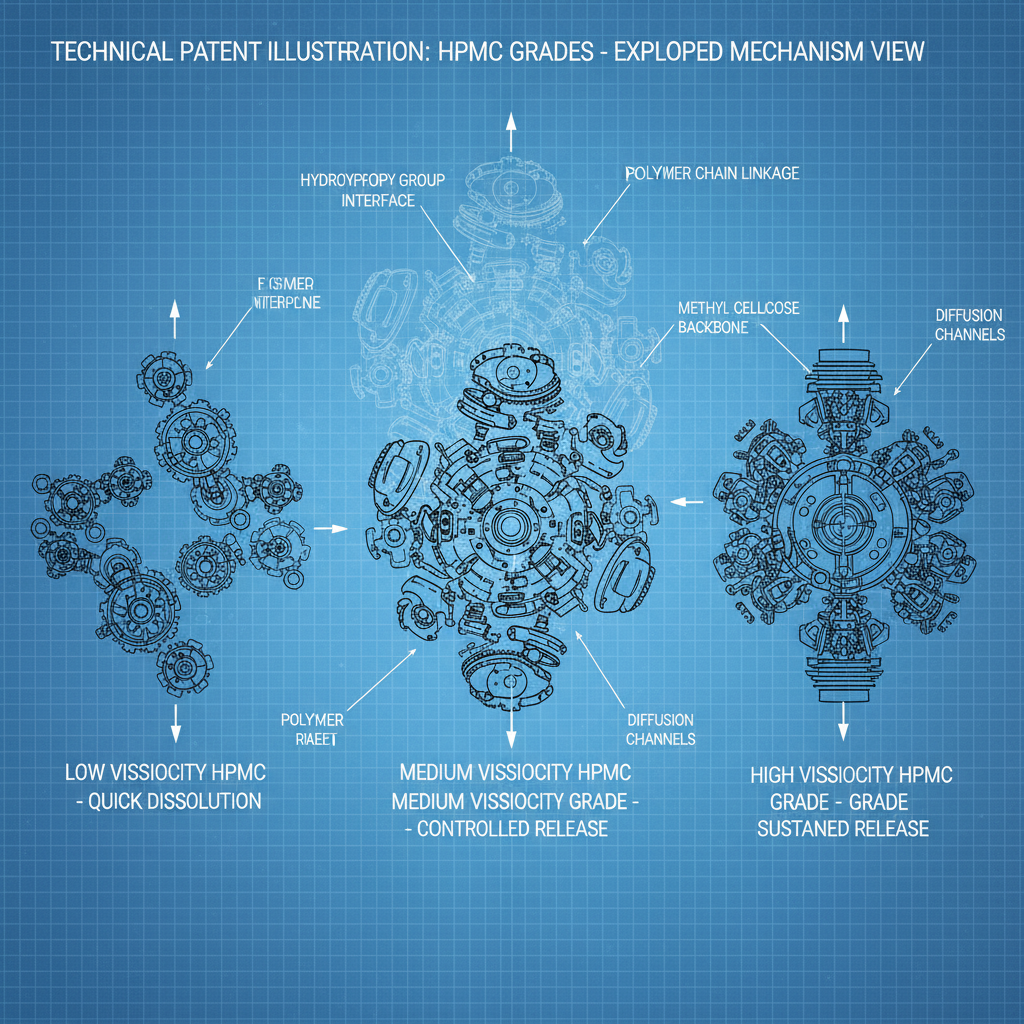
HPMC grades are primarily categorized by their viscosity, which is directly related to the polymer's molecular weight. Higher molecular weight HPMC results in higher viscosity. Viscosity is measured in centipoise (cP) using a Brookfield viscometer, with grades typically ranging from 4,000 cP to 150,000 cP. Beyond viscosity, the degree of substitution (DS) also influences HPMC's properties. The DS refers to the average number of hydroxyl groups replaced by methyl and hydroxypropyl groups. Higher DS generally increases water solubility and reduces gelation temperature.
Key Takeaways: HPMC grades are defined by viscosity, molecular weight, and degree of substitution. These parameters impact solubility, gelation, and overall performance.
Low Viscosity Grades (4,000 – 10,000 cP)
These grades, also known as lower molecular weight HPMC, are characterized by their ease of dissolution and low gel strength. They’re ideal for applications requiring minimal thickening or structural support. Common applications include:
- Pharmaceutical tablet coatings for rapid drug release.
- Thickeners in low-solid-content liquid formulations.
- Adhesives where low viscosity is essential for spreading.
- Suspension stabilizers for particle dispersion.
Medium Viscosity Grades (10,000 – 40,000 cP)
Representing a balance between thickening and ease of handling, medium viscosity HPMC offers good water solubility and moderate gel strength. This range is extensively used in:
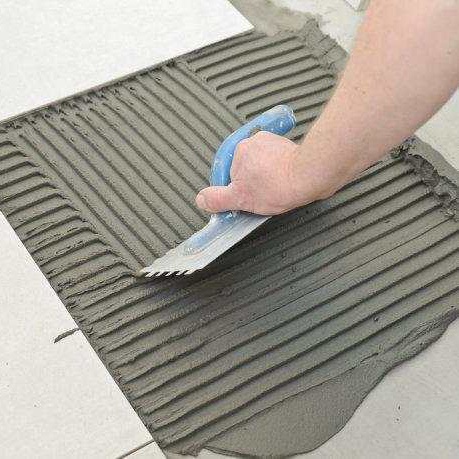
- Construction materials as a thickener and water retention agent in cement-based products.
- Cosmetics and personal care products as a stabilizer and emulsifier.
- Pharmaceutical suspensions to control drug release.
- Food industry as a stabilizer, emulsifier, and thickener in sauces and dressings.
High Viscosity Grades (40,000 – 150,000 cP)
High viscosity HPMC provides significant thickening power and strong gel strength. These grades are favored for applications demanding robust structural support and exceptional water retention. Notable applications include:
Selecting the Right HPMC Grade
Choosing the appropriate HPMC grade depends heavily on your application's specific requirements. Consider the desired viscosity, gel strength, solubility, and compatibility with other ingredients. It's often beneficial to conduct small-scale testing with different grades to determine the optimal performance. CNJZ Chemical offers a wide range of HPMC grades and provides technical support to assist you in selecting the best product for your needs.
Conclusion
Understanding the different grades of HPMC is essential for achieving optimal performance in a wide array of applications. By carefully considering the viscosity, molecular weight, and degree of substitution, you can select the perfect grade to meet your specific needs.
Frequently Asked Questions (FAQs)
How is HPMC viscosity measured?
HPMC viscosity is typically measured using a Brookfield viscometer. This instrument assesses the resistance of a liquid to flow. The measurement is expressed in centipoise (cP) at a specific temperature and spindle speed. It's important to note that viscosity is influenced by factors such as temperature, concentration, and pH, so consistent testing conditions are essential. Different HPMC grades have distinct viscosity ranges, allowing for selection based on the desired thickening or flow properties.
Does the degree of substitution (DS) affect HPMC’s performance?
Yes, the degree of substitution (DS) significantly influences HPMC’s properties. A higher DS means more hydroxyl groups have been replaced by methyl and hydroxypropyl groups. This generally leads to increased water solubility, reduced gelation temperature, and altered surface activity. Higher DS grades tend to exhibit lower gel strength and enhanced clarity in solution. The appropriate DS level depends on the specific application requirements.
What are the typical storage conditions for HPMC?
HPMC should be stored in a cool, dry, and well-ventilated area, away from direct sunlight and moisture. Exposure to humidity can cause clumping and affect its performance. It’s recommended to keep HPMC in its original, sealed container. Proper storage conditions help maintain its stability and ensure consistent quality over time. Check with the manufacturer for specific storage guidelines.
Can HPMC be used in food applications?
Yes, certain grades of HPMC are approved for use in food applications as thickeners, stabilizers, emulsifiers, and film-forming agents. These grades must meet specific purity requirements and comply with food safety regulations in the intended region. Commonly used in sauces, dressings, baked goods, and dairy products, HPMC enhances texture and shelf life. Always verify that the HPMC grade you select is food-grade certified.
-
Understanding Hydroxypropyl Methyl Cellulose MSDS Safety and Compliance
NewsApr.16,2026
-
Understanding the Hydroxypropyl Methyl Cellulose HS Code for Global Trade
NewsApr.09,2026
-
Comprehensive Guide to Hydroxypropyl Methyl Cellulose CAS Number and Applications
NewsApr.07,2026
-
Comprehensive Guide to Hydroxypropyl Methyl Cellulose cas no and its Diverse Applications
NewsApr.04,2026
-
Comprehensive Guide to Hydroxypropyl Methyl Cellulose Manufacturers and Applications
NewsMar.31,2026
-
Understanding Hydroxypropyl Methyl Cellulose Properties And Diverse Applications
NewsMar.28,2026