
Sep . 12, 2025 09:00 Back to list
High-Performance VAE Powder | RDP Polymer for Construction
Understanding VAE Powder: The Core of Advanced Building Materials
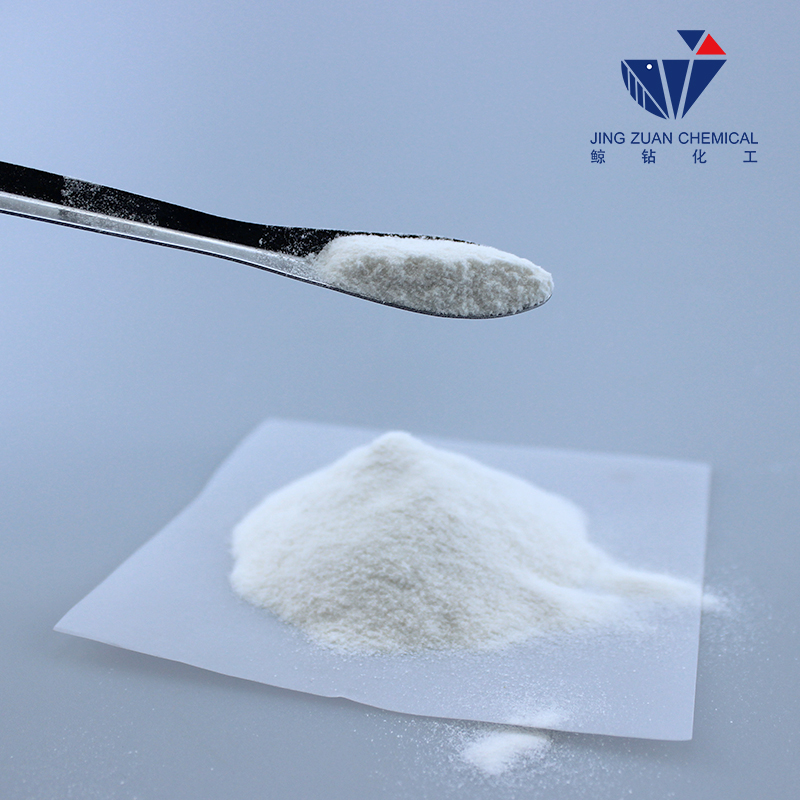
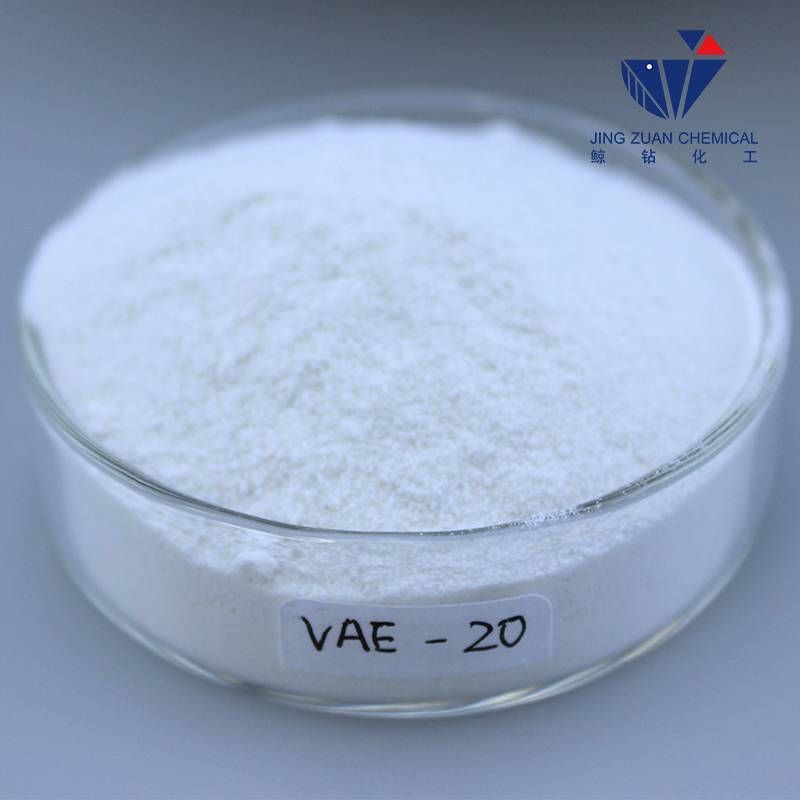
In the realm of modern construction chemicals and industrial applications, vae powder, specifically Redispersible Polymer Powder (RDP), stands as a cornerstone innovation. It is a vital additive derived from vinyl acetate-ethylene (VAE) copolymer emulsions, designed to significantly enhance the performance characteristics of various cementitious and gypsum-based dry-mix formulations. This highly versatile redispersible powder plays a crucial role in improving adhesion, flexibility, water resistance, and overall durability, addressing critical performance gaps in traditional materials. Our RDP product line, rooted in advanced VAE chemistry, offers unparalleled quality and consistency, catering to the evolving demands of the global construction and coatings industries.
The demand for high-performance building materials is continuously growing, driven by stricter environmental regulations, increased focus on sustainability, and the need for long-lasting, resilient structures. This trend positions vae powder as an indispensable component for manufacturers aiming to develop superior products. From tile adhesives to self-leveling compounds and exterior insulation systems, the integration of rdp polymer transforms ordinary mixes into advanced solutions that meet stringent industry standards and client expectations.
The Manufacturing Process of VAE Powder (RDP)
The production of high-quality vae powder is a sophisticated multi-stage chemical engineering process that ensures the final product's superior performance characteristics. This process begins with the careful selection of raw materials and culminates in a finely controlled spray-drying phase.
Process Flow Overview:
- Monomer Selection and Preparation: The primary raw materials are Vinyl Acetate (VA) and Ethylene (E) monomers, chosen for their excellent copolymerization properties. These are meticulously purified and prepared for the polymerization stage, often including the addition of co-monomers to tailor specific properties.
-
Emulsion Polymerization: This is the core chemical reaction where VA and E monomers are polymerized in an aqueous medium. This process involves:
- Initiation: Polymerization is initiated using water-soluble initiators (e.g., peroxides) under controlled temperature and pressure conditions.
- Stabilization: Protective colloids (e.g., polyvinyl alcohol) and other emulsifiers are added to stabilize the polymer particles formed, preventing coagulation and ensuring a uniform particle size distribution.
- Reaction Control: Strict control over temperature, pressure, monomer feeding rates, and stirring speed is maintained to achieve the desired molecular weight, copolymer composition, and glass transition temperature (Tg) of the VAE copolymer. The result is a stable VAE emulsion.
- Post-Polymerization Treatment: After polymerization, the VAE emulsion may undergo post-treatment to remove residual monomers or adjust pH, ensuring purity and stability.
-
Spray Drying: The stabilized VAE emulsion is then fed into a spray dryer. In this critical step:
- Atomization: The emulsion is atomized into fine droplets within a hot air stream.
- Water Evaporation: The water quickly evaporates from the droplets, leaving behind solid polymer particles encapsulated by the protective colloid.
- Anti-blocking Agent Addition: An anti-blocking agent (e.g., mineral fillers like calcium carbonate or silica) is often added during or immediately after spray drying to prevent the polymer particles from caking, ensuring the powder remains free-flowing and redispersible.
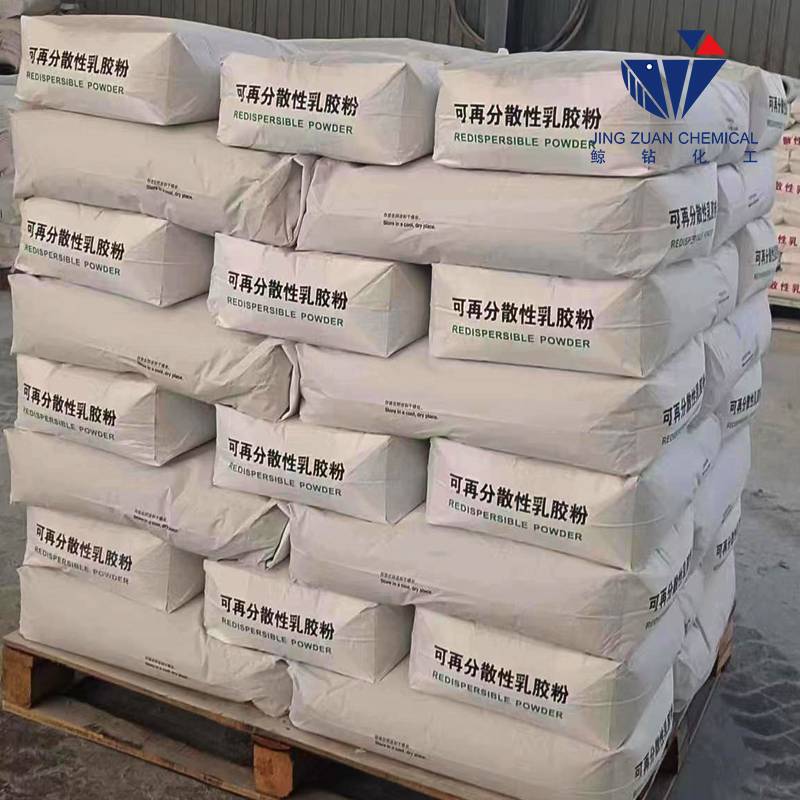
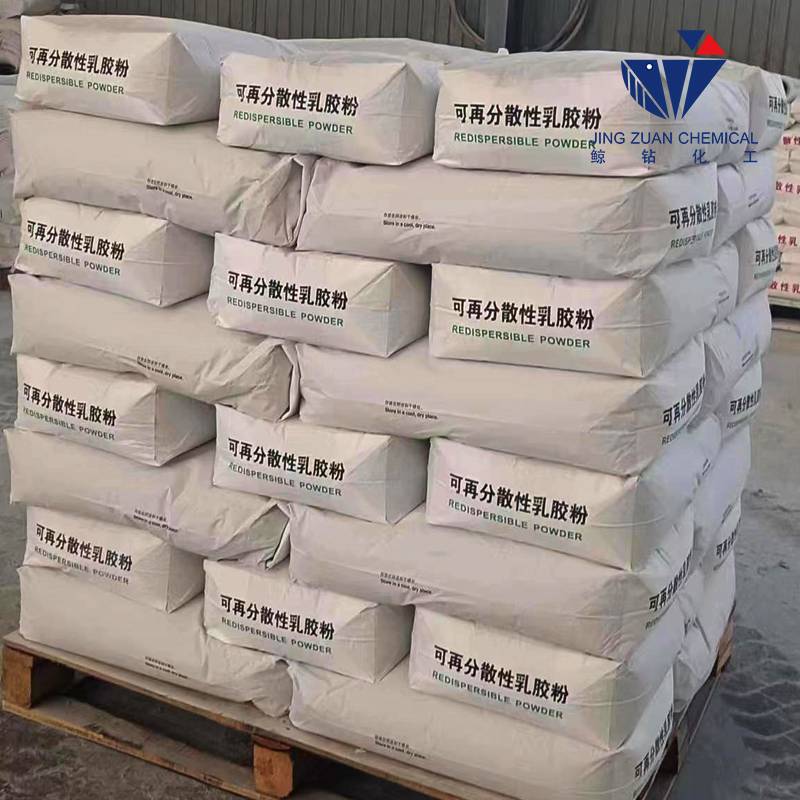
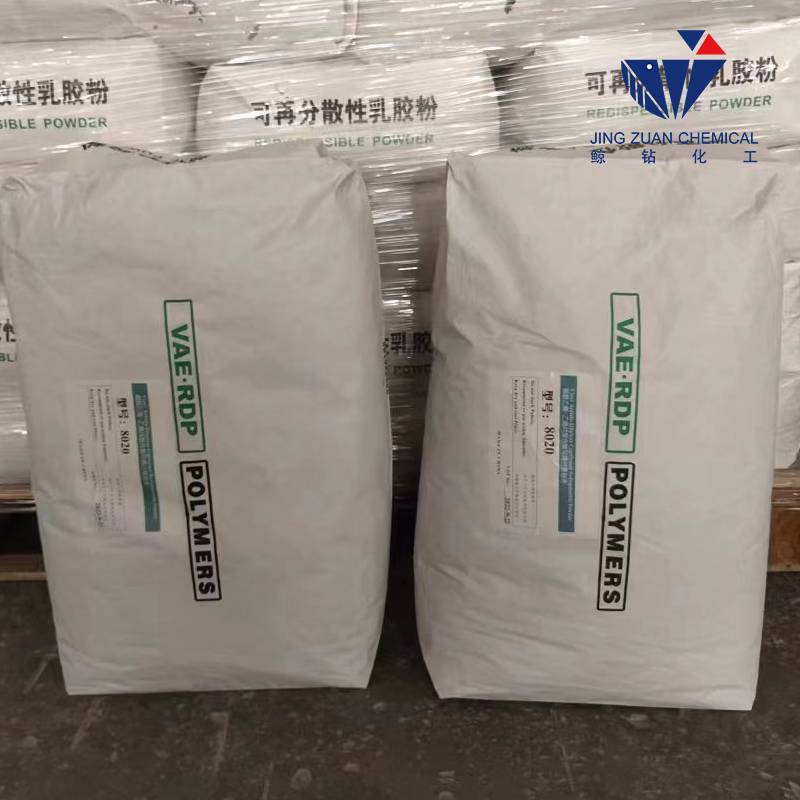
- Screening and Packaging: The resulting rdp polymer powder is sieved to achieve a consistent particle size distribution, then packaged into multi-ply paper bags with an inner polyethylene liner to protect against moisture and ensure a long service life.
Quality Control and Testing Standards: Throughout the entire manufacturing process, stringent quality control measures are implemented. Our vae powder products are routinely tested against international standards such as ISO 9001 for quality management, and specific product performance parameters adhere to industry benchmarks like EN 12004 for tile adhesives and various ASTM standards for material properties. Key parameters tested include ash content, solid content, bulk density, pH, particle size, minimum film-forming temperature (MFFT), and redispersibility.
Technical Specifications and Performance Parameters
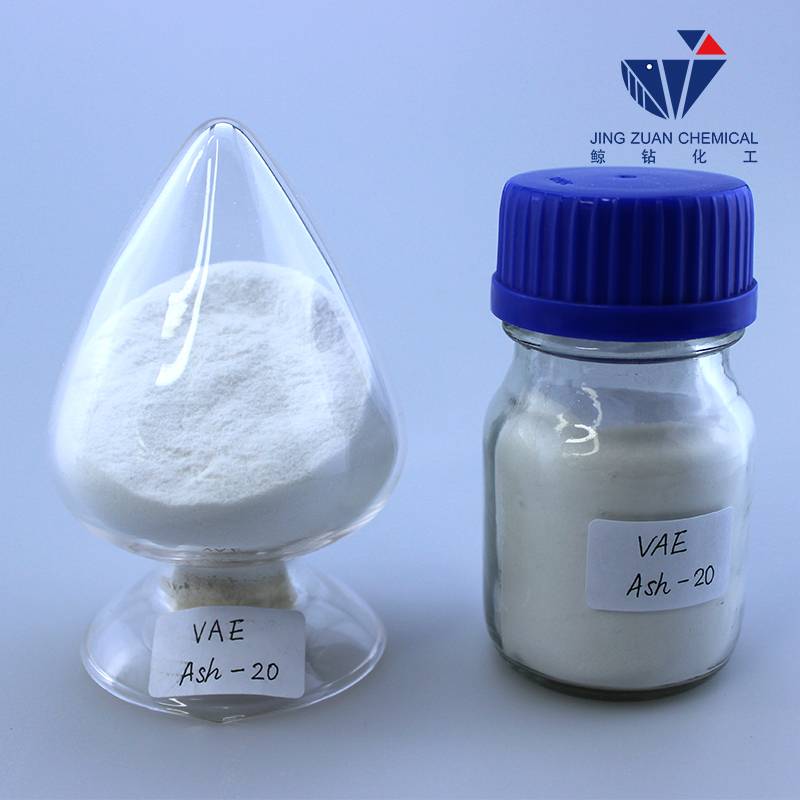
Our RDP vae powder is engineered to deliver precise performance in demanding applications. Understanding its technical specifications is crucial for formulators to optimize their dry-mix formulations and achieve desired end-product properties. The following table details typical specifications for our high-quality redispersible powder.
Typical Product Specifications (RDP - VAE Series)
| Parameter | Unit | Typical Value Range | Test Method/Standard |
|---|---|---|---|
| Appearance | - | White to off-white free-flowing powder | Visual Inspection |
| Solid Content | % | ≥ 98.0 | ISO 3251 |
| Ash Content (at 900°C) | % | 8 - 14 | ASTM D 1208 |
| Bulk Density | g/L | 400 - 600 | ISO 697 |
| Particle Size (>250 µm) | % | ≤ 5.0 | DIN EN 12004-2 |
| pH (10% aqueous solution) | - | 6.0 - 8.0 | pH Meter |
| Minimum Film-Forming Temperature (MFFT) | °C | 0 to 10 | ASTM D 2354 |
| Glass Transition Temperature (Tg) | °C | -5 to +10 | DSC (Differential Scanning Calorimetry) |
These parameters are critical in determining the suitability of the vae powder for specific applications. For instance, a lower MFFT indicates greater flexibility and suitability for colder application conditions, while optimal particle size ensures uniform dispersion and efficient film formation within the dry mix. Consistent solid content and ash content reflect the purity and active polymer percentage, directly influencing performance.
Application Scenarios and Technical Advantages
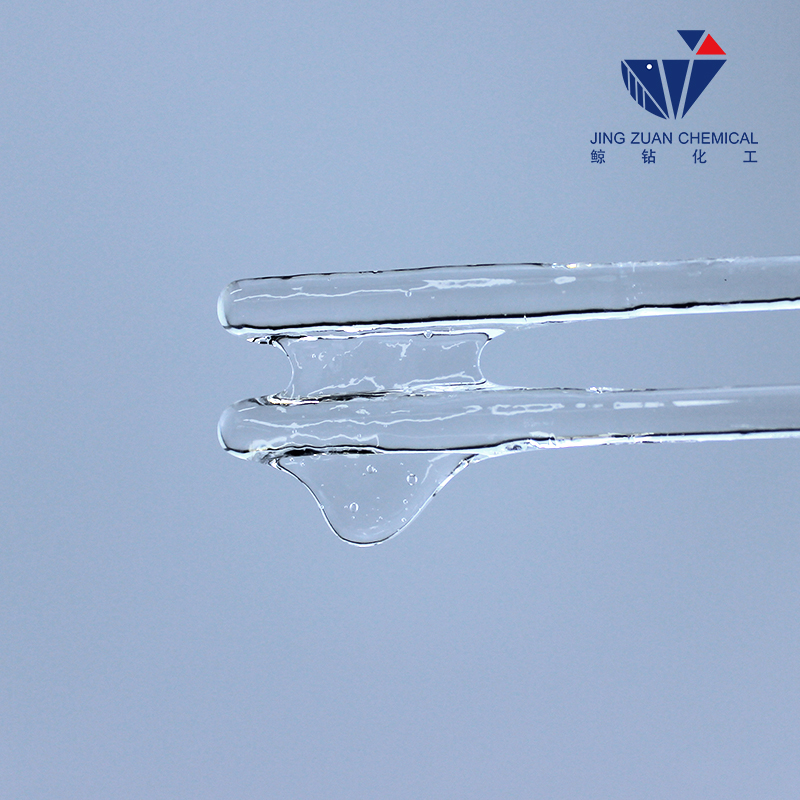
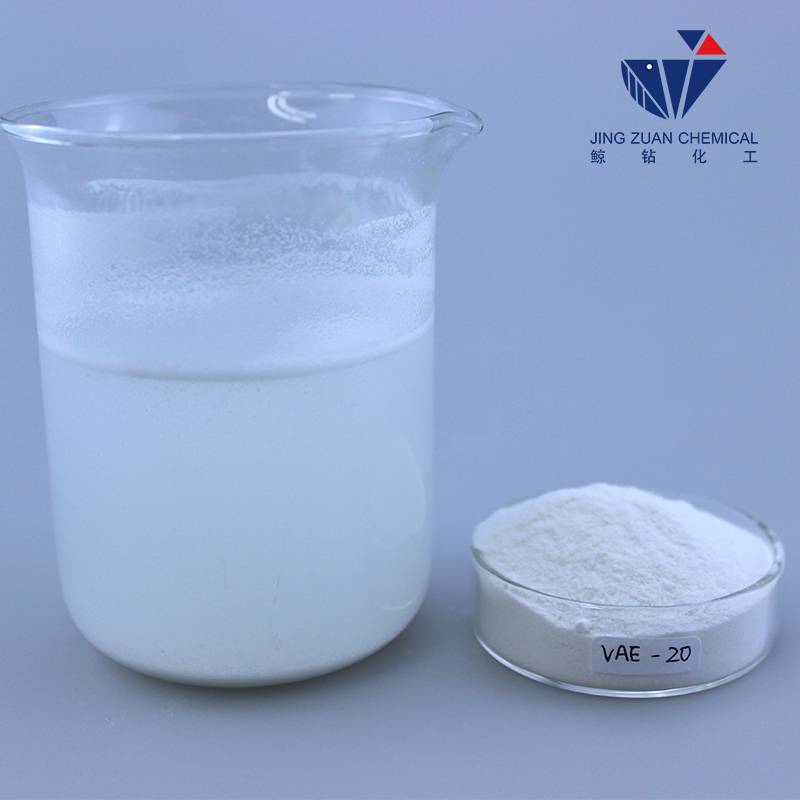
The versatility of vae powder (RDP) makes it an indispensable additive across a broad spectrum of construction chemical applications. Its unique polymeric structure, which re-disperses into an emulsion upon contact with water, forms a flexible, durable film that significantly enhances the performance of hydraulic binders.
Key Application Areas:
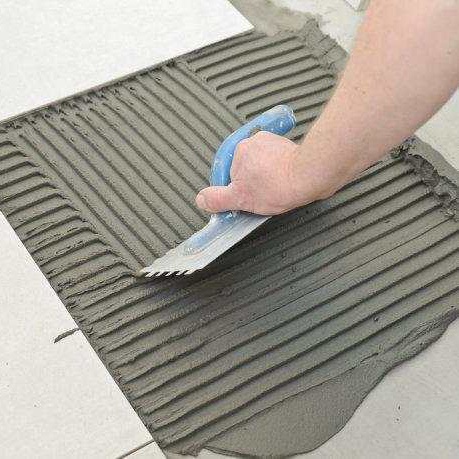
- Tile Adhesives: Greatly improves bond strength, flexibility, water resistance, and open time, particularly crucial for large format tiles, porcelain tiles, and challenging substrates.
- Self-Leveling Compounds (SLCs): Enhances flowability, adhesion to various substrates, abrasion resistance, and reduces shrinkage and cracking, leading to smoother, more durable floor finishes.
- Skim Coats & Wall Putties: Provides excellent adhesion, workability, crack resistance, and a smooth finish, creating an ideal base for paints and decorative coatings.
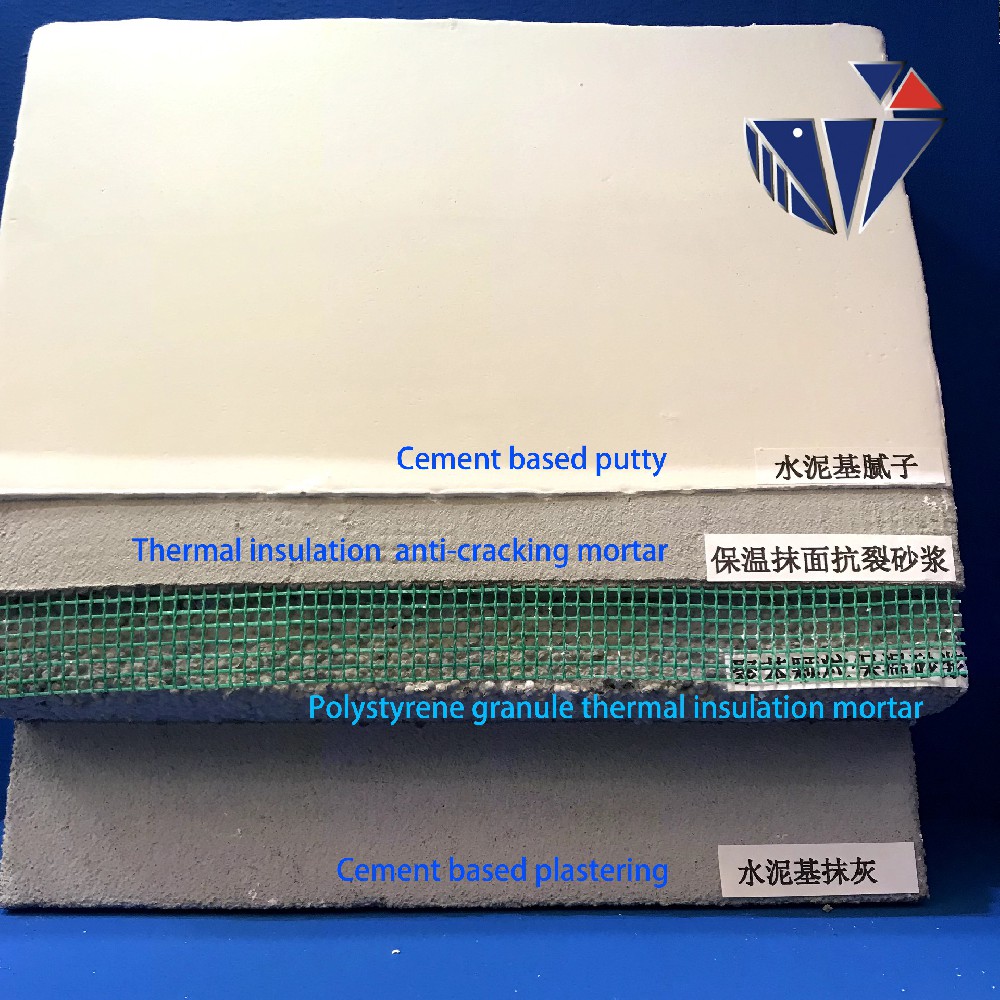
- External Thermal Insulation Composite Systems (ETICS/EIFS): Improves adhesion of mortar to insulation boards, enhances impact resistance, flexibility, and weatherability of the base coat, contributing to energy saving and long-term facade integrity.
- Repair Mortars: Increases tensile and flexural strength, reduces permeability, and enhances bond to old concrete, ensuring durable and effective concrete repair.
- Waterproofing Mortars: Forms a dense, impermeable matrix, significantly enhancing the waterproofing capabilities of cementitious coatings and reducing water absorption.
- Gypsum-based Products: Improves hardness, adhesion, and crack resistance in gypsum plasters and fillers.
Technical Advantages (Corrosion Resistance & Energy Saving Focus):
The incorporation of rdp polymer translates into several critical technical advantages, directly impacting the longevity, performance, and sustainability of construction projects:
- Enhanced Adhesion: The polymer film formed by vae powder penetrates porous substrates, creating a strong mechanical and chemical bond. This is crucial for corrosion resistance in applications like steel-reinforced concrete repair, where superior adhesion prevents moisture ingress and subsequent rebar corrosion.
- Increased Flexibility and Crack Resistance: The flexible polymer matrix accommodates substrate movement, reducing the risk of cracking due to thermal expansion/contraction or structural shifts. This flexibility is vital in preventing micro-cracks that could allow water and corrosive agents to penetrate, indirectly contributing to long-term corrosion resistance for underlying structures.
- Reduced Water Permeability: RDP forms a denser, less permeable mortar structure, effectively minimizing water absorption. This is a direct advantage for corrosion resistance, as it limits the transport of chlorides and other corrosive ions to metallic reinforcements. In ETICS, reduced water uptake enhances the insulating properties and extends the system's service life, contributing to energy saving over the building's lifespan.
- Improved Freeze-Thaw Resistance: By reducing porosity and enhancing the elasticity of the matrix, vae powder significantly improves resistance to freeze-thaw cycles, particularly important in temperate and cold climates. This prevents structural degradation that could expose underlying components to corrosive elements.
- Enhanced Durability and Service Life: All these improvements collectively lead to a significantly extended service life for construction elements. By enhancing durability and resistance to environmental stressors, maintenance cycles are lengthened, and the need for premature repairs or replacements is reduced, aligning with sustainable construction principles and long-term cost savings.
- Energy Saving (ETICS/EIFS): In External Thermal Insulation Composite Systems, vae powder contributes to the integrity and longevity of the insulation layer. A robust, crack-free insulation system maintains its thermal performance over decades, leading to substantial energy savings in heating and cooling for buildings.
Vendor Comparison and Customized Solutions
The market for redispersible powder is competitive, with numerous vendors offering products with varying performance profiles. When selecting a supplier for vae powder, B2B decision-makers must consider not only price but also consistency, technical support, and the ability to provide customized solutions tailored to specific project requirements.
Key Differentiators in Vendor Selection:
| Criteria | Standard Vendor Offerings | Our Advantage (JZ Chemical) |
|---|---|---|
| Product Range | Limited range of standard RDP types. | Broad portfolio of VAE-based RDPs, including specialized grades for high flexibility, improved water repellency, or specific climate conditions. |
| Technical Support | Basic product data sheets and general recommendations. | Dedicated technical team for formulation optimization, troubleshooting, and on-site application support, drawing on decades of experience. |
| Customization Capabilities | Minimal to no customization, requiring clients to adapt formulations. | Advanced R&D capabilities for developing bespoke vae powder grades that precisely match unique performance requirements (e.g., specific MFFT, Tg, ash content, particle size). |
| Quality & Consistency | Variable quality, potential batch-to-batch inconsistencies. | ISO 9001 certified manufacturing with rigorous QC protocols ensuring exceptional batch consistency and purity. Full traceability. |
| Supply Chain Reliability | Potential for disruptions, longer lead times. | Robust global logistics network and strategic inventory management ensure reliable, on-time delivery. Typical lead time of 10-14 days for standard orders. |
Tailored Solutions for Unique Challenges:
Recognizing that every project has distinct requirements, we specialize in providing customized rdp polymer solutions. Our technical team collaborates closely with clients to understand their specific formulation challenges, application environments, and performance targets. This collaborative approach allows us to fine-tune the chemical composition and physical properties of our vae powder to deliver optimal results.
For example, for a client developing a highly flexible waterproofing membrane in a seismic zone, we can formulate a vae powder with a particularly low MFFT and high elongation at break. Similarly, for a specialized tile adhesive needing extended open time in hot climates, we can adjust the protective colloid system and polymer composition to mitigate premature skinning. This commitment to customization ensures that our clients gain a competitive edge in their respective markets.
Application Case Studies and Customer Trust
Our dedication to quality and performance is validated by successful applications across diverse and demanding projects globally. We partner with leading construction material manufacturers and specialized contractors who rely on our vae powder to ensure the integrity and longevity of their constructions.
Case Study 1: High-Performance Tile Adhesive for Commercial Project
- Challenge: A major commercial developer in Southeast Asia required a tile adhesive capable of securely bonding large-format porcelain tiles to a challenging substrate (existing concrete with high residual moisture) in a high-traffic area, demanding superior adhesion, flexibility, and rapid setting.
- Solution: Our technical team collaborated with the client to develop a custom formulation using a specialized grade of RDP vae powder with enhanced early strength development and superior moisture resistance.
- Results: The custom adhesive significantly surpassed EN 12004 C2TE S1 standards. It provided excellent bond strength (2.5 N/mm² after 28 days), high deformability (>2.5 mm deflection), and minimal efflorescence, leading to a successful and durable installation without costly rework. The project was completed ahead of schedule, showcasing the efficiency and reliability of the modified adhesive.
Case Study 2: ETICS for Energy-Efficient Building in Europe
- Challenge: An architectural firm specified an ETICS for a new residential complex in Central Europe, requiring exceptional weather resistance, impact strength, and long-term thermal performance to meet stringent energy efficiency regulations.
- Solution: We supplied an RDP rdp polymer optimized for ETICS applications, known for its outstanding adhesion to EPS/mineral wool insulation, high tensile strength, and crack bridging properties.
- Results: The ETICS system, incorporating our redispersible powder, passed comprehensive testing for impact resistance (Category II-III), water absorption, and freeze-thaw stability, complying with ETAG 004 guidelines. The facade maintained its integrity and aesthetic appeal, contributing significantly to the building's A+ energy rating and low heating costs over the first five years of occupancy.
Our long-standing relationships with global partners, spanning over 15 years in the industry, attest to our commitment to delivering consistent quality and reliable solutions. We are certified under ISO 9001:2015, REACH compliant, and our products undergo rigorous third-party testing to ensure they meet or exceed international standards.
Frequently Asked Questions (FAQ)
Q1: What is the primary function of VAE powder (RDP) in dry-mix mortars?
A1: The primary function of vae powder is to improve the physical and mechanical properties of dry-mix mortars. Upon redispersion, it forms a polymeric film that enhances adhesion, flexibility, tensile strength, impact resistance, and water retention, while reducing shrinkage and cracking.
Q2: Is your RDP product compliant with international environmental standards?
A2: Yes, our rdp polymer products are REACH compliant and manufactured under ISO 14001 certified environmental management systems, ensuring minimal environmental impact and adherence to global regulatory requirements.
Q3: What is the typical shelf life for your VAE powder?
A3: When stored in original, unopened packaging in a cool, dry place (below 30°C and 70% relative humidity), our vae powder typically has a shelf life of 12 months from the date of manufacture. Proper storage is crucial to maintain redispersibility and performance.
Q4: Can VAE powder be used with other additives in a dry-mix formulation?
A4: Absolutely. Redispersible powder is designed to work synergistically with other common dry-mix additives such as cellulose ethers (for water retention and rheology), defoamers, and accelerators/retarders, allowing for highly customized formulations. Our technical support team can assist with compatibility and optimization.
Logistics, Warranty, and After-Sales Support
At JZ Chemical, we understand that reliable supply chain management and comprehensive support are as critical as product quality. We are committed to providing an exceptional experience from inquiry to post-delivery.
- Lead Time and Fulfillment: Our optimized production processes and robust global logistics network enable us to offer competitive lead times. For standard orders of vae powder, typical lead times range from 10 to 14 business days, depending on destination and order volume. We maintain strategic inventory levels to facilitate prompt dispatch and accommodate urgent requirements.
- Quality Warranty: We guarantee that our RDP redispersible powder meets all specified technical parameters and quality standards as per our product data sheets and agreed-upon specifications. In the unlikely event of a product not meeting these standards, we offer a comprehensive warranty covering replacement or credit, provided storage and handling guidelines are followed. Our commitment to ISO 9001:2015 ensures consistent quality and accountability.
- Customer Support & Technical Assistance: Our dedicated team of technical experts and customer service representatives is available to provide unparalleled support. This includes assistance with product selection, formulation guidance, troubleshooting application issues, and providing detailed safety data sheets (SDS) and technical data sheets (TDS). We offer both remote and, where feasible, on-site technical assistance to ensure seamless integration of our rdp polymer into your manufacturing processes. Our support extends globally, ensuring that geographical distance does not compromise service quality.
References
- M. G. J. van der Zanden. (2018). The Chemistry of Polymers: VAE Copolymers. Elsevier.
- ASTM International. (Latest Editions). ASTM C1437 - Standard Test Method for Flow of Hydraulic Cement Mortar.
- European Committee for Standardization. (Latest Editions). EN 12004 - Adhesives for tiles - Requirements, evaluation of conformity, classification and designation.
- Schäfer, T., & Hutter, H. (2012). Redispersible Polymer Powders: Principles and Applications. Construction Chemistry and Building Materials.
- ISO (International Organization for Standardization). (Latest Editions). ISO 9001 - Quality management systems - Requirements.
-
Understanding Hydroxypropyl Methyl Cellulose MSDS Safety and Compliance
NewsApr.16,2026
-
Understanding the Hydroxypropyl Methyl Cellulose HS Code for Global Trade
NewsApr.09,2026
-
Comprehensive Guide to Hydroxypropyl Methyl Cellulose CAS Number and Applications
NewsApr.07,2026
-
Comprehensive Guide to Hydroxypropyl Methyl Cellulose cas no and its Diverse Applications
NewsApr.04,2026
-
Comprehensive Guide to Hydroxypropyl Methyl Cellulose Manufacturers and Applications
NewsMar.31,2026
-
Understanding Hydroxypropyl Methyl Cellulose Properties And Diverse Applications
NewsMar.28,2026