
Sep . 11, 2025 09:00 Back to list
VAE Powder: Enhance Adhesion & Flexibility in Mortars
Understanding VAE Powder in Modern Construction and Industry
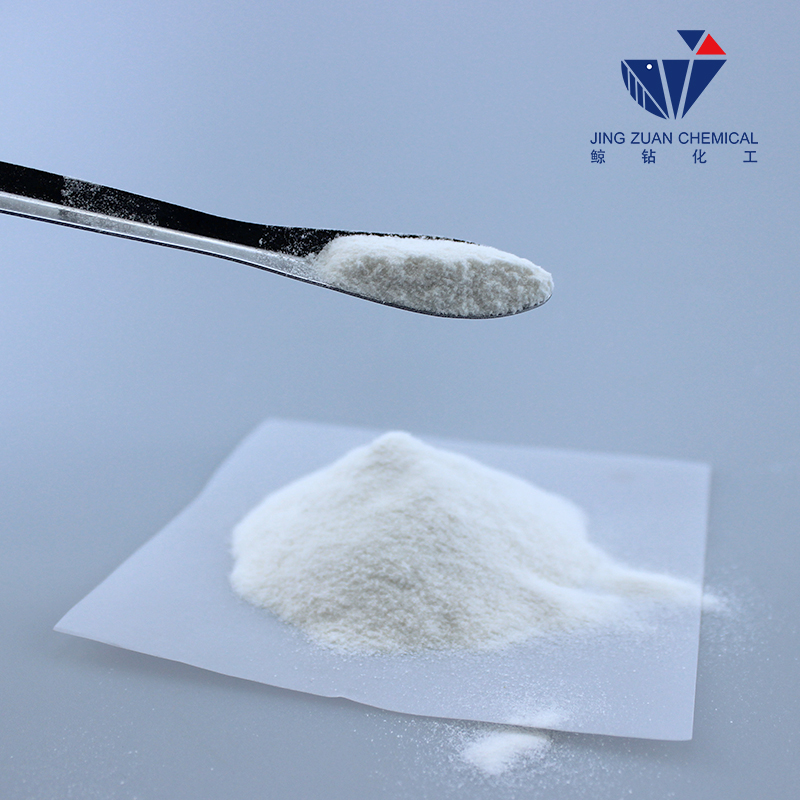
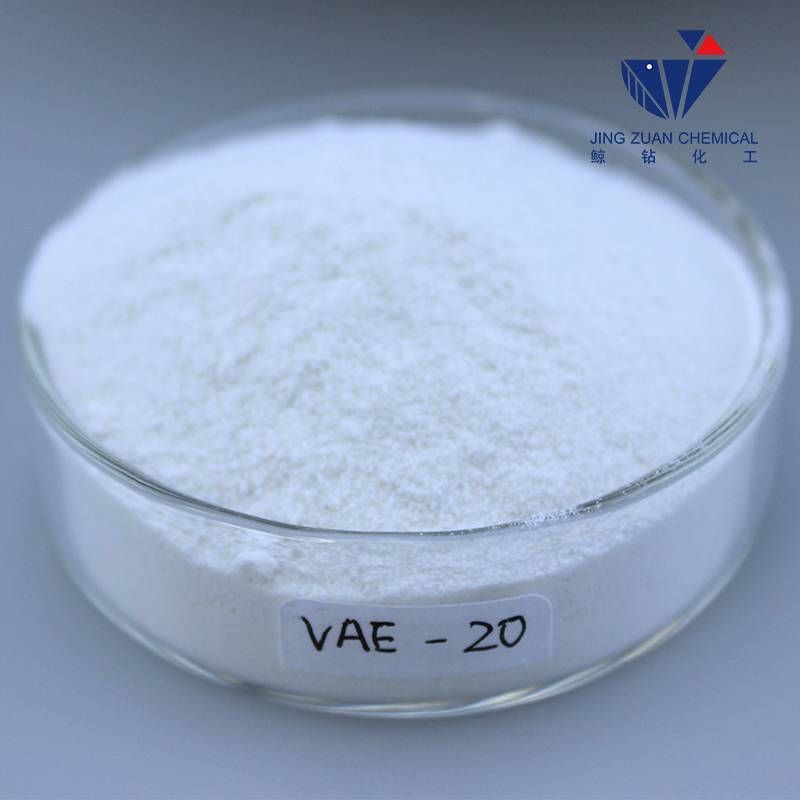
In the realm of advanced material science, vae powder stands as a cornerstone additive, revolutionizing the performance characteristics of various construction and industrial formulations. Primarily known as a redispersible polymer powder, VAE (Vinyl Acetate-Ethylene) is a crucial rdp polymer, engineered to enhance key properties such as adhesion, flexibility, and water resistance in cement-based and gypsum-based mixtures. Its role is pivotal in transforming standard materials into high-performance solutions capable of meeting the stringent demands of modern building practices and specialized industrial applications.
The demand for sophisticated construction chemicals has grown exponentially, driven by factors such as urbanization, infrastructure development, and the push for more sustainable and durable building solutions. As a high-quality redispersible powder, VAE offers unparalleled benefits, contributing significantly to improved workability, mechanical strength, and overall longevity of materials. This article delves into the intricacies of vae powder, exploring its manufacturing, technical specifications, diverse applications, and the competitive landscape of its supply.
Industry Trends and Market Dynamics for VAE Powder
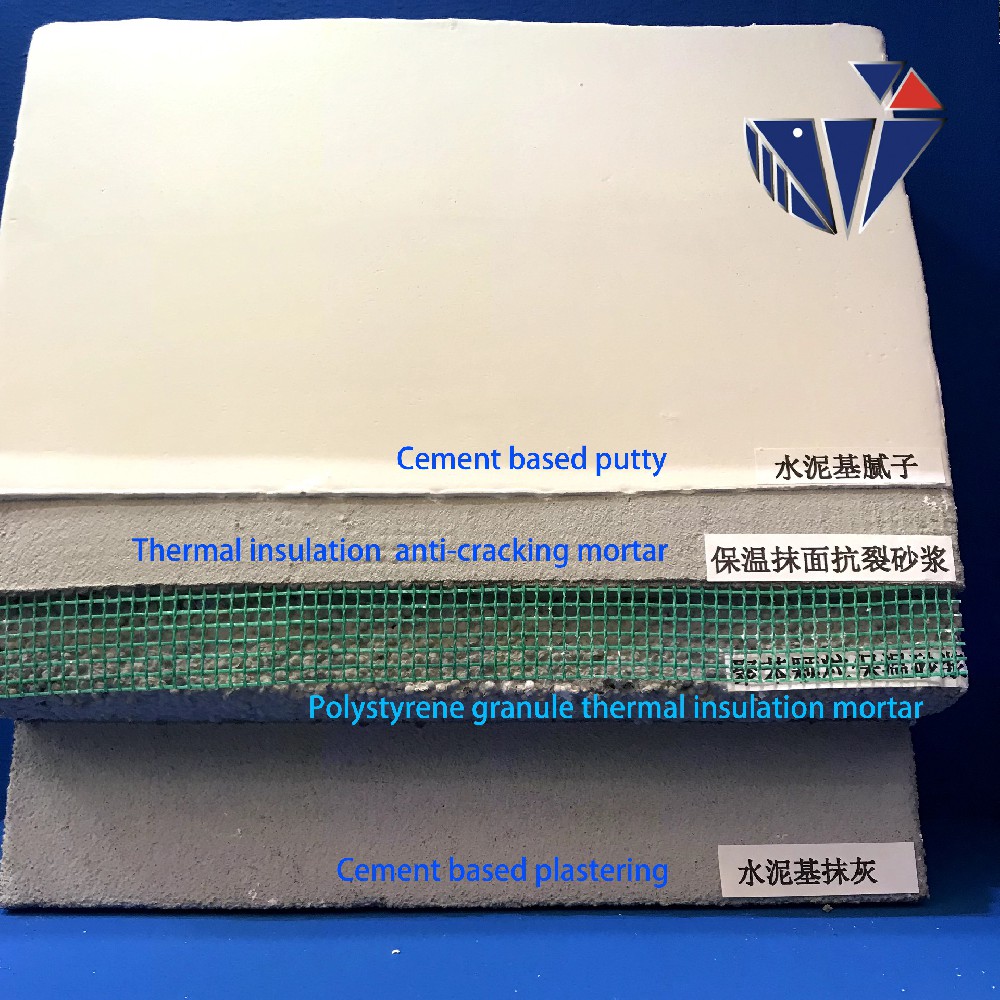
The market for vae powder is experiencing robust growth, primarily propelled by the booming construction sector, particularly in emerging economies. Key trends include an increasing emphasis on green building materials, driving demand for products that enhance energy efficiency and reduce environmental impact. For instance, the use of redispersible powder in External Thermal Insulation Composite Systems (ETICS) is expanding rapidly due to its role in improving insulation performance and durability.
Furthermore, technological advancements are leading to the development of specialized rdp polymer grades tailored for specific applications, such as high-performance tile adhesives for large-format tiles, self-leveling compounds requiring rapid setting, and flexible waterproofing membranes. The increasing adoption of prefabricated construction methods and industrial flooring solutions also underscores the growing need for high-quality, consistent vae powder to ensure structural integrity and long-term performance. According to a recent market analysis, the global redispersible polymer powder market is projected to reach USD 3.5 billion by 2027, growing at a CAGR of over 6% from 2022 to 2027, highlighting its critical importance in modern industrial applications.
Manufacturing Process of VAE Powder
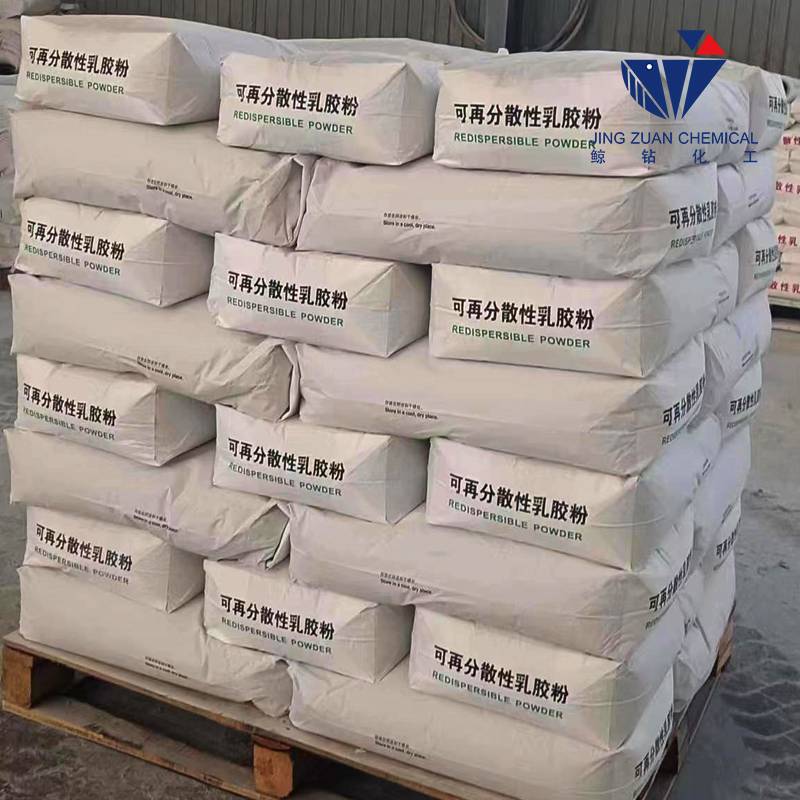
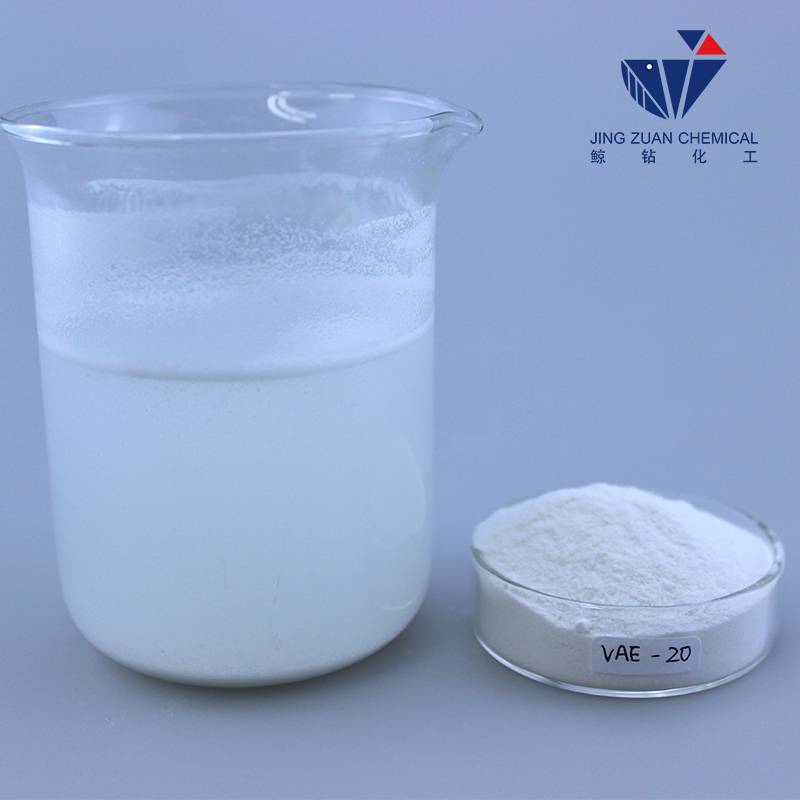
The production of vae powder involves a sophisticated multi-stage process that transforms liquid polymer emulsions into a free-flowing powder, capable of redispersing in water when mixed into dry-mix mortars.
Detailed Process Flow:
- Emulsion Polymerization: The core material, VAE emulsion, is produced through emulsion polymerization of vinyl acetate and ethylene monomers. This process ensures precise control over polymer chain length, branching, and monomer ratios, which dictate the final properties of the rdp polymer.
- Addition of Protective Colloids and Additives: During or after polymerization, protective colloids (e.g., polyvinyl alcohol) and various additives are introduced. These agents are critical for stabilizing the emulsion, preventing agglomeration during drying, and ensuring proper redispersibility and performance in the final application.
- Homogenization and Filtration: The VAE emulsion is then homogenized to ensure uniform particle size distribution and filtered to remove any impurities or oversized particles, ensuring a consistent, high-quality product.
- Spray Drying: This is the most crucial step. The liquid VAE emulsion is atomized into fine droplets within a heated chamber. As the droplets fall, the water evaporates rapidly, leaving behind solid polymer particles encapsulated by the protective colloid. This process carefully controls temperature and airflow to achieve desired particle size and moisture content.
- Cooling and Cycloning: The dried vae powder particles are collected using cyclone separators and then cooled to prevent caking and maintain their free-flowing nature.
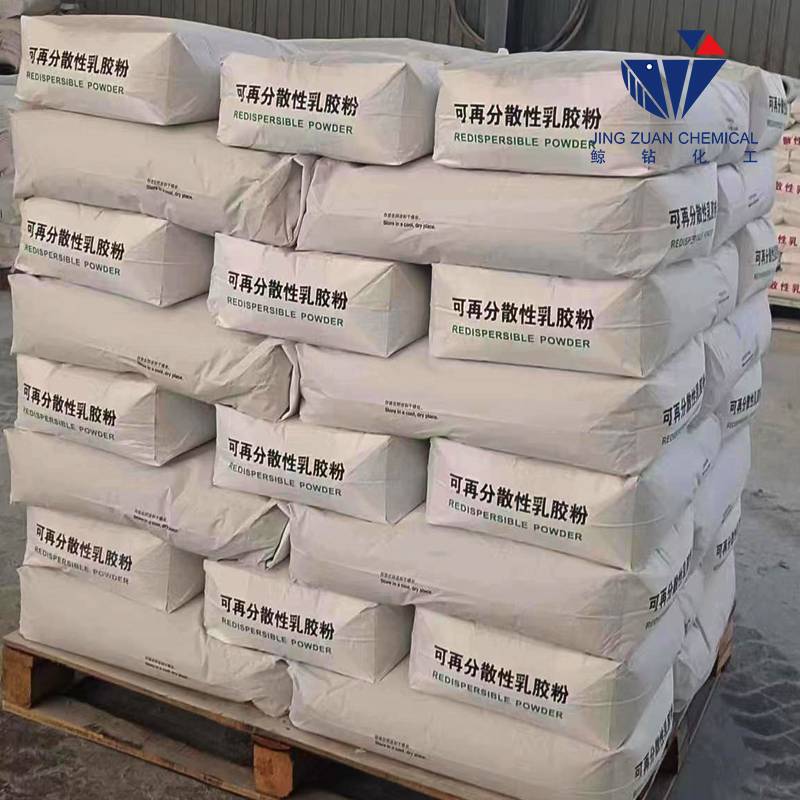
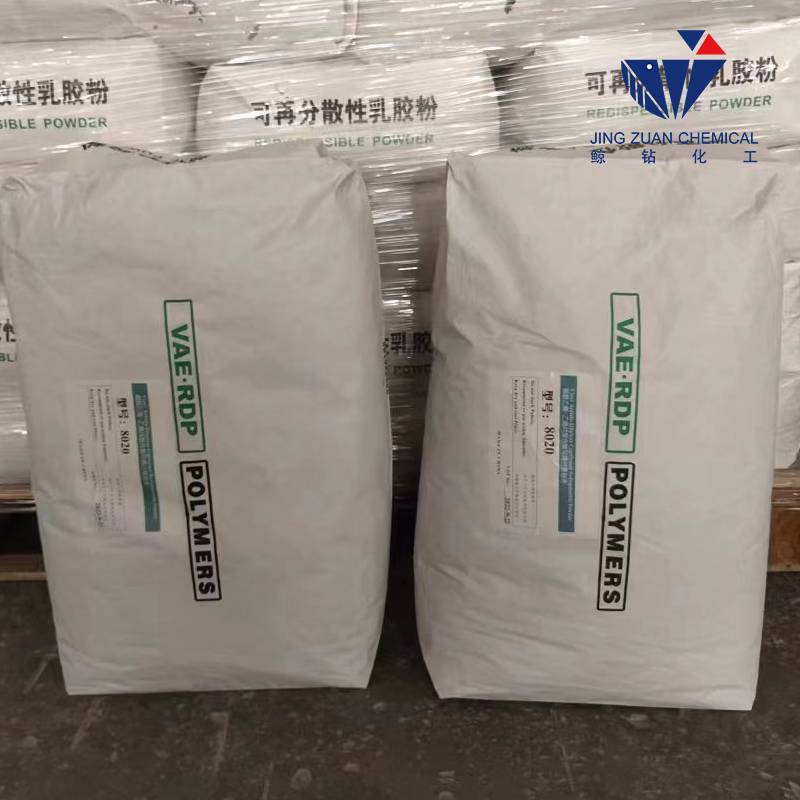
- Sieving and Packaging: The powder undergoes final sieving to ensure uniform particle size and remove any remaining aggregates, followed by packaging in moisture-proof bags to maintain product integrity.
Testing Standards and Quality Assurance: Throughout the manufacturing process, strict adherence to international standards such as ISO 9001 for quality management and rigorous internal testing ensures product consistency and performance. Key parameters tested include solid content, ash content, bulk density, minimum film-forming temperature (MFFT), and redispersibility. The resulting redispersible powder offers an extended shelf life, typically 12-24 months under proper storage conditions.
Target Industries & Advantages: While the direct application of vae powder is in construction materials, these materials are subsequently deployed across critical infrastructure. For instance, in the construction of facilities for petrochemical, metallurgy, and water supply & drainage sectors, VAE-modified mortars ensure enhanced corrosion resistance, superior adhesion to diverse substrates (e.g., steel, concrete), and increased durability against harsh environmental conditions. The improved bond strength and flexibility offered by VAE polymers contribute to energy saving by enabling more durable and efficient insulation systems, thus reducing maintenance costs and extending the service life of structures.
Technical Specifications of RDP (VAE Powder)
The technical efficacy of vae powder is defined by a precise set of parameters, each contributing to its performance in various applications. Understanding these specifications is crucial for formulators and engineers to select the appropriate grade of rdp polymer for their specific needs.
| Parameter | Unit | Value Range | Test Method |
|---|---|---|---|
| Solid Content | % | ≥ 98.0 | ISO 3251 |
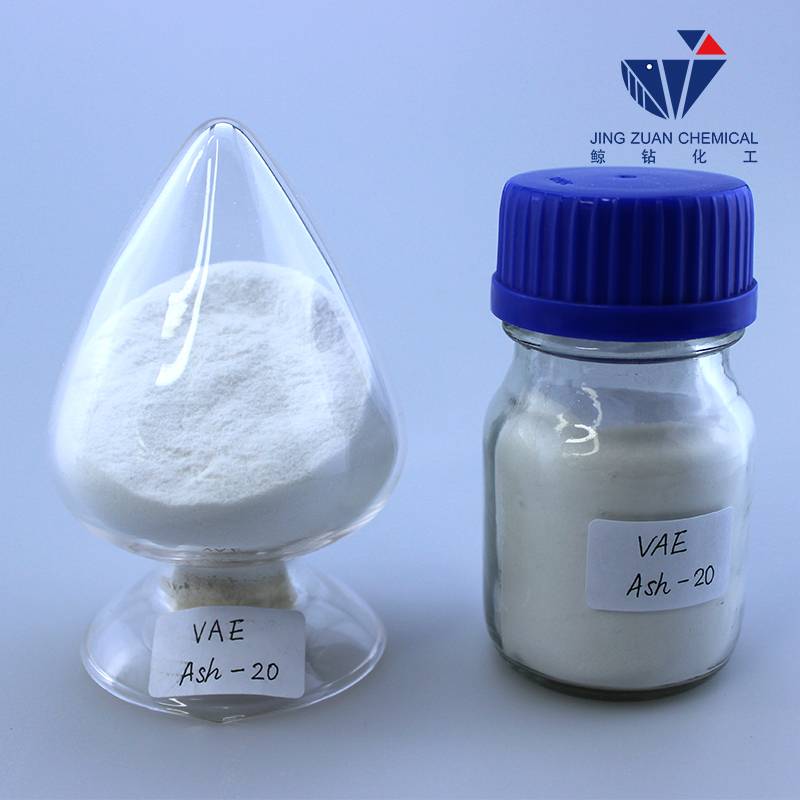
| Ash Content (at 800°C) | % | 8 - 15 | ISO 1625 |
| Bulk Density | g/L | 450 - 600 | DIN EN 543 |
| Particle Size (D50) | µm | 80 - 150 | Laser Diffraction |
| pH Value (10% solution) | - | 6.0 - 8.0 | ISO 1146 |
| Minimum Film Forming Temperature (MFFT) | °C | 0 - 10 | ISO 2115 |
| Glass Transition Temperature (Tg) | °C | -5 to +15 | DSC |
These parameters collectively dictate the final performance of the modified mortar or adhesive. For instance, a lower MFFT indicates greater flexibility, crucial for crack bridging and deformable adhesives, while ash content provides insight into the inorganic content (e.g., anti-caking agents).
Application Scenarios of VAE Powder
The versatility of vae powder makes it indispensable across a broad spectrum of construction chemical applications. Its ability to enhance crucial properties has led to its widespread adoption in products that demand superior performance and durability.
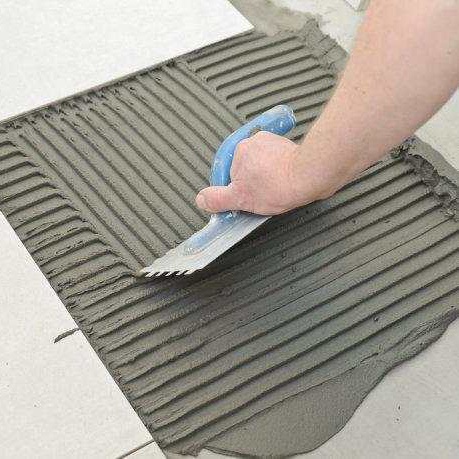
- Tile Adhesives (C1/C2 Grades): VAE powder significantly improves bond strength, flexibility, and water resistance, crucial for adhering ceramic, porcelain, and natural stone tiles, especially in wet areas or over challenging substrates. It allows for C2-grade performance (enhanced cementitious adhesives) under EN 12004.
- Self-Leveling Compounds (SLCs): Incorporating rdp polymer enhances flow properties, reduces shrinkage, and improves abrasion resistance, leading to perfectly level, durable floor surfaces.
- External Thermal Insulation Composite Systems (ETICS/EIFS): It improves the adhesion of insulating boards (EPS, mineral wool) to the substrate and the mechanical strength and flexibility of base coats, preventing cracks and ensuring long-term thermal performance.
- Skim Coats and Wall Putties: Provides excellent adhesion to various wall surfaces, improves workability, reduces cracking, and ensures a smooth, durable finish.
- Repair Mortars: Enhances bonding to old concrete, increases compressive and flexural strength, and improves impermeability, making repairs more durable and effective.
- Waterproofing Membranes: When combined with hydraulic binders, vae powder contributes to highly flexible and waterproof slurries used in bathrooms, balconies, and basements.
- Grout and Joint Fillers: Improves flexibility, abrasion resistance, and reduces water absorption, preventing staining and ensuring durable, aesthetic joints.
In each of these scenarios, the presence of this high-quality redispersible powder transforms the performance profile, allowing for greater design flexibility, enhanced structural integrity, and prolonged service life of the finished application.
Technical Advantages of VAE Powder
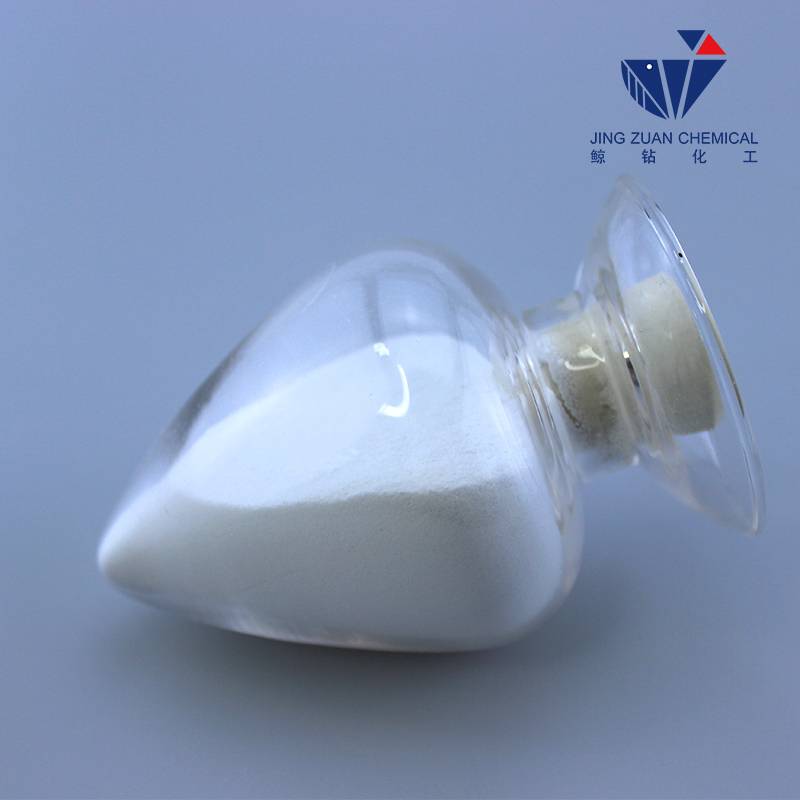
The incorporation of vae powder into dry-mix formulations imparts a multitude of technical advantages that are critical for high-performance construction and industrial materials:
- Enhanced Adhesion: Significantly improves the bond strength to various substrates (concrete, masonry, wood, insulation boards), including difficult-to-bond surfaces, ensuring superior long-term stability.
- Increased Flexibility and Elasticity: Reduces the modulus of elasticity, making mortars more flexible and capable of accommodating thermal expansion/contraction and substrate movements, thus preventing cracking and delamination.
- Improved Water Resistance: Forms a hydrophobic film within the mortar matrix, reducing water absorption and enhancing resistance to moisture penetration, crucial for external and wet area applications.
- Superior Workability: Acts as a rheology modifier, improving the consistency, spreadability, and open time of mortars, leading to easier application and higher productivity on-site.
- Higher Cohesion and Reduced Sag: Increases the internal cohesion of the mortar, preventing sag in vertical applications and improving structural stability.
- Enhanced Durability and Abrasion Resistance: The polymer film reinforces the mortar, increasing its resistance to wear, impact, and chemical attack, leading to a longer service life.
- Crack Bridging Capabilities: Due to its flexibility, the rdp polymer can bridge hairline cracks that may develop in the substrate or the mortar itself, maintaining integrity.
These combined attributes elevate the performance of dry-mix formulations, providing robust, long-lasting solutions that meet stringent industry standards and client expectations for quality and reliability.
Vendor Comparison and Customization Solutions
Selecting the right supplier for vae powder is crucial for ensuring the consistent quality and performance of end products. Vendors differentiate themselves not only on price but also on product quality, technical support, certifications, and the ability to provide customized solutions.
| Feature/Vendor | Vendor A (e.g., CNJZ Chemical) | Vendor B (Competitor) | Vendor C (Specialty) |
|---|---|---|---|
| Primary Focus | Broad application RDP, Cost-effective | High-end, specialized RDP | Standard & modified grades |
| MFFT Range (°C) | 0 to +8 | -5 to +10 | +2 to +15 |
| Adhesion Strength (MPa, C2) | ≥ 1.0 | ≥ 1.5 | ≥ 0.8 |
| Flexibility (Elasticity) | Good | Excellent | Standard |
| Water Absorption Reduction | Significant | Very Significant | Moderate |
| Certifications | ISO 9001, REACH | ISO 9001, CE, LEED | ISO 9001 |
| Customization Offered | Yes, formulation support | Extensive R&D for bespoke grades | Limited, standard variations |
Customized Solutions: Leading manufacturers of redispersible powder, like CNJZ Chemical, understand that off-the-shelf solutions may not always suffice. They offer tailored vae powder solutions based on specific project requirements, geographic climate conditions, or performance demands. This customization often involves adjusting the polymer composition, molecular weight, protective colloid type, or anti-caking agent to optimize parameters such as:
- Targeted Flexibility: For highly deformable systems.
- Enhanced Water Repellency: For extreme weather exposure.
- Optimized Open Time and Workability: For specific application methods or rapid construction.
- Improved Adhesion to Challenging Substrates: E.g., non-porous surfaces or existing coatings.
Such bespoke solutions ensure that clients achieve peak performance, minimize waste, and secure a competitive edge in their respective markets.
Application Case Studies
Real-world applications highlight the transformative impact of high-quality vae powder. These examples demonstrate how incorporating this rdp polymer leads to superior project outcomes.
Case Study 1: High-Rise Residential Complex – Tile Adhesives
- Challenge: A developer needed a tile adhesive for a new high-rise complex, capable of bonding large-format tiles to diverse substrates (concrete, plasterboard) with high flexibility to accommodate structural movement and excellent water resistance for bathrooms and balconies.
- Solution: A C2TES1-grade tile adhesive formulated with a specific CNJZ Chemical vae powder (RDP-H501) known for its high flexibility and strong adhesion was utilized.
- Result: The adhesive provided exceptional initial grab, long open time, and cured to form a highly flexible, water-resistant bond. After 3 years, there have been no instances of tile debonding or cracking, even in areas with significant temperature fluctuations. Customer feedback highlighted ease of application and reduced rework.
Case Study 2: Industrial Warehouse Flooring – Self-Leveling Mortar
- Challenge: An industrial warehouse required a highly durable, abrasion-resistant, and perfectly level flooring solution to withstand heavy forklift traffic and chemical spills. Traditional cementitious mortars often showed shrinkage cracks and poor wear resistance.
- Solution: A self-leveling compound (SLC) was designed using a modified redispersible powder (RDP-S703) optimized for flow, reduced shrinkage, and enhanced surface hardness.
- Result: The flooring achieved exceptional flatness, zero shrinkage cracks, and superior resistance to abrasion and impact. The project significantly reduced installation time due to the excellent flow characteristics, leading to a 20% cost saving on labor compared to previous projects.
Commitment to Quality and Trust (Google )
Our dedication to delivering superior vae powder is underpinned by stringent adherence to quality, transparency, and robust customer support. We understand that for B2B decision-makers and engineers, trustworthiness, expertise, and authoritativeness are paramount.
Authoritativeness and Certifications:
- ISO 9001:2015 Certified: Our manufacturing facilities and processes are certified to ISO 9001:2015, ensuring consistent product quality and reliable management systems.
- REACH Compliance: All our rdp polymer products comply with European REACH regulations, demonstrating our commitment to environmental and human health safety.
- Industry Partnerships: We collaborate with leading research institutions and construction chemical formulators globally, fostering innovation and ensuring our products remain at the forefront of technology.
- Extensive Experience: With over 15 years in the specialty chemical industry, CNJZ Chemical has accumulated unparalleled expertise in polymer synthesis and application.
Trustworthiness and Support:
- Lead Time & Fulfillment: We maintain robust supply chain logistics, typically ensuring lead times of 7-14 business days for standard orders, with expedited options available for urgent requirements. Our global distribution network guarantees efficient and timely delivery.
- Warranty Commitments: All our redispersible powder products come with a standard 12-month warranty from the date of manufacture, covering material defects when stored and used according to our recommendations. Extended warranties can be negotiated for large-scale projects.
- Customer Support: Our dedicated technical support team comprises experienced chemical engineers ready to provide in-depth product guidance, formulation advice, and troubleshooting assistance. We offer pre-sales consultation, during-sales support, and comprehensive after-sales service via phone, email, and on-site visits where feasible.
Frequently Asked Questions (FAQ) about VAE Powder
Q1: What is the primary function of vae powder in dry-mix mortars?
A1: Its primary function is to enhance adhesion, flexibility, and water resistance of cement-based and gypsum-based mortars. Upon re-dispersion in water, it forms a polymer film that binds mortar particles together and improves the bond to substrates.
Q2: Is vae powder suitable for outdoor applications?
A2: Yes, absolutely. High-quality rdp polymer significantly improves the weatherability and frost resistance of mortars, making them ideal for exterior renders, ETICS base coats, and outdoor tile adhesives.
Q3: How does redispersible powder impact the workability of mortar?
A3: It improves workability by enhancing the plasticity and open time of the mortar, allowing for easier spreading, longer adjustment periods, and a smoother finish. It also reduces stickiness and improves sag resistance.
Q4: What is the recommended storage condition for vae powder?
A4: It should be stored in its original sealed packaging, in a cool, dry place (below 30°C/86°F) and protected from direct sunlight and moisture. Under these conditions, it typically has a shelf life of 12-24 months.
Q5: Can vae powder be used with other additives?
A5: Yes, it is typically formulated with other dry-mix additives such as cellulose ethers, defoamers, and superplasticizers to achieve specific performance profiles. Our technical team can provide guidance on optimal additive combinations.
Conclusion
The continuous evolution of construction and industrial material science has positioned vae powder as a pivotal component in achieving superior performance, durability, and sustainability. As a versatile rdp polymer, its ability to impart enhanced adhesion, flexibility, and water resistance to a multitude of dry-mix formulations is unmatched. By leveraging advanced manufacturing processes, adhering to rigorous testing standards, and offering comprehensive technical support and customized solutions, suppliers like CNJZ Chemical ensure that clients receive high-quality redispersible powder that consistently meets and exceeds industry expectations. The strategic integration of vae powder into modern formulations is not merely an additive choice but a fundamental step towards creating more resilient, efficient, and long-lasting infrastructure for the future.
References
- European Committee for Standardization. (2007). EN 12004: Adhesives for tiles - Requirements, evaluation of conformity, classification and designation.
- ASTM International. (2012). ASTM D5891: Standard Test Method for Water Absorption of Plastic Films.
- Wacker Chemie AG. (2018). VINNAPAS Redispersible Polymer Powders: Product Guide for Dry Mortars.
- Celanese Corporation. (2020). VAE Emulsions & Powders for Construction.
- Grand View Research. (2022). Redispersible Polymer Powder Market Size, Share & Trends Analysis Report.
-
Understanding Hydroxypropyl Methyl Cellulose MSDS Safety and Compliance
NewsApr.16,2026
-
Understanding the Hydroxypropyl Methyl Cellulose HS Code for Global Trade
NewsApr.09,2026
-
Comprehensive Guide to Hydroxypropyl Methyl Cellulose CAS Number and Applications
NewsApr.07,2026
-
Comprehensive Guide to Hydroxypropyl Methyl Cellulose cas no and its Diverse Applications
NewsApr.04,2026
-
Comprehensive Guide to Hydroxypropyl Methyl Cellulose Manufacturers and Applications
NewsMar.31,2026
-
Understanding Hydroxypropyl Methyl Cellulose Properties And Diverse Applications
NewsMar.28,2026