
Dec . 13, 2025 22:55 Back to list
How to Dissolve HPMC in Water – Techniques, Factors & Global Applications | CNJZ Chemical
Unlocking the Secrets: How to Dissolve HPMC in Water and Why It Matters
Cellulose ethers, especially Hydroxypropyl Methylcellulose (HPMC), are the unsung heroes behind many industrial and consumer products we use daily. But here’s the catch — before you can enjoy their magic, you have to solve a somewhat quirky puzzle: how to dissolve HPMC in water properly. It might sound trivial, but getting this step right impacts everything from construction additives to pharmaceuticals and even food products worldwide.
Understanding how to dissolve HPMC in water is more than a lab procedure. It’s a key to unlocking efficiency, quality, and sustainability in industries that support billions globally. Plus, with growing environmental concerns and tighter regulations from organizations like ISO and UN agencies, mastering this process is becoming crucial to innovate responsibly and economically.
The Global Context: Why Knowing How to Dissolve HPMC in Water Is a Big Deal
HPMC is everywhere — from your kitchen to construction sites in remote parts of the world. The global cellulose ethers market size was valued at over $1.5 billion in 2023 and is expected to grow steadily, driven by expanding applications and innovations. The UN’s sustainable development goals indirectly lean on materials like HPMC for safer water purification, improved hygiene, and green construction solutions.
Yet, a significant challenge remains. HPMC, being a polymeric powder, does not simply dissolve like sugar or salt. Incorrect hydration often leads to lumps or incomplete dissolution, compromising product quality and throwing a wrench into industrial processes. As industries and humanitarian groups alike seek better, safer, and more scalable solutions, understanding how to dissolve HPMC in water correctly helps overcome bottlenecks and reduces waste.
What Exactly Does ‘How to Dissolve HPMC in Water’ Mean?
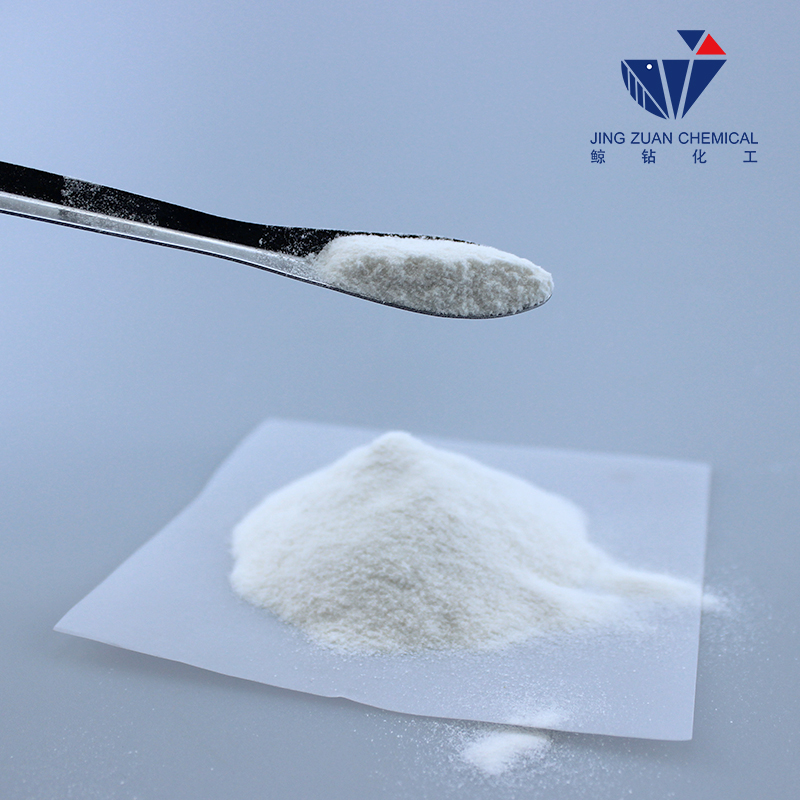
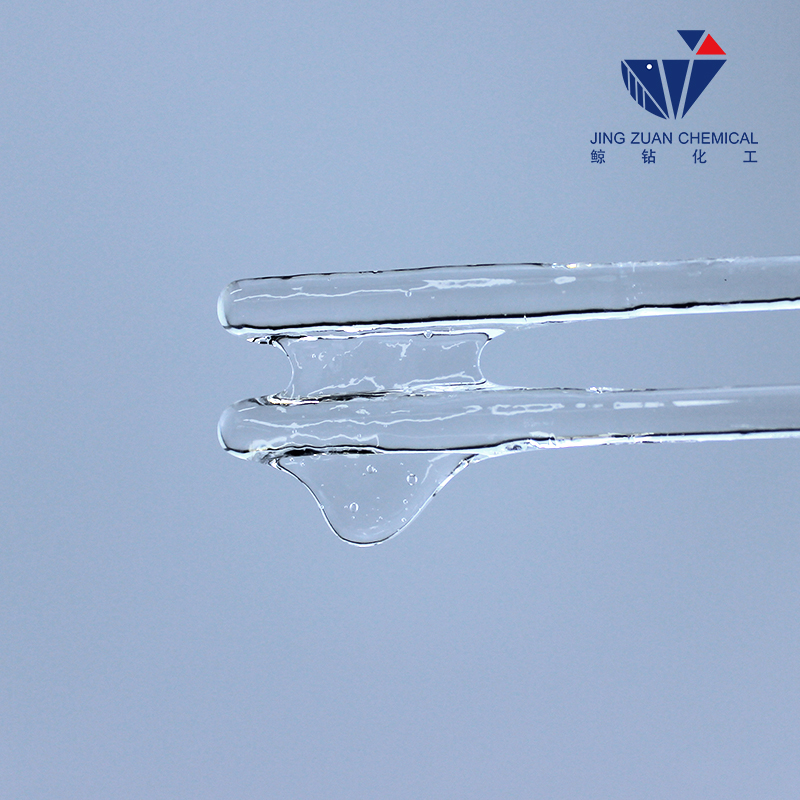
In simple terms, “how to dissolve HPMC in water” means the process of mixing dry Hydroxypropyl Methylcellulose powder with water to create a stable, homogenous solution or gel without lumps or undissolved residues. HPMC is a non-ionic, water-soluble cellulose ether, which behaves a bit differently from typical soluble powders because it swells before fully dissolving.
The resulting HPMC solution has unique thickening, emulsifying, and film-forming properties. These are incredibly useful in sectors like:
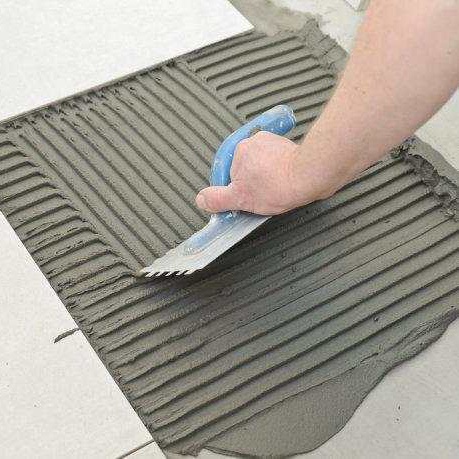
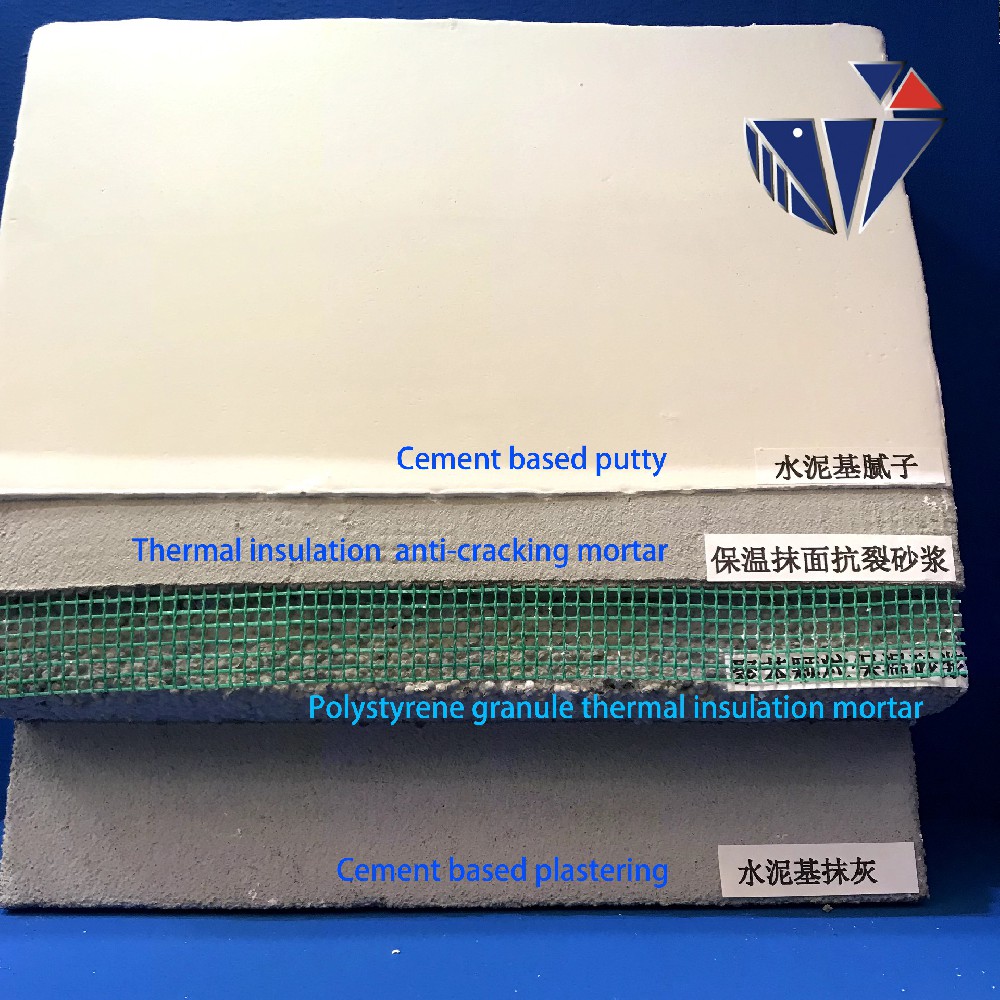
- Construction (as a mortar or plaster thickener)
- Pharmaceuticals (controlled-release drug coatings)
- Food (gluten-free baking aids)
- Cosmetics (stabilizers and moisturizers)
In real terms, mastering how to dissolve HPMC in water affects product consistency, lifecycle, and environmental impact — making it a modern industrial necessity.
Core Factors for Successful Dissolution of HPMC
1. Water Temperature
Water temperature plays a starring role. Typically, cold to lukewarm water (between 20 - 40°C) is optimal to prevent premature gelling or clumping. Hot water risks instant hydration of the surface, creating gels that trap dry powder inside.
2. Mixing Speed and Method
Mechanical agitation with moderate shear is key. Too little agitation, and lumps form. Too much, and air bubbles get trapped, altering solution properties. Many engineers prefer slow initial stirring followed by gradual speed increase.
3. Powder Addition Rate
Add slowly to water, preferably sprinkling evenly rather than dumping all at once. This prevents “fish eyes,” tough lumps with a watery core — a big no-no in consistency.
4. pH and Water Quality
Neutral pH water is generally best. High alkalinity or hardness can alter dissolution times, so many labs test before mixing, especially when using untreated natural water sources.
5. HPMC Grade and Particle Size
Different HPMC types have varying viscosity grades and substitution patterns. Lower viscosity grades dissolve faster but may deliver less thickening. Matching grade to application is a subtle art.
| Specification | Typical Range | Notes |
|---|---|---|
| Water Temperature for dissolution | 20-40°C (68-104°F) | Avoid hot water to prevent lumping |
| Mixing Speed | Moderate shear (150-300 rpm) | Gradually increase speed |
| pH Range | 6.5-8.5 | Neutral water preferred |
| HPMC Grade | Low to high viscosity | Depends on final product needs |
Real-World Applications: Where Proper HPMC Dissolution Makes a Difference
Industries across continents rely on effective HPMC dissolution:
- Construction: In cold climates like northern Europe and Canada, well-dissolved HPMC additives improve mortar workability and freeze-thaw resistance.
- Pharmaceuticals: Controlled-release drug coatings demand precise HPMC solutions — e.g., in the U.S., companies leverage this for generic and brand formulations.
- Food Industry: Food manufacturers in China and India use HPMC to stabilize gluten-free doughs or vegan cheeses, where uniform dissolution ensures texture.
- Cosmetics: European cosmetic companies rely on HPMC gels as natural moisturizers, requiring clean, lump-free solutions.
- Humanitarian Relief: In post-disaster water purification packets or hygiene products, proper dissolution ensures effectiveness and safety.
Oddly enough, many NGO projects abroad wrestle with inconsistent water qualities, which complicate how to dissolve HPMC in water effectively. Knowing the tweaks can make or break relief efforts.
Advantages and Long-Term Value of Mastering HPMC Dissolution
- Cost Efficiency: Proper dissolution reduces waste and rework, saving materials and energy.
- Sustainability: Minimizes chemical additives and optimizes water use — key as industries pivot toward greener practices.
- Product Reliability: Consistent HPMC solutions mean predictable performance, enhancing user trust.
- Safety and Quality: In pharmaceuticals and food, uniform dissolution protects consumer health and product integrity.
- Innovation Potential: Mastery over dissolution opens doors to experimenting with new formulations and eco-friendly alternatives.
It’s not just abstract benefits. They translate into safer homes, better medicines, and environmentally sound manufacturing. And oddly enough, I’ve found that when manufacturers truly understand how to dissolve HPMC in water, it feels like they’re uncovering a secret ingredient for future-proofing their business.
Emerging Trends and Innovations
The world of cellulose ethers is evolving. Here are some buzzworthy directions related to dissolving HPMC:
- Green Chemistry: New HPMC grades designed for faster dissolution at lower temperatures, using less energy.
- Digital Mixing Controls: Automation and sensors optimize mixing speed, powder addition, and temperature in real-time.
- Biodegradable Alternatives: Research into blends of HPMC with natural polymers to improve environmental footprint.
- Customized Products: Tailored viscosity and substitution grades matching specific industry needs, easing dissolution complexity.
In some ways, these advances reflect broader digital transformation and sustainability goals — but also hint at a richer relationship between human know-how and material science.
Challenges in Dissolving HPMC and How to Overcome Them
Despite the progress, there are common hurdles:
- Lump Formation: Happens with rapid powder addition or hot water.
- Water Quality Variance: Hard or alkaline water changes dissolution behavior.
- Mixing Limitations: Smaller-scale producers often lack precise agitators.
Solutions are quite practical:
- Train operators on correct mixing sequences and powder dosing.
- Test and condition water before use if possible.
- Adopt scaled mixing technologies — many vendors offer modular dissolvers.
- Choose HPMC grades tailored for ease of dissolution in tough conditions.
Comparing Popular HPMC Vendors
| Vendor | HPMC Grades Offered | Dissolution Ease | Price Range (per kg) | Global Reach |
|---|---|---|---|---|
| Ashland Inc. | Low to high viscosity | High – well-documented protocols | $14 - $28 | Worldwide |
| Dow Chemicals | Standard viscosity | Medium – recommended exact temp control | $13 - $26 | Global |
| J&K Chemical | Custom grades available | High – specialized low temperature grades | $12 - $25 | Asia and expanding |
FAQ: Your Top Questions on How to Dissolve HPMC in Water
Q1: Why does my HPMC solution form lumps when dissolved?
Lumps, or “fish eyes,” occur when powder clumps hydrate on the surface before fully mixing. This usually happens if the powder is added too quickly or to hot water. To avoid this, sprinkle HPMC slowly into lukewarm water while stirring moderately.
Q2: Can I use tap water directly for dissolving HPMC?
It depends on the water quality. Hard water with high mineral content or alkaline pH can slow dissolution or affect solution stability. If unsure, test pH and hardness or pre-treat water, especially for sensitive applications.
Q3: How long does it typically take to dissolve HPMC completely?
Generally, dissolution can take from 30 minutes up to a couple of hours depending on grade, temperature, and mixing. Patience pays off — rushing leads to improper hydration and lumps.
Q4: Can I use mechanical mixers from other industries for dissolving HPMC?
Yes, but with caution. Proper mixing speed and shear are essential. Ideally, use agitated tanks or paddles designed for polymers. Overly vigorous mixing might trap air or degrade the polymer.
Q5: Are there alternatives to HPMC if dissolution is too challenging?
Other cellulose ethers exist (e.g., hydroxyethyl cellulose), but each has unique dissolution characteristics. Choosing a different grade or supplier might be the best initial approach.
Wrapping It Up: Why Mastering How to Dissolve HPMC in Water Is More Than Technical Fuss
From what I’ve seen and heard in the field, the art of dissolving HPMC in water isn’t just a lab skill—it’s a cornerstone of reliable, sustainable industrial chemistry. It supports better construction materials, safer medicines, and even innovations in food and cosmetics. Increasingly, the ability to dissolve HPMC efficiently feeds into global goals: reducing waste, improving safety, and enabling new technologies.
If you’re curious or working with HPMC, don’t let that powder intimidate you. Spend time understanding the water quality, temperature, and mixing specifics — all that pays off in smoother workflows and stronger products. For more detailed guidance and quality HPMC products, how to dissolve hpmc in water is a great place to start exploring.
-
Understanding Hydroxypropyl Methyl Cellulose MSDS Safety and Compliance
NewsApr.16,2026
-
Understanding the Hydroxypropyl Methyl Cellulose HS Code for Global Trade
NewsApr.09,2026
-
Comprehensive Guide to Hydroxypropyl Methyl Cellulose CAS Number and Applications
NewsApr.07,2026
-
Comprehensive Guide to Hydroxypropyl Methyl Cellulose cas no and its Diverse Applications
NewsApr.04,2026
-
Comprehensive Guide to Hydroxypropyl Methyl Cellulose Manufacturers and Applications
NewsMar.31,2026
-
Understanding Hydroxypropyl Methyl Cellulose Properties And Diverse Applications
NewsMar.28,2026