
Jan . 02, 2026 06:25 Back to list
HPMC Full Form & Industrial Uses | Hydroxypropyl Methylcellulose Explained
What Is the HPMC Full Form and Why It Matters in Industrial Applications
Working in the industrial equipment sector for over a decade, one acronym that often pops up—sometimes from unexpected corners—is HPMC. Now, if you’re scratching your head wondering what the HPMC full form is, I’ll clear that up first: Hydroxypropyl Methylcellulose. It might sound like a mouthful, but this biopolymer plays a surprisingly versatile role across a variety of industrial products.
Honestly, the utility of HPMC is often underestimated outside of specialist circles. It’s a chemically modified cellulose, which means it’s derived from natural plant fibers, but engineered to have properties that are well-suited for construction, pharmaceuticals, food applications, and more. The reason I find HPMC fascinating, aside from its technical traits, is how it bridges nature and tech in an elegant but practical way.
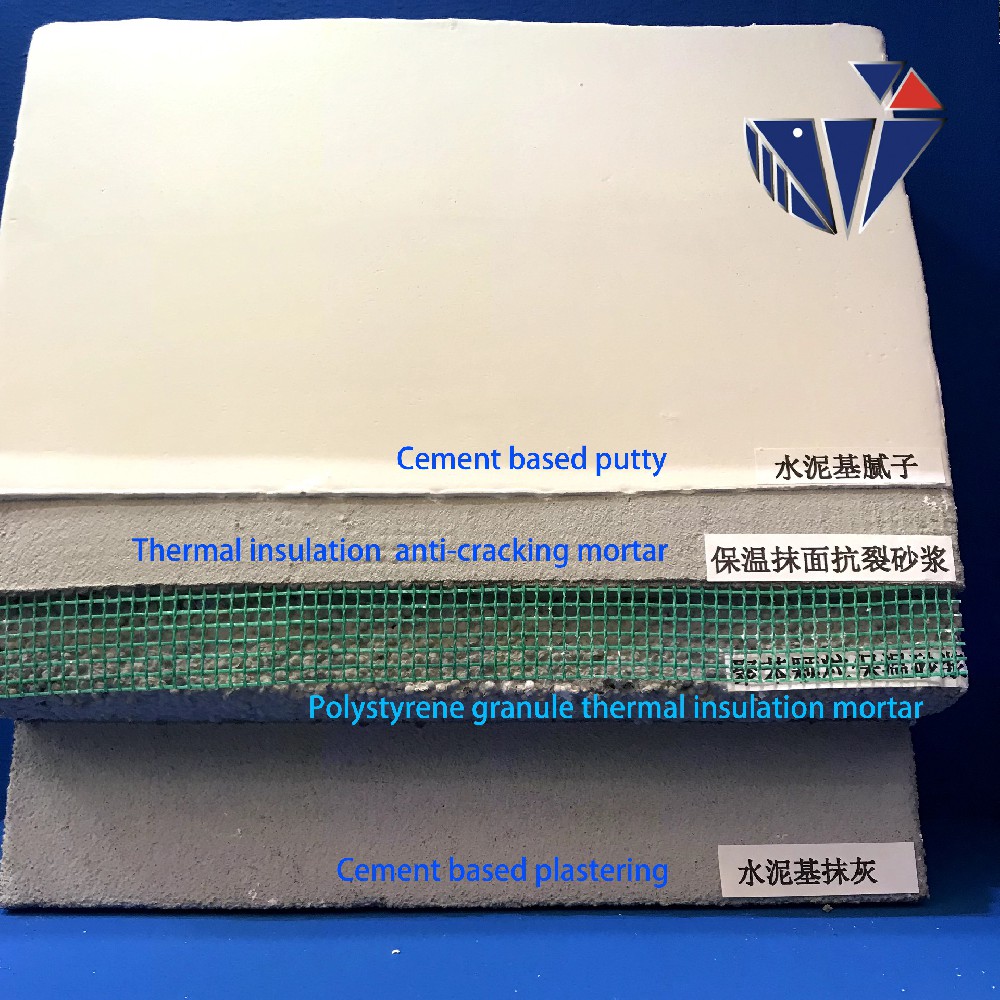
From my experience, many engineers and product developers will turn to HPMC when they need a reliable thickening agent, stabilizer, or film former. In the construction industry, for example, it enhances workability in cement or tile adhesives — odd, but true, how a small additive can drastically improve the final material’s texture and drying time. It really shines by improving water retention and adhesion, which are often the Achilles’ heel of many formulations.
And then, there’s the customization aspect. HPMC can be tailored by varying the degree of substitution and molecular weight, adapting it for different viscosities or solubilities. This means formulators aren’t locked into one-size-fits-all; instead, they can kind of tweak the polymer to fit the technical requirements and environmental conditions faced on the job site or production line.
Here’s a quick spec rundown to give you a feel for what makes HPMC stand out:
| Property | Typical Value | Description |
|---|---|---|
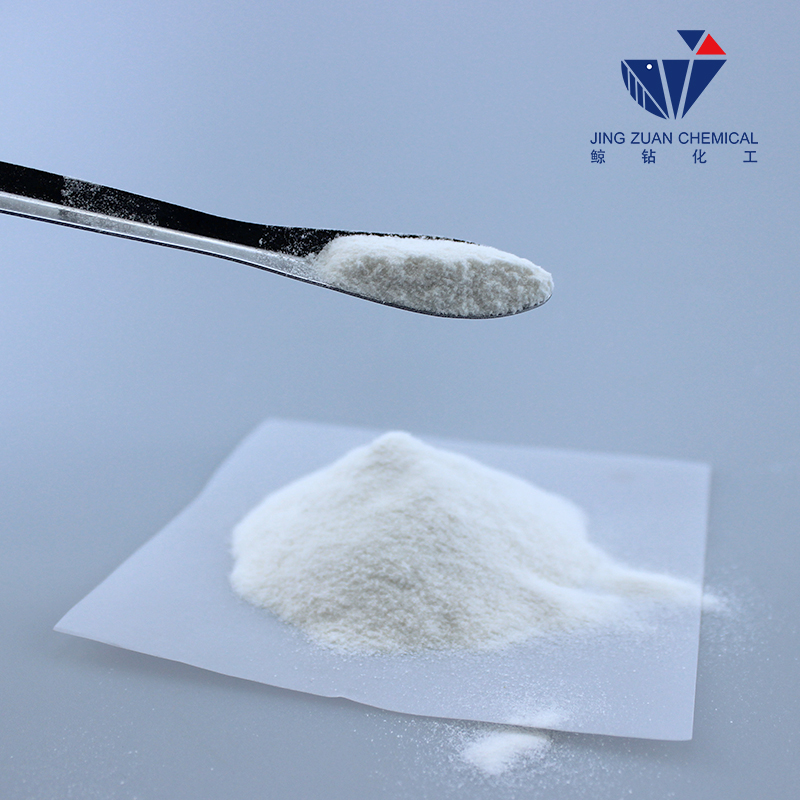
| Appearance | White Powder | Fine, non-toxic, odorless |
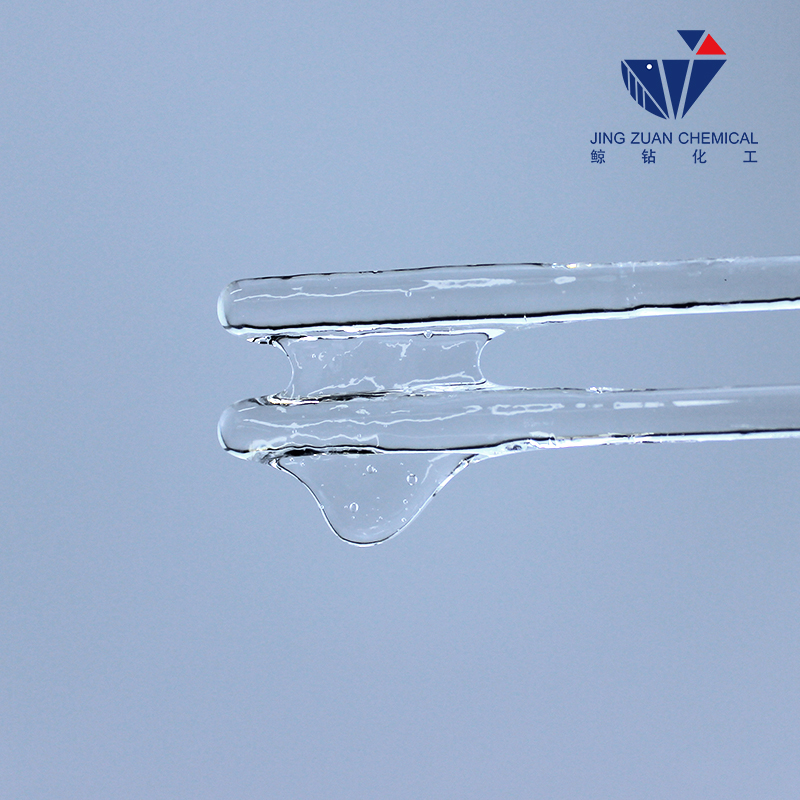
| Viscosity (2% solution, 25°C) | 1000 - 15000 mPa·s | Varies by grade, controls thickness |
| pH Range (1% solution) | 5.0 - 8.0 | Relatively neutral |
| Solubility | Cold water soluble | Enables easy formulation |
| Density | 1.27 g/cm³ | Typical bulk density |
Now, choosing the right HPMC supplier can be a bit of a minefield, because, frankly, product quality varies and so do service levels. Here’s a simple vendor comparison to keep in mind:
| Vendor | Purity (%) | Grade Variety | Typical Lead Time | Pricing |
|---|---|---|---|---|
| CNJZ Chemical | > 98% | Multiple (adhesive, pharma, food) | 7-10 days | Competitive |
| Vendor B | 95-97% | Limited | 10-15 days | Higher |
| Vendor C | ~ 96% | Standard grades only | 7-12 days | Moderate |
In real terms, it’s these factors that determine whether your application performs as expected or ends up causing headaches. I remember working with a tile adhesive manufacturer who switched to CNJZ’s HPMC grades and saw not only improved viscosity control but also a noticeable boost in product shelf life. Simple tweaks, but they made all the difference.
To wrap it up, whether you’re formulating a high-performance adhesive, a pharmaceutical coating, or even a food thickener, understanding the HPMC full form is pretty much the starting point. It’s an ingredient that quietly powers a surprising number of products you may never even realize you rely on.
That said, it pays to get familiar with your supplier options and test batches carefully—because even the same polymer can behave differently depending on its source and grade. So, if you ever find yourself elbow-deep in formulation work, keep HPMC in your toolbox; it’s a versatile helper with natural roots but high-tech results.
At the end of the day, the blend of natural origin and engineered versatility is what makes Hydroxypropyl Methylcellulose a classic yet futuristic industrial star.
References:
1. CNJZ Chemical Product Guide, 2024
2. Industrial Polymers Handbook, 3rd Ed., 2019
3. Personal experience and client case studies, 2015-2023
-
Understanding Hydroxypropyl Methyl Cellulose MSDS Safety and Compliance
NewsApr.16,2026
-
Understanding the Hydroxypropyl Methyl Cellulose HS Code for Global Trade
NewsApr.09,2026
-
Comprehensive Guide to Hydroxypropyl Methyl Cellulose CAS Number and Applications
NewsApr.07,2026
-
Comprehensive Guide to Hydroxypropyl Methyl Cellulose cas no and its Diverse Applications
NewsApr.04,2026
-
Comprehensive Guide to Hydroxypropyl Methyl Cellulose Manufacturers and Applications
NewsMar.31,2026
-
Understanding Hydroxypropyl Methyl Cellulose Properties And Diverse Applications
NewsMar.28,2026