
Mar . 04, 2026 02:15 Back to list
HPMC Hydroxypropyl Methylcellulose A Comprehensive Guide to Properties and Uses
HPMC Hydroxypropyl Methylcellulose: A Comprehensive Guide
Hydroxypropyl methylcellulose (HPMC) is a versatile cellulose ether derivative widely used across various industries, including construction, pharmaceuticals, food, and personal care. Its unique properties—such as thickening, binding, film-forming, and water retention—make it an invaluable ingredient in diverse applications. Understanding its characteristics and applications is crucial for optimizing product performance and achieving desired results. We at CNJZ Chemical are dedicated to providing high-quality HPMC solutions tailored to your specific needs. Learn more about our HPMC products today.
Understanding HPMC: Properties and Characteristics
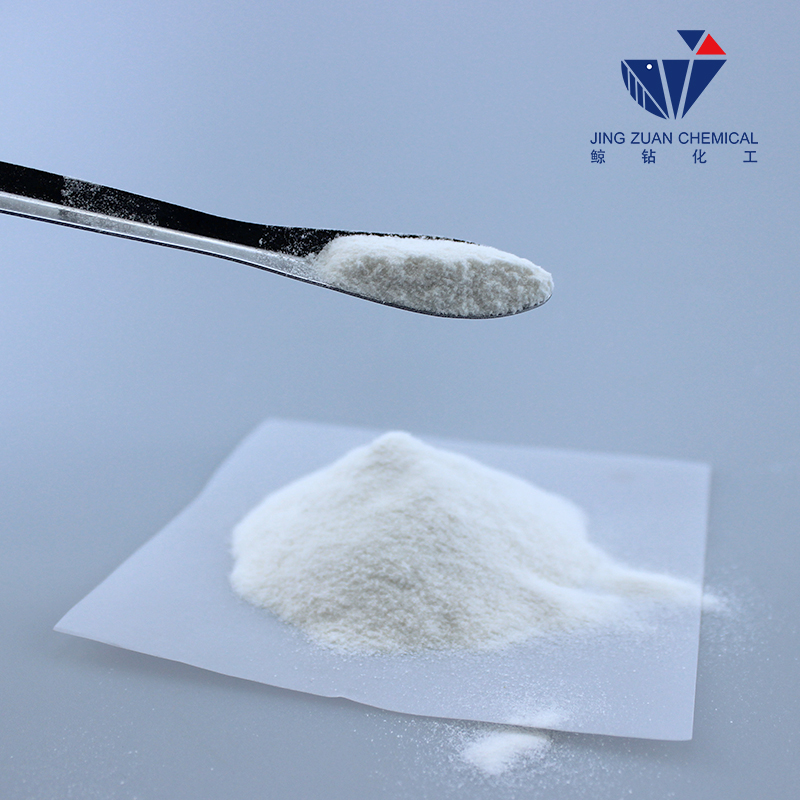
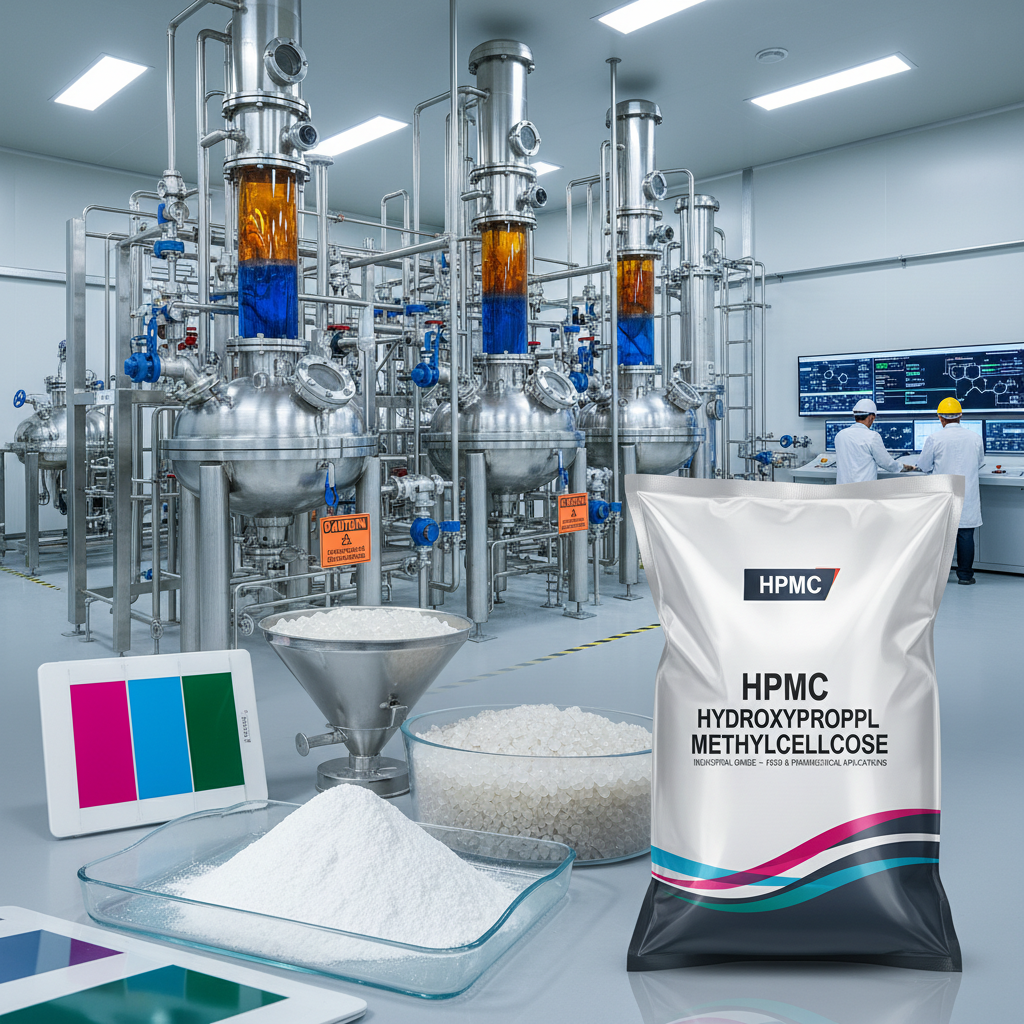
HPMC is a non-ionic, water-soluble polymer produced by chemically modifying cellulose. This modification introduces hydroxypropyl and methyl groups, granting HPMC its distinctive properties. The degree of substitution (DS) – the average number of substituent groups per glucose unit – significantly influences its solubility, gelation temperature, and other attributes. Key characteristics include excellent thermal gelation (meaning it forms a gel upon heating), surface activity, and compatibility with a wide range of polymers and resins. It’s also odorless, tasteless, and non-toxic, making it safe for use in food and pharmaceutical applications.
Key Highlights: Excellent thermal gelation, surface activity, compatibility with various polymers, and non-toxic nature make HPMC a versatile ingredient.
Applications of HPMC in the Construction Industry
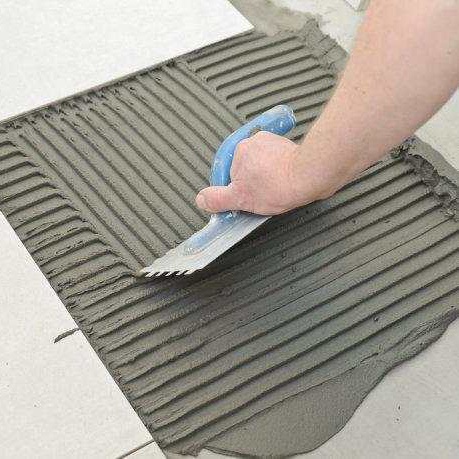
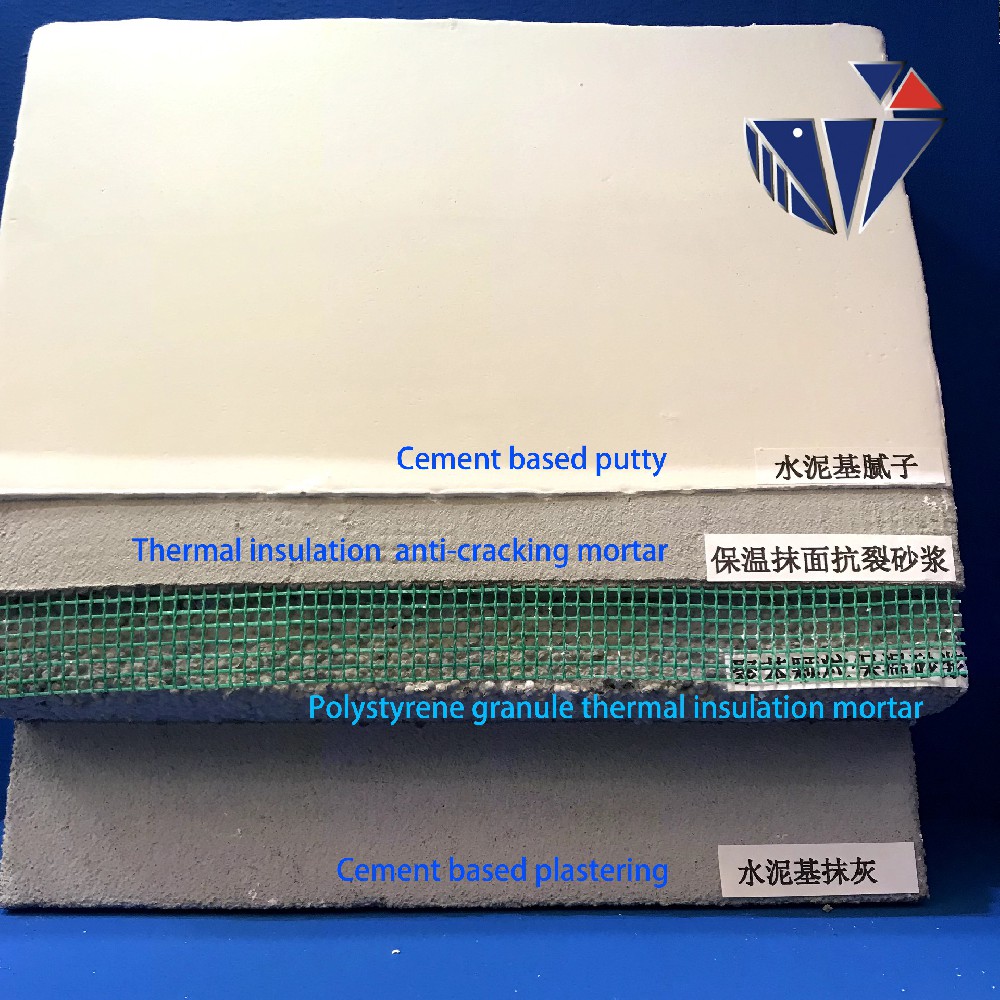
In the construction sector, HPMC is primarily utilized as a cement and gypsum-based material additive. It dramatically improves workability, adhesion, and water retention of mortars, tile adhesives, and renders. This prevents rapid water loss, ensuring proper hydration of the cement and resulting in increased strength and durability. It also reduces sagging, enhancing the application properties of these materials. Furthermore, HPMC contributes to improved open time, allowing for easier adjustments during application. CNJZ Chemical’s construction-grade HPMC is specifically formulated to meet the demanding requirements of modern building projects.
Construction Benefits:
• Enhanced workability and adhesion
• Improved water retention
• Reduced sagging and increased open time
• Increased strength and durability
HPMC Grades & Viscosity Comparison
HPMC is available in a range of viscosity grades, typically measured in millipascal-seconds (mPa·s). Different applications require different viscosities to achieve the desired texture and performance. Lower viscosity grades are suitable for sprayable applications, while higher viscosity grades are ideal for thickeners and adhesives. The molecular weight and degree of substitution affect the viscosity. Selecting the appropriate grade is critical for optimal results.
HPMC: Applications Beyond Construction
The applications of HPMC extend far beyond construction. In the pharmaceutical industry, it’s used as a binder in tablets, a film coating agent, and a viscosity-increasing agent in liquid formulations. The food industry utilizes HPMC as a thickener, stabilizer, and emulsifier in products like sauces, dressings, and desserts. Personal care products benefit from its film-forming and thickening properties in lotions, creams, and shampoos. Its versatility makes it a cornerstone ingredient in numerous everyday products.
Choosing the Right HPMC Supplier: CNJZ Chemical
Selecting a reliable supplier is essential for consistent quality and performance. CNJZ Chemical offers a comprehensive range of HPMC grades, tailored to meet diverse industry requirements. We provide rigorous quality control, technical support, and competitive pricing. Our commitment to customer satisfaction ensures you receive the best possible product and service. Contact us today for a consultation and discover how we can help optimize your formulations.
Conclusion: HPMC – A Versatile Solution for Diverse Industries
HPMC remains an indispensable ingredient across numerous industries, offering unique properties and benefits. From construction to pharmaceuticals, its versatility and effectiveness are unmatched. Choosing a reliable supplier like CNJZ Chemical ensures consistent quality and support, empowering you to achieve optimal results in your applications.
Frequently Asked Questions (FAQs)
What factors affect the solubility of HPMC?
Several factors influence HPMC solubility, including the degree of substitution (DS), molecular weight, and temperature. Higher DS and lower molecular weight generally lead to increased solubility. Cold water solubility is limited, but HPMC disperses readily in cold water, forming a slurry that dissolves upon heating. The pH of the solution also plays a role, with optimal solubility typically achieved in neutral to slightly alkaline conditions. The presence of salts can also affect solubility, sometimes decreasing it depending on the concentration and type of salt.
Is HPMC compatible with other polymers?
Yes, HPMC exhibits good compatibility with a wide range of polymers, including polyvinyl acetate (PVA), polyvinyl alcohol (PVOH), and acrylic polymers. This compatibility allows for synergistic effects in various applications, such as improving adhesion, film formation, and overall performance. However, compatibility should always be tested for specific formulations, as interactions can occur depending on the concentration and types of polymers involved.
What is the shelf life of HPMC?
When stored properly in a cool, dry place away from direct sunlight and moisture, HPMC typically has a shelf life of at least five years. However, prolonged exposure to humidity can cause clumping and degradation of its properties. It's crucial to maintain the integrity of the packaging to prevent moisture absorption. Always check the product's appearance before use and discard it if it appears discolored or shows signs of degradation.
How does HPMC contribute to water retention?
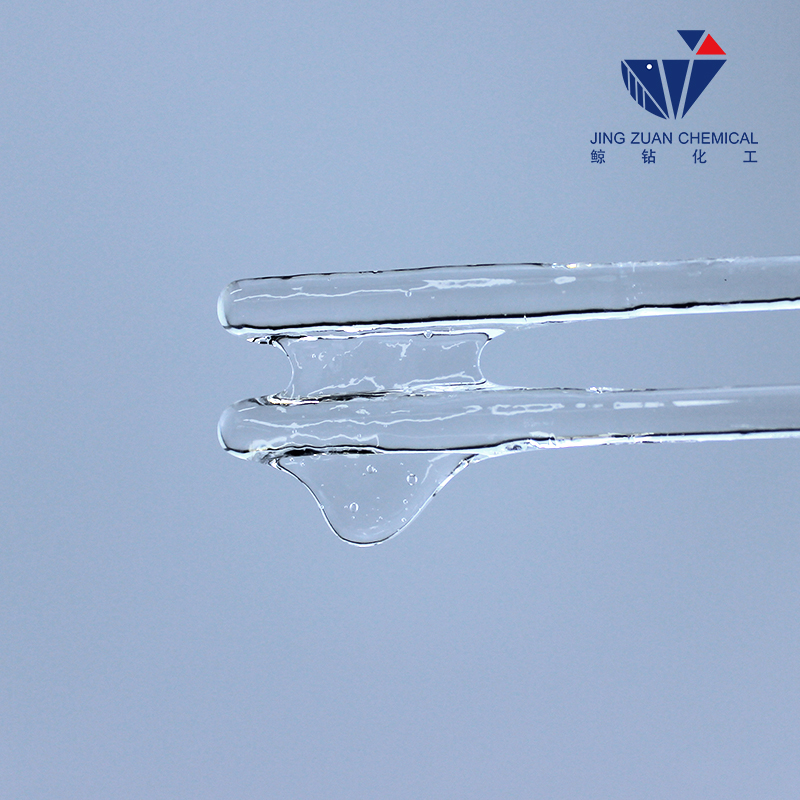
HPMC's water retention capabilities stem from its ability to form a gel-like structure when hydrated. This gel network entraps water molecules, preventing them from evaporating or migrating. This property is particularly valuable in construction materials like mortars and renders, where it ensures proper cement hydration and prevents cracking due to rapid water loss. The degree of substitution and concentration of HPMC influence its water retention capacity.
-
Understanding Hydroxypropyl Methyl Cellulose MSDS Safety and Compliance
NewsApr.16,2026
-
Understanding the Hydroxypropyl Methyl Cellulose HS Code for Global Trade
NewsApr.09,2026
-
Comprehensive Guide to Hydroxypropyl Methyl Cellulose CAS Number and Applications
NewsApr.07,2026
-
Comprehensive Guide to Hydroxypropyl Methyl Cellulose cas no and its Diverse Applications
NewsApr.04,2026
-
Comprehensive Guide to Hydroxypropyl Methyl Cellulose Manufacturers and Applications
NewsMar.31,2026
-
Understanding Hydroxypropyl Methyl Cellulose Properties And Diverse Applications
NewsMar.28,2026