
Mar . 03, 2026 18:35 Back to list
Understanding Hydroxypropyl Methylcellulose Price Trends and Market Insights
Understanding Hydroxypropyl Methylcellulose Price & Market Trends
Hydroxypropyl methylcellulose (HPMC) is a versatile cellulose ether widely used in various industries, including construction, pharmaceuticals, food, and cosmetics. Understanding the HPMC price is crucial for businesses relying on this ingredient. This article explores the factors influencing HPMC pricing, current market trends, and where to source high-quality HPMC. We will delve into different grades, applications, and provide insights to help you make informed purchasing decisions.
Factors Influencing Hydroxypropyl Methylcellulose Price
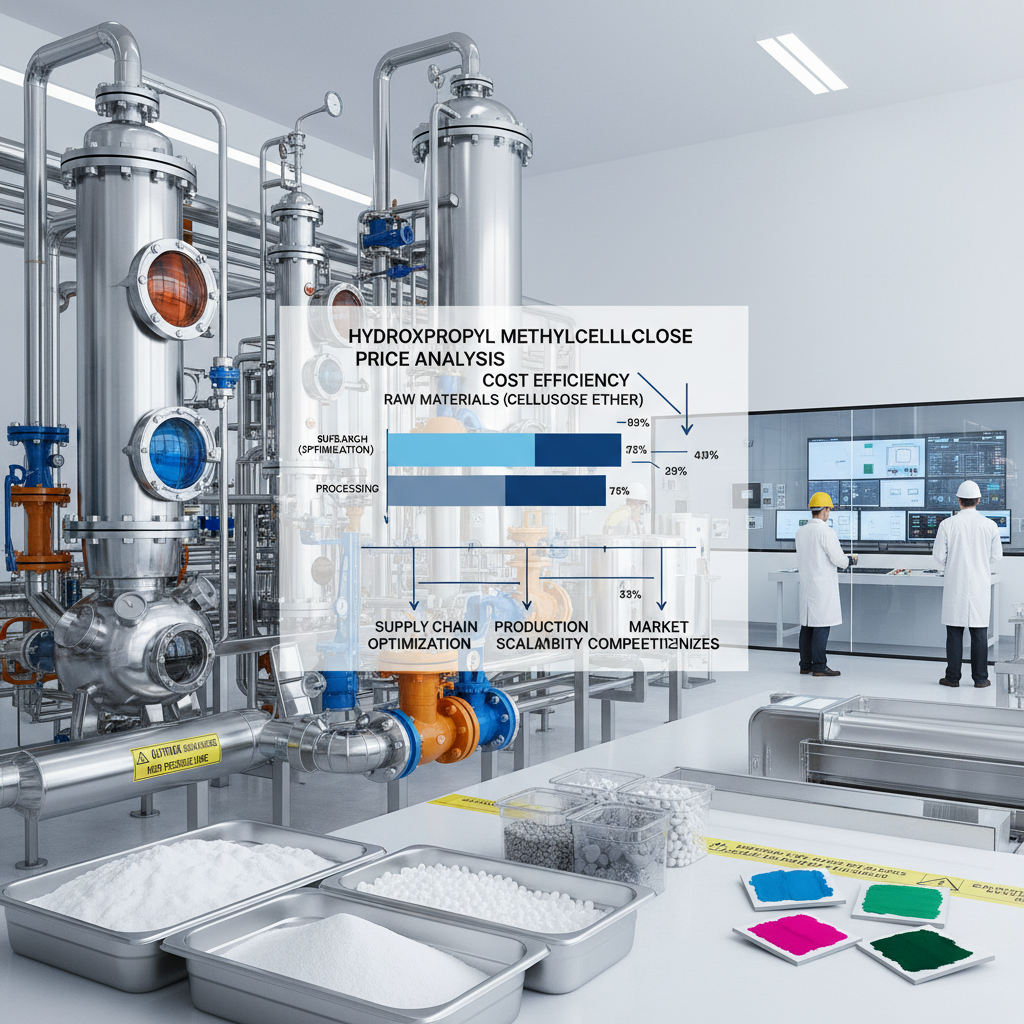
Several factors contribute to fluctuations in HPMC prices. Raw material costs, primarily cellulose, significantly impact the final price. Production processes, including manufacturing complexity and quality control measures, also play a role. Supply and demand dynamics are crucial; increased demand, particularly from booming construction sectors, can drive prices up. Transportation costs, tariffs, and currency exchange rates add to the overall expense. Furthermore, the grade and viscosity of HPMC influence the price, with higher viscosity grades generally commanding a premium. Finally, the manufacturer's reputation and quality certifications can affect pricing as well.
HPMC Grades and Their Price Variations
HPMC is available in various grades, each tailored to specific applications. These grades differ in viscosity, substitution degree, and particle size, all impacting the HPMC price. Common grades include construction grade, food grade, and pharmaceutical grade. Pharmaceutical grade HPMC, requiring the highest purity and stringent quality control, is typically the most expensive. Construction grade, used in cement mortars and tile adhesives, is generally more affordable. Food grade HPMC falls in between, priced based on its intended application and purity level. Understanding these differences is essential for selecting the appropriate grade for your needs and budget.
Key Takeaway: Selecting the right HPMC grade is crucial for optimizing performance and cost-effectiveness. Consider your application requirements carefully to avoid overspending on unnecessary purity levels.
Current Market Trends in HPMC Pricing (2023-2024)
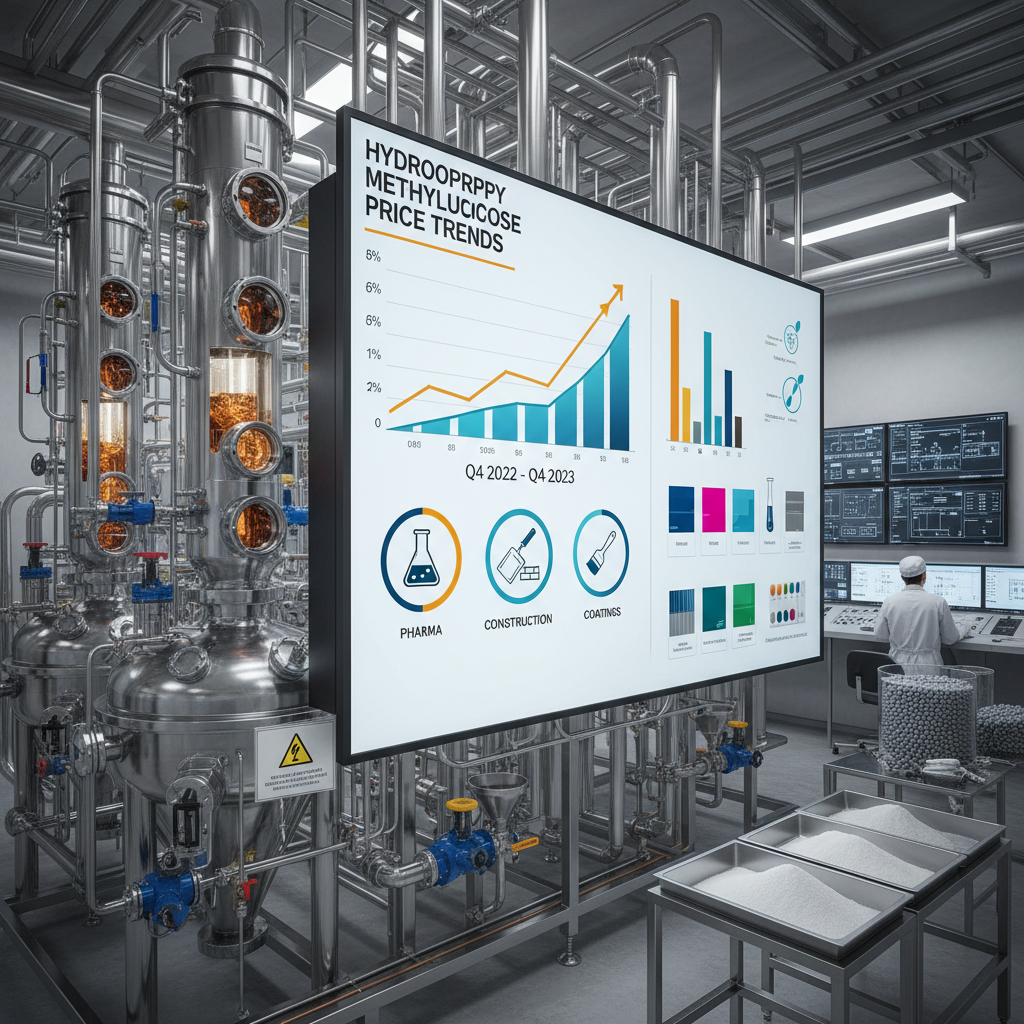
The HPMC market has experienced volatility in recent years. In 2023, prices rose due to increased demand from the construction sector in Asia-Pacific and supply chain disruptions caused by global events. As of early 2024, the market is showing signs of stabilization, but prices remain elevated compared to pre-pandemic levels. Geopolitical factors and fluctuating raw material costs continue to exert influence. Demand from the pharmaceutical and food industries remains consistently strong, contributing to the overall market stability. Long-term forecasts predict moderate growth in HPMC demand driven by innovation in application areas and increased awareness of its benefits.
Sourcing HPMC: Finding the Right Supplier
Choosing a reliable supplier is critical for securing consistent quality and competitive HPMC prices. Look for suppliers with established quality control systems, certifications (e.g., ISO 9001, GMP), and a proven track record. Consider suppliers who offer technical support and customization options. Direct manufacturers often provide better pricing than distributors, but distributors can offer convenience and smaller order quantities. Always request samples for testing before committing to a large purchase.
Choosing CNJZ Chemical for Your HPMC Needs
CNJZ Chemical is a leading manufacturer and supplier of high-quality HPMC. We offer a wide range of grades to meet diverse application requirements, competitive pricing, and excellent customer service. Our commitment to quality, reliability, and innovation makes us a trusted partner for businesses worldwide. We provide comprehensive technical support and customized solutions to optimize your HPMC usage. Contact us today to discuss your HPMC needs and receive a quote.
Conclusion: Navigating the HPMC Market
Understanding the factors influencing HPMC price, market trends, and sourcing strategies is crucial for success. By choosing a reliable supplier like CNJZ Chemical, you can ensure consistent quality, competitive pricing, and expert support. Investing in high-quality HPMC is a smart move for optimizing product performance and maximizing profitability.
Frequently Asked Questions (FAQs)
What is the typical lead time for HPMC orders?
Lead times for HPMC orders can vary depending on the quantity, grade, and supplier's current stock levels. Generally, standard grades with readily available stock can be shipped within 1-2 weeks. Customized grades or large orders may require a longer lead time of 3-6 weeks. It’s always best to confirm lead times with your supplier before placing an order, especially during peak seasons. CNJZ Chemical strives to provide efficient and timely delivery to meet our customers' needs.
How should HPMC be stored to maintain its quality?
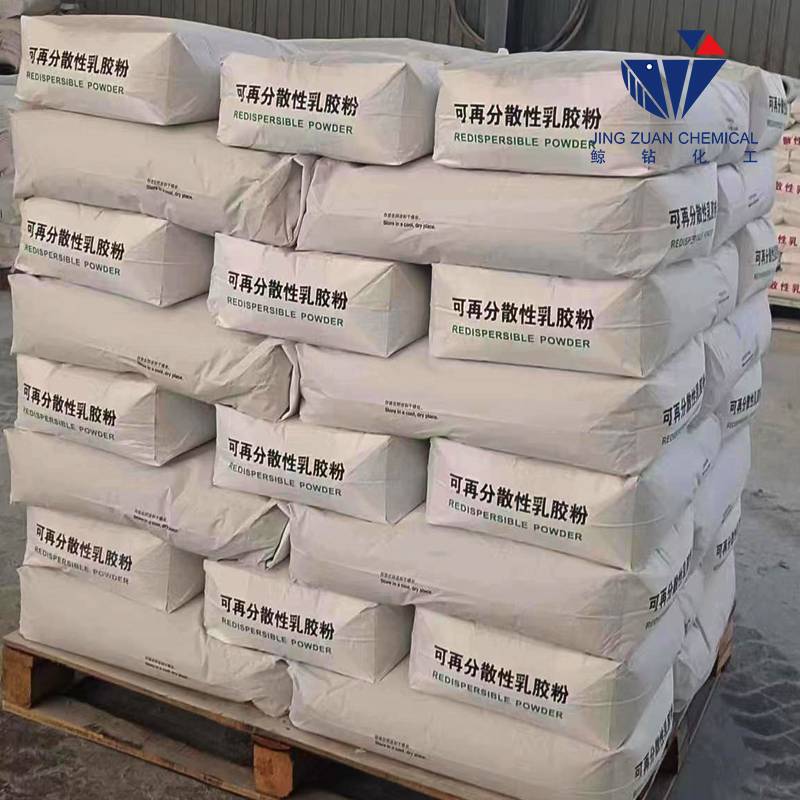
HPMC should be stored in a cool, dry, and well-ventilated area, away from direct sunlight, heat, and moisture. It's crucial to keep the packaging tightly closed to prevent contamination and degradation. The recommended storage temperature is between 4°C and 30°C. Avoid storing HPMC near strong oxidizing agents or incompatible chemicals. Proper storage conditions are essential for maintaining the HPMC's functionality and extending its shelf life.
What are the common applications of HPMC?
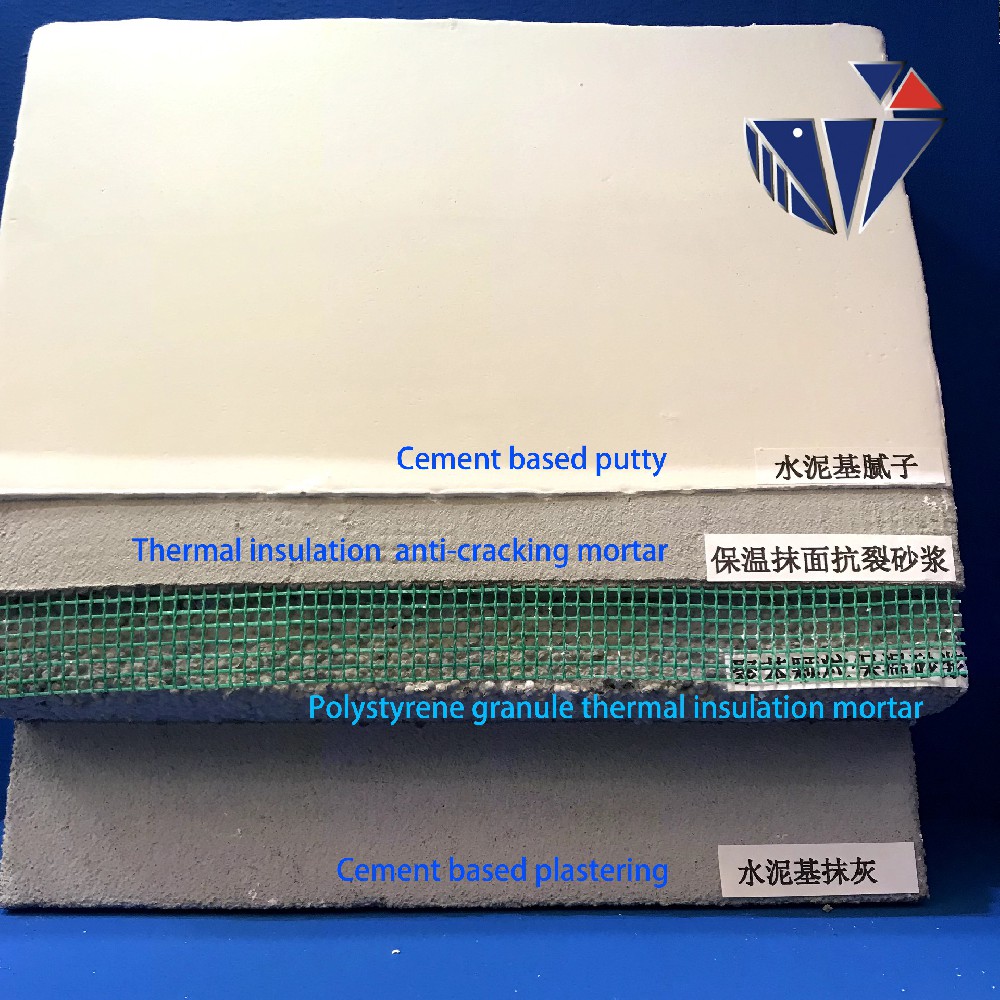
HPMC has a wide array of applications. In construction, it's used as a thickener, water retention agent, and adhesive in cement mortars, tile adhesives, and gypsum-based products. In the pharmaceutical industry, it serves as a binder, film-coating agent, and controlled-release matrix. In the food industry, it functions as a thickener, stabilizer, and emulsifier in sauces, dressings, and baked goods. Other applications include cosmetics, paints, and paper coatings. CNJZ Chemical provides HPMC grades tailored for specific applications.
Can HPMC be customized to specific viscosity requirements?
Yes, HPMC can be customized to meet specific viscosity requirements. Manufacturers can adjust the substitution degree and molecular weight during the production process to achieve desired viscosity levels. This customization is crucial for applications where precise rheological properties are essential. CNJZ Chemical offers customized HPMC solutions tailored to our clients' unique needs. Contact our technical team to discuss your specific viscosity requirements.
-
Understanding Hydroxypropyl Methyl Cellulose MSDS Safety and Compliance
NewsApr.16,2026
-
Understanding the Hydroxypropyl Methyl Cellulose HS Code for Global Trade
NewsApr.09,2026
-
Comprehensive Guide to Hydroxypropyl Methyl Cellulose CAS Number and Applications
NewsApr.07,2026
-
Comprehensive Guide to Hydroxypropyl Methyl Cellulose cas no and its Diverse Applications
NewsApr.04,2026
-
Comprehensive Guide to Hydroxypropyl Methyl Cellulose Manufacturers and Applications
NewsMar.31,2026
-
Understanding Hydroxypropyl Methyl Cellulose Properties And Diverse Applications
NewsMar.28,2026