
Nov . 28, 2025 11:40 Back to list
HPMC Safety: Ensuring Quality and Sustainability in Hydroxypropyl Methylcellulose Applications
Understanding HPMC Safety: Why It Matters More Than You Think
Hydroxypropyl methylcellulose, or HPMC safety, sounds like something only chemists and engineers worry about, but the truth is it plays a surprisingly key role in global industries and humanitarian efforts. From being a prime ingredient in pharmaceuticals and construction materials to its essential properties in food and cosmetics – understanding how HPMC is safely produced and used influences health, sustainability, and operational efficiency worldwide. In real terms, if you care about safer housing materials, better medical delivery systems, or eco-friendly manufacturing, then knowing the ins and outs of HPMC safety might not be as niche as it seems.
So why highlight this right now? Well, as global supply chains become more complex and regulations tighten, ensuring materials like HPMC meet strict safety benchmarks helps avoid costly recalls, protects end-users, and fosters innovation — all important especially as industries push for greener and healthier products.
HPMC Safety in Global Context: The Bigger Picture
The global market for Hydroxypropyl methylcellulose is growing steadily, with applications multiplying faster than you might guess. According to a 2023 report by the International Chemical Safety Board, over 300,000 tons of HPMC-related materials are produced annually worldwide, with Asia-Pacific contributing around 45% of global demand.
But here’s the rub. Alongside growth comes challenges in ensuring these materials don’t adversely impact health or the environment. Improper handling or impurities can have unexpected consequences. The WHO and ISO have been ramping up safety guidelines around cellulose ethers for uses spanning pharmaceuticals to concrete additives, but enforcement varies widely. That’s why companies focusing on hpmc safety are viewed as industry leaders and innovators in quality assurance.
What Exactly Is HPMC Safety?
Simply put, HPMC safety refers to the set of practices, standards, and testing procedures that guarantee Hydroxypropyl methylcellulose is manufactured, stored, and applied without posing risks to humans, animals, or the planet. It includes controlling the purity levels, particle size, viscosity performance, and potential contaminants.
To frame it another way: When a pharmaceutical uses HPMC as a binder or suspending agent, ensuring its safety means patients get medication without toxic impurities. In building materials, safe HPMC boosts durability without compromising structural integrity or environmental safety. It's a bridge between modern industrial needs and foundational human concerns like health and environmental responsibility.
Core Components of HPMC Safety
1. Purity and Quality Control
Impurities compromise both performance and safety. Rigorous testing ensures the raw material purity exceeds 99.5%, and compliance with pharmacopoeial standards.
2. Biocompatibility and Toxicology
Though considered safe, sustained studies (ISO 10993 series) examine how HPMC interacts biologically, particularly when ingested or applied topically.
3. Environmental Impact
Safe disposal and sourcing align with circular economy principles. Many producers now track biodegradable profiles and minimize chemical waste.
4. Processing & Handling Protocols
From milling to packaging, measures aim to reduce dust inhalation and cross-contamination risks during manufacturing and use.
5. Regulatory Compliance
Meeting local and global regulations (FDA, REACH in Europe, and China’s NMPA) ensures trust and market access.
In essence, these pillars make sure that when you see “HPMC” listed on a product, it’s more than just an ingredient — it’s a rigorously vetted, trustworthy component shaping modern industry.
Real-World Applications: Where HPMC Safety Makes a Difference
It’s one thing to list safety components, but where does it pay off day-to-day? Various sectors show how critical HPMC safety is:
- Pharmaceutical Industry: HPMC as a capsule coating or tablet binder must meet sterile conditions, and its safe formulation ensures drug efficacy and patient safety.
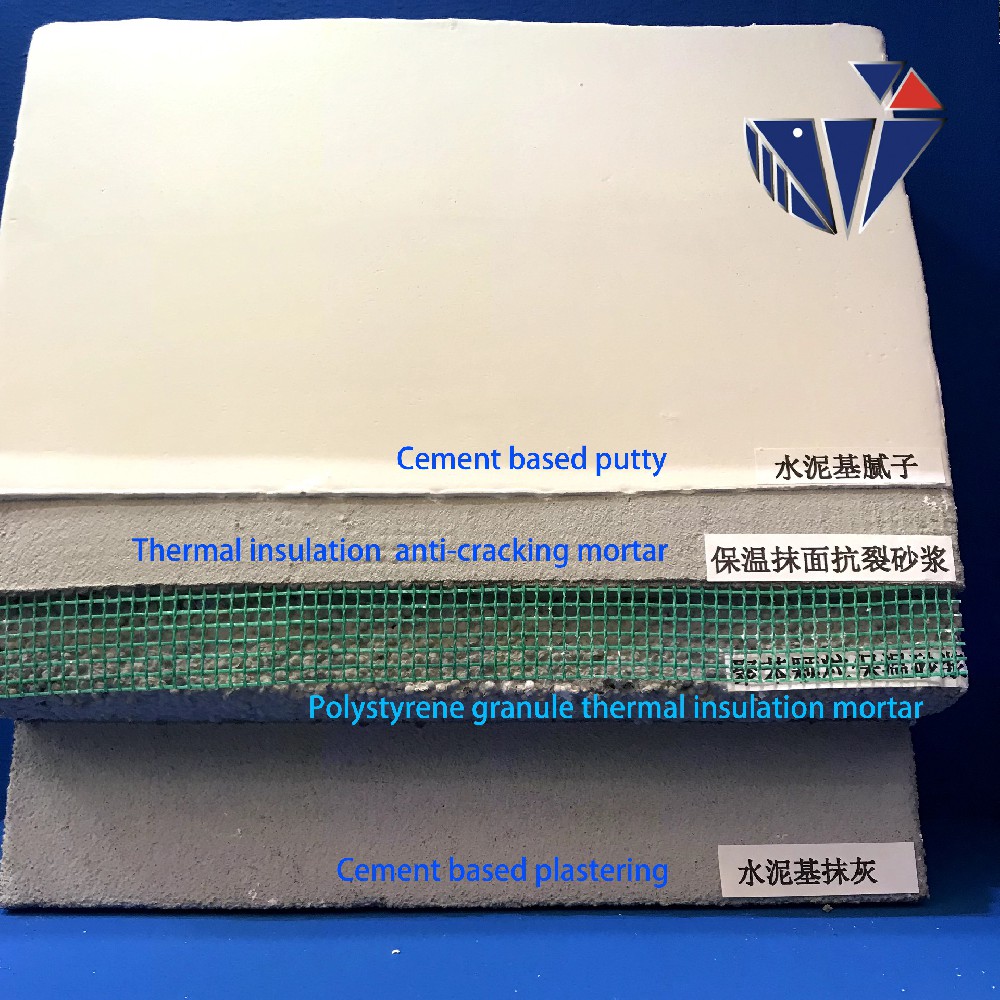
- Construction Sector: Used as a thickener or water retention agent in cement mixtures, HPMC safety protocols prevent material failures and environmental harm.
- Food Industry: Acting as an emulsifier or stabilizer, its safe production is crucial for allergy prevention and food group certifications.
- Personal Care and Cosmetics: HPMC’s safe application avoids skin irritation and ensures product stability.
- Humanitarian Relief: In makeshift shelters or sanitary solutions, safe HPMC-based materials offer reliable, health-positive durability in the field.
Oddly enough, some of the most critical advances have happened in remote industrial zones, where contamination risk is higher and testing facilities scarcer. There, dedicated safety protocols are paramount.
Mini takeaway:
HPMC safety is essential wherever human health or environmental integrity intersects with this versatile polymer. Without stringent safeguards, beneficial uses can turn hazardous.
Advantages of Prioritizing HPMC Safety
Here’s where it gets interesting beyond compliance: adopting rigorous HPMC safety approaches brings long-term benefits:
- Cost Savings: Prevents product recalls and liability issues—no company loves those surprise expenses.
- Sustainability: Fosters greener production cycles and reduces waste footprint.
- Social Confidence: Brands build trust when consumers know safety is a top priority.
- Innovative Edge: Safe HPMC variants enable new formulations in pharma, construction, and food sectors.
- Health Protection: Minimizes exposure to hazards during manufacturing and end use.
All things considered, it’s a rare case where “safety” directly translates to gains in market share and customer loyalty.
Product Specification Table: Typical HPMC Grades for Safety-Critical Applications
| Property | Pharma Grade | Construction Grade | Food Grade |
|---|---|---|---|
| Purity % | >99.8 | >99.5 | >99.7 |
| Viscosity (mPa·s) | 100 - 4000 | 500 - 8000 | 200 - 3000 |
| Moisture % | |||
| pH Range | 5.0 - 8.0 | 6.0 - 9.0 | 5.5 - 7.5 |
Comparing Leading HPMC Vendors: A Quick Overview
| Vendor | Global Reach | Certifications | Specialty | Sustainability Focus |
|---|---|---|---|---|
| CNJZ Chemical | Asia, Europe | ISO 9001, REACH | High-purity pharma | Eco-innovative packaging |
| Dow Chemicals | Global | FDA, ISO 14001 | Construction additives | Reducing water usage |
| Ashland Global | NA, Asia | GMP Certified | Food and personal care | Biodegradable formulas |
Insights into Future Trends and Innovations in HPMC Safety
Looking ahead, the field of HPMC safety is evolving sharply with sustainability and digital tech reshaping how materials are sourced and tested. Industry insiders are especially excited about:
- Green Chemistry: New plant-based raw materials reduce carbon footprint and improve biodegradability.
- Automation & AI Quality Control: Precise monitoring during production cuts errors and contamination risks.
- Nano-structured HPMC Forms: Enhancing drug delivery efficiency and controlled release.
- Global Regulatory Harmonization: Simplifying cross-border trade while tightening safety standards.
In some ways, these shifts mean the safety of HPMC is not just about mitigating risk but unlocking whole new product possibilities — which is kind of exciting.
Addressing Challenges: What’s Holding Us Back?
Of course, it’s not all smooth sailing. Major hurdles persist:
- Testing Standardization: While guidelines exist, regional variations cause confusion and delay.
- Supply Chain Transparency: Ensuring origin and process safety from suppliers can be patchy.
- Cost Constraints: Especially for smaller producers, investing in robust safety measures isn’t always feasible.
- Environmental Waste: Disposing of manufacturing byproducts safely remains challenging.
But experts emphasize that fostering collaboration between manufacturers, regulators, and academia drives practical solutions — like shared databases for contaminants or joint certification bodies.
FAQ: Quick Answers About HPMC Safety
- Q1: How does HPMC safety affect pharmaceutical product quality?
- A1: Strict safety standards prevent contamination and assure consistent viscosity and purity — crucial for drug stability and patient safety.
- Q2: Can HPMC-based materials be safely used in eco-sensitive environments?
- A2: Yes, when sourced and processed under environmental guidelines, HPMC is biodegradable and safe for green building and food applications.
- Q3: What precautions should manufacturers take when handling HPMC?
- A3: Proper dust control, protective equipment, and clean-room conditions help minimize inhalation risks and cross-contamination.
- Q4: How long can HPMC materials last in construction before degradation?
- A4: With safe formulation, HPMC additives maintain performance for decades under normal environmental exposure.
- Q5: Are international shipments of HPMC heavily regulated?
- A5: Yes, compliance with local import and chemical safety laws is essential — partnering with certified vendors helps smooth transaction procedures.
Wrapping Up: The Last Word on HPMC Safety
Ultimately, HPMC safety isn’t just a technical checkbox. It’s about protecting people, enabling innovation, and supporting a sustainable future — quietly but meaningfully woven into the fabric of our everyday products and construction. The more industries invest in robust safety measures, the better equipped we all are as consumers and stakeholders in a changing global landscape.
If you’re curious to dive deeper or explore certified hpmc safety solutions, I’d say now’s a good time to check out trusted providers navigating this important space with care and expertise.
References
-
Understanding Hydroxypropyl Methyl Cellulose MSDS Safety and Compliance
NewsApr.16,2026
-
Understanding the Hydroxypropyl Methyl Cellulose HS Code for Global Trade
NewsApr.09,2026
-
Comprehensive Guide to Hydroxypropyl Methyl Cellulose CAS Number and Applications
NewsApr.07,2026
-
Comprehensive Guide to Hydroxypropyl Methyl Cellulose cas no and its Diverse Applications
NewsApr.04,2026
-
Comprehensive Guide to Hydroxypropyl Methyl Cellulose Manufacturers and Applications
NewsMar.31,2026
-
Understanding Hydroxypropyl Methyl Cellulose Properties And Diverse Applications
NewsMar.28,2026