
Nov . 30, 2025 01:55 Back to list
HPMC vs HEC: Key Differences, Applications, and Benefits Explained
Understanding HPMC vs HEC: What’s the Difference and Why It Matters
If you’ve ever dabbled in construction chemicals, paints, or even pharmaceuticals, chances are you’ve bumped into those acronyms: HPMC and HEC. But why should anyone outside the chemistry lab care about hpmc vs hec? Well, these compounds might seem like just jargon, yet they represent vital cellulose ethers that keep countless products stable, efficient, and even eco-friendlier than alternatives. So understanding the distinctions between Hydroxypropyl Methylcellulose (HPMC) and Hydroxyethyl Cellulose (HEC) isn’t just academic — it’s about ensuring quality and sustainability in industries around the globe.
As global demand for sustainable materials rises — with the construction sector alone accounting for nearly 40% of global energy-related CO2 emissions, according to the International Energy Agency — chemicals like HPMC and HEC play subtle but crucial roles in making processes efficient and environmentally compatible.
Quick takeaway: Grasping the nuances of hpmc vs hec helps industries innovate, reduce waste, and build stronger, safer products — with applications from paints to pharma.
Why the Buzz? A Global Glimpse on HPMC vs HEC
On a world stage, the difference between HPMC and HEC might seem minor, yet their impact is disproportionately vast. According to the United Nations Environment Programme (UNEP), chemical inputs in construction and manufacturing need to be smarter. Both HPMC and HEC are cellulose-based derivatives — meaning they come from renewable plant material, a huge plus in greener tech.
Still, many manufacturers wrestle with deciding which polymer to use for viscosity modification, water retention, or thickening. This choice affects everything from the durability of adhesives in earthquake-prone areas to the smoothness of topical medicines.
For instance, in Asia-Pacific's booming construction market, the selection between HPMC and HEC determines not just cost but long-term product resilience, especially in wet or humid climates.
Mini summary: HPMC and HEC serve as backbone additives internationally, but choosing the right one can mean enhanced performance — or costly failures.
Defining HPMC and HEC: What Really Sets Them Apart?
Hydroxypropyl Methylcellulose (HPMC) and Hydroxyethyl Cellulose (HEC) are both cellulose ethers, yet their chemical substitutions differ. In simple terms:
- HPMC is cellulose modified with methyl and hydroxypropyl groups. This dual substitution gives it a unique balance of water solubility and thermal stability.
- HEC contains hydroxyethyl groups instead, making it more hydrophilic and excellent for thickening water-based solutions.
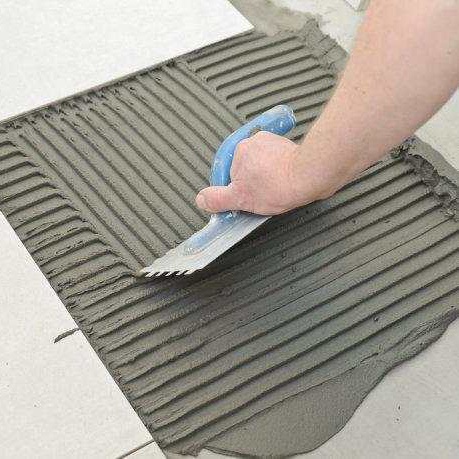
Because of these chemical nuances, HPMC is often favored when temperature resilience and film-forming properties are crucial — such as in tile adhesives or drywall compounds. HEC, on the other hand, shines in personal care formulations or paints that require viscosity control and ease of application.
Quick takeaway: Though chemically similar, the difference in substitutions entirely changes how HPMC and HEC perform — reminding us how small molecular shifts have big practical implications.
Key Characteristics Defining HPMC vs HEC in Practice
1. Thermal Stability
HPMC withstands higher temperatures before degrading — making it the go-to for construction materials exposed to heat during curing or drying. HEC isn’t as heat-stable, so it’s less suitable for hot environments.
2. Water Retention
Both improve water retention, but HPMC’s water retention is stronger, which explains its popularity in cementitious products needing moisture control during setting.
3. Viscosity and Thickening Power
HEC tends to provide higher viscosity at lower concentrations, which is a boon for paints and coatings needing a certain flow without sagging.
4. Compatibility with Other Ingredients
HPMC exhibits better compatibility especially with alkaline substances, whereas HEC might degrade or lose effectiveness, limiting its use in some cement-based products.
5. Cost Efficiency
HEC is often less expensive, influencing product pricing, but the performance balance might not always favor the cheaper option.
Mini summary: From heat resistance to cost, the distinction between HPMC and HEC boils down to the demands of your formulation and environment.
Typical Applications Around the World
Both HPMC and HEC enjoy broad deployment, but their sweet spots differ.
- Construction Industry: In Europe and North America, HPMC dominates tile adhesives, plaster, and cement-based mortars where mechanical strength and moisture retention affect lifespan.
- Paints & Coatings: Asia uses HEC for thickening waterborne paints and coatings due to better flow properties.
- Pharmaceuticals: Globally, HPMC is a staple in controlled-release tablets and eye drops.
- Personal Care: HEC appears more in shampoos and lotions because of its viscosity control and skin feel.
An interesting tidbit: post-earthquake rebuilding efforts in Japan leveraged HPMC-enhanced mortars for superior adhesion, thanks to its stable film formation at variable temperatures.
Product Specification Table: Comparing HPMC and HEC
| Characteristic | HPMC | HEC |
|---|---|---|
| Thermal Stability | High (up to 190°C) | Moderate (below 120°C) |
| Water Retention | Excellent | Good |
| Viscosity (at equal concentration) | Moderate | Higher |
| Alkaline Compatibility | Good | Lower |
| Typical Price | Higher | Lower |
Vendor Comparison: Leading HPMC vs HEC Suppliers
| Supplier | Product Range | Price Range | Global Reach | Specialties |
|---|---|---|---|---|
| Dow Chemical | HPMC, HEC Variants | $$$ | Worldwide | High-purity pharma grades |
| Ashland Inc. | HPMC, specialty cellulose ethers | $$ | Global | Construction-focused formulations |
| BASF | HEC variants primarily | $$ | EMEA, Asia | Paints & coatings specialty |
| Shandong Dingtai | HPMC, HEC bulk supply | $ | Asia, exports | Competitive pricing, wide range |
Advantages and Long-Term Value of Choosing the Right Cellulose Ether
Picking between HPMC and HEC isn’t just a technical exercise; it’s a long-term impact decision. Manufacturers who opt strictly on price may end up with lower durability or inconsistent product quality — which, frankly, translates into returns, complaints, and higher lifecycle costs.
Using the correct cellulose ether means:
- Better durability in building materials — leading to safer infrastructures, especially in natural disaster zones.
- Environmentally friendlier production processes — since both HPMC and HEC originate from renewable cellulose.
- Improved user experience — whether it’s a smooth paint brush glide or a comfortable pharmaceutical gel.
- Cost savings long-term — fewer material failures, less wastage, and optimized production.
One could say these cellulose ethers are quietly powering innovation while letting companies stay responsible and ethical — a win-win, if you ask me.
Future Trends: Where hpmc vs hec is Heading
The future feels intriguing. There’s growing research into bio-based modifications to cellulose ethers, aimed at improving biodegradability. Digital formulation platforms are helping chemists tailor HPMC and HEC grades to very niche applications, reducing trial-and-error phases.
Also, the rise of green buildings demands cellulose ethers with minimal VOC emissions and carbon footprints — pushing suppliers to innovate endlessly. Automation in mixing and delivery is becoming a game-changer too, especially for on-site construction products where consistency is key.
Challenges and Solutions on the Horizon
It's not all rosy, though. Both HPMC and HEC have solubility and stability quirks depending on pH and temperature that can trip up formulators. Supply chain disruptions, especially in recent years, have caused sporadic price hikes and quality inconsistencies.
Experts recommend rigorous quality control, diversified supplier sourcing (like checking vendors listed above), and ongoing R&D investment to customize grades more precisely — rather than settling for generic powders. Oddly enough, sometimes going local helps avoid unpredictable shipping delays and supports regional green policies.
FAQ: Common Questions About hpmc vs hec
Q1: What is the main difference between HPMC and HEC?
A1: The core difference lies in their chemical groups—HPMC has hydroxypropyl and methyl groups enhancing thermal stability, whereas HEC has hydroxyethyl groups offering better thickening but lower heat resistance.
Q2: Which one is better for cement-based products?
A2: HPMC is generally preferred due to superior water retention and alkaline compatibility, critical for cement performance.
Q3: Can HEC be used in pharmaceutical formulations?
A3: Yes, but it’s less common than HPMC because HPMC offers better film-forming properties and longer-lasting effects in controlled-release drugs.
Q4: How do I decide which supplier to choose?
A4: Consider product grade, price, delivery reliability, and if they offer customization. Refer to the vendor comparison table above for a quick guide.
Q5: Are these cellulose ethers environmentally safe?
A5: Being cellulose derivatives, they are renewable and biodegradable, making them more eco-friendly than synthetic polymers, but sustainability also depends on manufacturing practices.
Wrapping Up: Why Knowing hpmc vs hec Matters
So, after all this, what’s the real takeaway on hpmc vs hec? It’s that these cellulose ethers, while chemically close, serve different masters. Choosing correctly influences product longevity, environmental impact, and cost-effectiveness. Around the globe, in labs and job sites, engineers, chemists, and manufacturers depend on understanding these nuances to build better products and, ultimately, a better world.
If you want to dive deeper into how these chemical wonders could transform your industry projects, or explore tailored solutions, be sure to visit our website. There’s a wealth of info and expert help waiting for you.
References:
- International Energy Agency (IEA) – Global CO2 Emissions from Buildings and Construction, 2023
- United Nations Environment Programme (UNEP) – Chemicals in Sustainable Construction, 2022
- ISO 18674-1:2021 – Thermal Stability of Cellulose Derivatives
-
Understanding Hydroxypropyl Methyl Cellulose MSDS Safety and Compliance
NewsApr.16,2026
-
Understanding the Hydroxypropyl Methyl Cellulose HS Code for Global Trade
NewsApr.09,2026
-
Comprehensive Guide to Hydroxypropyl Methyl Cellulose CAS Number and Applications
NewsApr.07,2026
-
Comprehensive Guide to Hydroxypropyl Methyl Cellulose cas no and its Diverse Applications
NewsApr.04,2026
-
Comprehensive Guide to Hydroxypropyl Methyl Cellulose Manufacturers and Applications
NewsMar.31,2026
-
Understanding Hydroxypropyl Methyl Cellulose Properties And Diverse Applications
NewsMar.28,2026