
Dec . 03, 2025 11:17 Back to list
Hydroxyethyl Cellulose Viscosity Explained: Global Uses, Benefits & Trends
Understanding Hydroxyethyl Cellulose Viscosity: Why It Matters Globally
Hydroxyethyl cellulose (HEC) viscosity is a term you might hear tossed around in industries as diverse as cosmetics, construction, and pharmaceuticals. But what exactly is it, and why should anyone outside a chemistry lab or manufacturing plant care? Well, it turns out this somewhat unassuming parameter is quietly shaping solutions worldwide – from ensuring the smooth spread of paints, to improving drug delivery in healthcare, to aiding water conservation in agriculture.
Simply put, viscosity refers to the 'thickness' or flow behavior of the hydroxyethyl cellulose solution, which directly impacts its effectiveness in various applications. Understanding the hydroxyethyl cellulose viscosity isn’t just a niche technical detail—it's a key to unlocking better products and sustainable practices on a global scale.
Introduction: The Global Relevance of Hydroxyethyl Cellulose Viscosity
According to the International Organization for Standardization (ISO), cellulose derivatives like hydroxyethyl cellulose play a pivotal role in boosting industrial efficiency and environmental responsibility. The World Bank notes that the chemical industry contributes significantly to global economic growth, with viscosity modifiers like HEC improving product stability and reducing waste.
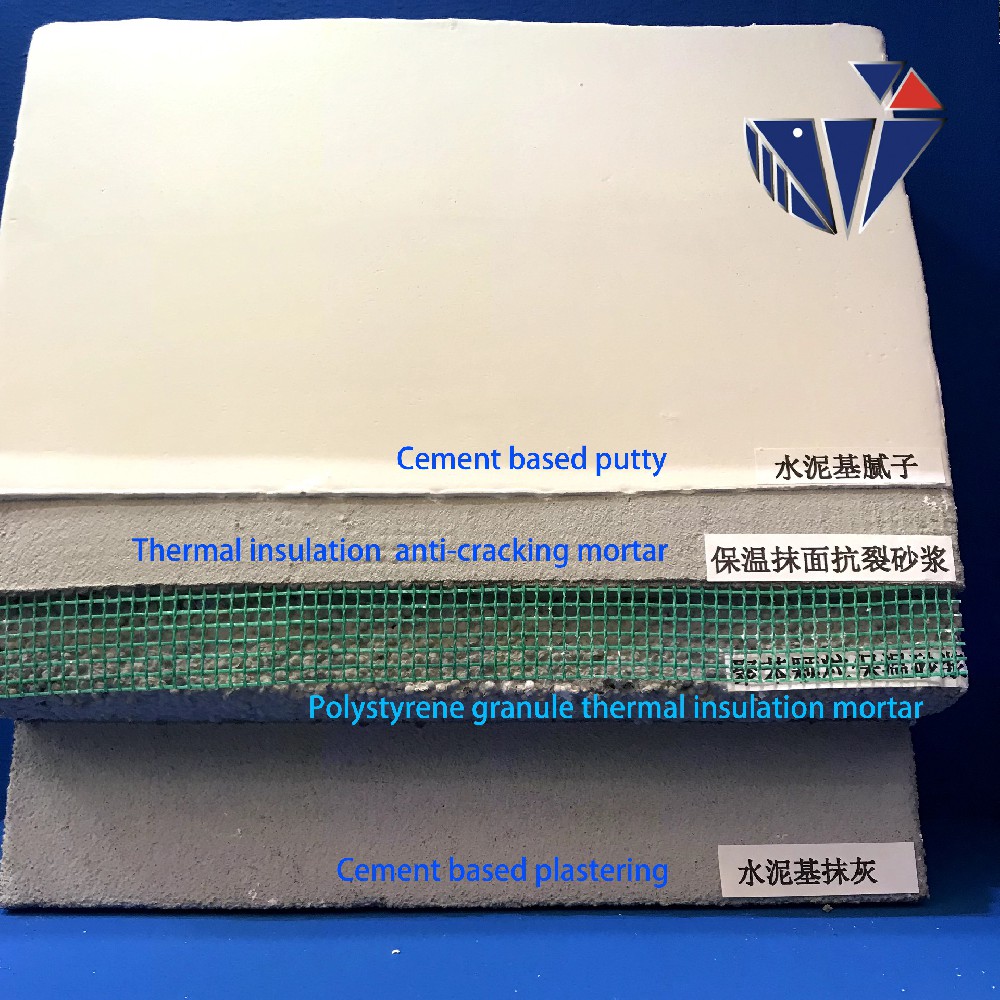
Take the construction industry: formulations with optimized hydroxyethyl cellulose viscosity can improve mortar consistency, reduce water usage, and increase durability—critical factors as the United Nations predicts the world population will hit 9.7 billion by 2050, boosting urban development demands. But inconsistency in viscosity can cause delays and increased costs, a challenge many manufacturers grapple with today.
What Exactly Is Hydroxyethyl Cellulose Viscosity?
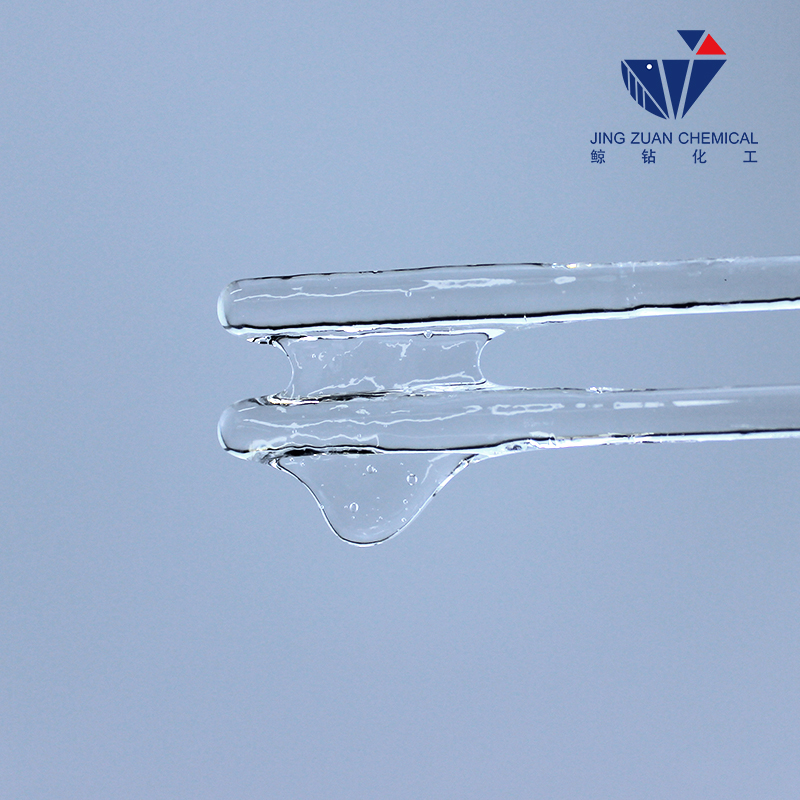
To break it down, hydroxyethyl cellulose viscosity is the measure of resistance a hydroxyethyl cellulose solution offers against flow. It’s kind of like how honey pours slower than water. In the case of HEC, manufacturers carefully control viscosity to tailor the product for specific uses—thicker for paint thickeners, thinner for personal care gels.
Besides its industrial essence, HEC’s viscosity affects humanitarian efforts too. For instance, in water purification tablets or wound dressings, controlling flow and film formation ensures that products perform consistently and safely in diverse environments.
Key Factors Influencing Hydroxyethyl Cellulose Viscosity
1. Degree of Substitution
This refers to how many hydroxyethyl groups attach to the cellulose backbone, directly influencing water solubility and viscosity. More substitution often means higher viscosity and better thickening.
2. Molecular Weight
The higher the molecular weight, the longer the cellulose chains, resulting in higher viscosity. Manufacturers select molecular weights depending on desired application performance and viscosity range.
3. Concentration in Solution
Hydroxyethyl cellulose viscosity increases as you add more polymer to the solution, but only up to a point before it plateaus or gels.
4. Temperature and pH
Temperature shifts can thin or thicken HEC solutions, making viscosity sensitive to processing and storage conditions. pH changes may also impact stability and consistency.
5. Ionic Strength of the Medium
Salts and ions present in the solution can interfere with the polymer chains, altering viscosity. This is crucial in formulations like cosmetics and pharmaceuticals.
Quick Takeaway:
- Hydroxyethyl cellulose viscosity depends on chemical structure, concentration, and environment.
- Manufacturers fine-tune these factors to ensure product consistency and performance reliability.
Global Applications & Use Cases
Oddly enough, hydroxyethyl cellulose viscosity finds itself at the heart of solutions worldwide. In Asia, the booming cosmetics market relies heavily on HEC for stable creams and gels. Europe’s construction sector uses it for tile adhesives and cement mortars, where viscosity ensures spreadability and shelf life. In North America, pharmaceutical companies depend on optimal viscosity levels to design drug release gels that enhance patient compliance.
Beyond industry, humanitarian organizations incorporate HEC viscosity control to improve emergency medical supplies in disaster zones—making sure that topical gels apply evenly without dripping away. Also, agricultural sectors in drought-prone regions use HEC-thickened water-retention agents to maximize irrigation efficiency.
Hydroxyethyl Cellulose Viscosity: Product Specifications
| Specification | Typical Range | Notes |
|---|---|---|
| Viscosity (2% solution, 25°C) | 1000–30000 mPa·s | Measured by Brookfield viscometer |
| Degree of Substitution (DS) | 0.2 – 0.5 | Affects solubility and viscosity |
| Molecular Weight | 50,000 – 1,000,000 Da | Higher MW means higher viscosity |
| pH Stability | 4 – 11 | Maintains viscosity within this range |
Comparing Top Hydroxyethyl Cellulose Vendors
| Vendor | Viscosity Range (mPa·s) | Price/kg (USD) | Global Reach | Sustainability Profile |
|---|---|---|---|---|
| CNJZ Chemical | 1,000 – 30,000 | 2.50 | Asia, Europe, Americas | ISO 14001 Certified |
| Dow Chemical | 2,000 – 25,000 | 3.10 | Global | Comprehensive Sustainability Programs |
| Ashland Inc. | 1,500 – 28,000 | 2.75 | Americas, Europe | Focus on Green Chemistry |
Advantages and Long-Term Value of Optimized Hydroxyethyl Cellulose Viscosity
Getting the viscosity right means manufacturers achieve smoother formulations, longer shelf lives, and greater user satisfaction. Frankly, the ripple effects are substantial: reduced raw material waste, lower energy consumption during processing, and better product safety have both economic and environmental benefits.
On a more human note, the ability to deliver consistent viscosity improves the reliability of consumer products, which ties to trust and brand loyalty. You might not notice it when you apply a lotion or mix tile adhesive, but the viscosity dictates everything from ease of use to final result quality.
Looking Ahead: Future Trends & Innovations
The next few years promise exciting progress. Researchers are exploring bio-based HEC variants with improved biodegradability—helping industries move toward circular economy goals. Digital rheometers and AI-powered viscosity control allow real-time adjustments in manufacturing lines, saving time and cost.
Sustainability initiatives are encouraging suppliers to reduce solvents and energy in production, while innovations in cross-linking chemistries are expanding HEC’s functional scope. It feels like we’re just scratching the surface.
Challenges & Practical Solutions
One tricky area remains viscosity stability at extreme temps or in harsh chemical environments. Formulators often struggle to maintain consistent thickness without compromising other properties.
To combat this, manufacturers adopt controlled copolymerization techniques and keep tight control over raw material specs. Partnering closely with vendors like CNJZ Chemical also ensures access to tailored HEC grades, optimized for specific viscosity ranges.
FAQ: Common Questions About Hydroxyethyl Cellulose Viscosity
- What factors mainly influence hydroxyethyl cellulose viscosity?
- Primarily molecular weight, degree of substitution, polymer concentration, temperature, and ionic strength of the solution impact viscosity. Adjusting these allows precise control in formulations.
- How does hydroxyethyl cellulose viscosity affect product performance?
- Adequate viscosity ensures proper texture, stability, and application in products like paints, cosmetics, and pharmaceuticals. Too low or too high viscosity can cause poor spreadability or instability.
- Can viscosity of HEC solutions be adjusted after production?
- Yes, viscosity can be modified by diluting, changing temperature, or blending with other polymers, though initial product design usually sets the range.
- Is hydroxyethyl cellulose safe for food and pharmaceutical uses?
- HEC is generally recognized as safe (GRAS) by regulatory bodies like the FDA, provided it meets purity and quality standards.
- Where can I source hydroxyethyl cellulose with consistent viscosity?
- Reliable vendors such as CNJZ Chemical offer certified products with tight viscosity specs suitable for multiple industries.
Conclusion: Why Hydroxyethyl Cellulose Viscosity Matters Long-Term
In the end, hydroxyethyl cellulose viscosity is far more than a chemical curiosity—it’s a cornerstone for quality, sustainability, and innovation across many sectors. Whether you’re a formulator tweaking a cosmetic gel or a construction engineer looking to perfect mortar mixing, understanding and controlling HEC’s viscosity can make all the difference.
If you want to dive deeper or source high-quality hydroxyethyl cellulose products tailored to your needs, visit our website and explore how we can support your innovations.
It’s fascinating how such a small polymer can ripple through industries, impacting daily lives in unseen but significant ways.
References
-
Understanding Hydroxypropyl Methyl Cellulose MSDS Safety and Compliance
NewsApr.16,2026
-
Understanding the Hydroxypropyl Methyl Cellulose HS Code for Global Trade
NewsApr.09,2026
-
Comprehensive Guide to Hydroxypropyl Methyl Cellulose CAS Number and Applications
NewsApr.07,2026
-
Comprehensive Guide to Hydroxypropyl Methyl Cellulose cas no and its Diverse Applications
NewsApr.04,2026
-
Comprehensive Guide to Hydroxypropyl Methyl Cellulose Manufacturers and Applications
NewsMar.31,2026
-
Understanding Hydroxypropyl Methyl Cellulose Properties And Diverse Applications
NewsMar.28,2026