
Feb . 27, 2026 02:05 Back to list
Hydroxypropyl Methyl Cellulose A Comprehensive Guide to Properties and Applications
Hydroxypropyl Methyl Cellulose: A Comprehensive Guide
Hydroxypropyl methyl cellulose (HPMC) is a versatile cellulose ether widely used across numerous industries, from construction and pharmaceuticals to food and personal care. Its unique properties as a thickener, binder, film-former, and water retention agent make it an invaluable ingredient in diverse applications. This article provides an in-depth exploration of HPMC, covering its properties, applications, grades, and benefits. Understanding HPMC’s characteristics is crucial for optimizing formulations and achieving desired product performance.
Understanding the Properties of Hydroxypropyl Methyl Cellulose
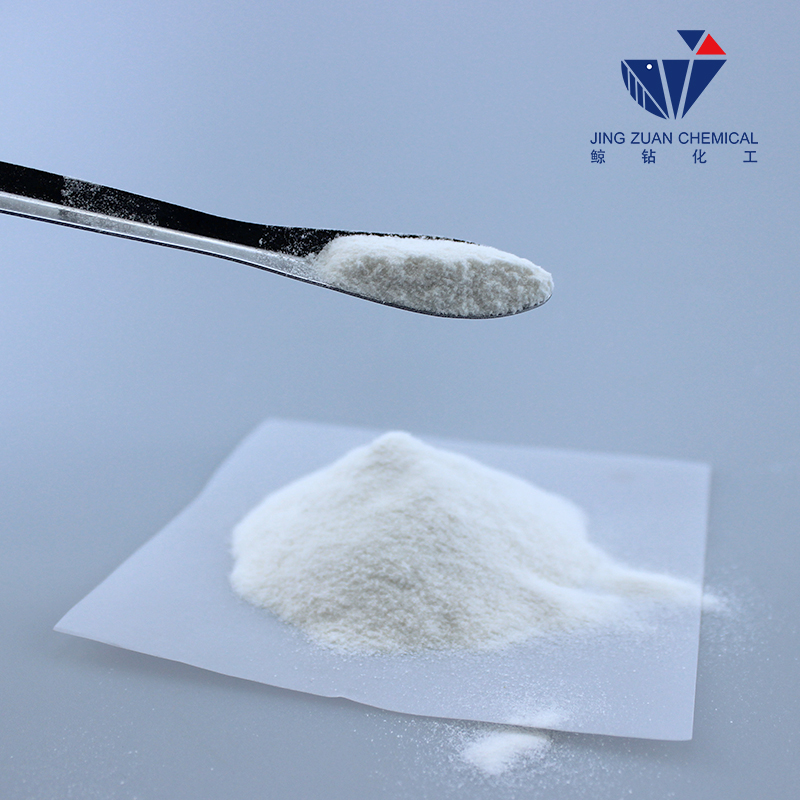
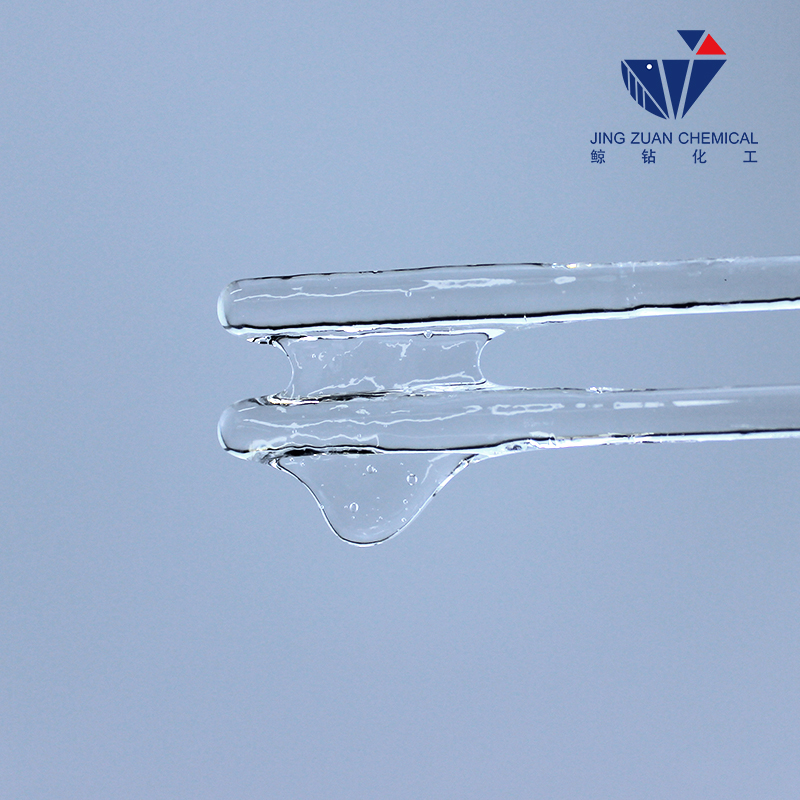
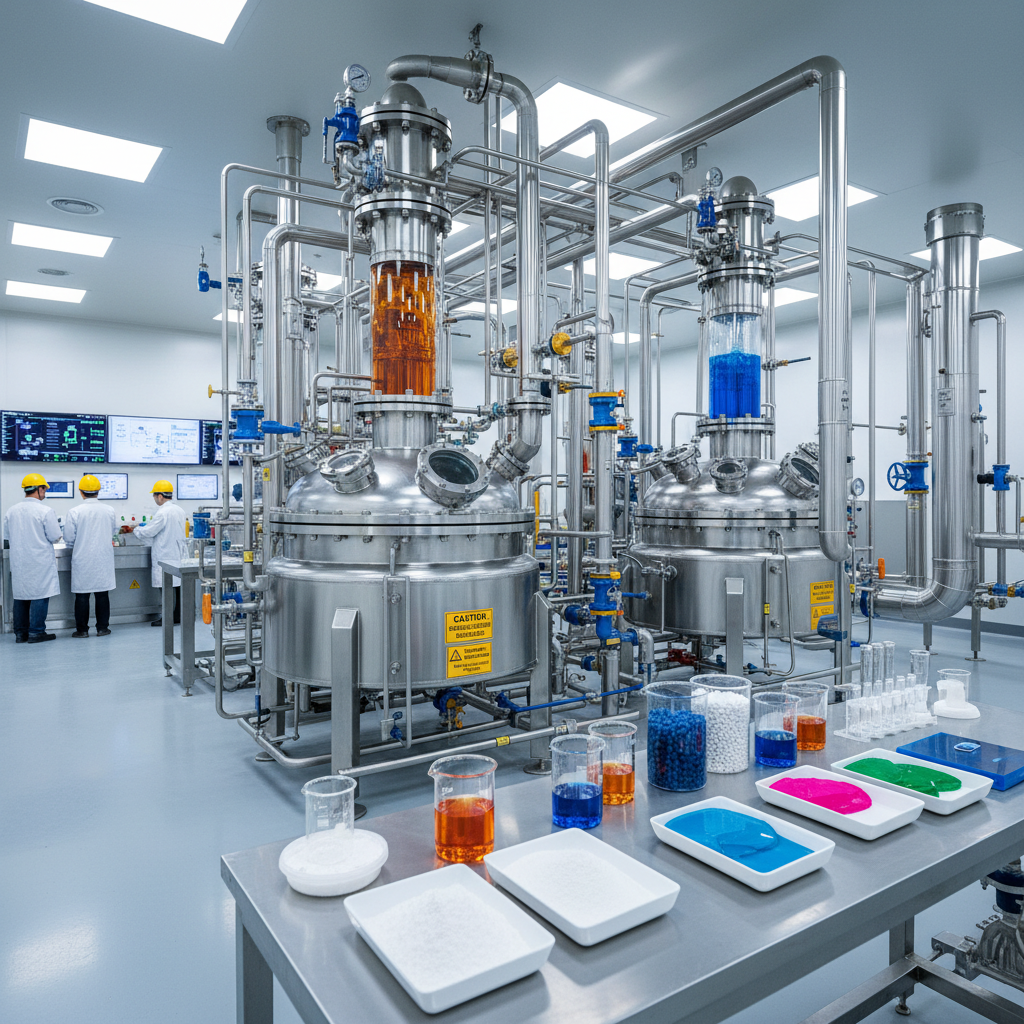
HPMC is derived from cellulose, a natural polymer found in plant cell walls. Through chemical modification, cellulose is transformed into HPMC, exhibiting enhanced water solubility and unique rheological properties. Key characteristics include its ability to thicken aqueous solutions, create stable emulsions, improve water retention, and form clear, flexible films. The degree of substitution (DS) of hydroxypropyl and methyl groups influences the polymer’s properties, such as solubility, gelation temperature, and water retention capacity. These adjustable properties allow for tailoring HPMC to specific application requirements.
Key Highlights: HPMC offers excellent thickening, binding, film-forming, and water retention properties, making it a valuable ingredient in many different formulations.
Applications of Hydroxypropyl Methyl Cellulose Across Industries
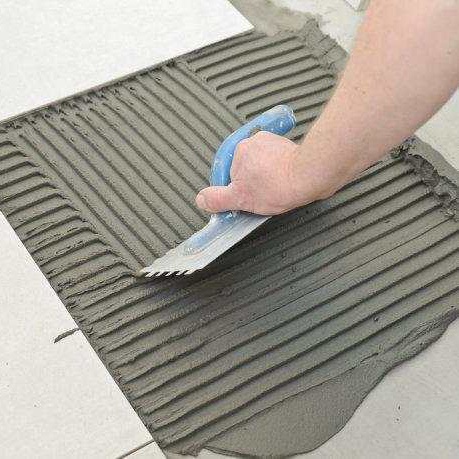
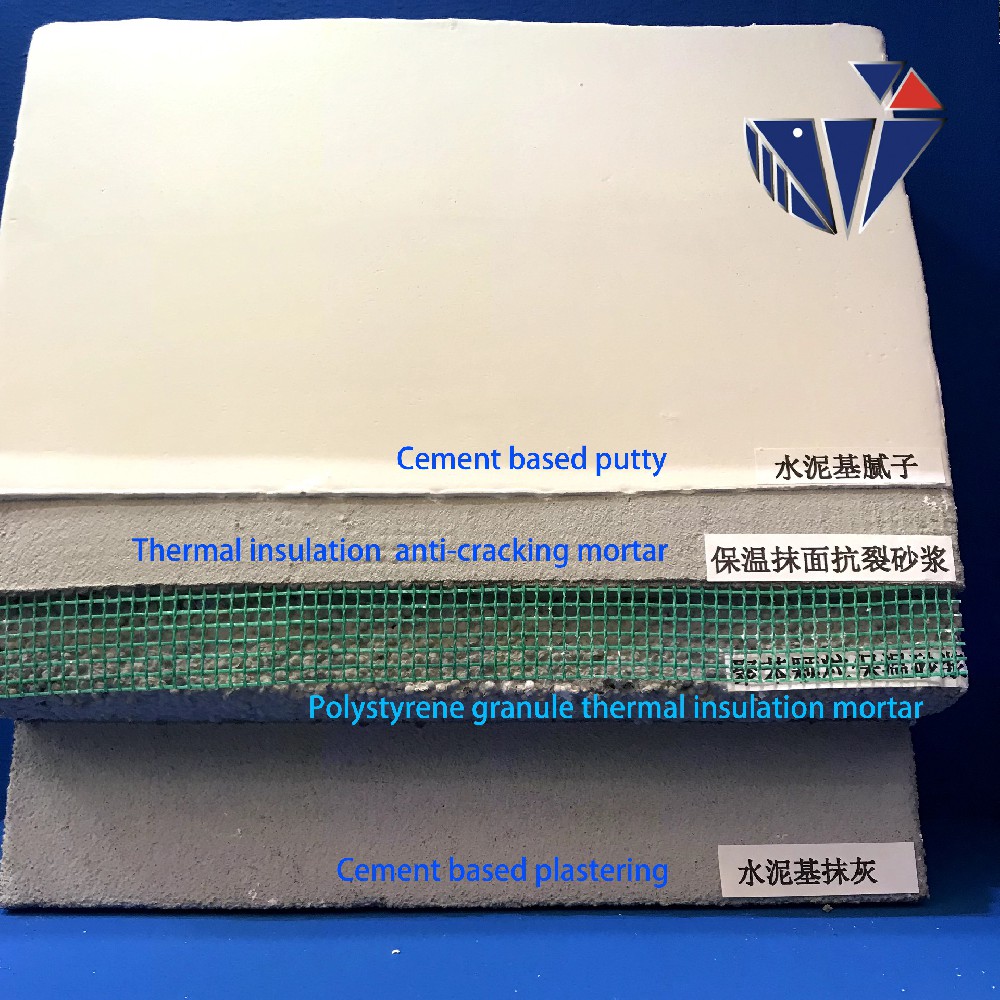
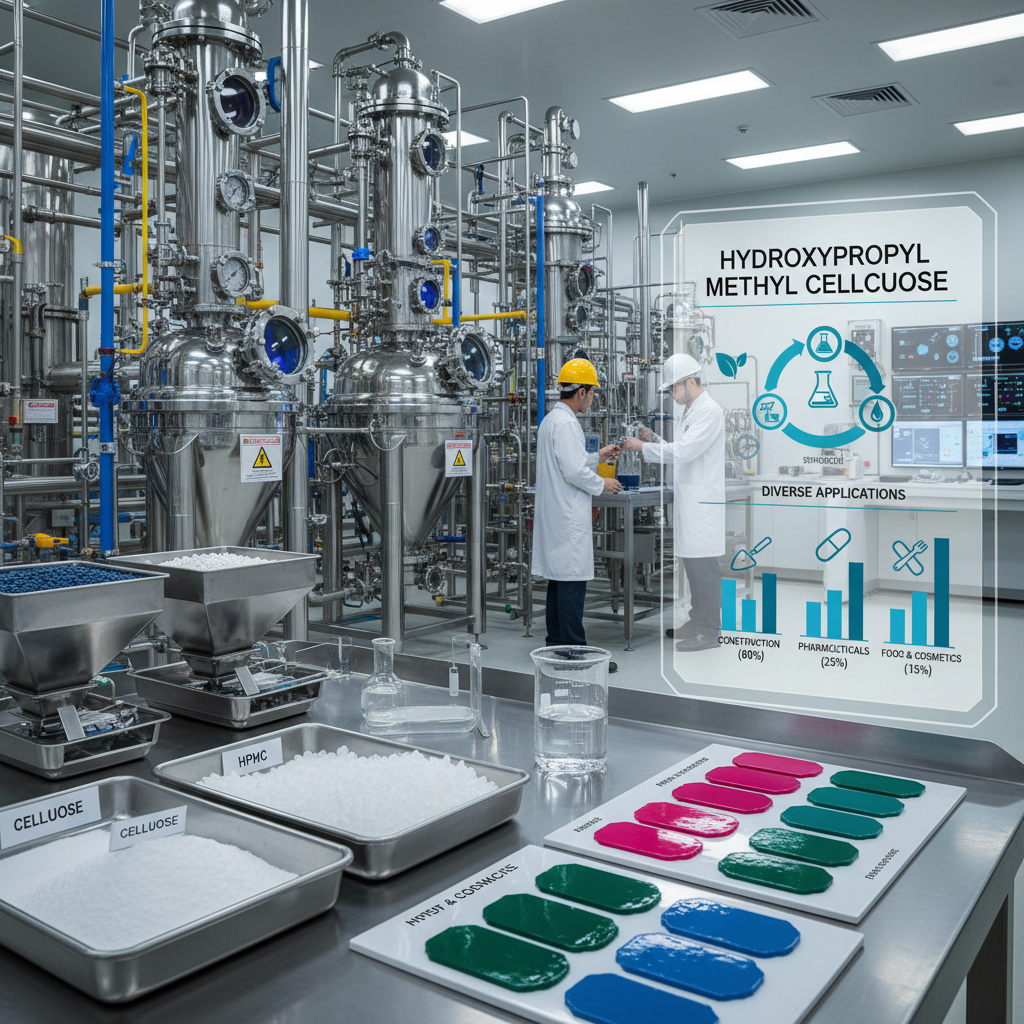
The versatility of HPMC leads to its widespread application in various industries. In the construction industry, it’s used in cement-based products like tile adhesives, renders, and self-leveling compounds to improve workability, adhesion, and water retention, preventing cracking. Pharmaceutical applications include tablet coatings, controlled-release matrices, and ophthalmic solutions. Food industries utilize HPMC as a thickener in sauces, dressings, and desserts, and as a stabilizer in ice cream and whipped toppings. Personal care products benefit from its film-forming properties in shampoos, conditioners, and lotions. The growing demand for sustainable and biocompatible ingredients is further driving the adoption of HPMC.
Industry Applications:
• Construction: Tile adhesives, renders, self-leveling compounds
• Pharmaceuticals: Tablet coatings, controlled-release matrices
• Food: Sauces, dressings, desserts, ice cream
• Personal Care: Shampoos, conditioners, lotions
Hydroxypropyl Methyl Cellulose Grades and Specifications
HPMC is available in various grades, distinguished by viscosity, particle size, and degree of substitution. Viscosity, measured in millipascal-seconds (mPa·s), influences the thickening effect. Particle size affects dissolution rate and clarity. Different grades are suitable for specific applications; for example, higher viscosity grades are preferred in applications requiring strong thickening, while lower viscosity grades are used where clarity is paramount. CNJZ Chemical offers a comprehensive range of HPMC grades to meet diverse customer needs.
Benefits of Using Hydroxypropyl Methyl Cellulose
Employing HPMC offers a multitude of benefits. Its ability to enhance water retention minimizes cracking and shrinkage in cement-based products. In pharmaceuticals, it provides controlled drug release, improving therapeutic efficacy. Its thickening properties contribute to desirable textures and stability in food products. Furthermore, HPMC is odorless, tasteless, and non-toxic, making it safe for use in food and pharmaceutical applications. It’s also biodegradable and environmentally friendly, aligning with sustainable practices. Utilizing high-quality HPMC like that from CNJZ Chemical ensures optimal performance and reliability.
HPMC: A Sustainable and Versatile Solution
In conclusion, hydroxypropyl methyl cellulose is an exceptionally versatile polymer with a wide spectrum of applications. Its unique properties make it an indispensable ingredient in numerous industries, offering performance enhancements and formulation advantages. As sustainability becomes increasingly important, the biodegradable and biocompatible nature of HPMC positions it as a forward-thinking choice for manufacturers. Partnering with a reliable supplier like CNJZ Chemical ensures access to high-quality HPMC grades tailored to your specific needs.
Frequently Asked Questions (FAQs)
What are the main factors affecting HPMC solubility?
HPMC solubility is influenced by several factors, including water temperature, pH, and the degree of substitution. Higher water temperatures generally accelerate dissolution. Maintaining a slightly alkaline pH can enhance solubility. The degree of substitution – the amount of methyl and hydroxypropyl groups attached to the cellulose backbone – also plays a critical role. Higher degrees of substitution lead to increased solubility. Proper mixing and adequate water volume are also essential for complete dissolution.
What is the shelf life of HPMC?
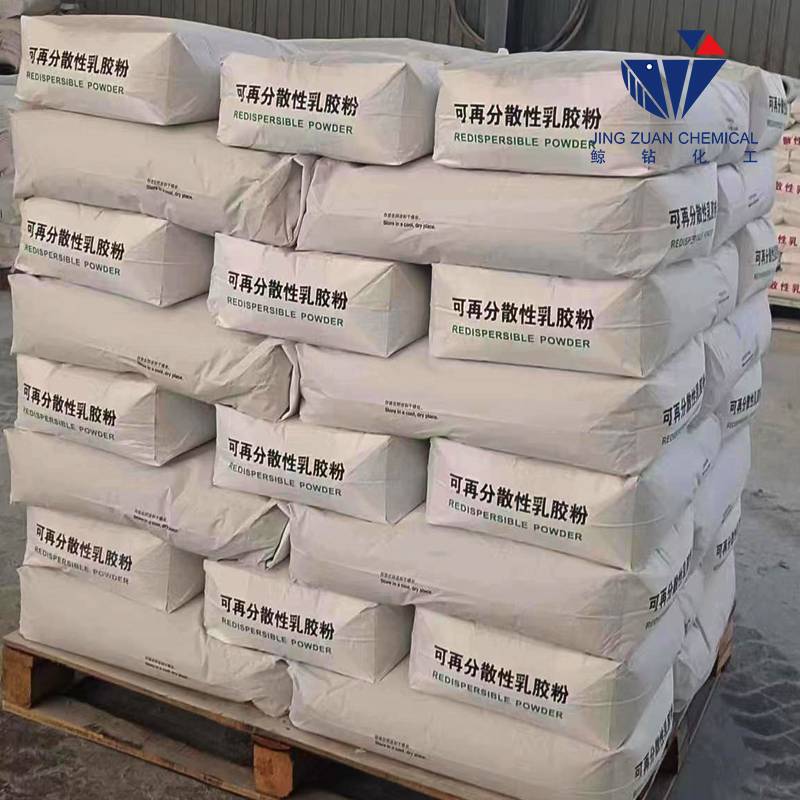
When stored properly in a cool, dry place, away from direct sunlight and moisture, HPMC typically has a shelf life of at least two years. It’s crucial to keep the packaging tightly sealed to prevent absorption of moisture from the air, which can lead to clumping. While HPMC is relatively stable, it's always recommended to check the product's appearance and perform a solubility test before use, especially if it has been stored for an extended period.
Is HPMC safe for food applications?
Yes, HPMC is widely recognized as safe for use in food applications by regulatory bodies worldwide, including the FDA and EFSA. It is non-toxic, odorless, and tasteless, making it suitable for various food products. It’s commonly used as a thickener, stabilizer, emulsifier, and film-former in foods like sauces, dressings, desserts, and baked goods. Food-grade HPMC must meet specific purity and quality standards to ensure its safety for consumption.
How does HPMC contribute to water retention in construction materials?
HPMC enhances water retention in cement-based materials by forming a network of fibers that entrap water molecules. This prevents rapid evaporation of water during the curing process, allowing for proper hydration of cement and improved workability. Enhanced water retention reduces cracking, shrinkage, and improves adhesion, ultimately leading to stronger and more durable construction materials. This is particularly important in hot and dry climates.
-
Understanding Hydroxypropyl Methyl Cellulose MSDS Safety and Compliance
NewsApr.16,2026
-
Understanding the Hydroxypropyl Methyl Cellulose HS Code for Global Trade
NewsApr.09,2026
-
Comprehensive Guide to Hydroxypropyl Methyl Cellulose CAS Number and Applications
NewsApr.07,2026
-
Comprehensive Guide to Hydroxypropyl Methyl Cellulose cas no and its Diverse Applications
NewsApr.04,2026
-
Comprehensive Guide to Hydroxypropyl Methyl Cellulose Manufacturers and Applications
NewsMar.31,2026
-
Understanding Hydroxypropyl Methyl Cellulose Properties And Diverse Applications
NewsMar.28,2026