
Feb . 26, 2026 02:05 Back to list
Is HPMC Soluble in Water A Comprehensive Guide to Properties and Applications
Is HPMC Soluble in Water? A Comprehensive Guide
Hydroxymethylcellulose (HPMC) is a versatile polymer widely used in diverse industries like pharmaceuticals, food, construction, and cosmetics. A frequent question arises: is HPMC soluble in water? The answer, while seemingly simple, involves understanding its unique properties and how to achieve optimal dissolution. This article will delve into the solubility of HPMC, factors influencing it, its various applications, and where to source high-quality HPMC – CNJZ Chemical. Understanding these details is crucial for leveraging HPMC's benefits effectively in your applications.
Understanding HPMC Solubility: The Basics
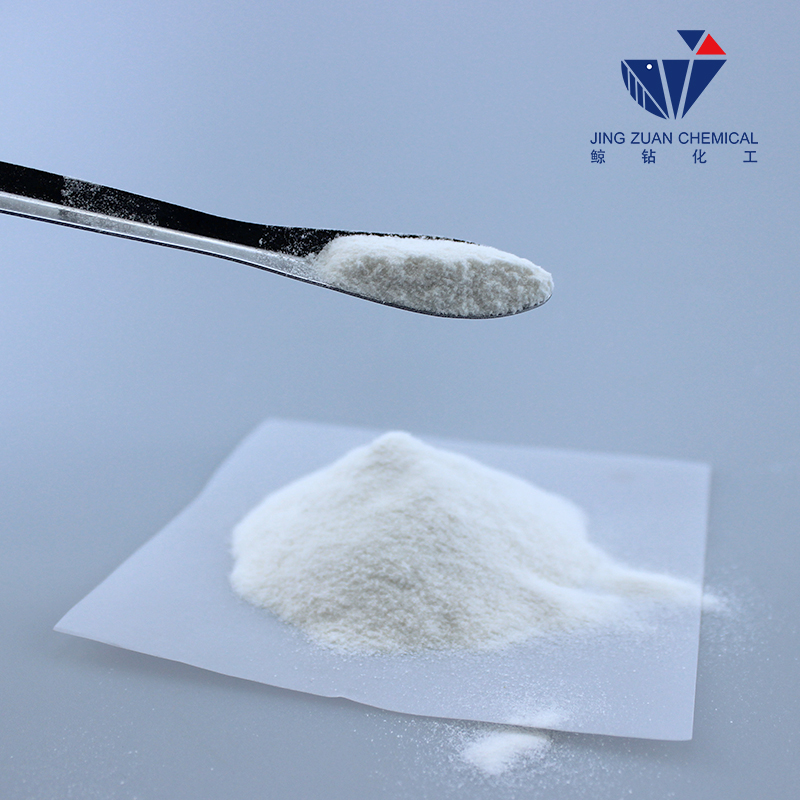
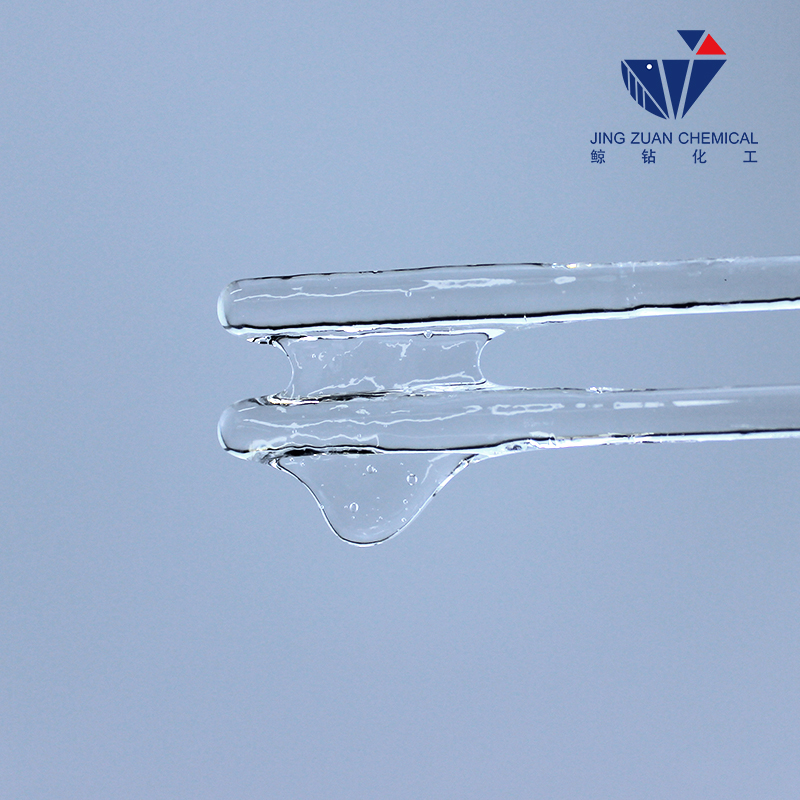
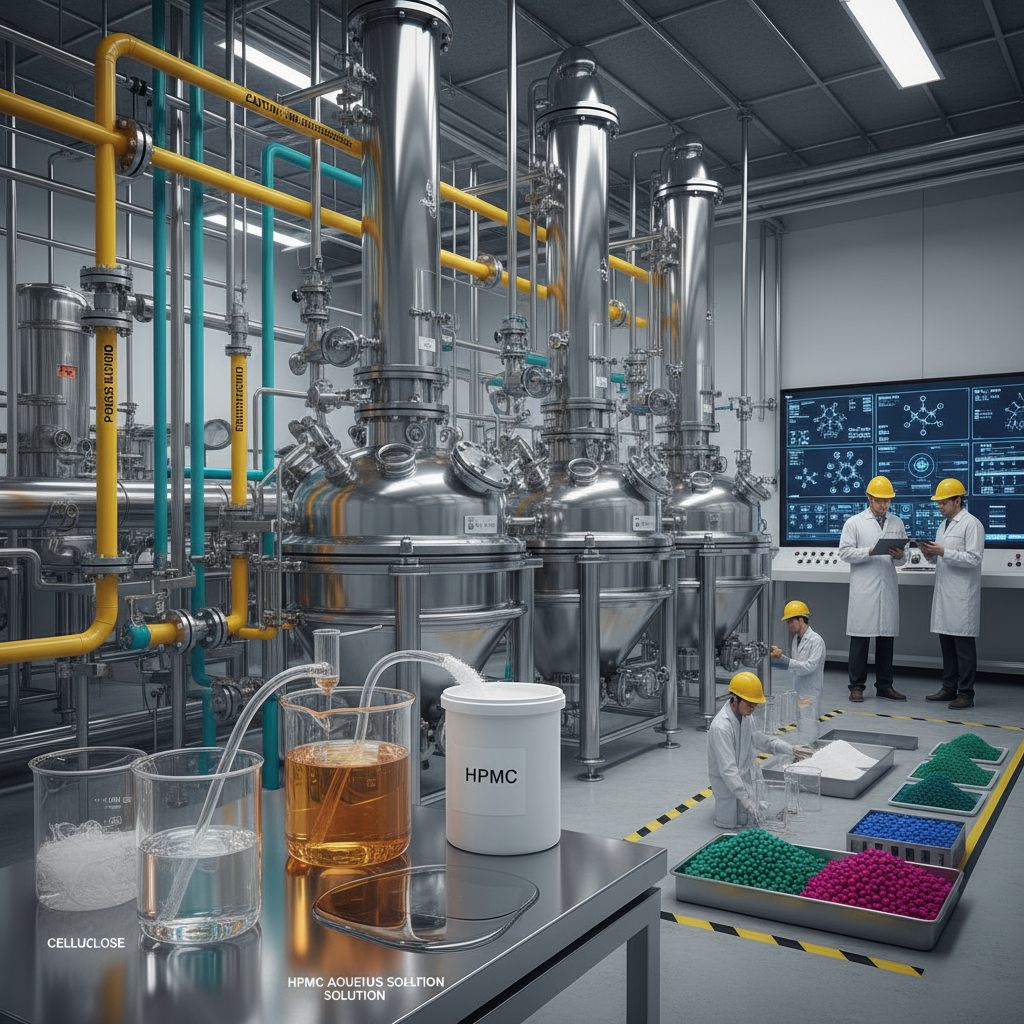
HPMC is not instantly soluble in cold water like sugar or salt. Instead, it exhibits a unique behavior. When HPMC powder is added to cold water, it initially disperses, forming a cloudy suspension. To achieve complete dissolution, the mixture needs to be heated. This process allows the water molecules to penetrate the HPMC structure, breaking the hydrogen bonds and allowing the polymer chains to unravel and dissolve. The resulting solution is typically clear and viscous, with the viscosity depending on the grade and concentration of HPMC used. Different grades of HPMC, varying in molecular weight and degree of substitution, exhibit differing solubility characteristics.
Key Takeaway: HPMC disperses in cold water but requires heating to fully dissolve. The final solution’s viscosity is dependent on the grade and concentration of HPMC used.
Factors Influencing HPMC Dissolution
Several factors can impact the speed and completeness of HPMC dissolution. These include: water temperature (higher temperatures accelerate dissolution), stirring speed (adequate mixing ensures uniform heat distribution and prevents clumping), pH of the water (extreme pH values can affect HPMC stability), and HPMC grade (different grades have varying solubility profiles). The particle size of the HPMC powder also plays a role; finer powders generally dissolve faster. Furthermore, the presence of certain salts can influence solubility – some salts can decrease solubility, while others can enhance it. Understanding these factors allows for optimizing the dissolution process for specific applications.
Key Factors Affecting Solubility:
• Water Temperature
• Stirring Speed
• pH of the Water
• HPMC Grade
HPMC Solubility & Viscosity: A Grade Comparison
Different grades of HPMC are characterized by their viscosity and molecular weight. Lower viscosity grades dissolve more easily and yield less viscous solutions, making them suitable for applications where a thin consistency is desired. Higher viscosity grades, while requiring more effort to dissolve, provide thicker solutions, ideal for applications requiring substantial thickening or suspension properties. Here's a comparison of common HPMC grades:
Applications Benefitting from HPMC Solubility
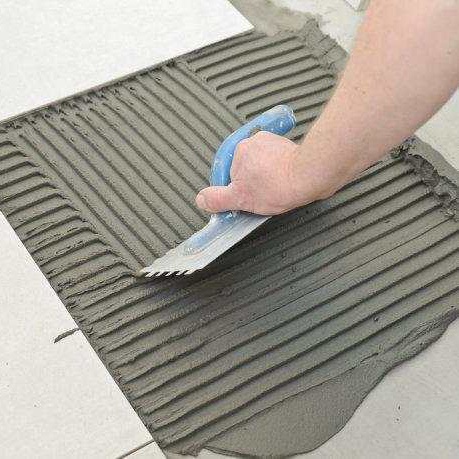
The controlled solubility of HPMC makes it indispensable in numerous applications. In the pharmaceutical industry, it’s used as a binder and film-coating agent for tablets, leveraging its ability to form clear, protective films when dissolved. In the construction industry, HPMC acts as a water retention agent in cement-based products, improving workability and adhesion. The food industry uses it as a thickener and stabilizer. Its solubility characteristics are vital for achieving the desired texture and functionality in these diverse applications. CNJZ Chemical provides HPMC grades tailored to meet specific application needs.
Sourcing High-Quality HPMC: CNJZ Chemical
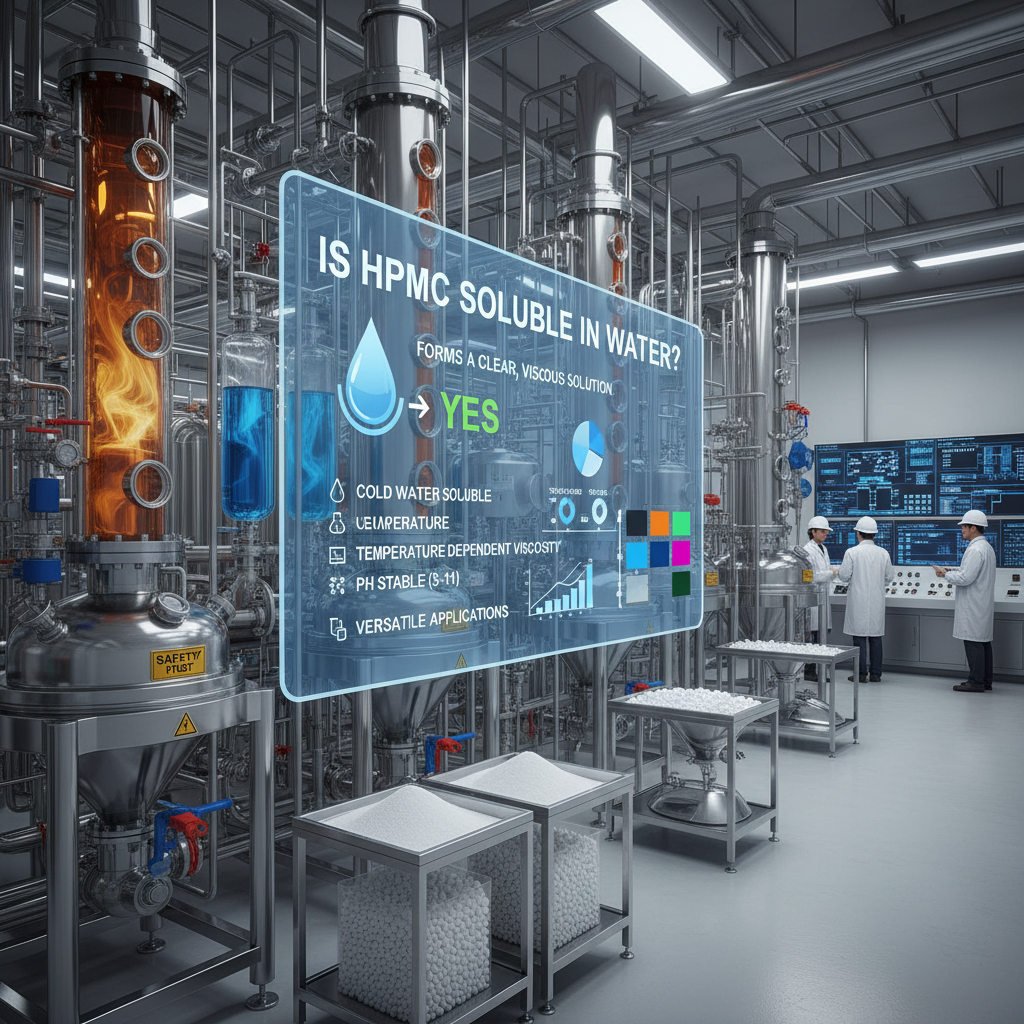
Choosing a reliable supplier is paramount when sourcing HPMC. CNJZ Chemical is a leading manufacturer and supplier of high-quality HPMC, offering a comprehensive range of grades to suit diverse applications. We provide detailed technical specifications, consistent product quality, and expert technical support to ensure optimal performance. Our commitment to quality and customer satisfaction makes us a trusted partner for industries worldwide.
Conclusion: Mastering HPMC Solubility for Optimal Results
Understanding that HPMC is not instantly soluble in cold water, but rather disperses and requires heat for complete dissolution, is crucial for successful application. By considering the influencing factors and selecting the appropriate grade from a trusted supplier like CNJZ Chemical, you can unlock the full potential of this versatile polymer.
Frequently Asked Questions (FAQs)
What happens if I try to dissolve HPMC in cold water without heating?
You will obtain a cloudy dispersion, not a clear solution. The HPMC particles will remain suspended in the water, but they won’t fully dissolve. This dispersion may still exhibit some thickening properties, but it won’t provide the clarity or stability needed for many applications. Applying heat and agitation is crucial to break down the HPMC structure and achieve complete dissolution. Without heat, the viscosity will be inconsistent and the final product may not meet the required specifications. Properly dissolving HPMC requires a controlled process to ensure optimal performance.
What is the recommended water temperature for dissolving HPMC?
Generally, water temperatures between 60-80°C (140-176°F) are recommended for dissolving HPMC. This range provides a balance between dissolving speed and preventing polymer degradation. Higher temperatures can accelerate dissolution but may also lead to unwanted side reactions. Maintaining consistent temperature and adequate agitation are key to achieving a clear and homogeneous solution. Always refer to the specific product datasheet from your HPMC supplier for their recommended dissolution procedure.
Can I use a blender to help dissolve HPMC?
Yes, using a blender or high-shear mixer can significantly improve the dissolution process, especially for higher viscosity grades of HPMC. The increased agitation helps to break up clumps and distribute the HPMC particles more evenly throughout the water. However, be cautious not to introduce excessive air into the mixture, as this can create foam and make the solution difficult to work with. Start with a low speed and gradually increase it as needed, ensuring the HPMC is properly dispersed before fully dissolving.
Where can I find more information about HPMC products and grades?
For detailed information about HPMC products and grades, you can visit the CNJZ Chemical website. We provide comprehensive product datasheets, technical specifications, and application guides. Our team of experts is also available to answer any questions you may have and assist you in selecting the right HPMC grade for your specific needs. You can also find valuable resources and information from industry associations and research publications.
-
Understanding Hydroxypropyl Methyl Cellulose MSDS Safety and Compliance
NewsApr.16,2026
-
Understanding the Hydroxypropyl Methyl Cellulose HS Code for Global Trade
NewsApr.09,2026
-
Comprehensive Guide to Hydroxypropyl Methyl Cellulose CAS Number and Applications
NewsApr.07,2026
-
Comprehensive Guide to Hydroxypropyl Methyl Cellulose cas no and its Diverse Applications
NewsApr.04,2026
-
Comprehensive Guide to Hydroxypropyl Methyl Cellulose Manufacturers and Applications
NewsMar.31,2026
-
Understanding Hydroxypropyl Methyl Cellulose Properties And Diverse Applications
NewsMar.28,2026