
Dec . 02, 2025 10:55 Back to list
Hydroxypropyl Methyl Cellulose Uses: Global Applications, Benefits & Trends
Hydroxypropyl Methyl Cellulose Uses: Exploring Its Role Across Industries
If you’ve ever wandered through the complex world of polymers and specialty chemicals, you might have bumped into the acronym HPMC—Hydroxypropyl Methyl Cellulose. It’s one of those ingredients that doesn’t grab headlines but quietly powers an incredible range of products and industries worldwide.
Why should you care? Well, hydroxypropyl methyl cellulose uses impact everything from construction to pharmaceuticals, food production to cosmetics. Imagine a world without reliable thickening agents, film formers, or stabilizers — frankly, many products we take for granted would suffer. So, understanding its uses matters not just for chemists, but for anyone interested in sustainable manufacturing, product innovation, and even humanitarian challenges.
Introduction: The Global Context of Hydroxypropyl Methyl Cellulose Uses
Globally, the chemical industry is becoming increasingly focused on multifunctional, environmentally friendly compounds. According to the International Organization for Standardization (ISO), regulatory emphasis on sustainable materials is reshaping how additives like HPMC are adopted across sectors. The World Bank’s data also indicates rapid growth in infrastructure and healthcare investments in emerging economies, further expanding demand for versatile, non-toxic ingredients.
Yet, challenges remain: how do industries balance performance with eco-friendliness? How do they meet stringent health standards while keeping costs manageable? Hydroxypropyl methyl cellulose uses speak to these questions, offering scalable solutions across multiple fields.
What is Hydroxypropyl Methyl Cellulose?
Simply put, hydroxypropyl methyl cellulose is a synthetic polymer derived from cellulose, the main structural component in plants. Think of it as a versatile, water-soluble ingredient that acts as a thickener, emulsifier, film former, and stabilizer. It’s non-toxic, biocompatible, and suitable for everything from edible films in food to controlled drug release in medications.
In modern industry, it’s the go-to additive when you want to improve texture, binding, or moisture retention without introducing harmful chemicals. It’s sort of a quiet workhorse behind the scenes.
Key Characteristics of Hydroxypropyl Methyl Cellulose
1. Durability & Thermal Stability
Hydroxypropyl methyl cellulose maintains its properties across a wide range of temperatures, making it ideal for manufacture processes that require heating or cooling. It doesn’t break down easily under stress, thus ensuring consistent performance.
2. Water Retention & Thickening Ability
This polymer is exceptional at retaining moisture and increasing viscosity, which explains its popularity in adhesives, construction mortars, and food products. If you want that creamy texture or stable gel, HPMC delivers.
3. Film-Forming Capacity
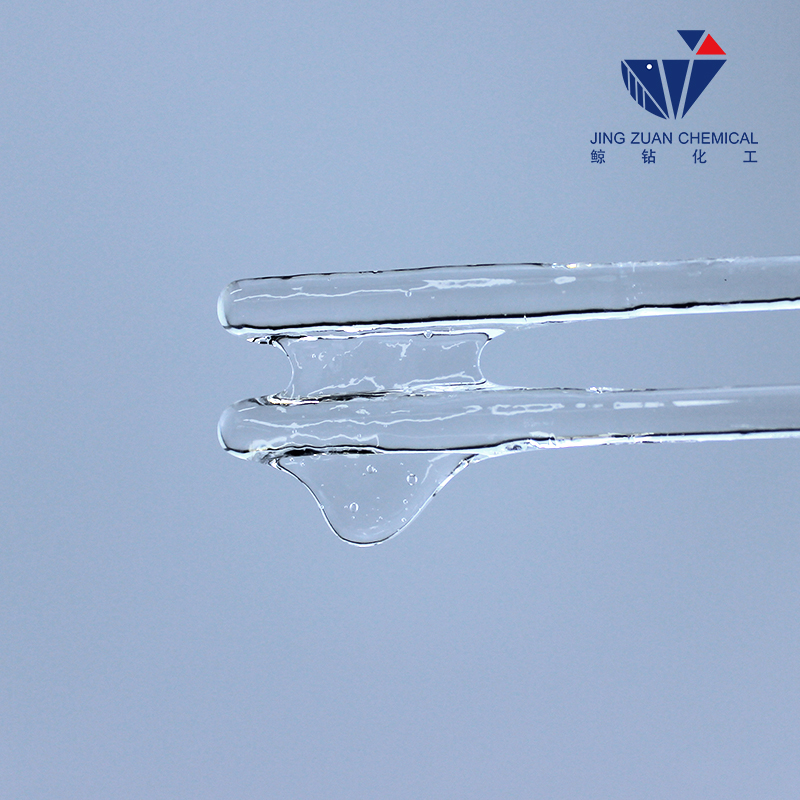
It forms clear, flexible films that act as protective coatings or controlled-release layers in tablets and packaging, enhancing shelf life without sacrificing biodegradability.
4. Compatibility & Safety
It’s non-ionic, meaning it doesn’t interfere with other compounds and is generally regarded as safe by agencies like the FDA and EMA. This makes it indispensable in pharmaceuticals and food.
5. Scalability & Cost Efficiency
Manufactured in large quantities globally, hydroxypropyl methyl cellulose is cost-effective, supporting broad industrial adoption without premium pricing.
Product Specifications of Typical Hydroxypropyl Methyl Cellulose Grades
| Property | Specification | Typical Range |
|---|---|---|
| Methoxy Content (%) | 19.0–24.0 | 20.0 |
| Hydroxypropyl Content (%) | 4.0–12.0 | 7.0 |
| Viscosity (mPa·s, 2% solution) | 50–4000 | 1000 |
| pH (1% solution) | 5.0–8.0 | 6.5 |
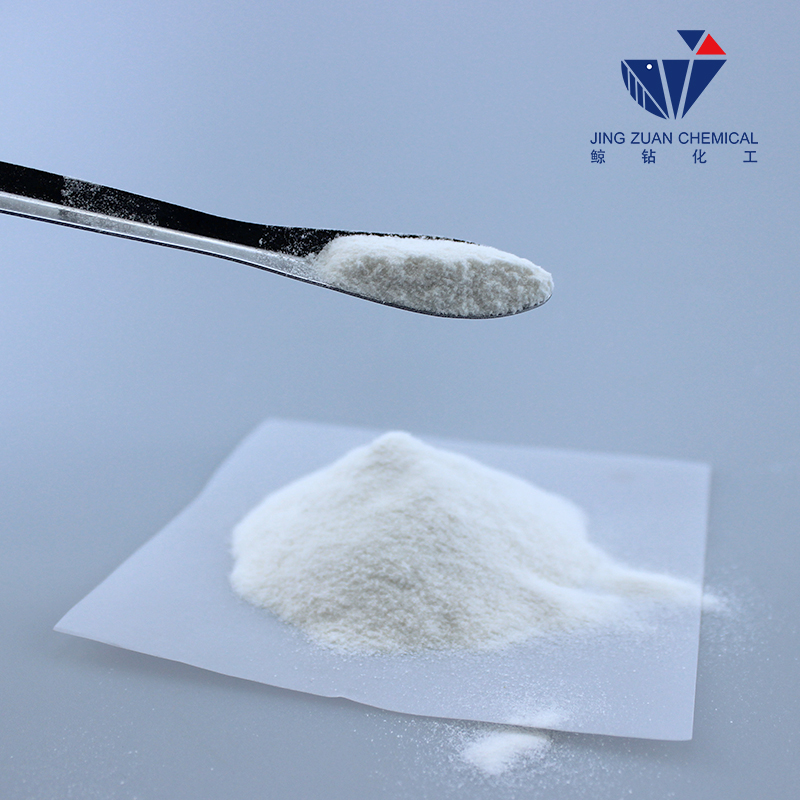
| Appearance | White to off-white powder | |
Global Applications & Use Cases
Hydroxypropyl methyl cellulose uses traverse countless industries. For example:
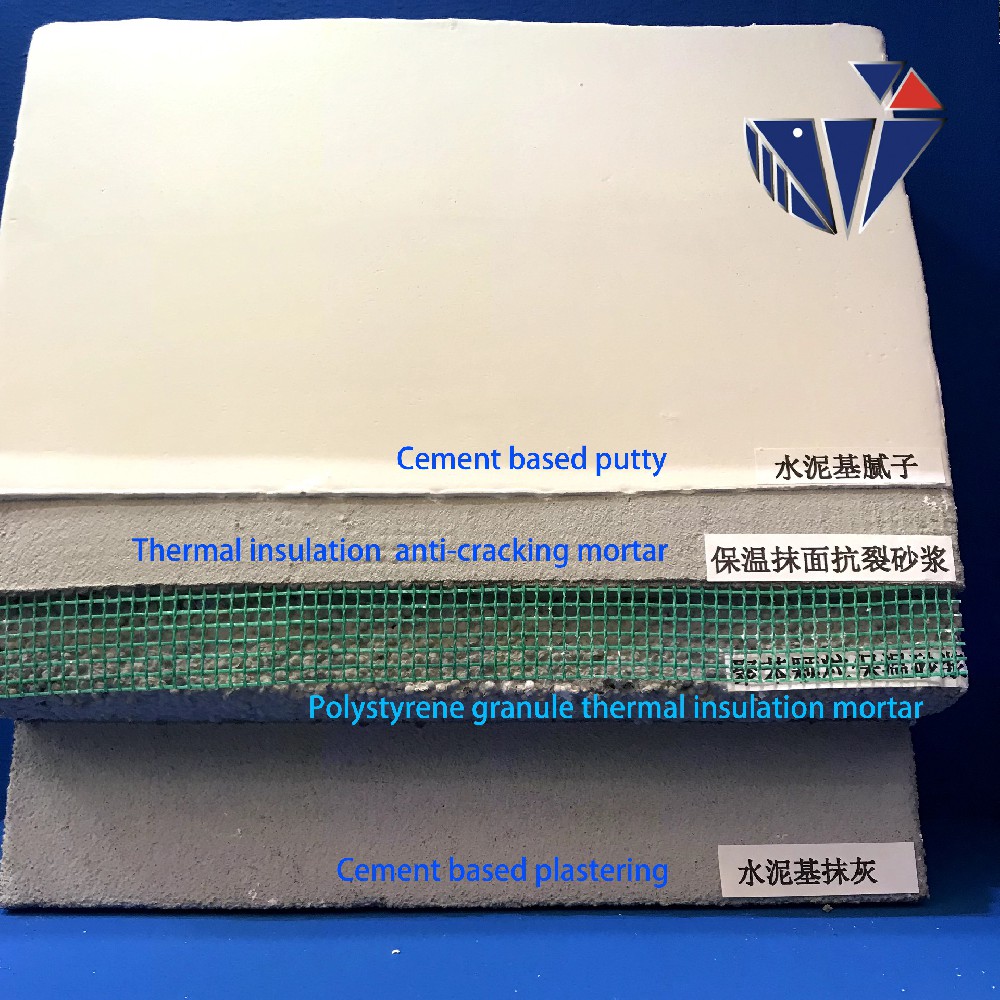
- Construction: Used in tile adhesives, plasters, and cement mortars, HPMC improves workability and water retention, critical in hot climates such as the Middle East or arid African regions.
- Pharmaceuticals: It’s ubiquitous in tablet coatings and controlled drug delivery systems across Europe, North America, and Asia.
- Food: Applied as a thickener, emulsifier, and stabilizer in bakery products and dairy substitutes globally.
- Cosmetics: Integral for lotions and creams needing stable emulsions.
- Paper and adhesives: Improves texture and bonding, widely used in packaging and industrial adhesives.
Oddly enough, in post-disaster relief operations in Southeast Asia, HPMC-enhanced construction materials facilitate rapid rebuilding while maintaining safety standards.
Vendor Comparison: Leading Global Suppliers of Hydroxypropyl Methyl Cellulose
| Supplier | Product Range | Geographic Reach | Focus Industries |
|---|---|---|---|
| Supplier A | Wide (Low to High Viscosity) | Global | Pharma, Food, Construction |
| Supplier B | Specialty Grades | Asia-Pacific, Europe | Cosmetics, Food, Adhesives |
| Supplier C | Eco-friendly Certified | North America, Europe | Construction, Pharma |
Advantages & Long-Term Value
Frankly, hydroxypropyl methyl cellulose’s strengths include not just function but also sustainability. It’s biodegradable, non-toxic, and enhances product lifespan. For manufacturers, it means fewer recalls and happier customers. For consumers, it means products that feel safe, reliable, and supportive of environmental health.
On an emotional level, it contributes to safety and dignity — think of pharmaceutical tablets that reliably control dosing or a food product that stays fresh longer without artificial preservatives. The trust this builds can’t be overstated.
Future Trends & Innovations
Looking forward, green chemistry drives a lot of innovation in hydroxypropyl methyl cellulose uses. Companies are exploring bio-based feedstock to further reduce the carbon footprint. Digital control of viscosity and polymer properties allows tailored formulations, increasing efficiency and product performance.
Automation in production and better quality monitoring (think inline sensors) are reducing waste and enhancing consistency. And policies encouraging sustainable materials are only making HPMC more attractive, especially as governments tighten environmental regulations.
Challenges & Solutions
That said, no material is perfect. One limitation is sensitivity to extreme pH and ionic conditions, which can affect stability. Also, the sourcing of raw cellulose can be challenged by supply chain disruptions.
Innovative solutions include modifying HPMC chemically to enhance robustness or blending with other polymers for additive effects. Supply chain diversification and investing in sustainable forestry also help mitigate risks.
FAQ: Frequently Asked Questions About Hydroxypropyl Methyl Cellulose Uses
- Q: What industries benefit most from hydroxypropyl methyl cellulose uses?
A: Primarily pharmaceuticals, food production, construction, and cosmetics, where it serves as a thickener, stabilizer, or film former. - Q: Is HPMC safe for food and medical applications?
A: Yes. It is FDA-approved and generally regarded as safe (GRAS). Its non-toxic nature makes it ideal for edible and pharmaceutical products. - Q: How does HPMC improve construction materials?
A: By improving water retention and workability of mortars and plasters, it helps ensure strong, durable finishes even under harsh weather conditions. - Q: Can hydroxypropyl methyl cellulose be modified for special applications?
A: Absolutely. Different grades with variable viscosity and substitution levels allow customization for targets like controlled drug release or enhanced film flexibility. - Q: Where can I learn more about specific hydroxypropyl methyl cellulose grades?
A: Trusted suppliers’ websites and resources such as hydroxypropyl methyl cellulose uses provide detailed data sheets and application notes.
Conclusion & Call to Action
Hydroxypropyl methyl cellulose is far more than just a chemical additive; it’s a lynchpin in modern product innovation and sustainability. Its diverse applications across industries make it invaluable for enhancing product quality, consumer safety, and environmental friendliness.
Ready to explore hydroxypropyl methyl cellulose uses further or source high-quality grades? Visit our website: https://www.cnjzchemical.com to discover how this versatile polymer can help your next project.
Takeaway: In a world seeking safer, sustainable solutions, hydroxypropyl methyl cellulose stands quietly but powerfully at the crossroads of innovation and responsibility.
References
- Wikipedia - Hydroxypropyl methylcellulose
- International Organization for Standardization (ISO)
- World Bank Global Data
-
Understanding Hydroxypropyl Methyl Cellulose MSDS Safety and Compliance
NewsApr.16,2026
-
Understanding the Hydroxypropyl Methyl Cellulose HS Code for Global Trade
NewsApr.09,2026
-
Comprehensive Guide to Hydroxypropyl Methyl Cellulose CAS Number and Applications
NewsApr.07,2026
-
Comprehensive Guide to Hydroxypropyl Methyl Cellulose cas no and its Diverse Applications
NewsApr.04,2026
-
Comprehensive Guide to Hydroxypropyl Methyl Cellulose Manufacturers and Applications
NewsMar.31,2026
-
Understanding Hydroxypropyl Methyl Cellulose Properties And Diverse Applications
NewsMar.28,2026